Xiaomatoiu
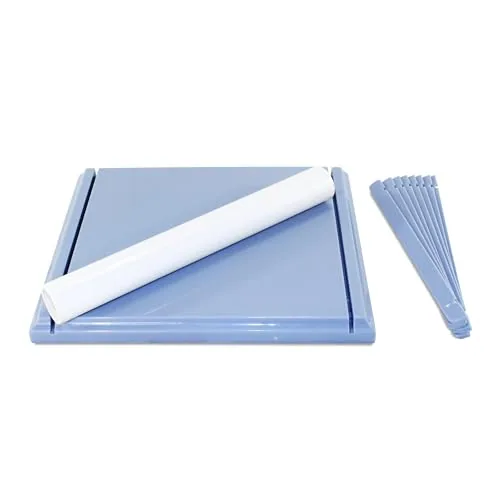
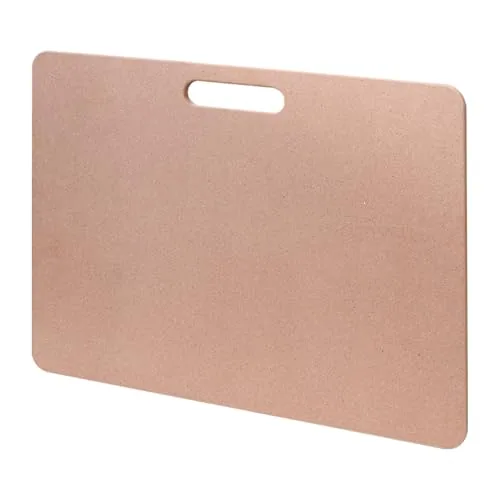
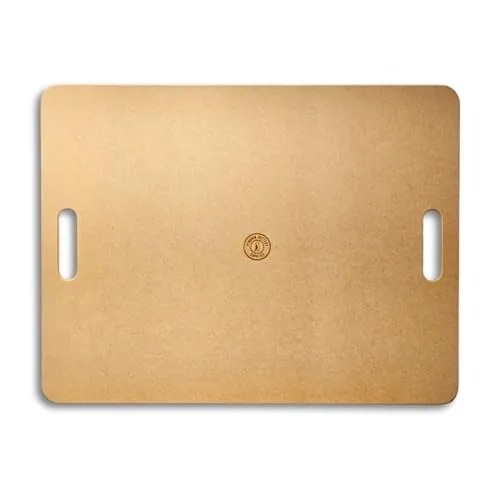
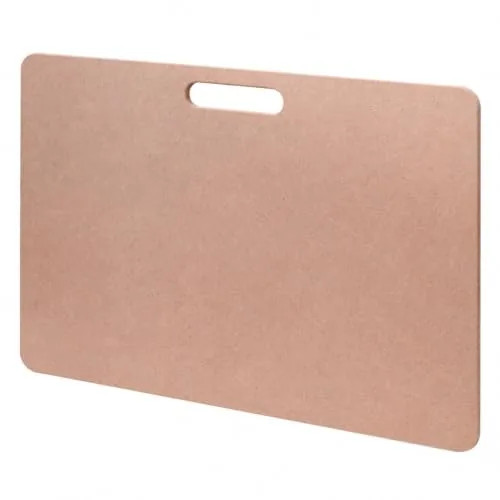
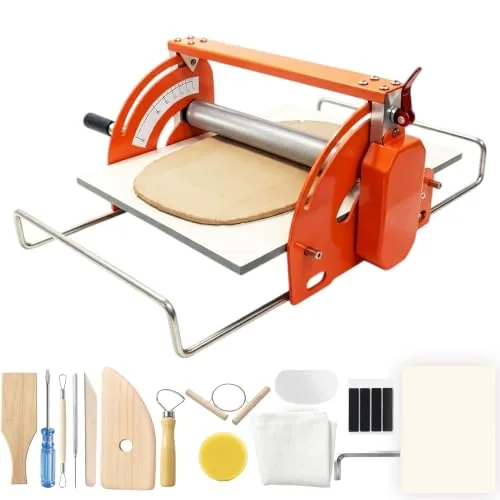
Xiaomatoiu Hand-Cranked Slab Roller, 12.5" w/ Board
- Roller width
- 12.5"
- Slab thickness
- 0-30mm
- Pieces
- 14
Best for Home studios starting slab work
Best for Home studios starting slab work
Best for Even slabs without a slab roller
Best for Rolling slabs by hand
Best for Consistent slab thickness
Best for A simple slab-building starter set
Best for Small slabs and polymer projects
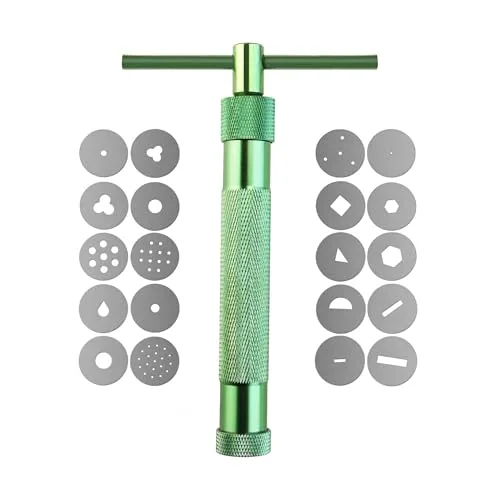
Best for Pulling consistent mug handles
Best for Small coils and decorative strands
Best for Fine decorative extrusions
Best for Polymer clay details
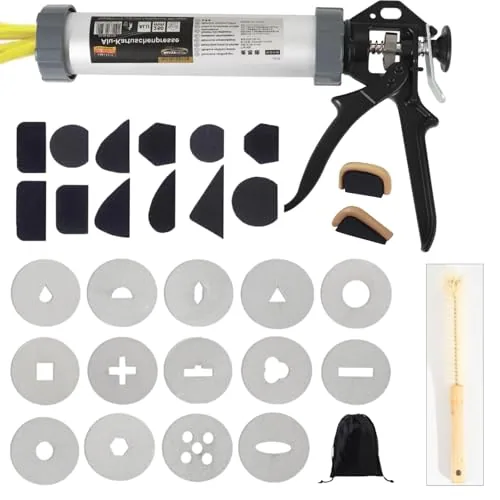
Best for Extruded coils and handles
Best for Coil building with an existing extruder
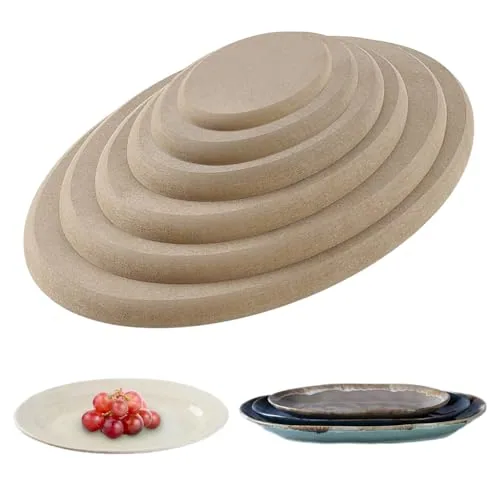
Best for Making matching plate sets
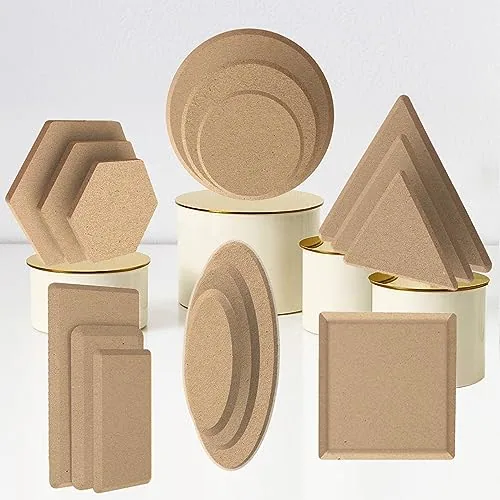
Best for Small bowls and plates
Best for Plate sets in several sizes
Best for A basic plate mold set
Best for Repeatable small cups
Best for Decorative small dishes
Best for Oval platters and trays
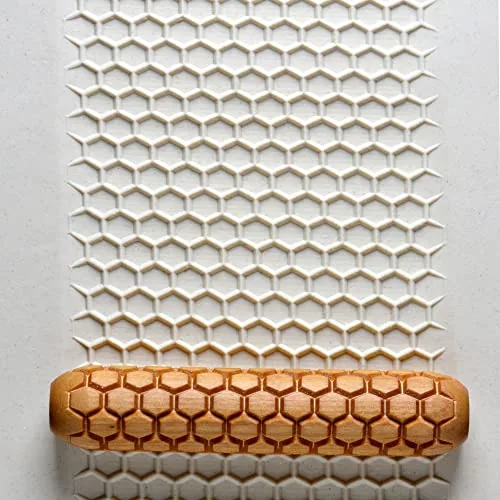
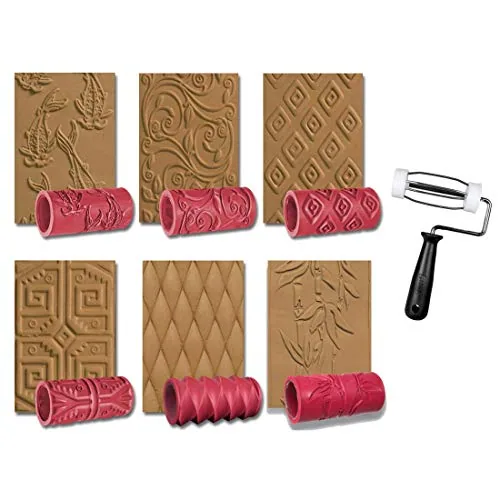
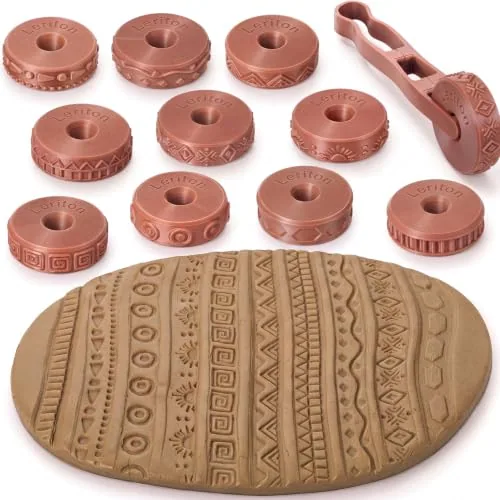
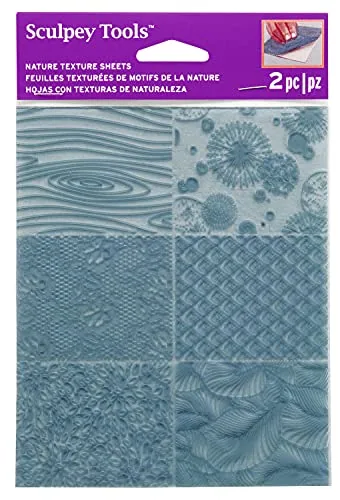
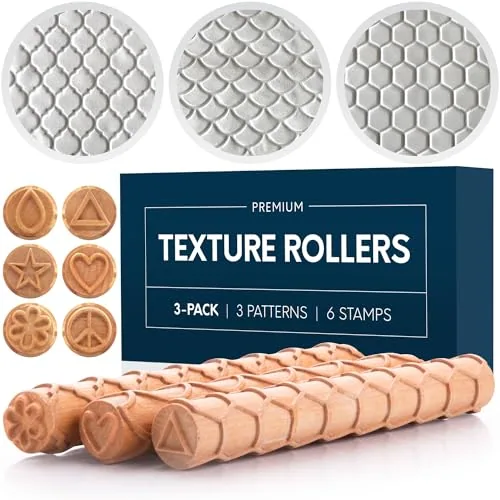
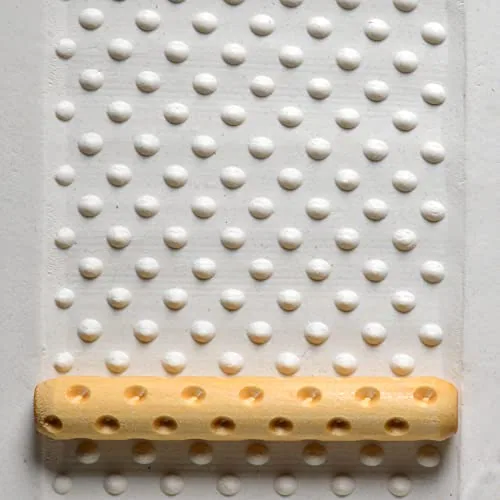
Best for Adding texture to slabs and pots
Best for Classrooms and group sessions
Best for Polymer clay jewelry and small pieces
Best for Polymer clay jewelry
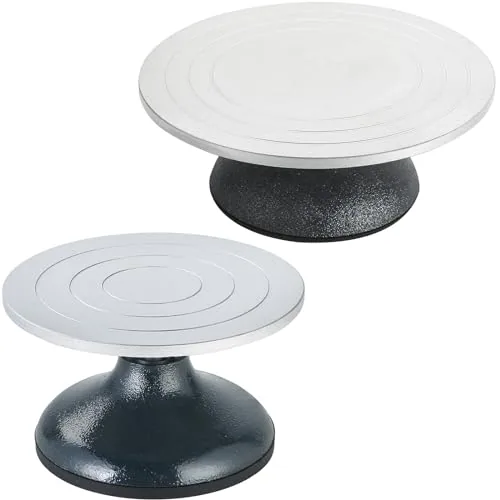
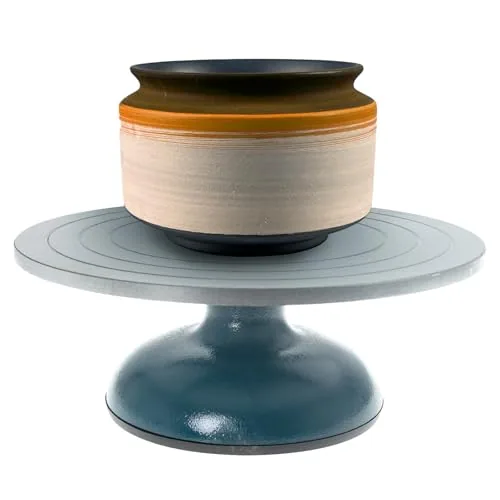
Best for Decorating and trimming larger pieces
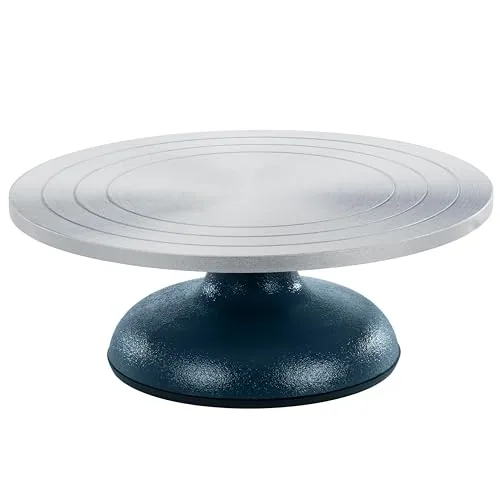
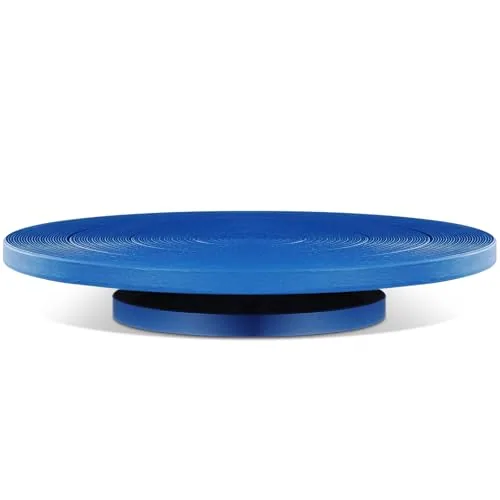
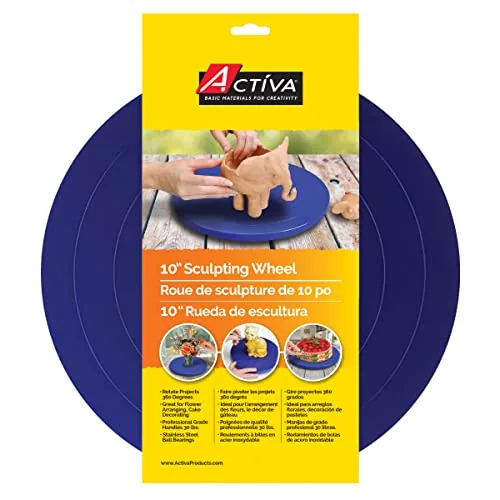
Best for Compact decorating turntable
Best for Larger hand-built pieces
Best for Working small and large pieces
Best for Decorating and banding glaze lines
Best for Wedging on a kitchen table
Best for Moving work between spaces
Best for Small tables and shared studios
Best for Making your own molds
Best for Slip-casting with plaster molds
Best for Light-duty turning on a budget
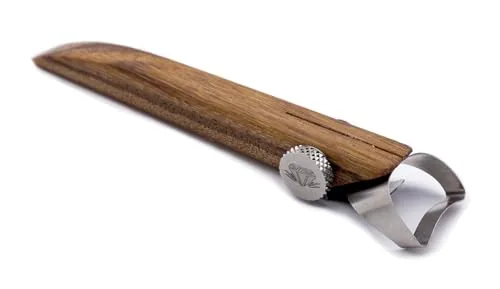
Best for Concave mug handles
Best for Batch-making plates and dishes
Best for Texturing larger slabs
Best for Portable work surface
Best for Small texture bands
Best for Classrooms and group tables
Best for Small pieces on a crowded table
Best for Wedging and moving larger pieces
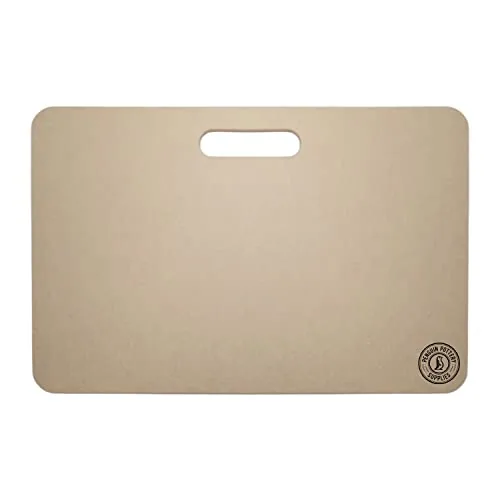
Best for A dedicated wedging surface
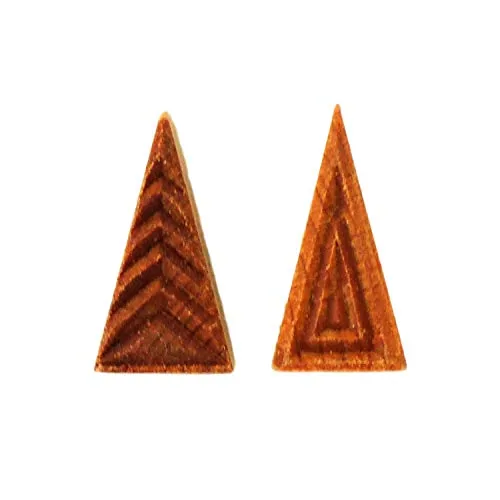
Best for Decorative stamped patterns
No product matches every filter. Clear one to see more.
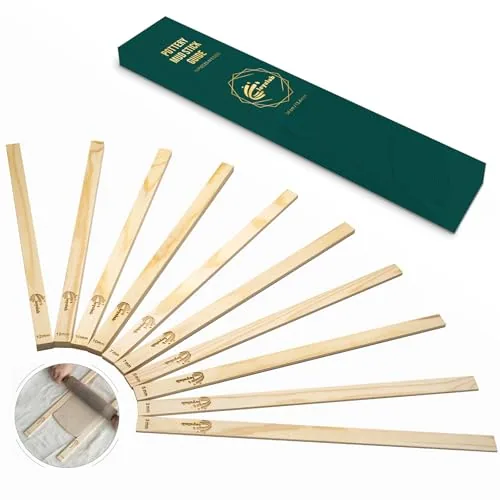
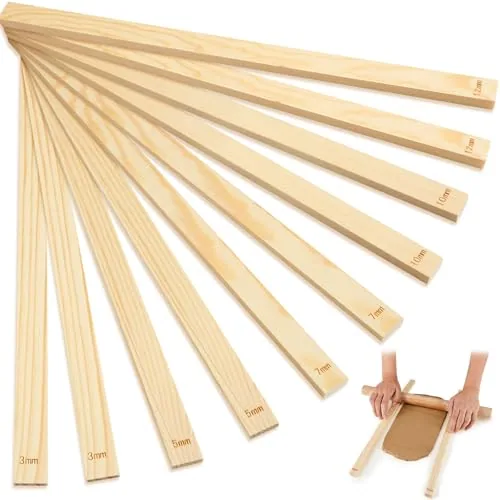
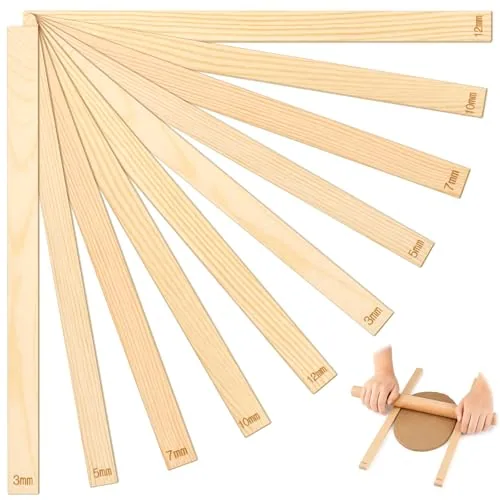
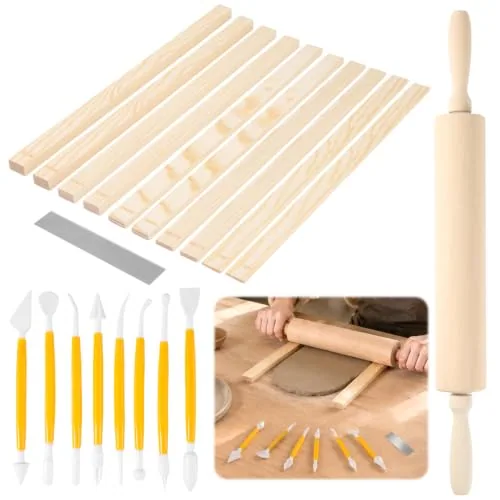
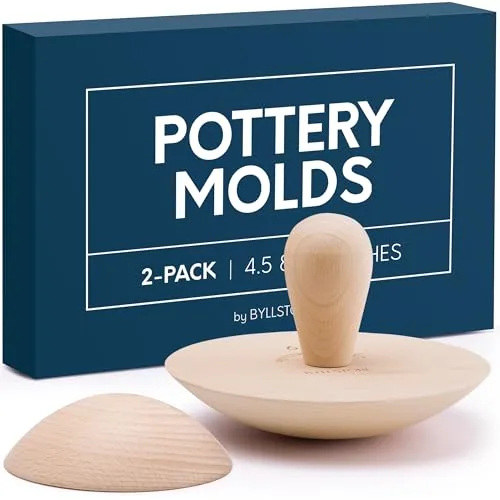
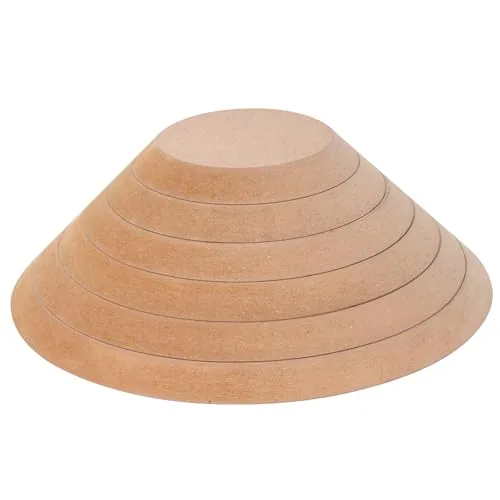
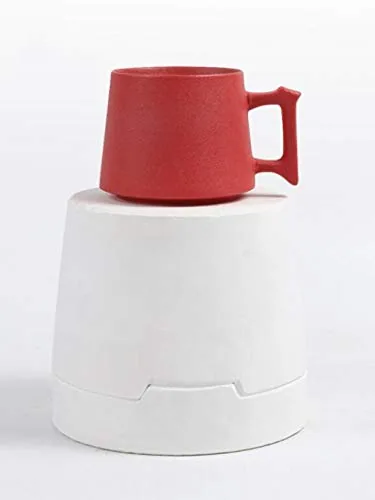
Hand-building pottery tools let you make plates, mugs, planters and sculpture with no wheel at all. This category covers a hand-cranked slab roller and wooden rolling guides, handheld and gun-style extruders, MDF slump and hump molds, plaster molds and pottery plaster, texture rollers and stamps (MKM, AMACO, Byllstore), banding wheels and wedging boards.
Most of these work just as well with air-dry clay, which makes this a good place to start if you have no kiln yet.
Best for Home studios starting slab work
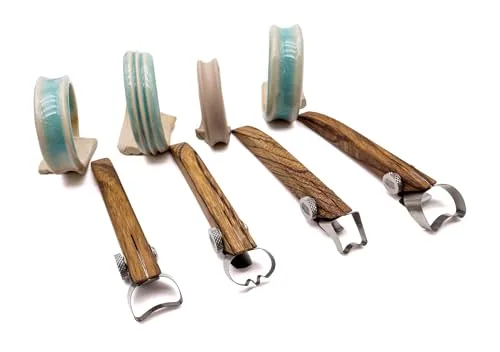
Best for Pulling consistent mug handles
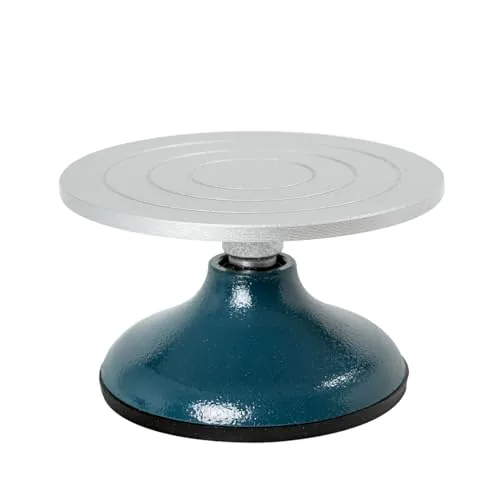
Best for Decorating and trimming larger pieces
Best for Wedging on a kitchen table
 Best of
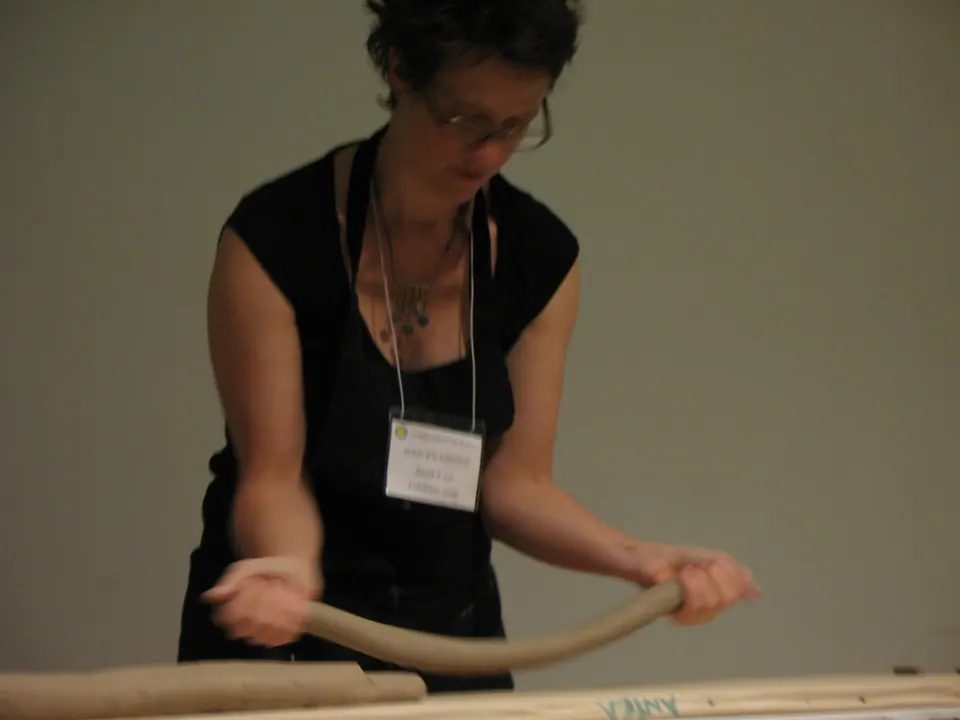
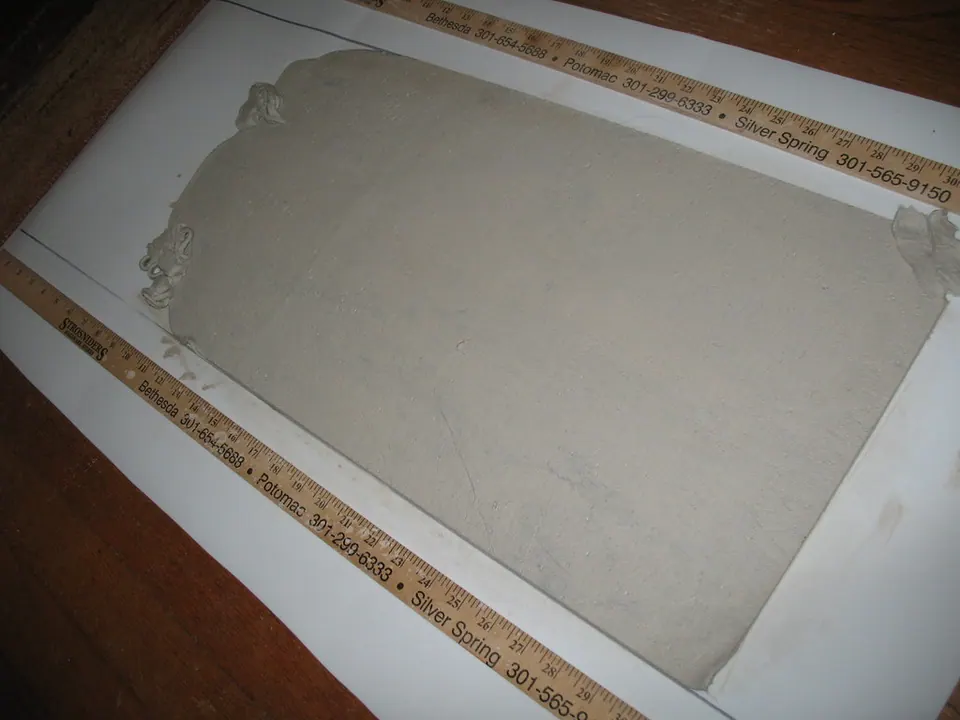
The best slab roller for home use may be a hand-crank machine or a rolling pin with guides. Compare 8 options from 7…
 Best of
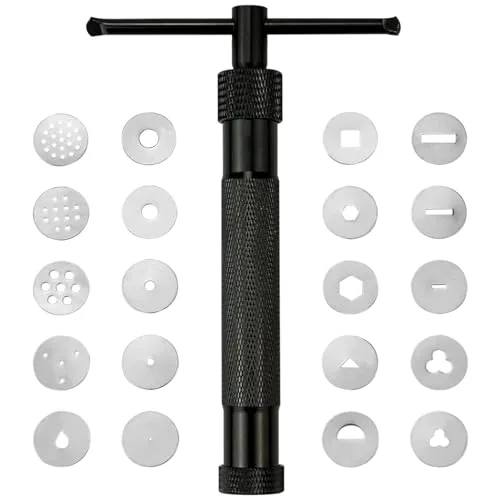
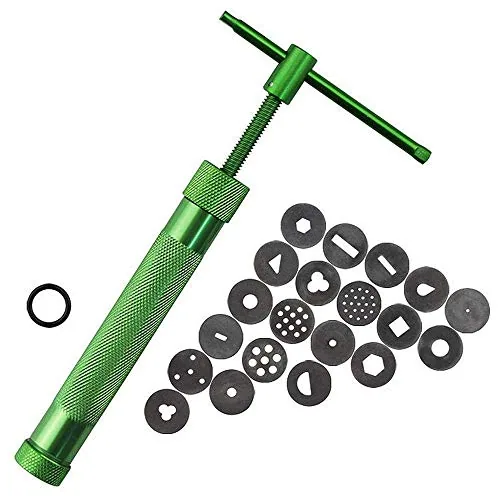
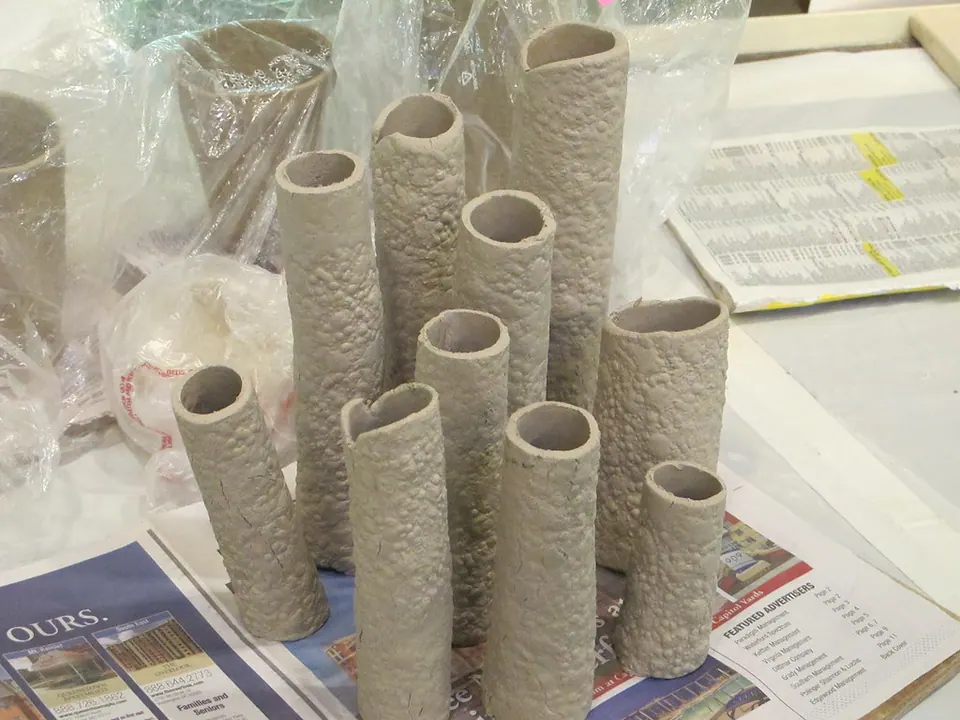
The best clay extruder for home pottery depends on scale: clay guns for small coils, handle cutters for mugs. Compare…
 Best of
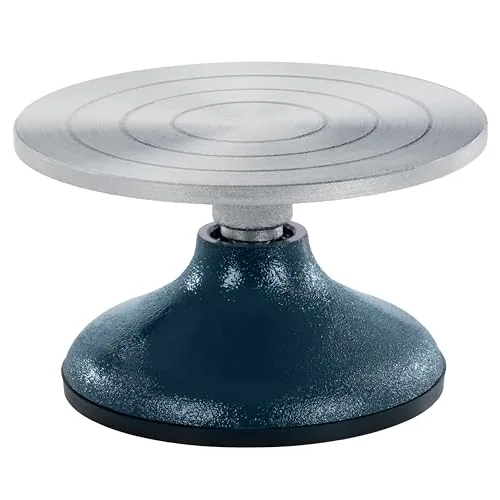
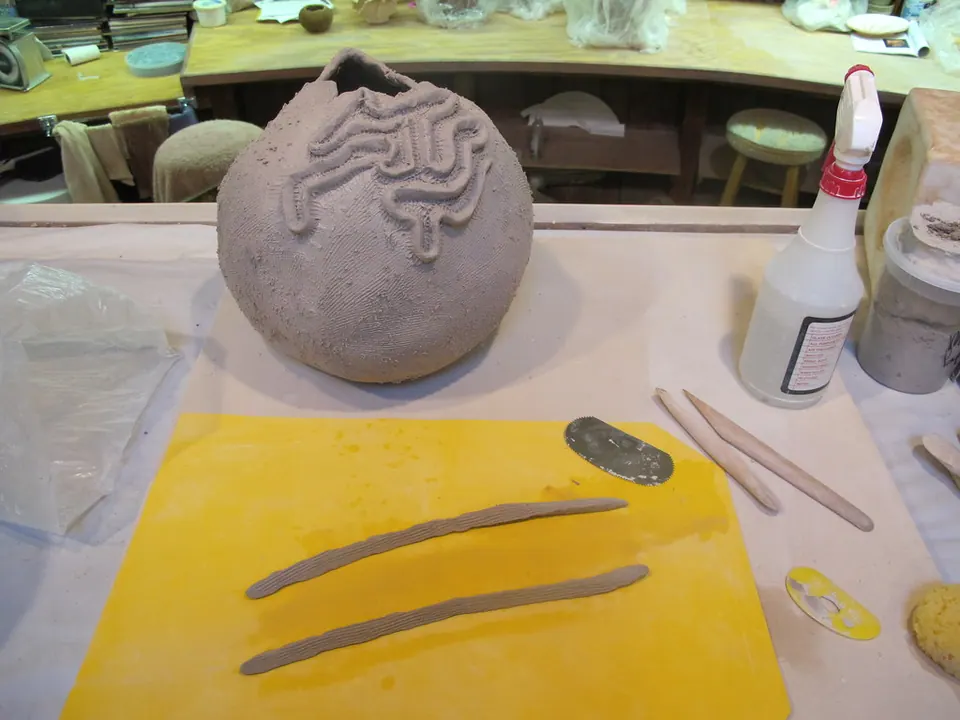
The best banding wheel spins smoothly, holds your heaviest piece and sits at a useful height. Compare 8 banding wheels…
 Best of
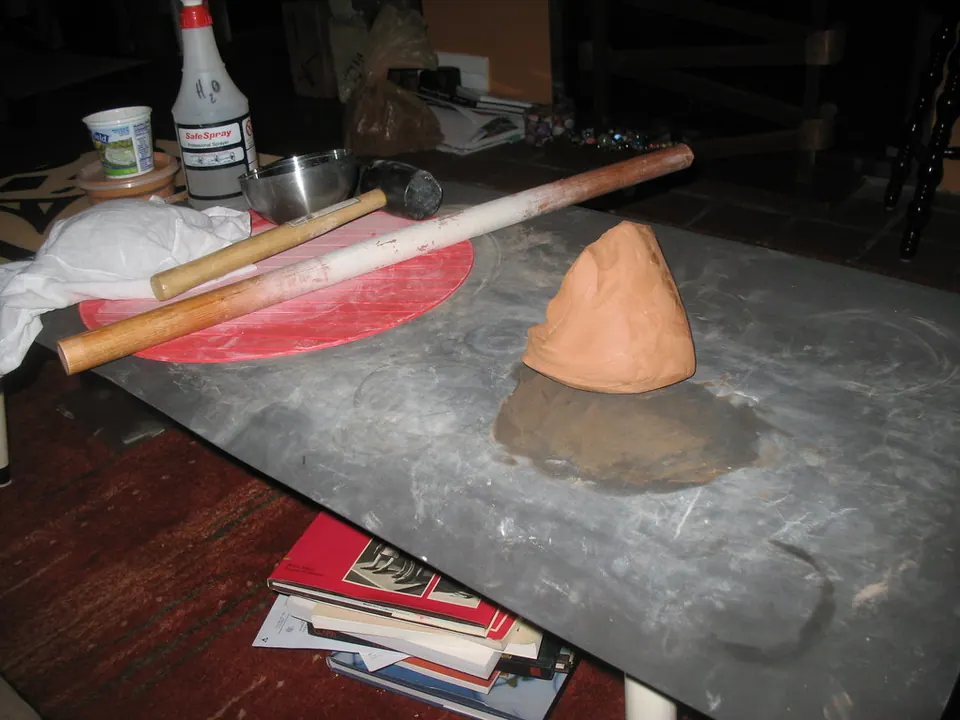
The best wedging board gives you a firm, absorbent surface that fits your table. Compare 8 boards, canvas boards and a…
 Guide
Why pottery cracks while drying and firing: S-cracks, rim and handle cracks, seams, blow-outs and dunting, with the…
 Guide
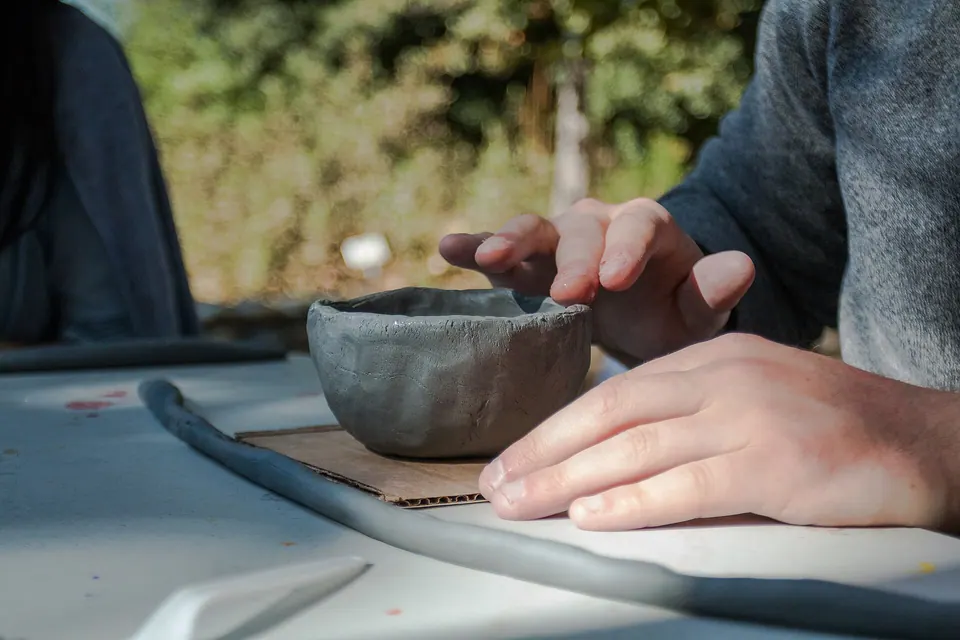
How to make pottery without a wheel: pinch pots, coils, slabs and molds, with steps, tools, joining tips and firing or…