Paragon
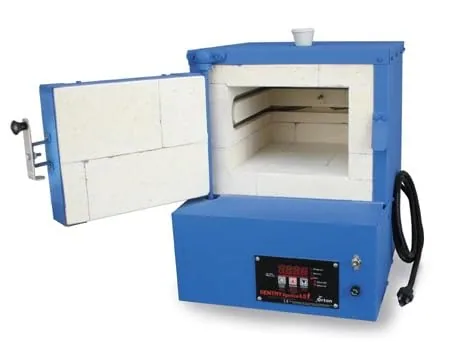
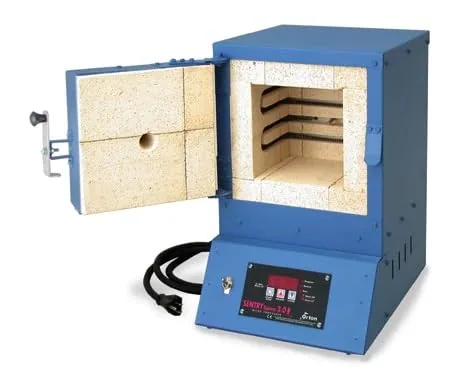
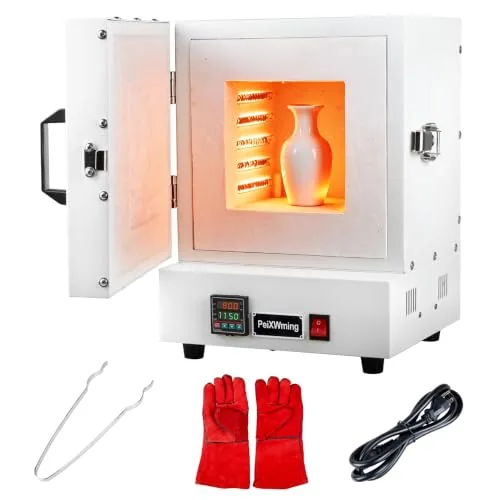
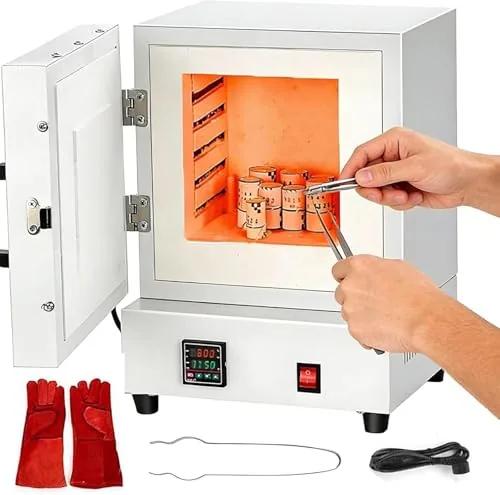
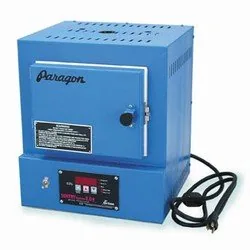
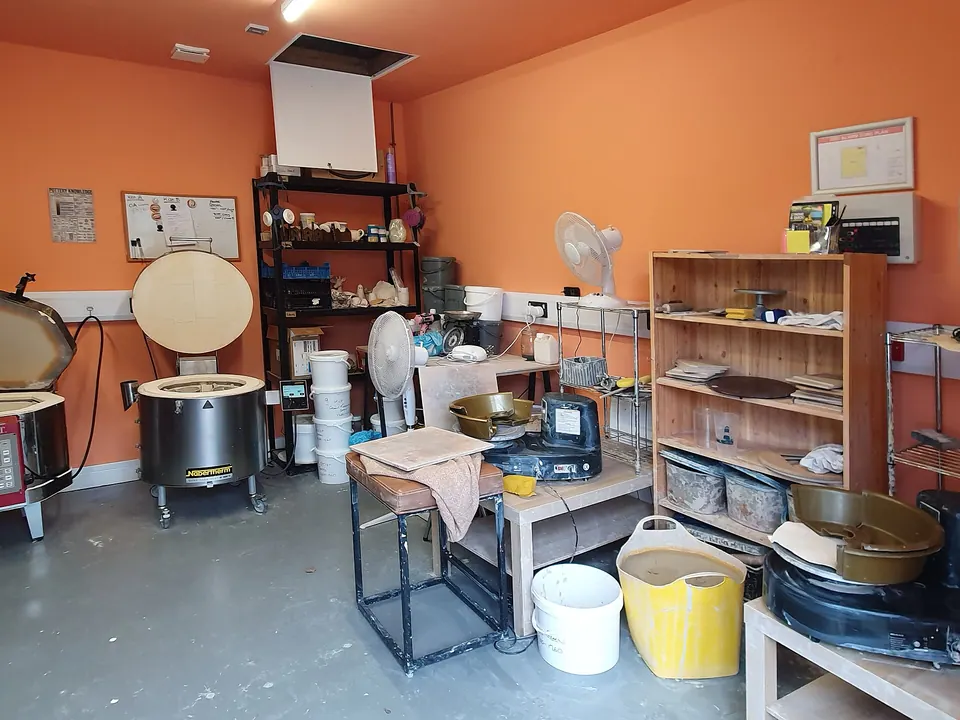
Paragon SC2 120V Digital Kiln, Sentinel Touch
- Voltage
- 120V
- Power
- 14A / 1680W
- Controller
- Sentinel Touch Xpress
Best for Small pieces and test firings at home
120 V plug-in kilns, a 30 A studio package, glass and microwave kilns, and the shelves, posts, cones and wash that every firing uses.
Best for Small pieces and test firings at home
Best for Low-fire and bisque at home
Best for Test tiles and small high-fire pieces
A craft kiln from Diamond Tech's Fuseworks glass-fusing line. The listing gives no specs, so check size and…
Best for Glass fusing hobbyists
Best for Metal clay and tiny pieces
Best for Glass fusing on kiln shelves
Best for Small 120V and test kilns
Best for Small kilns
Best for Octagonal electric kilns
Best for Flexible kiln loading
Best for Stacking kiln shelves
Best for Stacking kiln shelves
Best for Small kilns
Best for Small kiln loads
Best for Glaze firing small pieces
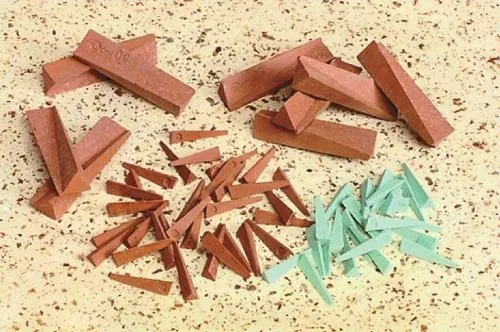
Best for Supporting delicate pieces
Best for Small kilns and test firings
Best for Home kiln firings
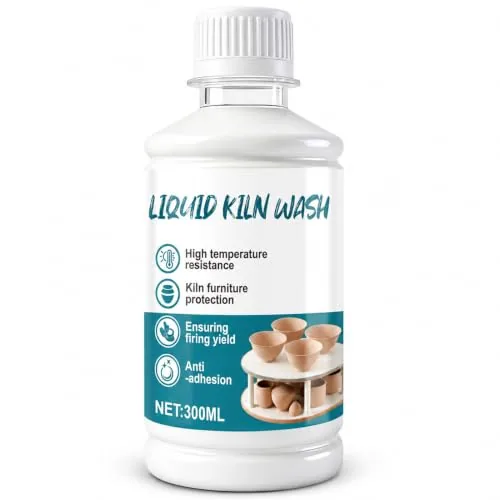
Best for Protecting new kiln shelves
Best for Glass and kiln shelf prep
Best for Kiln-sitter firings to cone 6
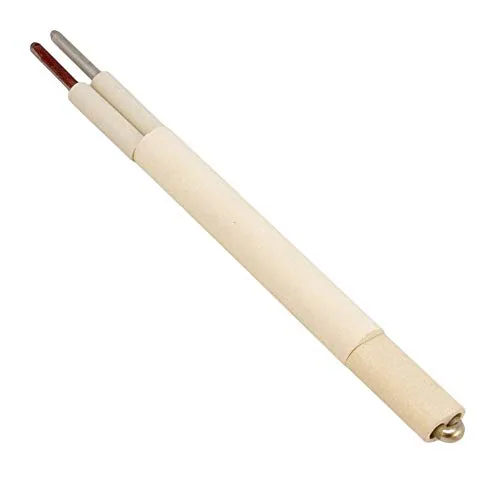
Best for Kiln owners replacing a worn thermocouple
Best for Kilns with a Kiln-Sitter
Best for Paragon E12A owners
Best for Mid-size round kilns
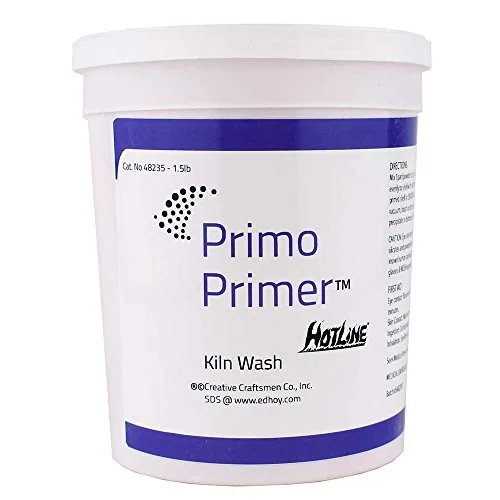
Best for Potters who coat shelves often
Best for Checking low-fire and bisque firings
Best for Skutt kiln owners
Best for Glass, metal clay and small ceramic pieces
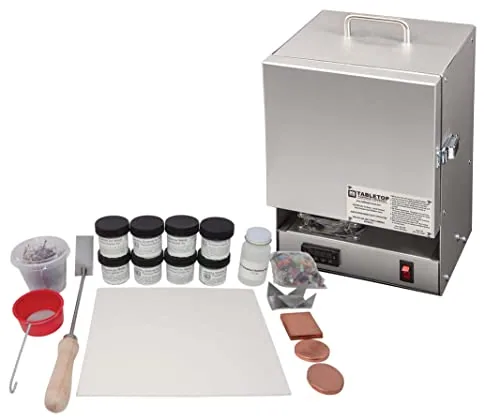
An enameling starter set with a tabletop furnace and a Thompson Enamel beginner kit. It is for enamel on…
Best for Starting enamel jewelry
Best for Jewelry, metal clay and small test tiles
Best for Jewelry and metal casting
Best for Jewelry and metal clay work
Best for Fused glass jewelry
Best for Glass fusing beginners
Best for Glass pendants and earrings
Best for Glass jewelry hobbyists
Best for Glass jewelry beginners
Best for Tiny glass jewelry pieces
Best for Fused glass crafts
Best for Starting glass fusing at home
No product matches every filter. Clear one to see more.
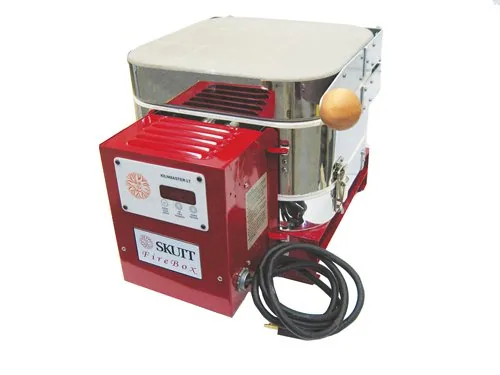
Kilns for home pottery are only part of this category, and the labels on listings can mislead. You will find true pottery kilns (the Paragon SC2, Xpress E12A and Xpress Q11A on 120 V, and a Skutt KM818 30 A package), small glass and metal-clay kilns (Skutt Firebox, PMC OV-1), an enameling furnace, budget "kilns" that are really jewelry melting furnaces, and microwave kilns for glass.
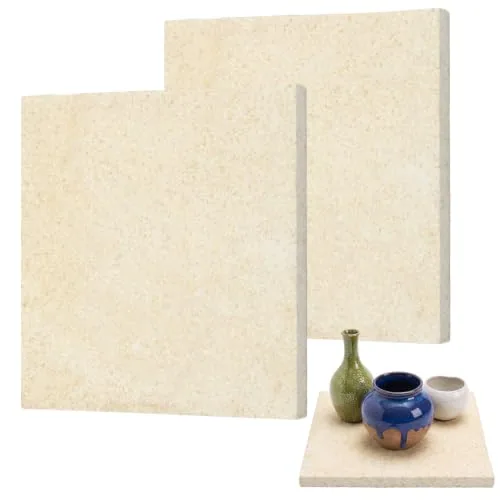
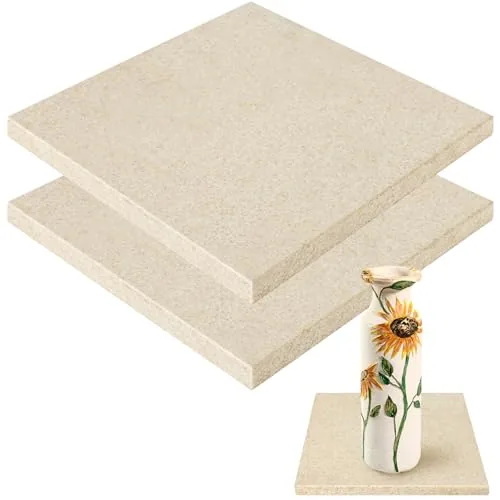
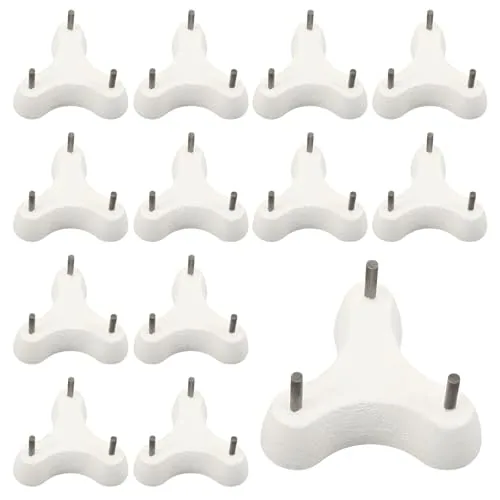
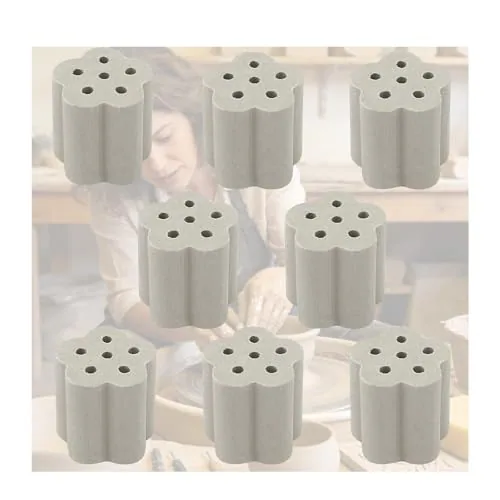
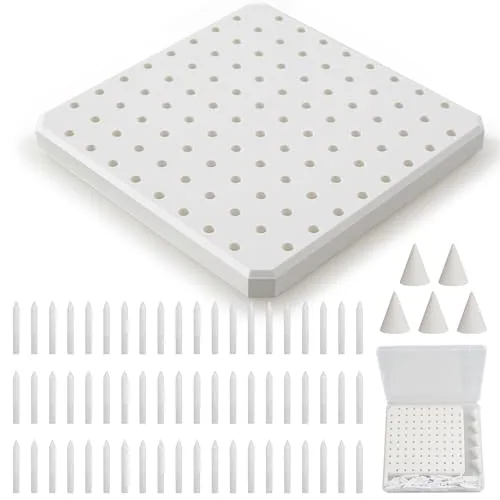
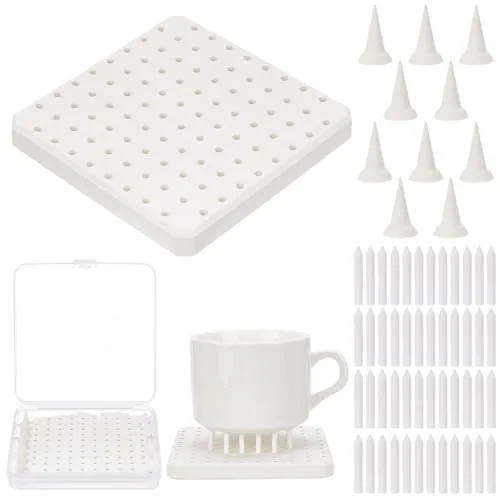
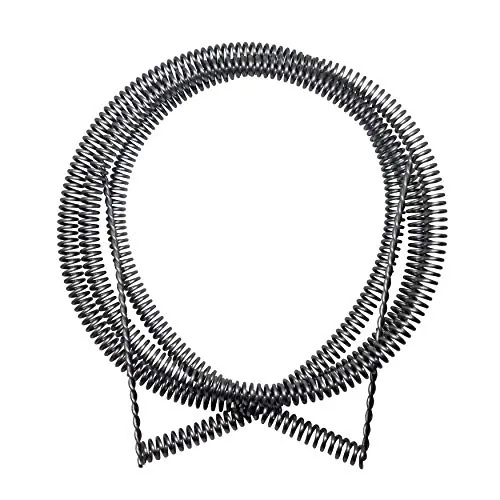
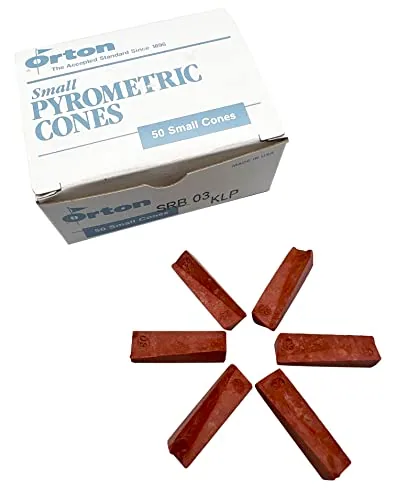
Around them sit the consumables: cordierite-mullite shelves, high-alumina posts, stilts, kiln wash, Orton cones, a thermocouple and replacement elements.
Three specs decide almost everything, and you should check each one against the cone your clay and glaze need.
| Product | Voltage | Power | Watts | Max temperature | Interior size |
|---|---|---|---|---|---|
| Paragon Xpress Q11A 120V Kiln | 120v | 12amp | — | 2350 F | 6" W x 6" D x 6 1/4" H |
| Paragon Xpress E12A 120V Kiln | 120v | 15amp | — | 2000 F | 8 1/2" W x 12" D x 6 3/4" H |
| Paragon SC2 120V Digital Kiln, Sentinel Touch | 120V | 14A / 1680W | — | — | — |
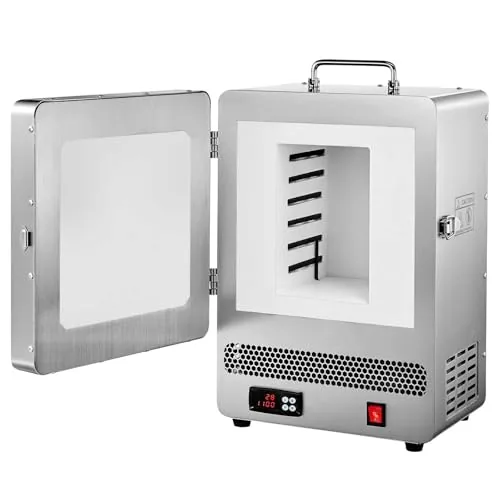
| VEVOR 1650W Programmable Melting Furnace, 2192°F | — | — | 1650W | 2192℉/1200℃ | 8 x 5 x 6 inch / 203 x 127 x 152mm |
Specs as listed by the maker or seller; check the listing before you buy.
 Best of
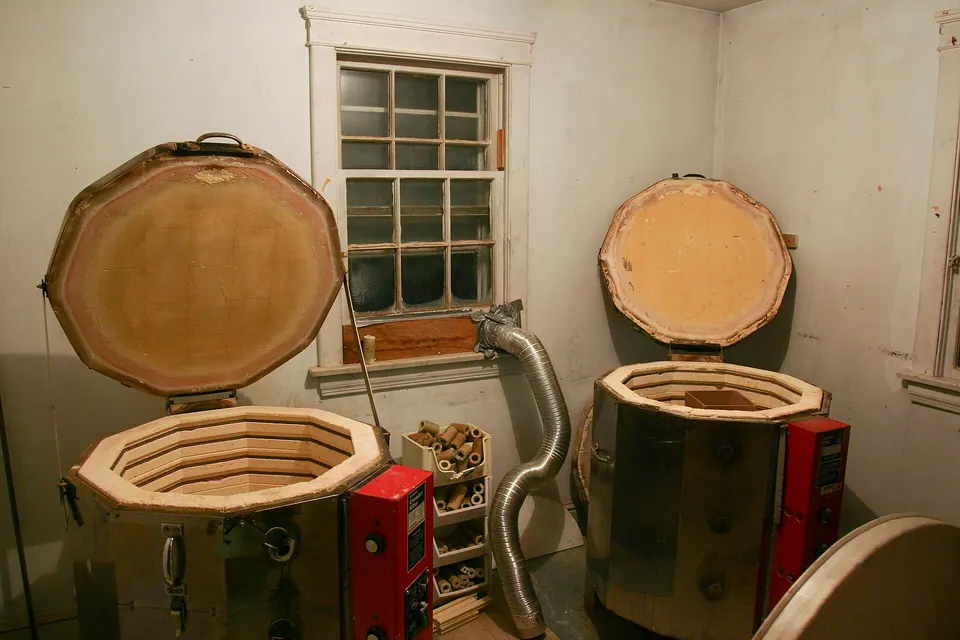
The best kiln for home pottery depends on your circuit and cone: Skutt and Paragon kilns compared by volts, amps and…
 Best of
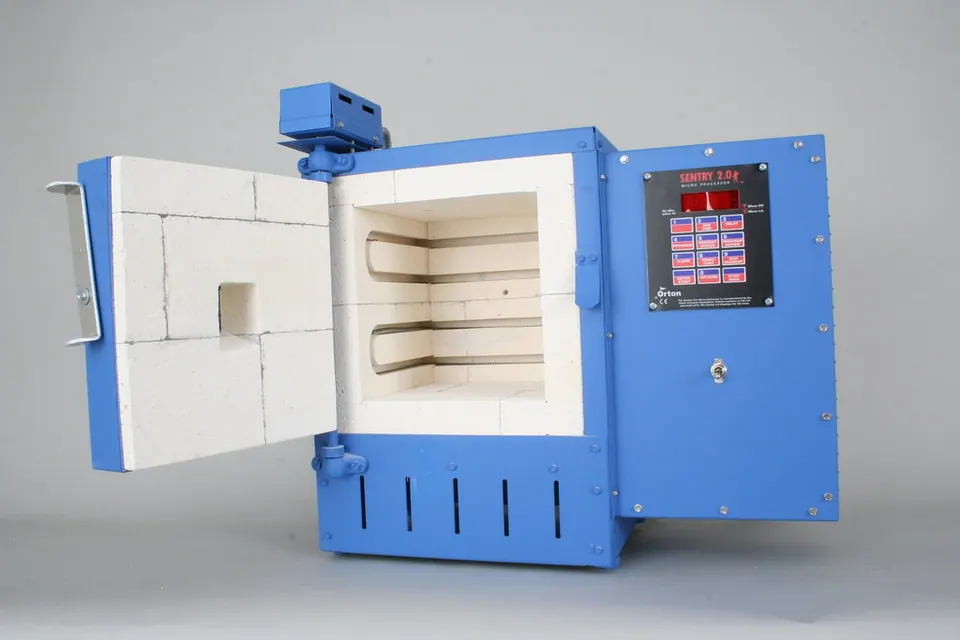
The best 120V kiln for you depends on cone and amps: Paragon and Skutt plug-in kilns compared by listed specs, plus…
 Best of
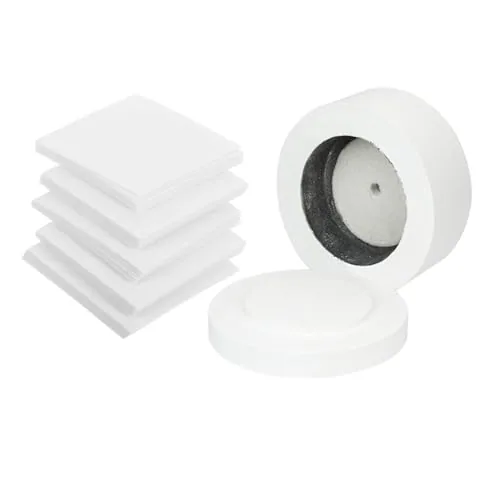
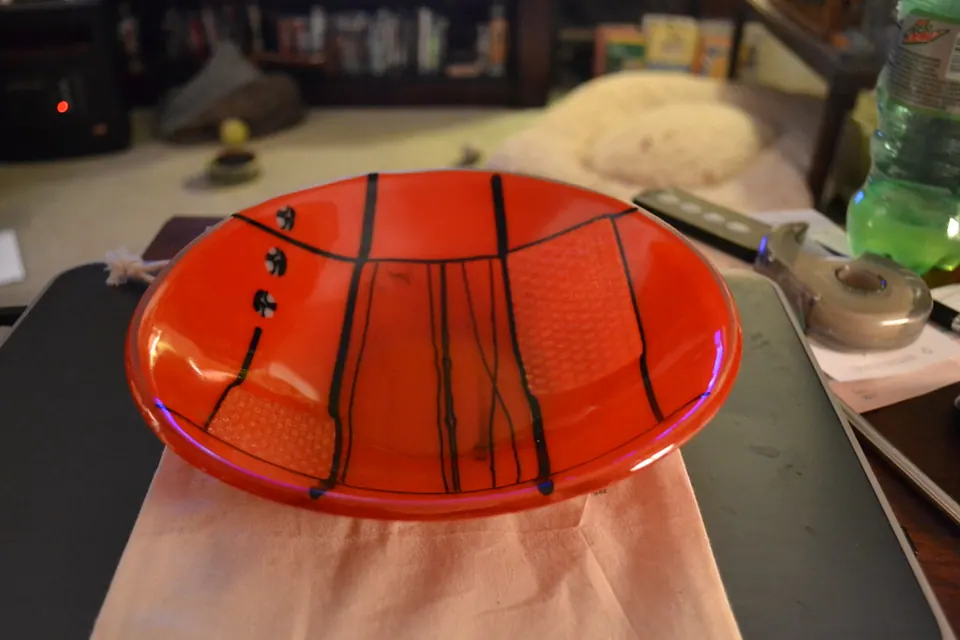
Pick a glass fusing kiln by shelf size and controller: Skutt Firebox, Paragon SC2 and Fuseworks electric kilns, plus…
 Best of
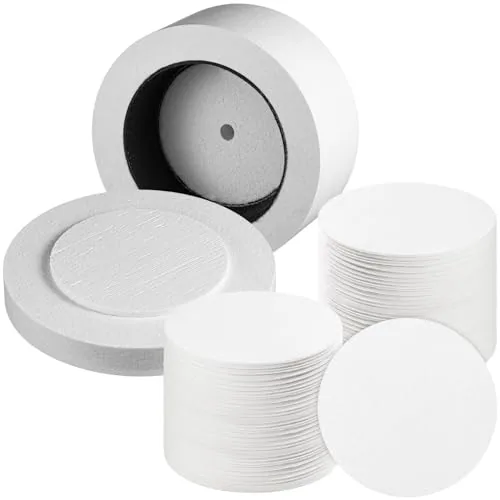
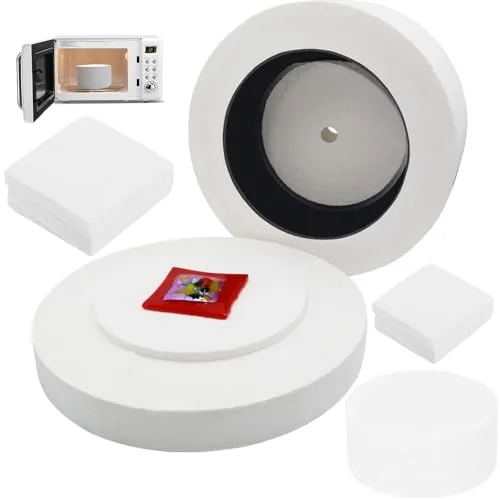
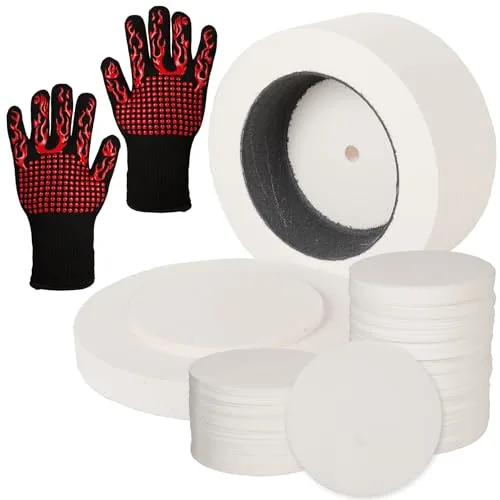
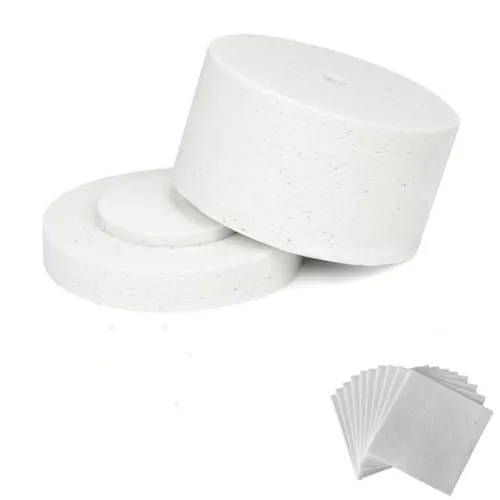
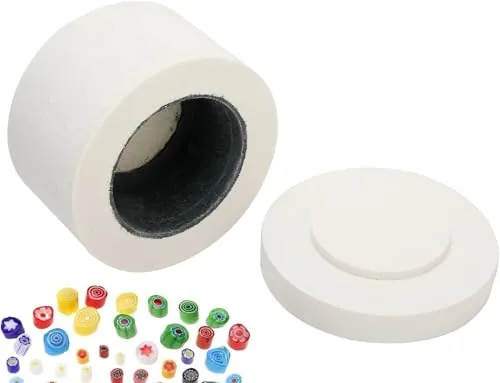
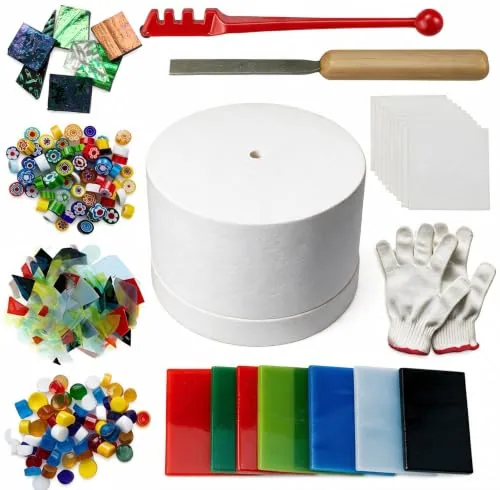
A microwave kiln fuses glass pendants and earrings in a home microwave. Compare WICAND, Fuseworks, Tujoe and more by…
 Best of
The best clay for pottery wheel work matches your kiln's cone: mid-fire stoneware from Rocky Mountain Clay, AMACO and…
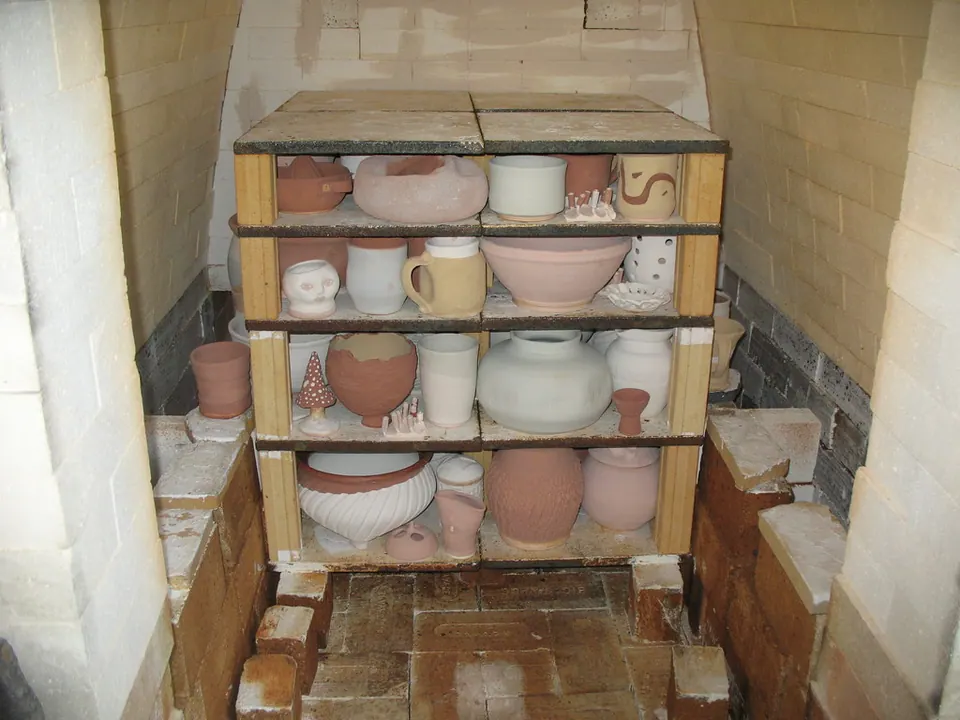 Best of
The best kiln shelves and furniture must be rated above your firing cone and fit your kiln. Compare 8 shelves, posts…