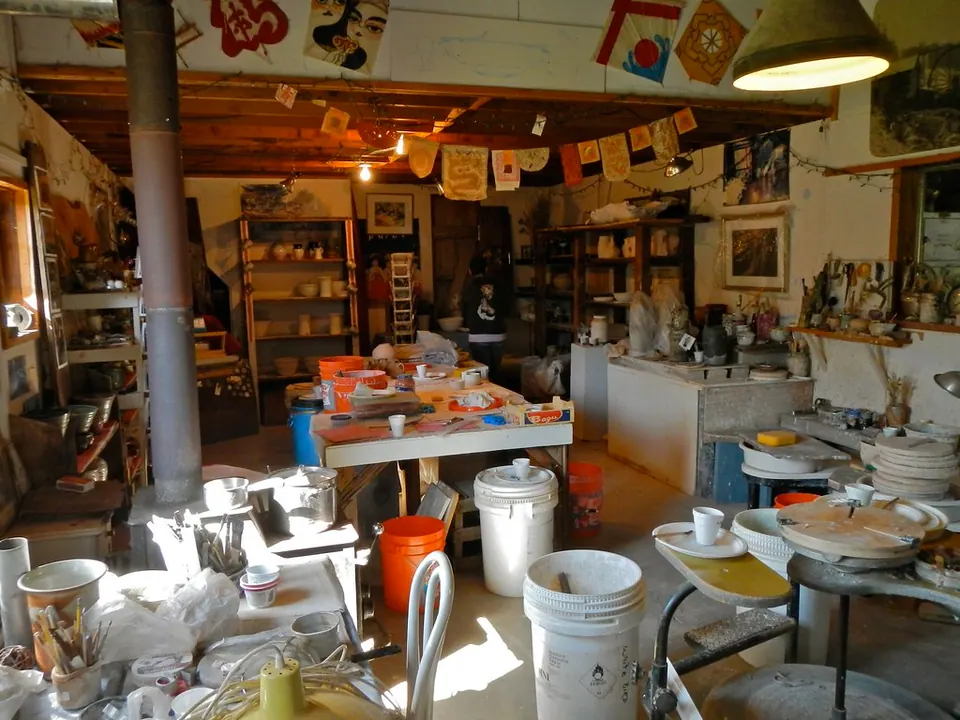
- Clay and many glaze materials contain crystalline silica. OSHA's workplace limit for the respirable dust is 50 µg/m³ averaged over 8 hours, with an action level of 25 µg/m³.
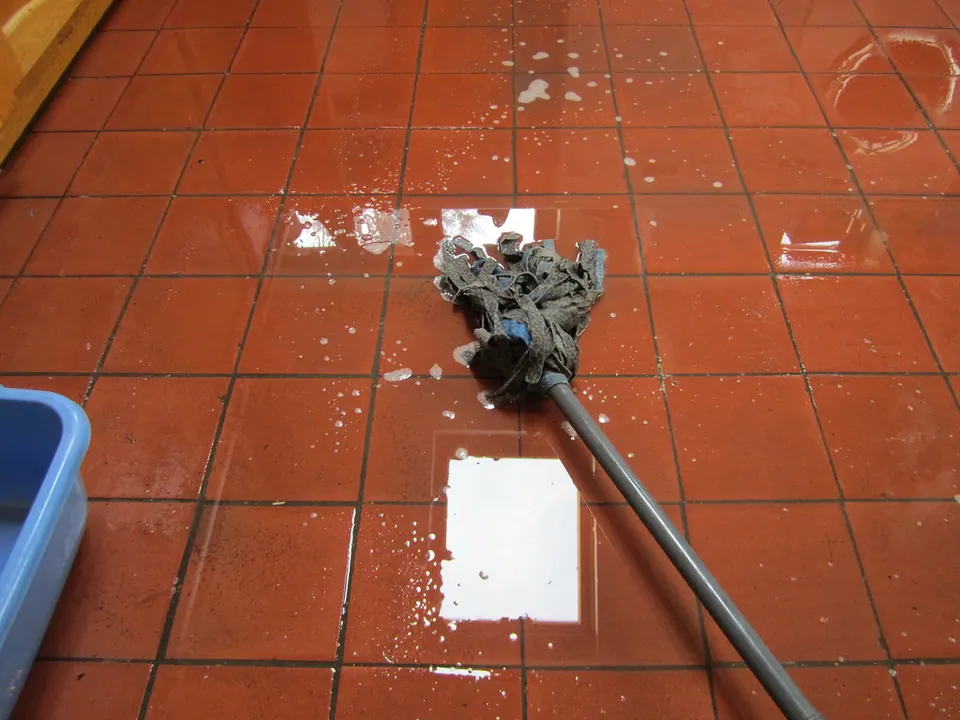
- Clean up wet, never dry sweep. Damp sponges, wet mops and soaking dried slop keep dust out of the air. Sweeping and blowing put it back.
- For dusty jobs, such as mixing dry glaze or sanding greenware, wear a NIOSH-approved respirator. P100 filters are the highest particulate class.
- Vent the kiln and keep it in a room you are not sleeping or working in during firing. Follow the maker's clearance and electrical instructions, and have a licensed electrician confirm the circuit.
- Keep food, drink and kids' snacks out of the studio, and label every glaze and chemical.
Pottery studio safety is mostly about habits rather than expensive gear. The biggest hazard in a home studio is fine dust from dry clay and glaze materials, which contain crystalline silica. The second is the kiln: it gets very hot, draws a lot of power and gives off fumes while it fires.
This guide covers what the official sources say about silica dust, how to clean so you do not make dust in the first place, how to choose a respirator, how to ventilate a kiln and how to handle glazes. It is general information, not medical or legal advice. If you have a health condition or concerns about exposure, talk to a doctor.
Why is clay dust a hazard?
Clay bodies and many glaze ingredients, including flint, feldspar and some frits, contain crystalline silica. When clay dries and is crushed, sanded, swept or scraped, it can release fine respirable particles that hang in the air. OSHA regulates respirable crystalline silica in workplaces and describes it as a lung hazard.
OSHA limits for respirable crystalline silica
8-hour time-weighted average, micrograms per cubic meter of air
These are workplace rules, not limits written for hobbyists. They are still the best public yardstick for how seriously regulators treat silica dust. You cannot see particles that small, so a studio can look clean and still have dust in the air. The practical answer is to stop dust from forming and to clean in ways that keep it down.
OSHA's small-entity compliance guide lists the main controls used in workplaces: wet methods, local exhaust ventilation, good housekeeping that avoids dry sweeping and compressed air, and respirators where the other controls are not enough. Those same ideas scale down to a home studio.
How to keep dust down: wet cleaning, never dry sweep
The single most useful habit is to clean while clay is still wet, and to clean wet when it is not. NIOSH's engineering-controls work on ceramics and OSHA's housekeeping rules point the same way: avoid dry sweeping and blowing dust around.
- Wipe as you work
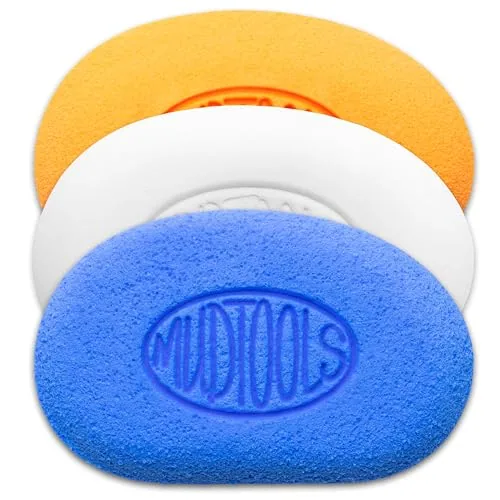
Keep a bucket of water and a sponge at the wheel and bench. Wipe up slop and trimmings before they dry to dust on the table, the splash pan or the floor.
- Mop the floor wet
Use a damp mop or wet rag at the end of each session. Rinse the mop head often so you are not spreading a thin clay film around. A sealed concrete, vinyl or tile floor is far easier to keep clean than carpet.
- Soak dried slop before scraping
If slip has dried on a bat, bench or splash pan, wet it and let it soften before you scrape. Dry scraping and sanding are the dustiest jobs in pottery.
- Trim and sand greenware damp
Trim at leather-hard instead of sanding bone-dry pieces. If you must refine bone-dry work, use a damp sponge rather than sandpaper, and do it over a damp towel.
- Use a HEPA vacuum, not a shop vac
Ordinary vacuums blow fine dust out the exhaust. If you vacuum, use one with a true HEPA filter rated for fine dust. Our catalogue does not list a HEPA vacuum yet, so check the vacuum maker's filter rating before you buy.
- Launder studio clothes separately
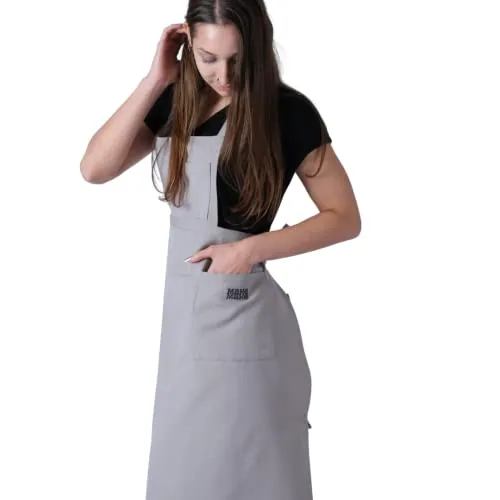
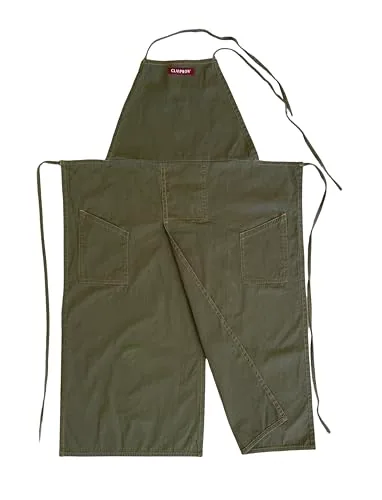
Clay-covered aprons and clothes carry dust into the house. Wear a washable apron that you leave in the studio and wash it on its own.
Do air purifiers help?
A HEPA air purifier can capture some fine particles that are already in the air, which makes it a reasonable extra in a small room. It does not replace wet cleaning or a respirator, because it cannot keep up with a burst of dust from mixing glaze or scraping a bench. Treat it as a backup.
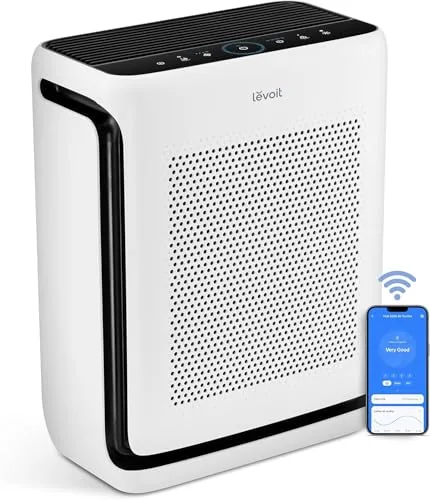
LEVOIT Vital 200S-P Smart HEPA Air Purifier
- Size
- 15.6"D x 8.5"W x 19.8"H
- Room size
- Up to 1875 ft²
- CADR
- Smoke 250 CFM
Best for Ongoing airborne dust in a home studio
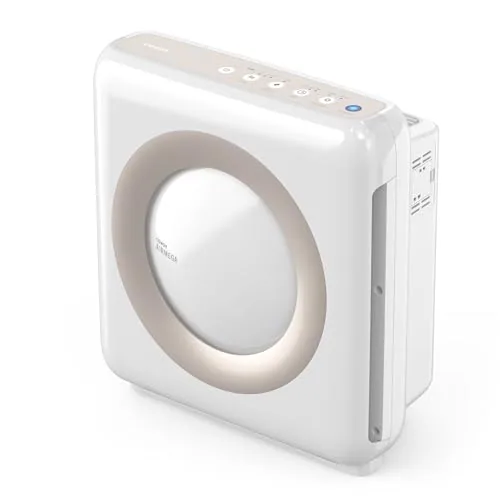
Coway Mighty AP-1512HH HEPA Air Purifier
- Filter rating
- HEPA, 99.97% of 0.3 micron
- Size
- 16.8 x 18.3 x 9.7
- Room size
- Up to 1,748 ft² (in 60 min)
Best for Living spaces shared with a studio
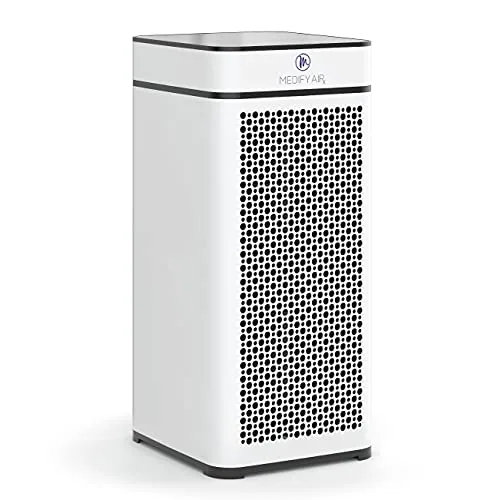
Medify MA-40 H13 HEPA Air Purifier
- Filter rating
- HEPA H13
- Room size
- 1,793 ft² in 1 hr
- CADR
- 406
Best for Larger rooms with ongoing dust
Which respirator should a potter wear?
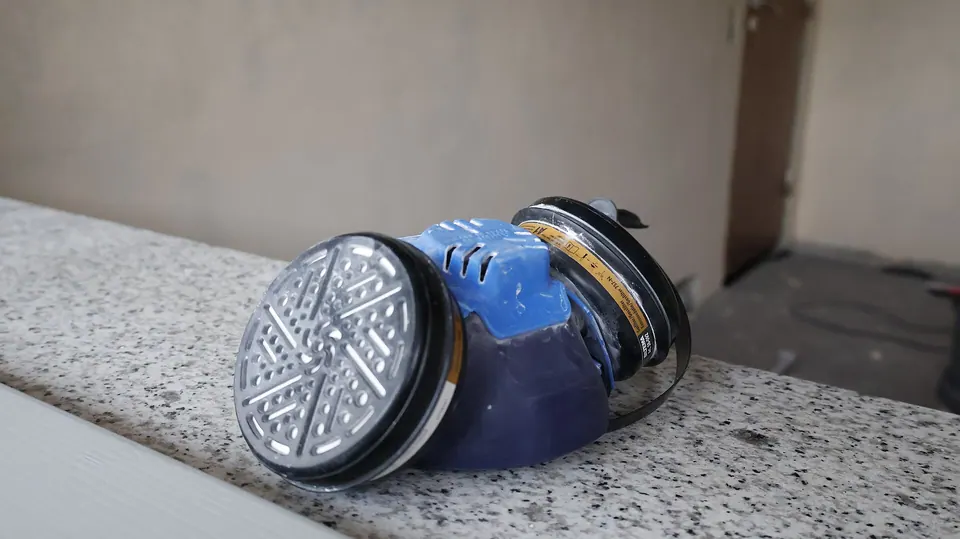
Wear a respirator for the dusty jobs: weighing and mixing dry glaze materials, mixing dry clay, sanding, scraping dried slop and cleaning out the kiln. Look for NIOSH approval on the mask or filter itself. NIOSH's NPPTL program lists approved respirators and explains the filter classes.
NIOSH particulate filter classes
| Class | Minimum efficiency | Oil resistance | Typical pottery use |
|---|---|---|---|
| N95 | 95% | ✗ Not oil resistant | Short, light dust tasks |
| N99 / N100 | 99% / 99.97% | ✗ Not oil resistant | Dust tasks; less common in stores |
| R95 | 95% | ~ Somewhat oil resistant | Rarely needed in pottery |
| P95 | 95% | ✓ Oil proof | Dust tasks |
| P100 | 99.97% | ✓ Oil proof | Mixing glaze, scraping, kiln cleaning |
Source: NIOSH NPPTL, respirator approvals (42 CFR Part 84)
Most potters choose a reusable half-mask with P100 filters. It seals better than most disposables and the filters are easy to replace. Disposable N95 respirators are fine for short jobs if they fit well. Fit matters as much as the filter: a mask that leaks around the nose or a beard does not protect you.
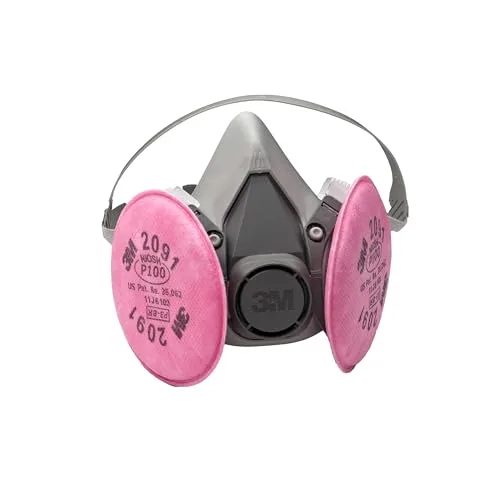
3M 6291 Half Mask Kit w/ P100 Filters, Medium
- Filter rating
- P100
- Size
- Medium
- Includes
- Half facepiece + 2091 P100 filters
Best for A first respirator for dusty tasks
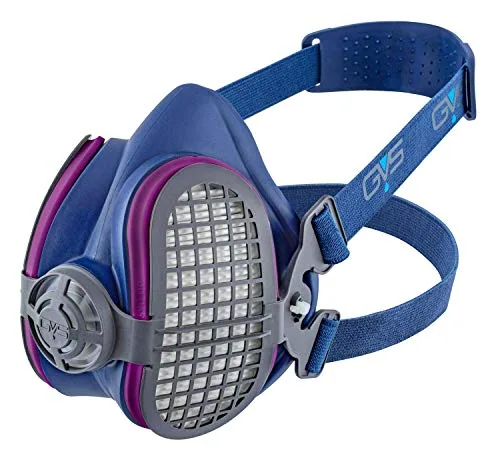
GVS Elipse P100 Dust Half Mask, S/M
- Filter rating
- P100
- Size
- Small-Medium
- Filters
- Replaceable, included
Best for A compact reusable dust mask
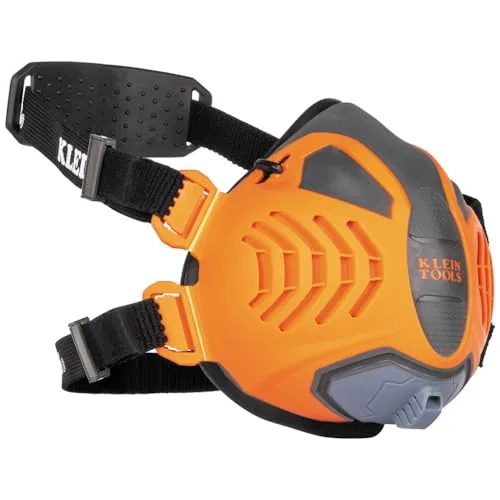
Klein Tools 60552 P100 Half-Mask Respirator, M/L
- Filter rating
- P100
- Size
- M/L
- Filters
- Replaceable
Best for A low-profile reusable mask
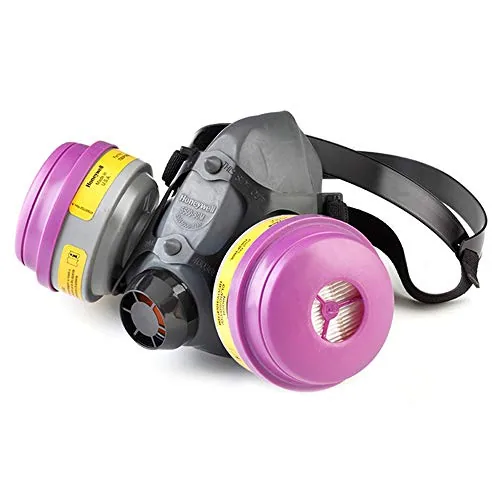
Honeywell Reusable Half Mask MC/P100, Large
- Filter rating
- MC/P100
- Size
- Large
- Includes
- 2 multi-contaminant P100 cartridge/filters
Best for A ready-to-wear reusable mask
| Product | Filter rating | Size | Filters |
|---|---|---|---|
| 3M 6291 Half Mask Kit w/ P100 Filters, Medium | P100 | Medium | — |
| GVS Elipse P100 Dust Half Mask, S/M | P100 | Small-Medium | Replaceable, included |
| Klein Tools 60552 P100 Half-Mask Respirator, M/L | P100 | M/L | Replaceable |
| Honeywell Reusable Half Mask MC/P100, Large | MC/P100 | Large | — |
| 3M 8511 N95 Respirators w/ Valve, 10-Pack | N95 | — | — |
Specs as listed by the maker or seller; check the listing before you buy.
- Do a seal check every time you put the mask on, following the maker's instructions.
- Replace particulate filters when breathing gets harder or the filter is damaged or dirty.
- A cloth or surgical mask is not a respirator and is not rated for fine dust.
- Cartridges for vapors (such as the multi-contaminant type) are only needed if you work with solvents or other vapor sources. For clay and glaze dust, particulate filters are what count.
For a full ranking, read the best respirators for pottery and silica dust.
Kiln safety: ventilation, heat and electrics
An electric kiln reaches stoneware temperatures: Orton lists cone 6 at 2,232 °F at the medium heating rate. During a firing, clay and glazes burn off organic matter and release gases and fumes. The outside of the kiln also gets hot enough to burn skin and scorch nearby materials.
- Put the kiln in the right room
Install it in a garage, basement or studio room with a hard, non-combustible floor, not in a bedroom, kitchen or living space. Keep the room free of stored paper, solvents and fabric while it fires.
- Follow the maker's clearances
Each kiln maker publishes minimum distances to walls and other objects. Skutt's installation pages, for example, cover placement, clearance and electrical requirements. Use the numbers in your kiln's manual, not a generic figure.
- Vent the fumes outdoors
A downdraft vent such as the Skutt EnviroVent pulls small amounts of air through the kiln and exhausts fumes outside through a duct. Its manual describes installation and use. At minimum, fire with good room ventilation and keep people and pets out of the room.
- Have a licensed electrician confirm the circuit
Kilns are continuous loads. Under the NEC logic kiln makers cite, a circuit should be sized for 125% of the kiln's draw, so a load should stay within 80% of the breaker rating. A 120V kiln drawing 15 amps exceeds 80% of a 15-amp circuit. Never do the wiring yourself; have a licensed electrician check it.
- Protect your hands and body when unloading
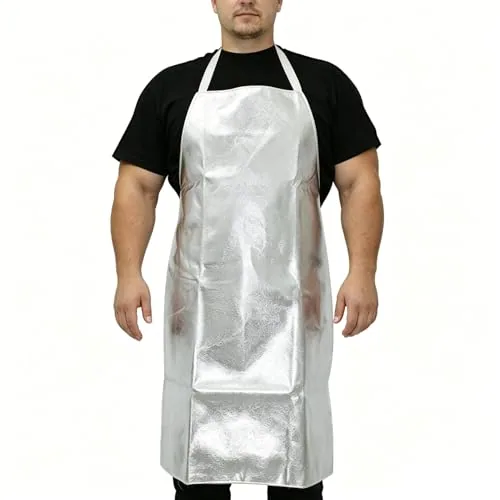
Wait until the kiln has cooled to the temperature the maker recommends before opening it. Wear heat-resistant gloves and consider an aluminized apron for loading and unloading a warm kiln.
- Never leave a firing unattended for long
Check the kiln at the expected end of the firing and make sure it has shut off. Keep a fire extinguisher rated for electrical fires nearby.
Budget tabletop "kilns" listed at 2,192 °F max are jewelry and metal-clay furnaces. They cannot reach cone 6 at a medium heating rate (2,232 °F), and they need the same care around heat and fumes. For the electrical details, read kiln electrical requirements.
Glaze and chemical safety
Commercial liquid glazes are much less dusty than mixing glazes from dry powders, but the ingredients can still include metal oxides and other materials you should not eat or breathe. Treat every glaze as a chemical.
- Read the label and safety data sheet for each glaze. Many art materials carry the ACMI AP seal or a caution label; see ACMI for what those labels mean.
- Wear a respirator when weighing or mixing dry materials, and mix them in a bucket with a lid, with the powder added to water slowly.
- Wear gloves if your skin is sensitive or if you work with colorants and oxides.
- Do not eat, drink or smoke in the studio. Keep mugs of coffee and kids' snacks somewhere else.
- Label every bucket and jar, and store glazes out of reach of children and pets.
- Clean glaze spills with a damp sponge, not a dry brush.
For more on dinnerware, see the best food-safe glazes and the food-safe pottery hub.
Wheel, tool and sink safety
Not every hazard is about dust and heat. A few everyday habits prevent most other studio accidents.
- Tie back long hair, remove dangling jewelry and keep loose sleeves away from the wheel head.
- Keep pottery wheels and other electrics away from standing water, and plug them into a GFCI-protected outlet where your electrician recommends one.
- Store needle tools, fettling knives and cutting wires with the points covered.
- Lift 25 lb and 50 lb boxes of clay with your legs, and store them low.
- Do not rinse clay or glaze down the sink. A sediment trap or settling bucket protects your plumbing and keeps glaze materials out of the drain.
- Kids should use the wheel and tools with an adult nearby, and should stay out of the kiln room entirely.
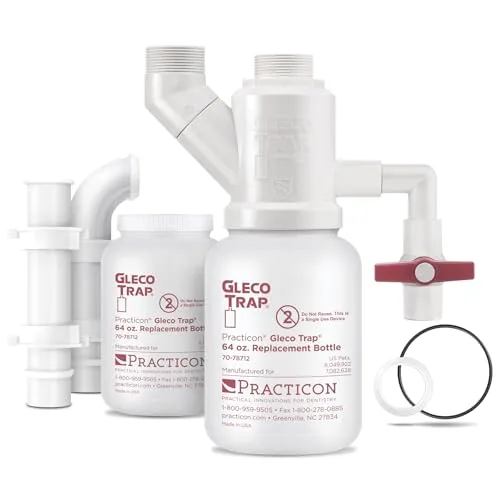
Gleco Clay & Plaster Sink Trap Kit, 64 oz
- Capacity
- 64 oz
- Type
- Under-sink sediment trap
Best for Rinsing clay in a home sink
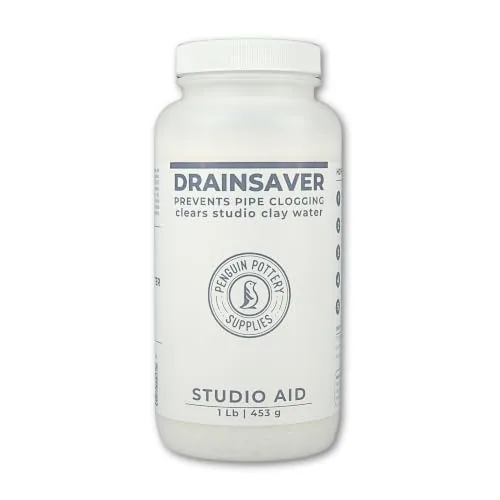
Penguin Pottery DrainSaver Clay Settler, 1 lb
- Size
- 1 lb
- Dose
- 1 tsp per 1.5 gallons
- Settling time
- About 40 minutes
Best for Bucket rinsing without a sink trap
For a small-space setup, read pottery in an apartment. To plan a full studio, see how to set up a home pottery studio and browse studio setup and safety.
Common pottery studio safety mistakes
- Sweeping the floor. It feels like cleaning but puts dust in the air. Mop wet instead.
- Letting slop dry on the bench. Every dried splash becomes dust later.
- Wearing a loose or unrated mask. A cloth mask or a poorly fitted respirator does little against fine dust.
- Firing in a living space. Put the kiln where nobody sleeps, cooks or works during a firing, and vent it.
- Guessing the circuit. A kiln that trips a breaker or warms a cord is a warning. Have a licensed electrician confirm the circuit before the first firing.
- Eating in the studio. Hands, mugs and food pick up clay and glaze residue.
- Assuming a glaze is food-safe. Only the maker's statement plus correct firing gets you close; testing is the only proof.
Questions
Is clay dust dangerous?
What is the best way to clean a pottery studio?
What respirator do I need for pottery?
Do you need a vent for a kiln?
Can I put a kiln in my garage?
What are the pottery studio safety rules for kids?
Sources
- OSHA: Crystalline silica
- OSHA: Small entity compliance guide for respirable crystalline silica (general industry)
- NIOSH: Engineering controls database, ceramics
- NIOSH: National Personal Protective Technology Laboratory (respirator approvals)
- Skutt: Kiln installation
- Skutt: EnviroVent 2 manual
- Orton Ceramic Foundation: Pyrometric cones
- FDA: Questions and answers on lead-glazed traditional pottery
- ACMI: Art and creative materials labeling