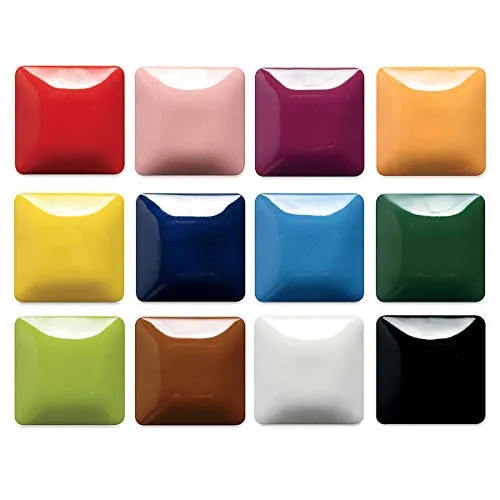
Mayco
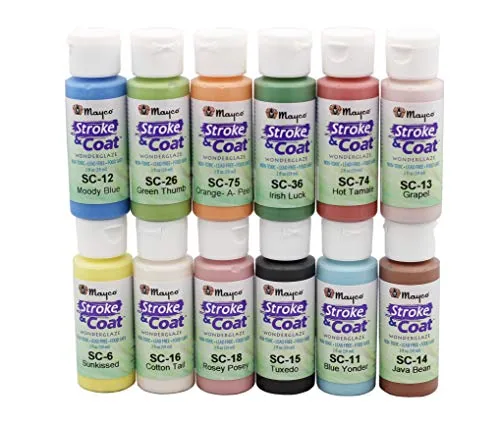
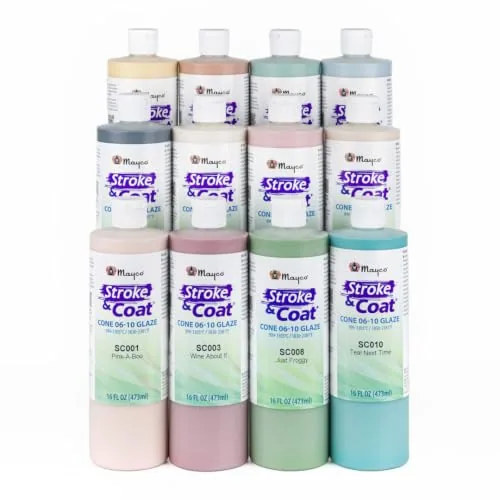
Mayco Stroke & Coat Glaze Kit #1, 12 x 2 oz
- Size
- 2 Fl Oz bottles
- Count
- 12
- Finish
- Gloss without clear glaze
Best for A first glaze palette for home or class
A food-safe pottery glaze is one the maker states is suitable for dinnerware when applied and fired as directed. That wording matters. The glaze in the jar is not safe or unsafe by itself; the finished, correctly fired pot is what counts.
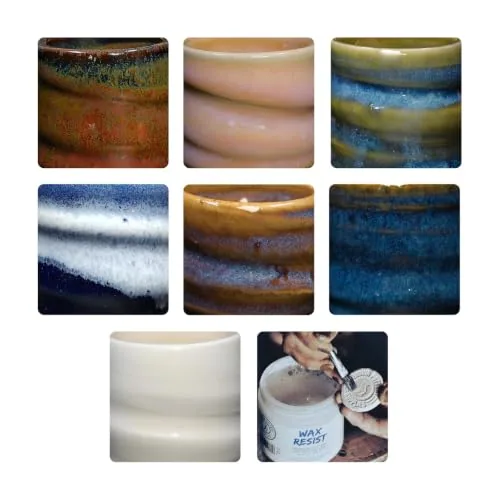
Every product here has a written food-use statement in its listing, such as Mayco Stroke & Coat ("food-safe and dinnerware-safe when fired according to manufacturer directions"), Penguin Pottery cone 5–6 glazes ("suitable for surfaces that come into contact with food or drink when fired to the specified cone") and Sax gloss glazes ("dinnerware suitable when fired to cone 06–05").
Best for A first glaze palette for home or class
Best for Beginners painting pottery
Best for Trying mid-fire glazes
Best for School art rooms
Best for Painted decoration on functional ware
Best for Painted decoration
Best for Studios and heavy users of Stroke & Coat
Best for Carved or textured stoneware
Fire to the cone on the label, on a clay body made for that range. Penguin's cone 5–6 is about 2,167–2,232 °F; see the cone chart.
A cone in each firing shows whether the glaze matured. Under-fired glaze is a common cause of problems.
Layering two glazes or mixing a decorative glaze with a liner creates a new, untested surface.
Keep the food surface to one glaze with a food-use statement; put crystal, raku or "not for dinnerware" glazes on outside surfaces only.
If you sell mugs or plates, consider lab leach testing for lead and cadmium.
Compare stated food-safe options in best food-safe glazes, AMACO vs Mayco and underglaze vs glaze. For defects that affect function, see glaze defects; for the whole process, how to glaze pottery. All glazes live in the glazes category; if you plan to sell, see selling your pottery.
 Best of
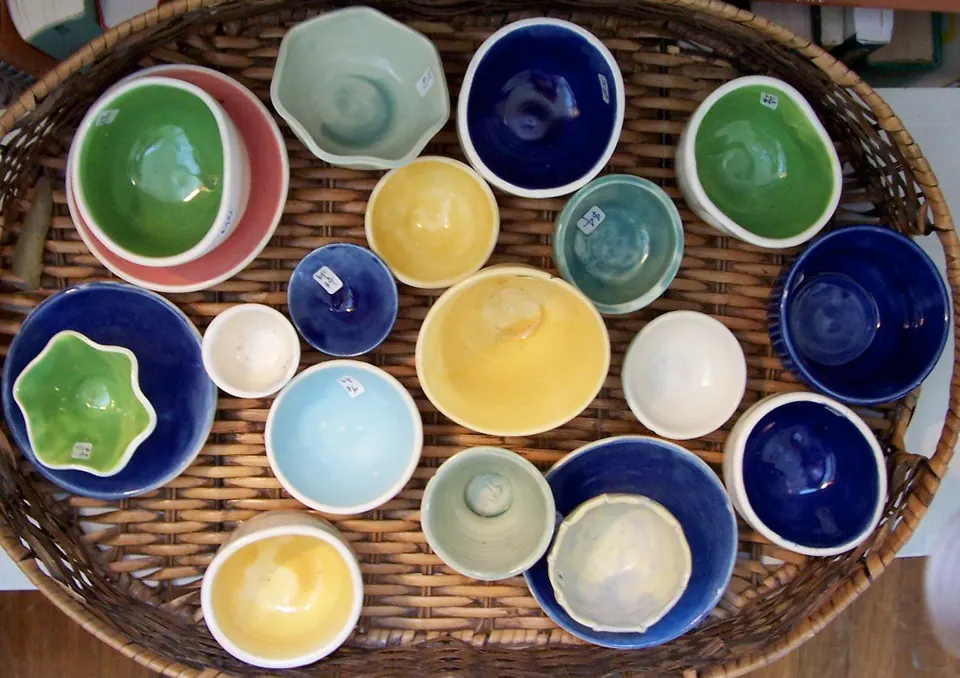
The best glazes for beginners match your kiln's cone: Mayco, Penguin Pottery, Sax, AMACO and Pasler sets compared by…
 Best of
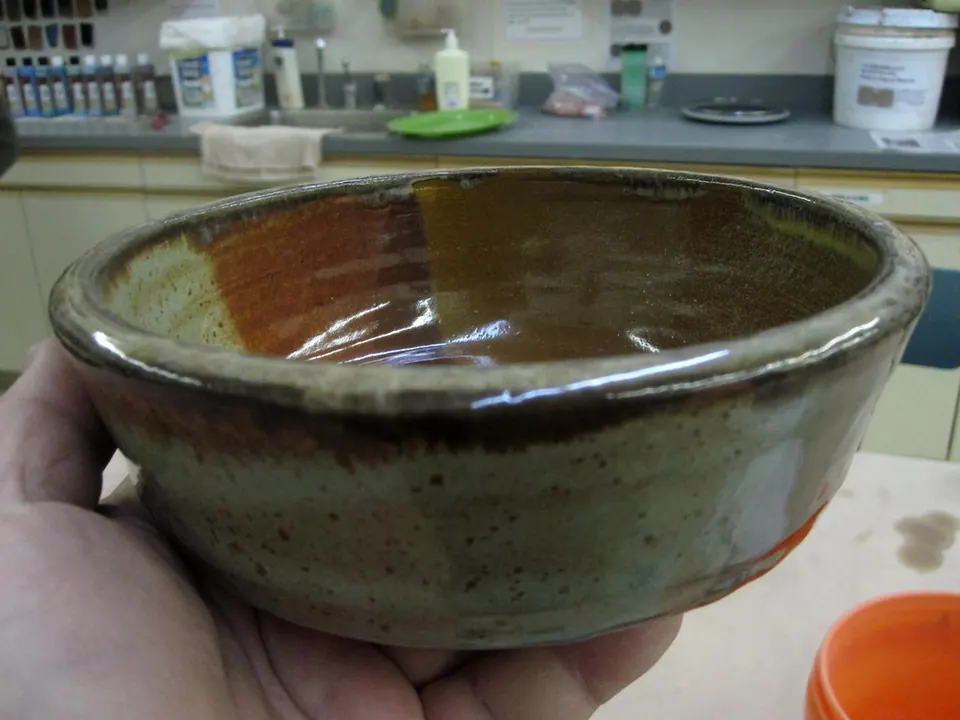
The best food-safe glaze is one the maker says is dinnerware-safe when fired as directed: Penguin Pottery, Mayco, Sax,…
 Best of
The best underglaze for your work depends on firing range, opacity and format. Compare 8 underglazes from 5 brands by…
 Best of
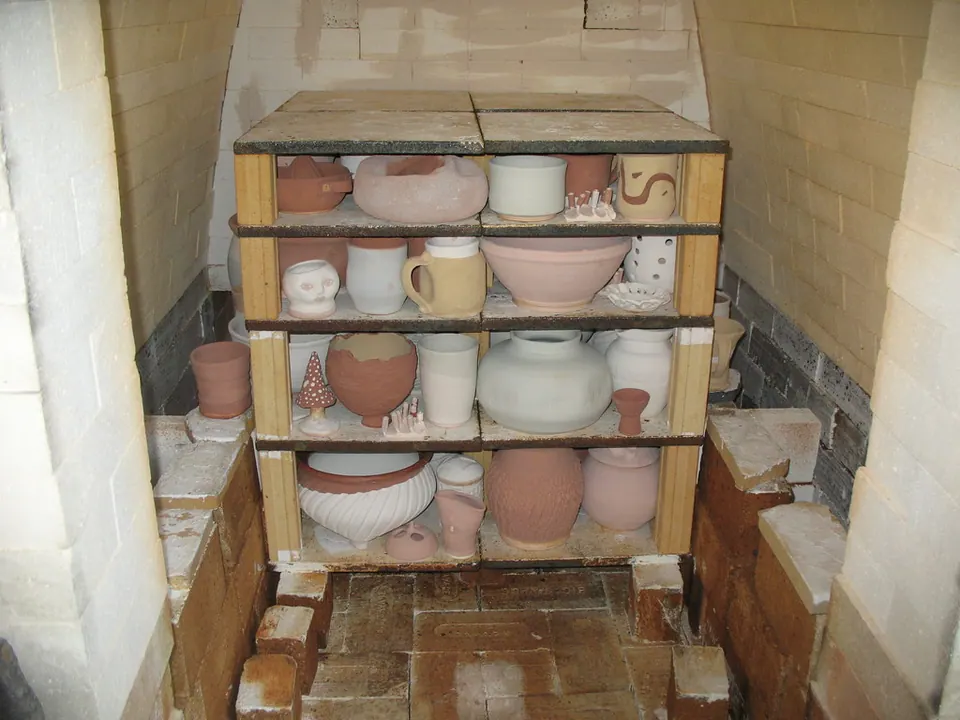
The best kiln shelves and furniture must be rated above your firing cone and fit your kiln. Compare 8 shelves, posts…
 Versus
AMACO vs Mayco glazes compared line by line: Potter's Choice, Velvet and Teacher's Palette vs Stroke & Coat, Stoneware…
 Versus
Stoneware vs earthenware vs porcelain: firing cones, strength, porosity, workability on the wheel and which kiln each…