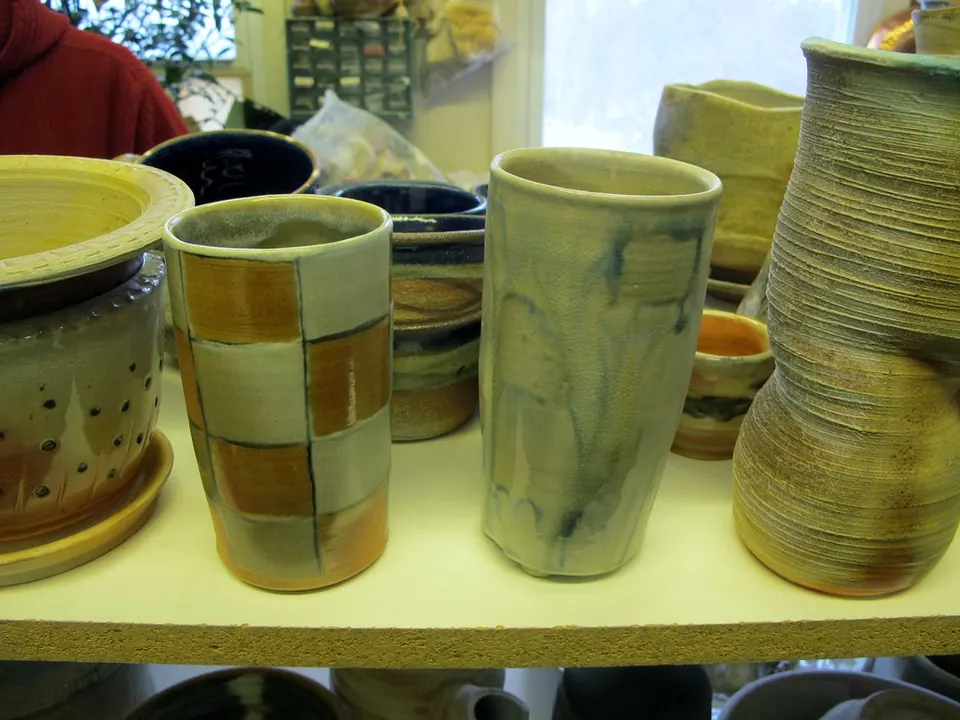
- AMACO vs Mayco glazes is less about which brand is better and more about which product line suits your kiln and your pots.
- Firing cone 5–6 and want layered, reduction-style surfaces? AMACO Potter's Choice (PC) or Mayco Stoneware (SW). Both are listed for cone 5–6, and Mayco's kit adds cone 9–10.
- Painting designs, teaching kids or firing low? Mayco Stroke & Coat goes on wet clay, greenware or bisque and fires glossy without a clear coat. AMACO Teacher's Palette is a one-step cone 05 classroom gloss.
- Food use: Mayco lists Stroke & Coat as food-safe and dinnerware-safe when fired as directed. AMACO's Velvet underglaze listing says not for food contact unless covered with a glaze tested for lead and cadmium release.
AMACO vs Mayco glazes comes up as soon as you start buying glaze instead of using a studio's buckets. Both American companies sell full ranges, from classroom low-fire colors to cone 6 layering glazes and underglazes, and both are stocked by almost every pottery supplier.
The useful comparison is line against line, because a cone 05 classroom glaze and a cone 6 layering glaze have nothing in common except the brand. Below we map every AMACO and Mayco item in our catalogue by firing range and use, show what each listing says about food contact, and suggest a starting set for each kind of potter. All specs are quoted as listed. Where a listing leaves out the cone, we say so.
AMACO
Layerable cone 5–6 Potter's Choice, classroom Teacher's Palette, and a deep underglaze range
BrowseMayco
Stroke & Coat sets listed as dinnerware-safe, plus Stoneware, Foundations and Fundamentals
BrowsePicks from each side
AMACO
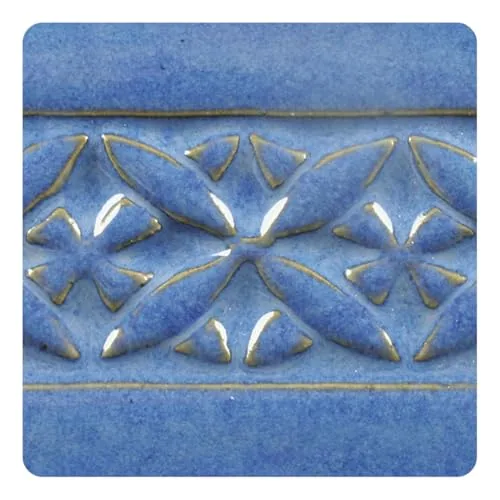
AMACO Potter's Choice PC-23 Indigo Float, Pint
- Firing range
- Mid-High Fire Cone 5-6
- Size
- 16 oz. (473 mL)
- Color
- Cobalt Blue
Best for Mid-fire layering
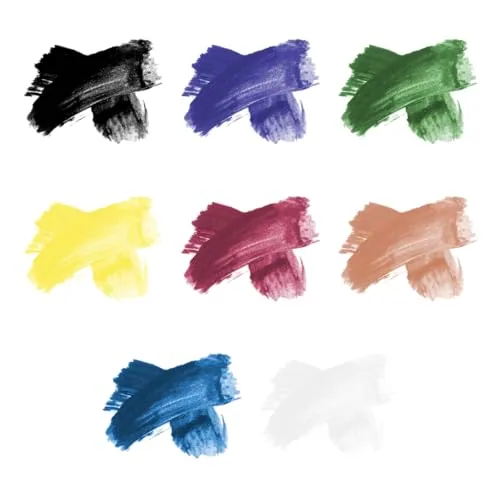
AMACO Semi-Moist Underglaze Set No. 1, 8 Colors
- Firing range
- Cone 05-6
- Count
- 8
- Format
- Watercolor-like pans
Best for Painting fine detail
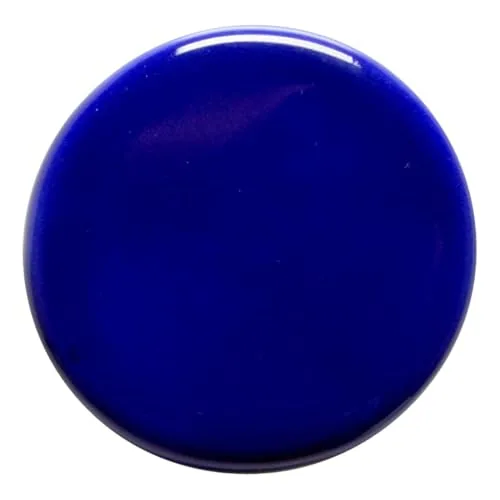
AMACO Teacher's Palette TP-21 Midnight Blue, Pint
- Firing range
- Low Fire Cone 05
- Size
- 16 oz. (473 mL)
- Finish
- Opaque gloss
Best for Classrooms
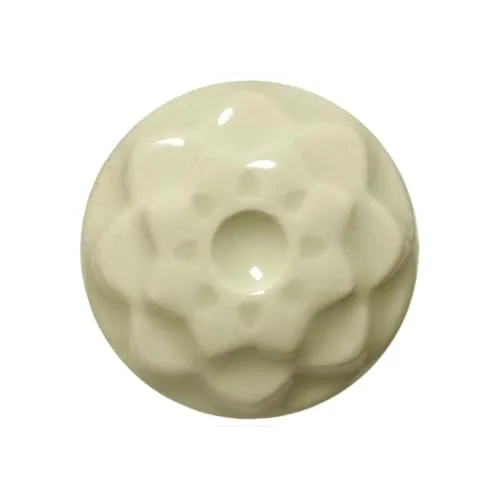
AMACO Celadon C-11 Mixing Clear, Pint
- Firing range
- Cone 5-6
- Size
- 16 oz. (473 mL)
- Finish
- Transparent gloss, zinc-free
Best for Clear over underglaze at cone 6
Mayco
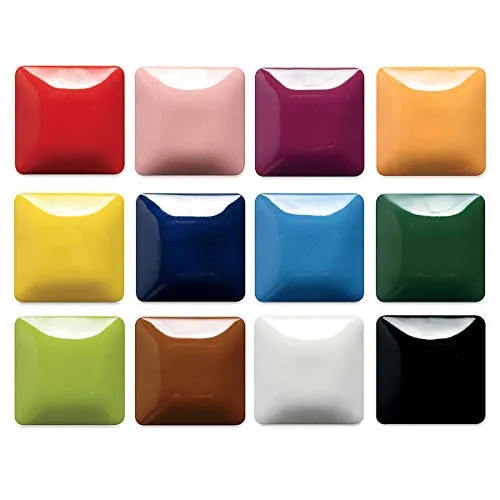
Mayco Stroke & Coat Glaze Kit #1, 12 x 2 oz
- Size
- 2 Fl Oz bottles
- Count
- 12
- Finish
- Gloss without clear glaze
Best for A first glaze palette for home or class
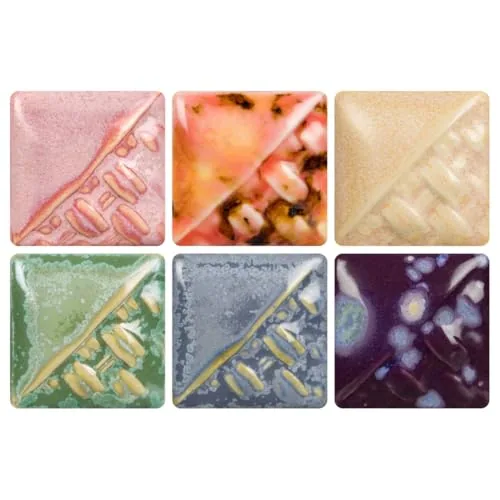
Mayco Stoneware Glaze Kit #4, 6 Pints
- Firing range
- Cone 5/6-10
- Size
- 16 oz. (473 mL) jars
- Count
- 6
Best for Cone 6 potters building a palette

Mayco Foundations FN-001 White Opaque Gloss, Pint
- Firing range
- Cone 06/05-6
- Size
- 16 oz. (473 mL)
- Finish
- High-gloss opaque
Best for A basic white for many projects
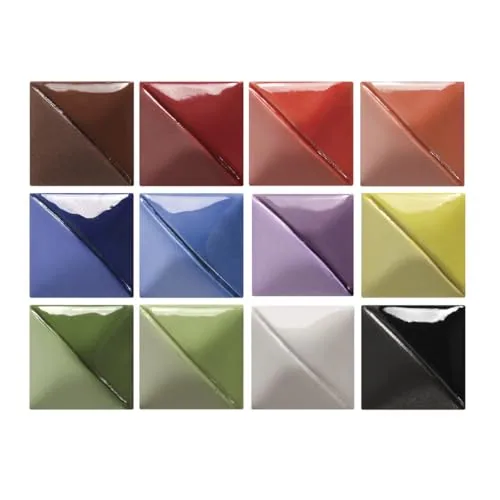
Mayco Fundamentals Underglaze Class Pack, 12 Pints
- Firing range
- Cone 06-10
- Size
- Pint
- Count
- Set of 12
Best for Classrooms and group studios
AMACO vs Mayco glazes: line by line
The main product lines in our catalogue
| Line | Brand | Listed cone | What it is for |
|---|---|---|---|
| Potter's Choice (PC) | AMACO | Cone 5–6 | Layerable glazes fired in oxidation for cone 10 reduction-style effects |
| Celadon (C-11 Mixing Clear) | AMACO | Cone 5–6 | Zinc-free clear gloss; works over most underglazes |
| Teacher's Palette (TP) | AMACO | Cone 05 | One-step classroom gloss, same color in the jar as fired |
| Semi-Moist Underglaze (SMUG) | AMACO | Cone 05–6 | Watercolor-style pans for fine detail |
| Liquid Underglaze (LUG) | AMACO | Cone 05–10 | Opaque decorating color for bisque or wet clay |
| Velvet Underglaze (V) | AMACO | Not listed | Opaque underglaze; needs a tested glaze for food use |
| Stroke & Coat (SC) | Mayco | Not listed in these listings | Glaze for wet clay, greenware or bisque; glossy without clear |
| Stoneware (SW) | Mayco | Cone 5/6–10 | Layerable mid- to high-fire glazes that break over texture |
| Foundations (FN) | Mayco | Cone 06/05–6 | Opaque gloss for classroom or home studio |
| Fundamentals (UG) | Mayco | Cone 06–10 | Mixable underglaze, sold in a 12-pint class pack |
| Elements / Jungle Gems | Mayco | Cone 06/05 and 06 | Decorative crystal glazes; Jungle Gems not for dinnerware |
Source: Manufacturer listing data, Clay at Home catalogue
Which cone do they fire to?
Your kiln and clay set the cone, and the glaze has to match it. Low fire usually means cone 06–04, which Orton puts at 1828–1945 °F at 108 °F/hr. Mid-fire means cone 5–6, 2167–2232 °F at the same rate. The cone chart has the full table.
Catalogue glazes and underglazes by listed firing range
Count of AMACO and Mayco color products in our catalogue (wax resist and gum solution excluded)
In our catalogue, AMACO's listings lean mid-fire: three Potter's Choice pints and the Celadon clear are all cone 5–6. Mayco's listings are spread across low fire, wide-range and mid-fire. Six Mayco listings, including both Stroke & Coat sets, do not state a cone at all. That does not mean Stroke & Coat has no range. It means you should read the jar label or Mayco's product page before firing.
Mid-fire layering: Potter's Choice vs Mayco Stoneware
If you fire cone 5–6 stoneware in an electric kiln, these are the lines to compare. AMACO says Potter's Choice is fired in oxidation and gives "the effects of cone 10 reduction" without a gas kiln. In our catalogue that means PC-23 Indigo Float, PC-55 Chun Plum (pink-red translucent, breaking light tan) and PC-30 Temmoku (dark brown-tan speckled).
Mayco's Stoneware Kit #4 gives you six pints: Rose Quartz, Amaryllis, Sand Dollar, Ivy, Nimbus and Passion Flower. Mayco says to apply them on cone 06–04 bisque and fire to cone 5–6, or high-fire to cone 9–10. Many of them break over texture, and Amaryllis and Passion Flower are crystal glazes. Mayco says they add movement but "don't run off your piece".
Beginners and classrooms: Stroke & Coat vs Teacher's Palette
Mayco Stroke & Coat is the most forgiving glaze here. The 12 x 2 oz kit goes on wet clay, greenware, earthenware bisque or stoneware bisque and fires glossy without a clear coat. Mayco says one coat gives a translucent look and three give opaque coverage. The bottles are small enough to paint designs.
AMACO's Teacher's Palette is the classroom counterpart: a one-step low-fire gloss whose color in the jar matches the fired color, applied to cone 04 bisque and fired to cone 05. It is intermixable, so a class can blend its own shades. For bigger groups, Mayco's Fundamentals underglaze class pack (12 pints, cone 06–10) and Foundations FN-001 white (cone 06/05–6) cover a wide kiln range.
For more beginner sets from other brands, see best glaze sets for beginners and the kids and classroom hub.
Food safety: what each maker actually says
Mayco's Stroke & Coat 12-bottle kit is listed as "food-safe and dinnerware-safe when fired according to manufacturer directions". The 12-pint Set B lists dinnerware-safe, lead- and cadmium-free materials and AP certification. AMACO's Velvet underglazes say "not for food contact, unless covered with a glaze tested for lead and cadmium release in accordance with ASTM C738-94." Mayco's Jungle Gems say "do not use for dinnerware". The other listings in our catalogue make no food-contact claim either way.
More on this in best food-safe glazes and the food-safe ware hub.
Underglaze: AMACO's deepest range
If you decorate a lot, AMACO gives you more formats. Semi-Moist (SMUG) pans work like watercolors for fine detail at cone 05–6. LUG-1 Black stays black from cone 05 to cone 10. Velvet comes in pints of opaque color. Mayco's main underglaze here is the Fundamentals class pack, listed for cone 06–10 on wet clay or bisque. Not sure how underglaze differs from glaze? Read underglaze vs glaze.
Mistakes to avoid
- Mixing cones. A cone 05 glaze fired to cone 6 can run off the pot and onto your shelf. A cone 6 glaze fired to cone 05 stays dry and underdeveloped.
- Trusting the jar color. Many mid-fire glazes look nothing like their fired result. Teacher's Palette and LUG are the exceptions AMACO calls out.
- Glazing the foot. Wipe the bottom clean or wax it. Both brands sell wax resist.
- Assuming every jar from a brand is food-safe. Check the specific glaze's statement, and see the FDA link above.
- Skipping the dust precautions when mixing or sanding. Dry glaze materials contain silica. Our studio safety guide covers respirators and wet cleanup.
Other options worth a look
Glazes from other brands fill specific gaps. Penguin Pottery's Specialty Series set is a cone 5–6 set of seven glazes plus wax resist, listed as suitable for food-contact surfaces when fired to cone. Sax Gloss is a six-pint low-fire set listed as dinnerware-suitable at cone 06–05. Speedball underglaze is listed as lead-free and dinnerware-safe when used and fired as directed. Pasler's PCC10 is a cone 4–7 clear.
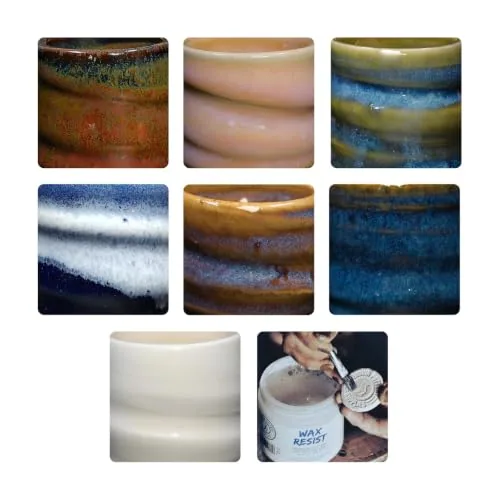
Penguin Pottery Specialty Series Glaze Set #1, 8 x 4 oz
- Firing range
- Cone 5-6 (about 2167-2232°F)
- Size
- 4 fl oz jars
- Count
- 7 glazes plus wax resist
Best for Trying mid-fire glazes
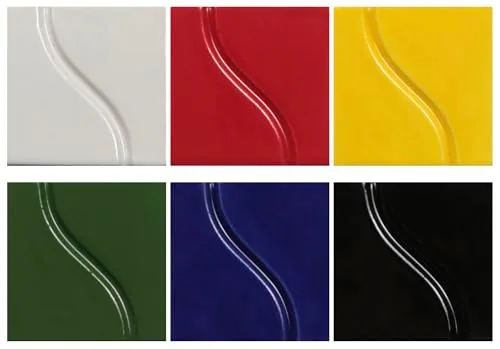
Sax Gloss Glaze Set, 6 Pints
- Firing range
- Cone 06-05
- Size
- 16 Ounce Pints
- Count
- Set of 6
Best for School art rooms
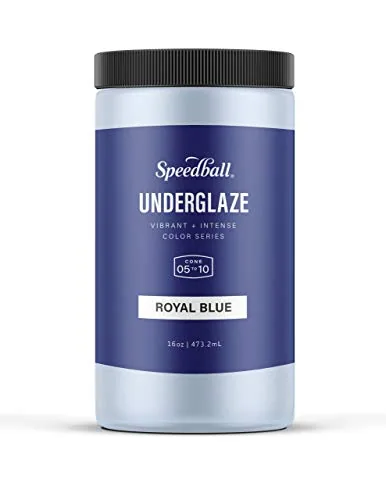
Speedball Underglaze Royal Blue, 16 oz
- Firing range
- Cone 06-6, can be fired at Cone 10
- Size
- 16 oz
- Finish
- Opaque
Best for Painted decoration
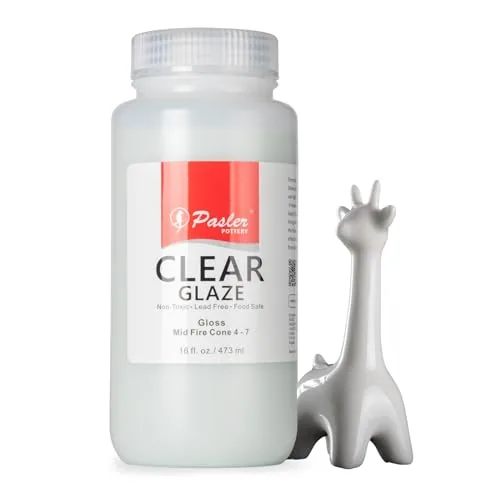
Pasler PCC10 Mid Fire Clear Glaze, 16 oz
- Firing range
- Cone 4 to Cone 7 (1186°C - 1240°C)
- Size
- 16 fl oz/473ml
- Finish
- Clear gloss
Best for Clear over mid-fire underglaze
See the full glazes and decoration category and how to glaze pottery.
How we compared
We compared manufacturer listings and the wording each maker uses about cone and food contact. We did not fire or lab-test any glaze. Cone values come from Orton's chart. Check the jar label and the maker's data sheet before firing.