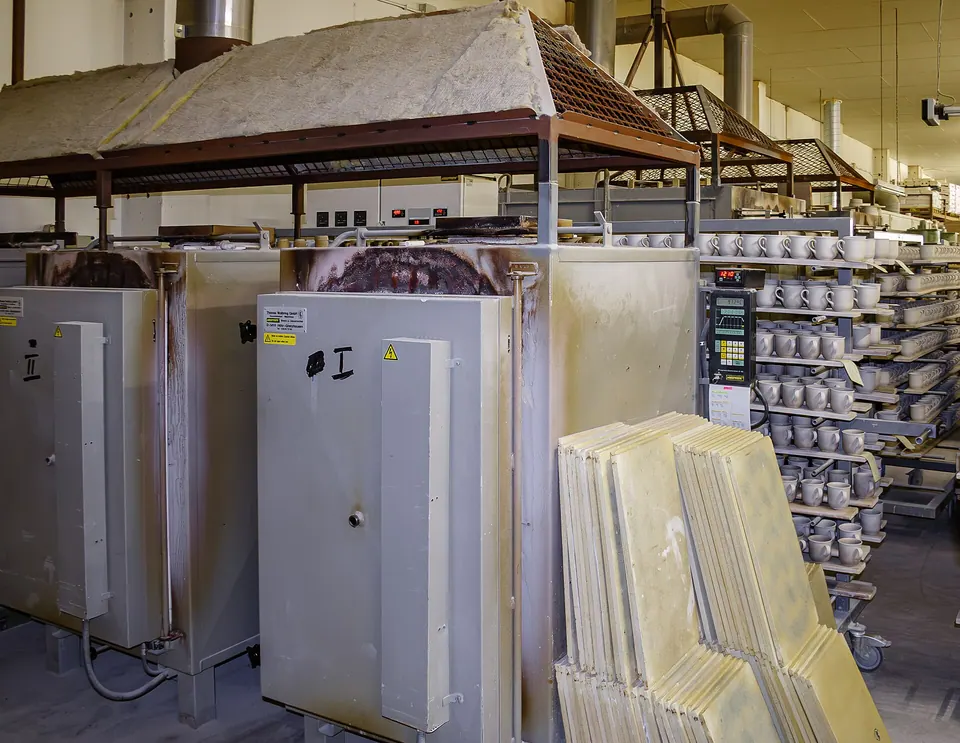
- Skutt vs Paragon in our catalogue is really "one big Skutt package plus small Fireboxes" against "three small 120 V Paragons".
- Paragon's listings give voltage, amps, max temperature and interior size. The Xpress Q11A lists 2350 °F (cone 10 on Orton's chart); the Xpress E12A lists 2000 °F, enough for bisque and low fire but not cone 5–6.
- Skutt's KM818 package (kiln, furniture kit and vent) lists "30 Amp" but not voltage, cone or chamber size. At that current it needs a dedicated circuit installed by an electrician.
- Skutt's Firebox 8x8x4.5 LT has a digital ramp/hold controller for glass, metal clay and ceramics. Its listing does not give voltage or max temperature.
- Whichever brand you choose, run the amps through our outlet checker and have a licensed electrician confirm the circuit.
Skutt vs Paragon is the question most people reach once they decide to fire at home instead of paying a studio. Both are long-established American kiln makers, both sell kilns from tiny test boxes to big studio models, and both have install guides electricians recognize.
Comparing them through our catalogue is uneven, though. Paragon's three kilns list voltage, amps and (for two) max temperature and interior size. Skutt's main kiln listing is a package with almost no specs. Below we cover the four things that decide a kiln purchase (controller, voltage and amps, cone, interior size) and flag every gap to check with the maker.
Skutt
A full KM818 package (30 A, furniture kit and vent) and small digital Firebox kilns for glass, metal clay and ceramics
BrowsePicks from each side
Skutt
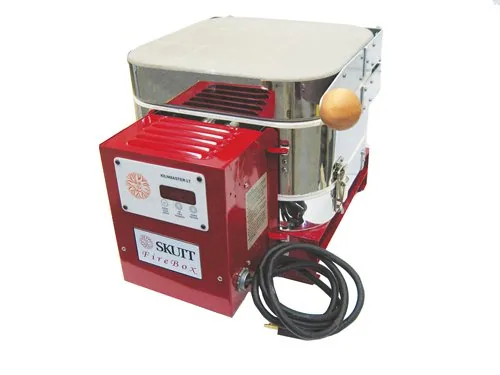
Skutt Firebox 8x8x4.5 LT Digital Glass Kiln
- Interior size
- 8" x 8" in. in diameter and 4.5 in. high
- Controller
- Digital, Ramp/Hold programs
- Includes
- 7" x 7" shelf, kiln wash, posts
Best for Glass, metal clay and small ceramic pieces
Paragon
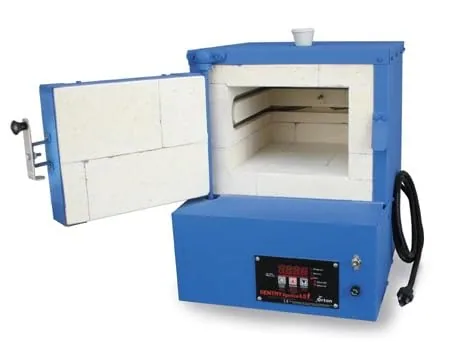
Paragon Xpress E12A 120V Kiln
- Max temperature
- 2000 F
- Voltage
- 120v
- Power
- 15amp
Best for Low-fire and bisque at home
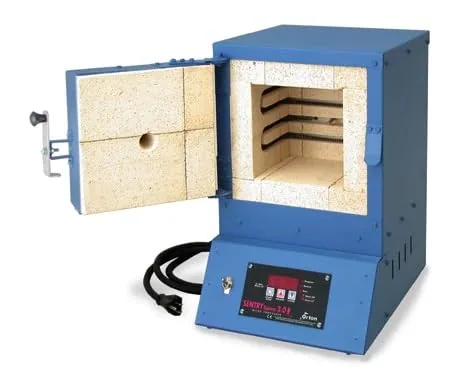
Paragon Xpress Q11A 120V Kiln
- Max temperature
- 2350 F
- Voltage
- 120v
- Power
- 12amp
Best for Test tiles and small high-fire pieces
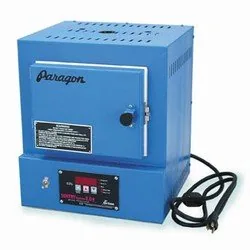
Paragon SC2 120V Digital Kiln, Sentinel Touch
- Voltage
- 120V
- Power
- 14A / 1680W
- Controller
- Sentinel Touch Xpress
Best for Small pieces and test firings at home
Skutt vs Paragon: the listed specs
| Product | Voltage | Power | Amps | Max temperature | Interior size | Controller | Model |
|---|---|---|---|---|---|---|---|
| Paragon Xpress E12A 120V Kiln | 120v | 15amp | — | 2000 F | 8 1/2" W x 12" D x 6 3/4" H | Sentry 3 Key | — |
| Paragon Xpress Q11A 120V Kiln | 120v | 12amp | — | 2350 F | 6" W x 6" D x 6 1/4" H | Sentry 3 Key | — |
| Paragon SC2 120V Digital Kiln, Sentinel Touch | 120V | 14A / 1680W | — | — | — | Sentinel Touch Xpress | — |
| Skutt Firebox 8x8x4.5 LT Digital Glass Kiln | — | — | — | — | 8" x 8" in. in diameter and 4.5 in. high | Digital, Ramp/Hold programs | — |
Specs as listed by the maker or seller; check the listing before you buy.
What each listing tells you
| Paragon E12A | Paragon Q11A | Paragon SC2 | Skutt KM818 pkg | Skutt Firebox 8x8x4.5 | |
|---|---|---|---|---|---|
| Voltage | ✓ 120 V | ✓ 120 V | ✓ 120 V | ✗ Not listed | ✗ Not listed |
| Current | ✓ 15 A | ✓ 12 A | ✓ 14 A / 1680 W | ~ "30 Amp" | ✗ Not listed |
| Max temperature | ✓ 2000 °F | ✓ 2350 °F | ✗ Not listed | ✗ Not listed | ✗ Not listed |
| Reaches cone 6 (2232 °F)? | ✗ No | ✓ Yes, on paper | ~ Check maker | ~ Check maker | ~ Check maker |
| Interior size | ✓ 8.5 x 12 x 6.75" | ✓ 6 x 6 x 6.25" | ~ 13.25 x 15.5 x 14" (likely exterior) | ✗ Not listed | ~ "8 x 8 in diameter, 4.5 high" |
| Controller | Sentry 3-key | Sentry 3-key | Sentinel Touch Xpress | ✗ Not listed | Digital, ramp/hold |
| Extras in the box | ✗ None listed | ✗ None listed | ✗ None listed | ✓ Furniture kit + vent | ✓ Shelf, kiln wash, posts |
Source: Manufacturer listing data, Clay at Home catalogue; cone temperature from Orton (cone 6 at 108 °F/hr)
What can each kiln fire? Cone vs listed max temperature
Potters talk in cones, not degrees. A cone is a small ceramic pyramid that bends after a set amount of heat work. Orton's chart puts cone 06 at 1828 °F, cone 04 at 1945 °F, cone 6 at 2232 °F and cone 10 at 2345 °F at a medium 108 °F/hr final heating rate. Our cone chart has every value.
Listed max temperatures against Orton cone bands
°F. Cone values are Orton self-supporting cones at 108 °F/hr. Kilns with no listed max are not shown.
The E12A's 2000 °F covers bisque at cone 06–04 and low-fire glazes. Orton puts cone 03 at 1987 °F, just under the E12A's listed max, so the E12A is a low-fire kiln. It cannot fire cone 5–6 stoneware. The Q11A's 2350 °F clears cone 10 on paper, but its chamber is only 6 inches on a side. That makes it a test-tile and small-piece kiln, not a production kiln.
Controllers explained: Sentry 3-key, Sentinel Touch and ramp/hold
A digital kiln controller reads the thermocouple, a temperature probe inside the kiln, and switches the elements on and off to follow a firing schedule. A schedule is a list of segments. Each one has a ramp (how fast to heat, in degrees per hour), a target temperature, and an optional hold (how long to stay there). Most controllers also store preset programs for common firings.
- Paragon Sentry 3-key (E12A, Q11A): a compact keypad controller. Check Paragon's manual for stored programs and segments.
- Paragon Sentinel Touch Xpress (SC2): a touch-screen controller. The listing names it but lists no features.
- Skutt Firebox digital controller: listed as handling glass, PMC (precious metal clay) and ceramics, with programs you write yourself using ramp and hold segments.
- Skutt KM818 package: the listing does not name the controller. Ask the seller which one ships.
For a first home kiln, the controller matters less than you might think. Every one listed here can run a basic bisque and glaze schedule. What matters more is whether the kiln reaches your clay's cone and fits your outlet.
Thermocouples drift as they age, so many potters still put a witness cone on the shelf. Skutt sells a Type K replacement thermocouple listed for most 2.5" and 3" electric kilns.
Voltage and amps: can you plug it in?
This is where the two brands' listed kilns differ most. All three Paragons are 120 V kilns. The National Electrical Code treats a load that runs at full current for three hours or more as continuous and sizes the circuit at 125% of the load, so the kiln may use only 80% of the breaker rating.
Listed current draw
Amps, as each listing states it. Skutt KM818: the listing says "30 Amp" without saying whether that is the kiln's draw or the circuit.
Circuit math with the 125% rule
| Kiln | Listed draw | x 1.25 | Smallest standard breaker |
|---|---|---|---|
| Paragon Q11A | 12 A | 15 A | 15 A, at its limit; a dedicated 20 A circuit gives headroom |
| Paragon SC2 | 14 A | 17.5 A | 20 A |
| Paragon E12A | 15 A | 18.75 A | 20 A |
| Skutt KM818 | "30 Amp" | 37.5 A if that is the draw | 40 A if 30 A is the draw. If 30 A is the breaker, the kiln draws 24 A or less. |
Source: NEC continuous-load logic as explained by Seattle Pottery Supply
Most household outlets sit on 15 A circuits shared with other rooms. A 14 or 15 A kiln usually needs a dedicated 20 A circuit, and the plug shape tells you which receptacle the maker expects. A 30 A kiln is in a different class: dedicated wiring, often 240 V, and an electrician. Read 120V vs 240V kilns and the kiln electrical requirements guide before ordering.
Interior size: what fits inside
Chamber size decides how many pots you fire per load, and that sets your cost per piece. From the listed interior dimensions, the E12A holds about 689 cubic inches (8.5 x 12 x 6.75"), roughly 0.40 cubic feet. The Q11A holds 225 cubic inches (6 x 6 x 6.25"), about 0.13 cubic feet, so a third of the space.
Interior volume from listed dimensions
Cubic inches (W x D x H). Kilns without listed interior dimensions are not shown.
In practice, the E12A takes a few small bowls or a handful of mugs on their sides. The Q11A takes test tiles, pendants and one or two very small pieces. The SC2's listed 13.25 x 15.5 x 14" is almost certainly the outside of the kiln, not the chamber, so ask before you plan loads. Skutt's Firebox lists "8 x 8 in. in diameter and 4.5 in. high", which mixes square and round wording. Check the listing. The KM818 package lists no dimensions.
Firing cost scales with watts and hours, not with how full the kiln is, so a full load is cheaper per pot. Try the firing cost calculator with the SC2's listed 1680 W.
Mistakes to avoid
- Buying a low-fire kiln for stoneware. The E12A's 2000 °F cannot reach cone 5–6.
- Assuming 120 V means any outlet. At 14–15 A you are past a shared 15 A household circuit.
- Ordering a 30 A kiln before the wiring. Get the electrician's quote first.
- Skipping ventilation. Follow the maker's clearance and venting instructions; the KM818 package includes a vent.
- Forgetting kiln furniture. See kiln shelves and furniture. New to all this? Start at the beginners hub.
Other options worth a look
Our catalogue has no other full pottery kilns from a third brand. Most of the alternatives are jewelry furnaces or glass kilns, so the useful extras are the gear around a kiln. Orton cones let you confirm what a firing reached. PMC's OV-1 is a tiny metal-clay kiln with a 14-program controller. Weysat's 7.1" square shelves fit small chambers, and Penguin Pottery's kiln wash protects shelves from glaze drips.
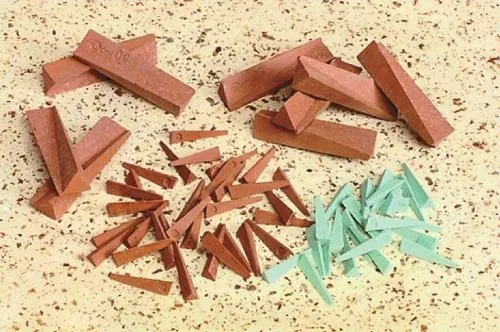
Orton Junior Pyrometric Cones, Cone 6, Box of 50
- Max cone
- #6
- Count
- Box of 50
- Size
- Small (junior)
Best for Kiln-sitter firings to cone 6
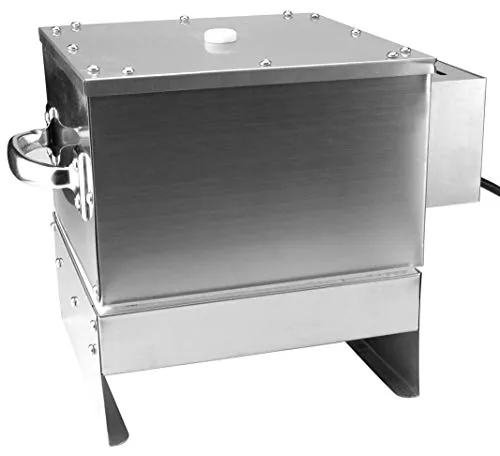
PMC OV-1 Kiln & OC-01 Controller Combo
- Interior size
- 4 5/8" x 4 5/8" x 3 1/2" high
- Controller
- OC-01, 14 programs pre-programmed
- Insulation
- 2" walls
Best for Metal clay and tiny pieces
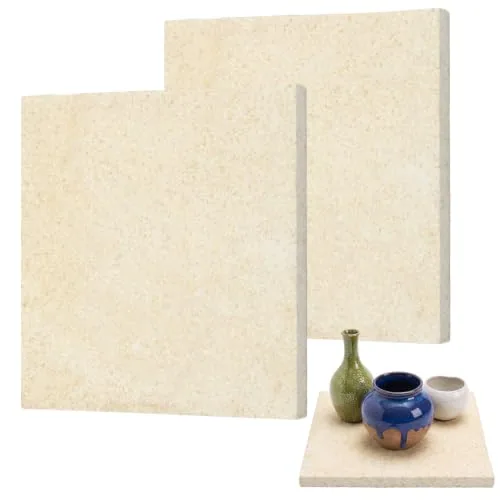
Weysat 7.1" Square Kiln Shelf, 2-Pack
- Max temperature
- 2280°F
- Size
- 7.1 x 7.1 inches
- Thickness
- 0.47 inch
Best for Small 120V and test kilns

Penguin Pottery Liquid Kiln Wash, 16 oz
- Size
- 16 fl oz (1 Pint)
- Form
- Ready to use liquid
Best for Protecting new kiln shelves
Browse the full kilns category, or read best 120V plug-in kilns and best kiln for home pottery.
How we compared
We used manufacturer listings, Orton's cone chart and the NEC continuous-load rule as explained in install guides. We did not fire, meter or inspect these kilns. Missing figures are marked "not listed"; confirm specs with the seller or maker before you buy.