AMACO
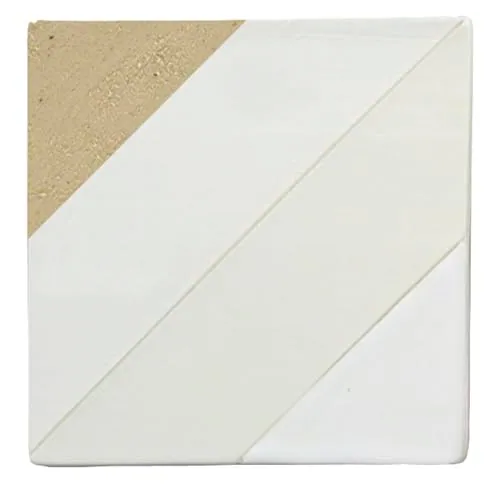
AMACO A-Mix Stoneware Clay No. 11, 50 lb, White
- Clay body
- Stoneware, No. 11 A-Mix
- Weight
- 50 Pounds
- Color
- White
Best for Stocking a home studio
Kiln clay for the wheel and hand-building, plus air-dry, paper and polymer clay for working without a kiln, sorted by what the maker lists.
Best for Stocking a home studio
Best for Trying low-fire clay before buying a box
Best for Beginners firing at a studio
Best for Red earthenware projects
Best for Beginners on low-fire clay
Best for Detailed no-kiln sculpting
Best for Lightweight no-kiln figures
Best for Kids and classroom projects
Best for No-kiln sculpting
Best for Artists working without a kiln
Best for Delicate no-kiln detail work
Best for Pottery-style decor without a kiln
Best for Small decor pieces
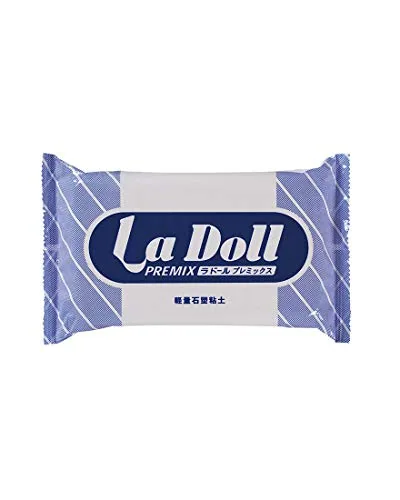
Best for Doll making and fine sculpting
Best for Adult no-kiln crafts
Best for Kids and beginners
Best for Adults starting polymer jewelry
Best for Sculpting originals for molds
Best for Modeling and stop-motion
Best for Low-fire glazing and bright colors
Best for Testing a cone 6 clay in small amounts
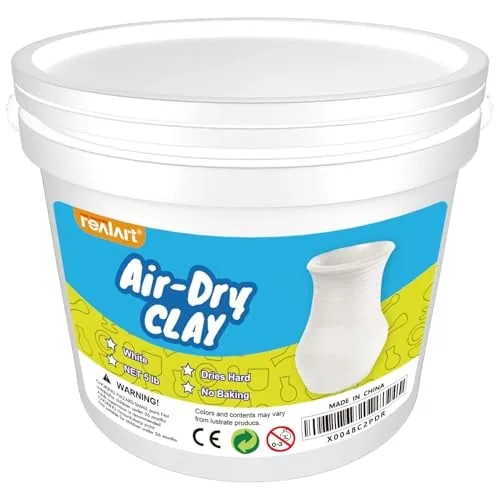
Best for Beginners stocking up on air-dry clay
Best for Cone 6 wheel throwing
Best for Stoneware in a smaller quantity
Best for Classrooms and families
Best for Classrooms and groups of kids
Best for Small no-kiln projects
Best for School and holiday projects
Best for No-kiln planters and decor
Best for Clay flowers and miniatures
Best for Terra cotta pots and sculpture
Best for Practice clay for hand-building
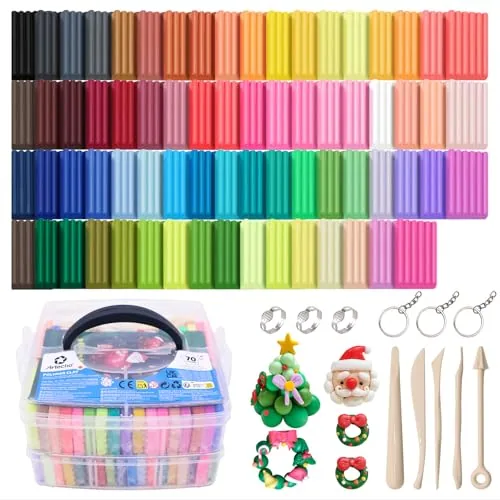
Best for Polymer jewelry and decor
Best for Bigger air-dry projects
Best for Kids and teachers
Best for Polymer jewelry and caning
Best for Beginners in polymer clay
Best for Hand-building without a kiln
Best for Young kids
Best for Polymer clay jewelry makers
Best for Polymer jewelry starters
Best for No-kiln sculpture
Best for Classrooms and kids' projects
Best for Trying polymer clay
Best for Advanced polymer artists
Best for Wheel practice without firing
Best for Kids and school projects
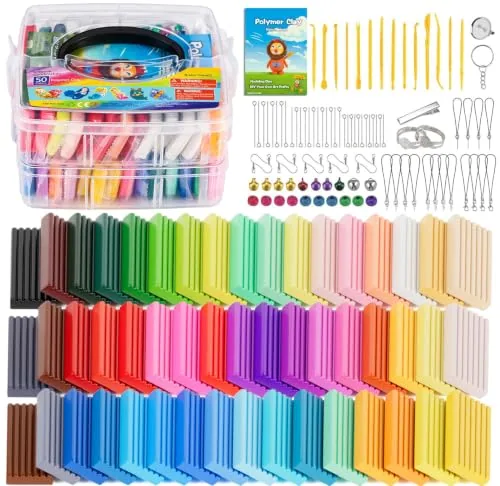
Best for A polymer clay starter gift
Best for Figure sculptors and model makers
Best for Kids
Best for Polymer jewelry and embellishments
Best for Mold work and polymer details
Best for Polymer clay assembly and repairs
No product matches every filter. Clear one to see more.
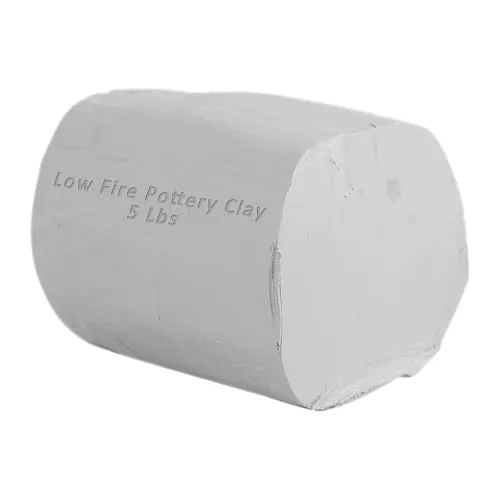
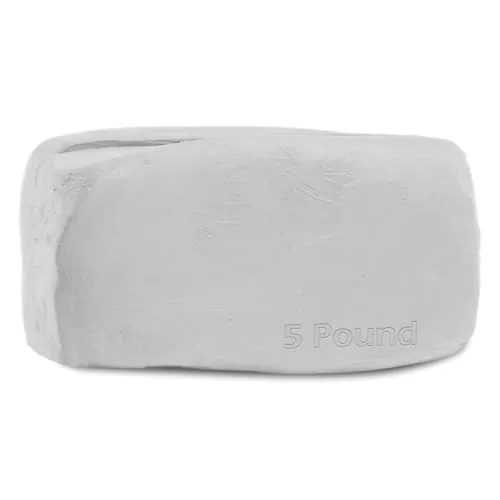
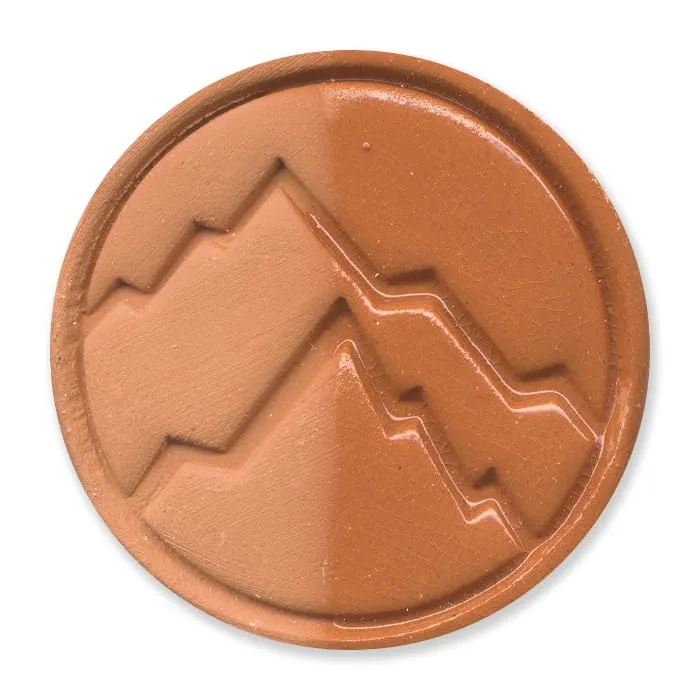
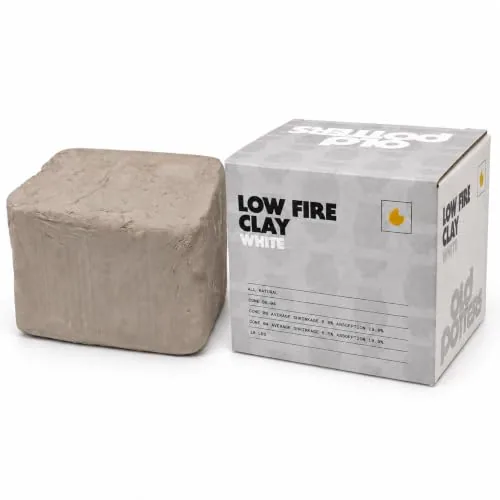
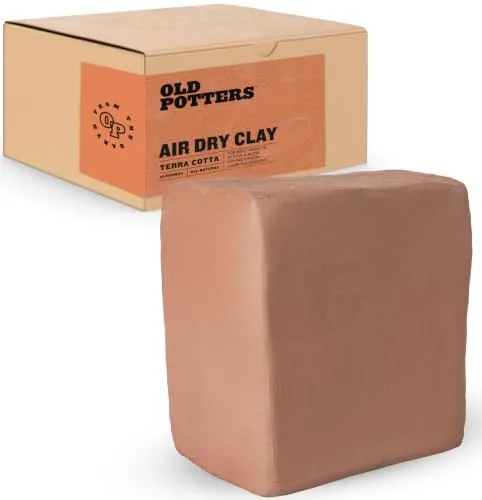
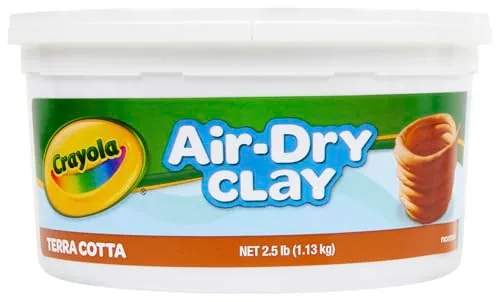
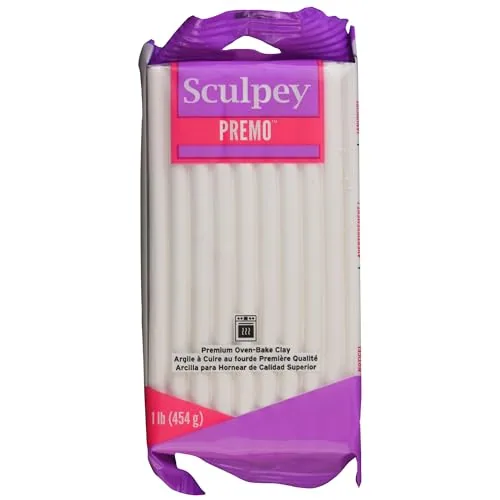
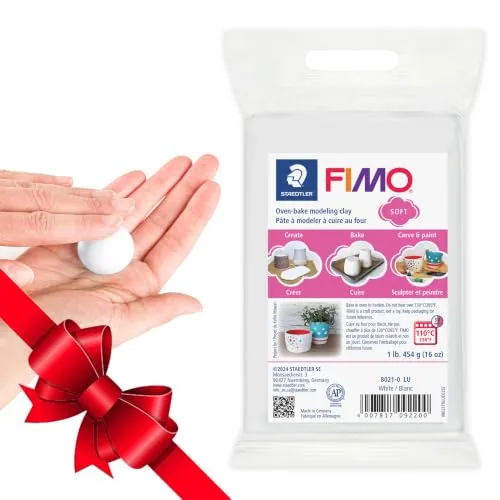
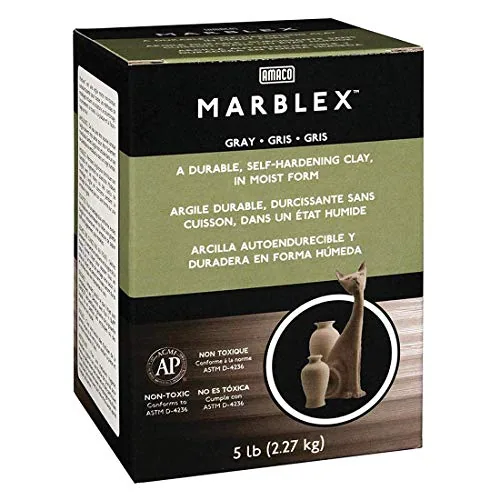
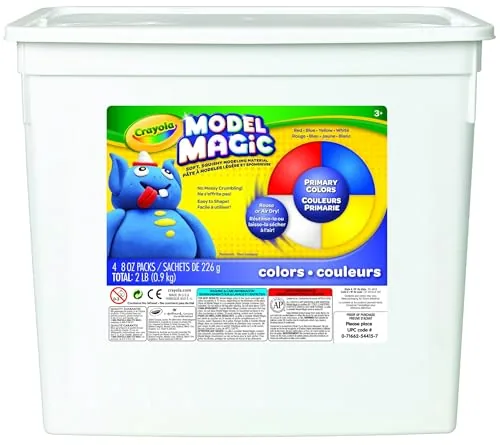
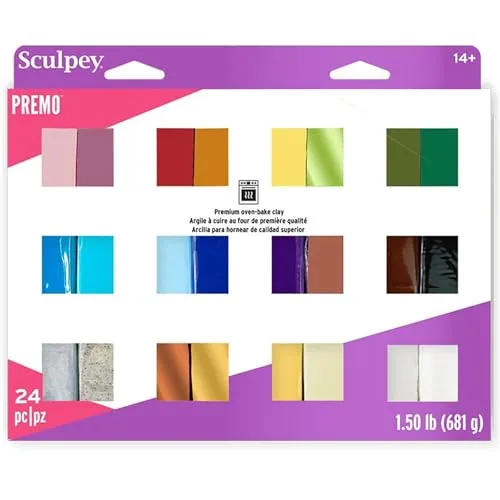
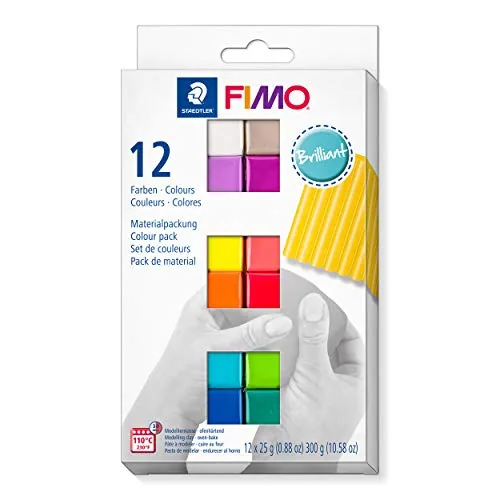
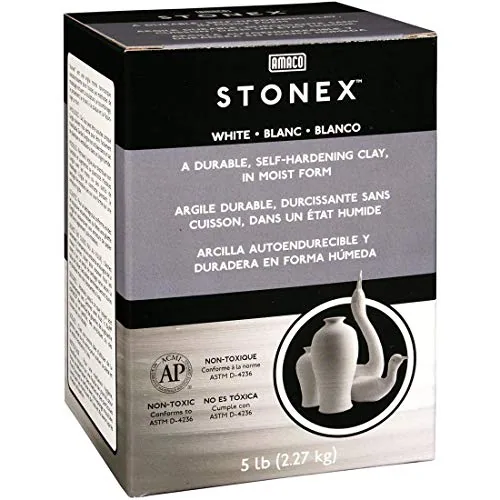
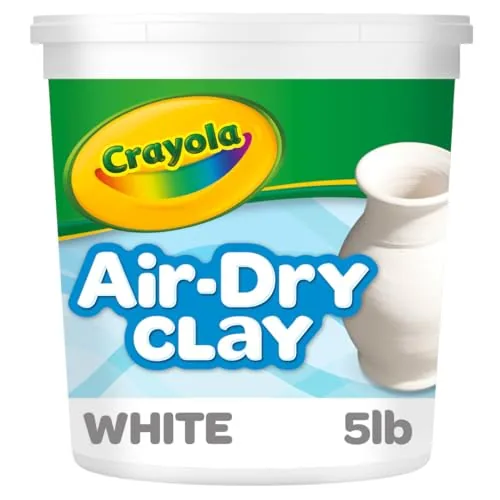
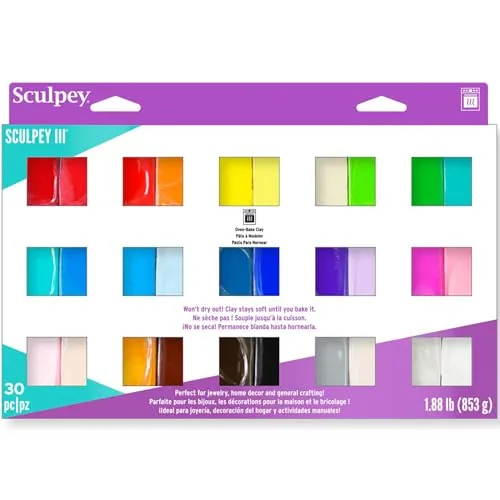
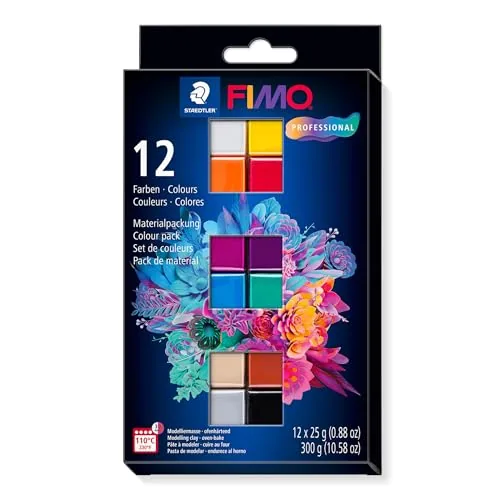
Pottery clay in this category splits into two worlds. Kiln clay (AMACO, Rocky Mountain Clay, Old Potters, TORISING, ReArt) must be fired to a stated cone. No-kiln clay hardens on its own or in a home oven: air-dry clay from Crayola, DAS, Activa, FIMOair and Sculpey; paper clay; polymer clay from Sculpey and FIMO; and non-drying oil-based clay for sculpting.
Mixing them up is the most common first-purchase mistake, so check the clay type on every listing.
Which clay for which setup
| Needs a kiln | Wheel throwing | Food or water use | |
|---|---|---|---|
| Stoneware (cone 5–6) | ✓ Yes | ✓ Yes | ~ Only with a suitable, correctly fired glaze |
| Low-fire earthenware (cone 06–04) | ✓ Yes | ✓ Yes | ~ Only with a suitable, correctly fired glaze |
| Air-dry clay | ✗ No | ~ Kids' kit wheels only | ✗ No |
| Polymer clay | ✗ Home oven | ✗ No | ✗ No |
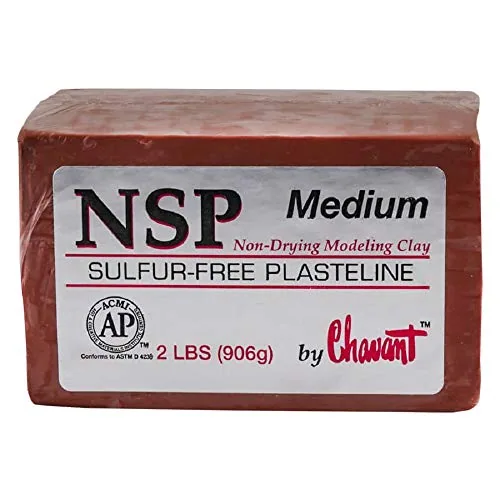
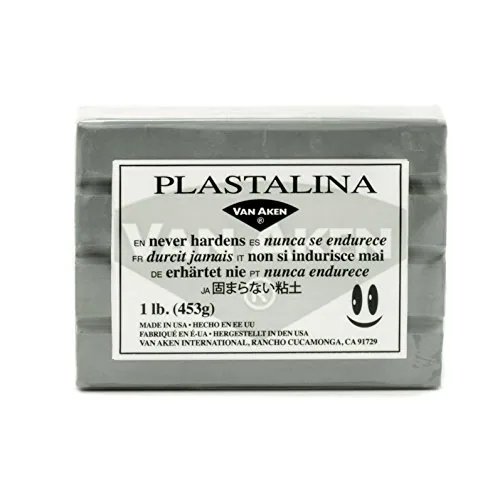
| Oil-based clay | ✗ Never hardens | ✗ No | ✗ No |
 Best of
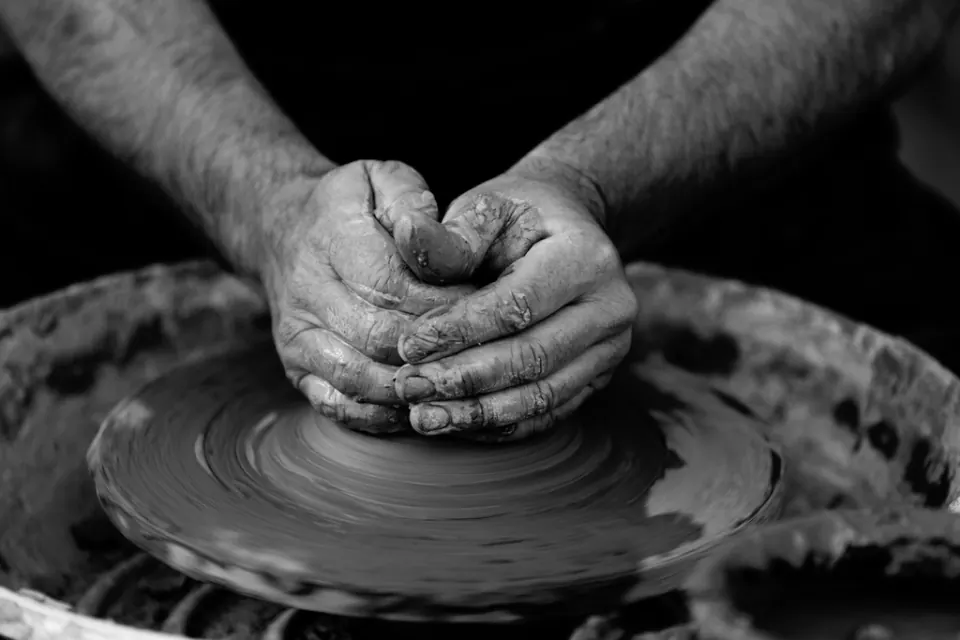
The best clay for pottery wheel work matches your kiln's cone: mid-fire stoneware from Rocky Mountain Clay, AMACO and…
 Best of
The best air-dry clay for home crafts: Activa, DAS, Crayola, FIMOair, Sculpey and paper clay compared by listed…
 Best of
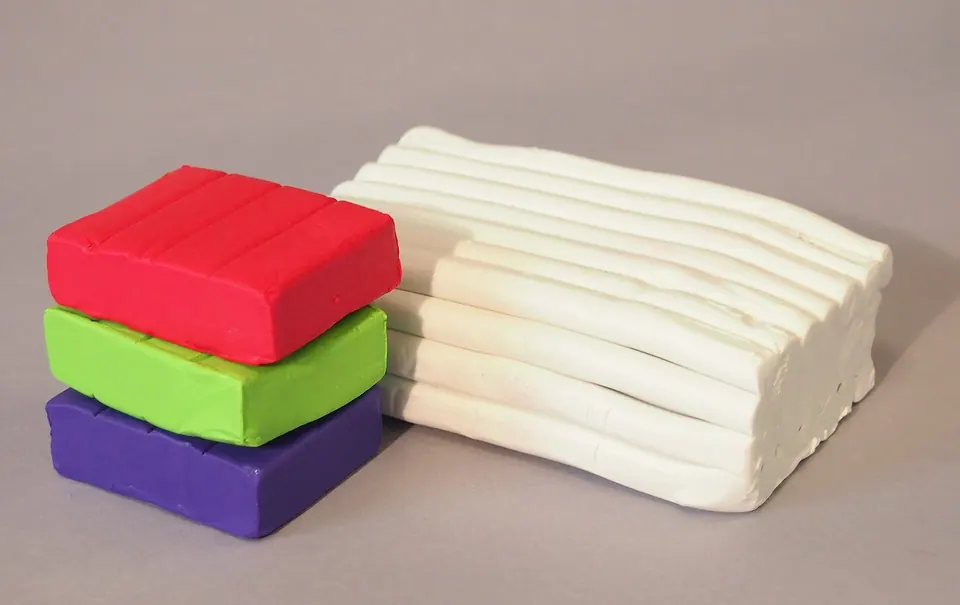
The best polymer clay for jewelry and sculpting: Sculpey Premo, FIMO Soft and Professional, Super Sculpey and big…
 Best of
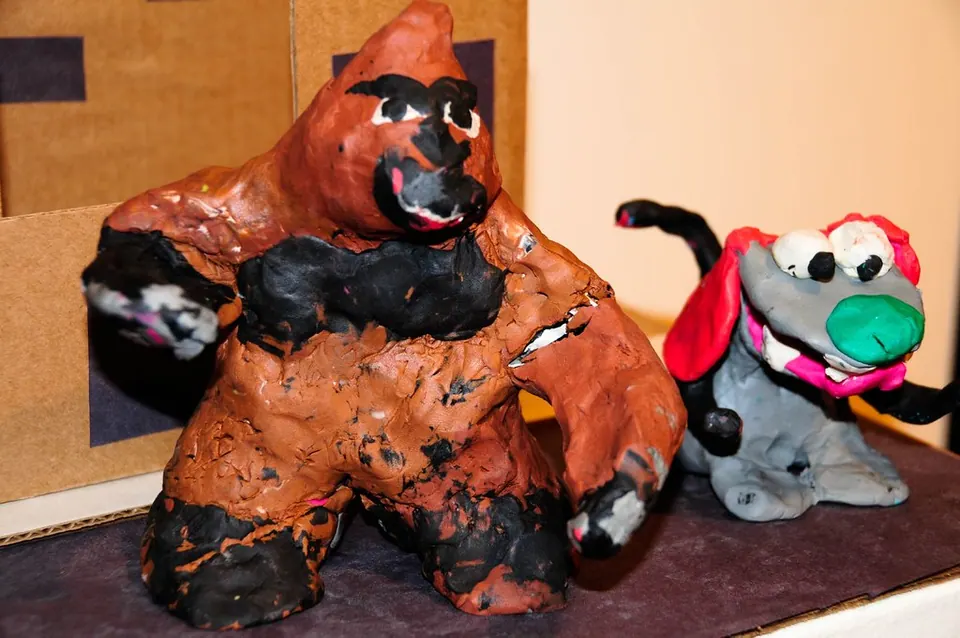
The best clay for kids depends on age and whether you have an oven or kiln: Crayola, Jovi, Sculpey, FIMO and AMACO…
 Versus
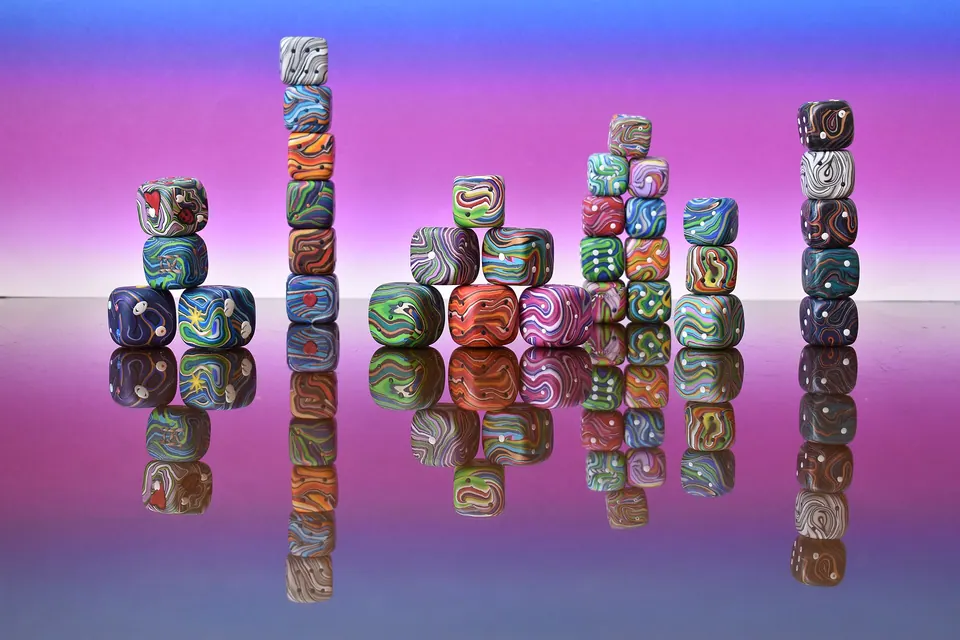
Sculpey vs FIMO polymer clay: Premo, Sculpey III, Super Sculpey and Souffle against FIMO Soft, Professional and Kids,…
 Versus
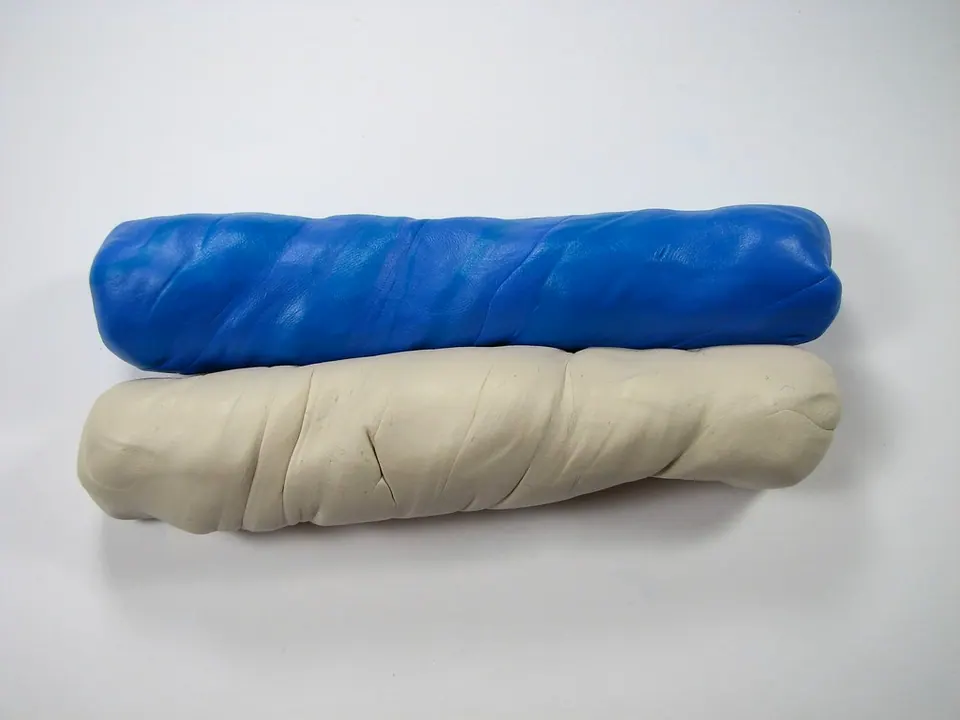
DAS vs Crayola air-dry clay compared: DAS terra cotta blocks against Crayola buckets and Model Magic, by texture, pack…