Speedball
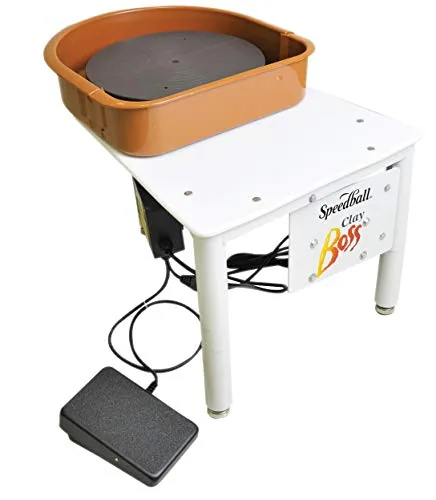
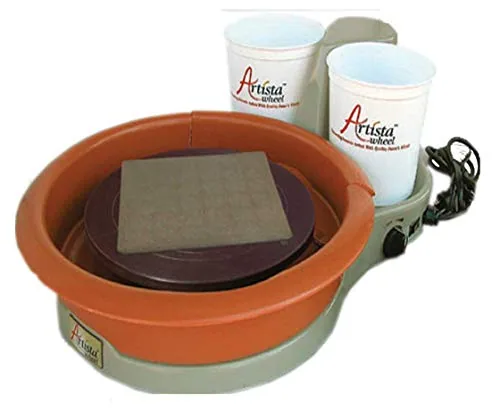
Speedball Artista Potter's Wheel, 1/3 HP, 11"
- Motor
- 1/3 HP
- Wheel head
- 11"
- Centering capacity
- 25lb
Best for Home studios with limited space
Wheels, kilns, clay and glaze compared by real specs, plus calculators for firing cost, outlets, shrinkage and cones. No invented tests, no hype.
Everything a home studio runs on, from the wheel and kiln to the last trimming tool.
 Pottery wheelsFull-size electric wheels, tabletop wheels, kids' wheels, bats, splash pans…42 products
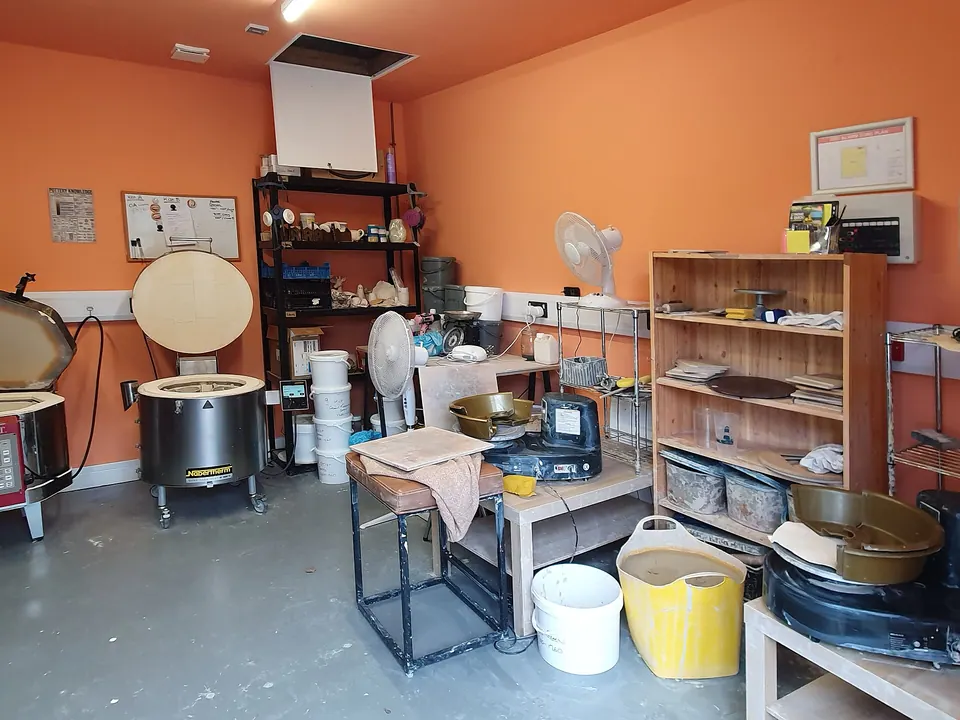 Kilns120V plug-in and 240V pottery kilns, glass and microwave kilns, kiln…43 products
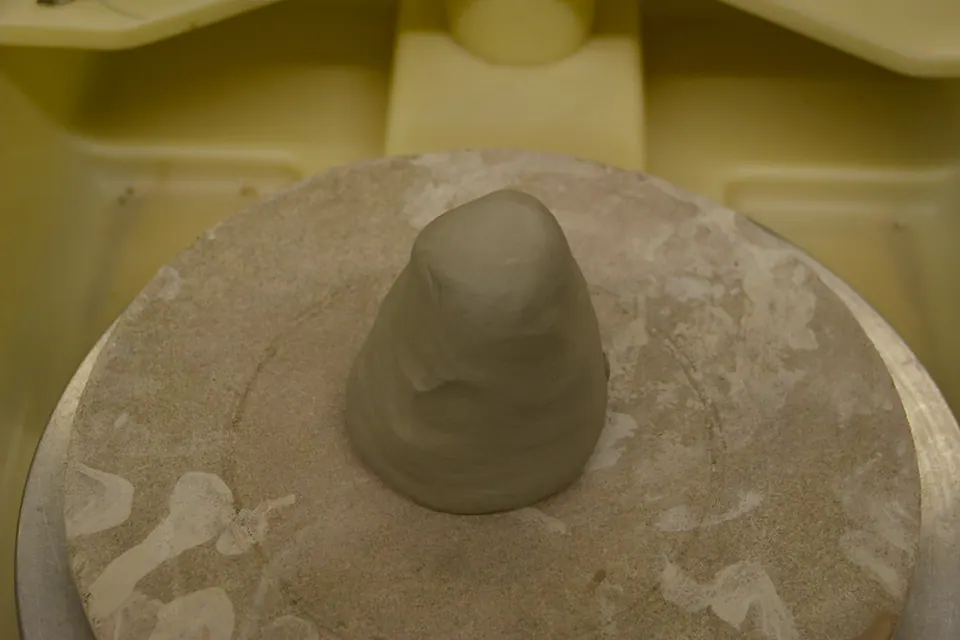 ClayStoneware, porcelain, earthenware and paper clay for the wheel, plus air-dry…53 products
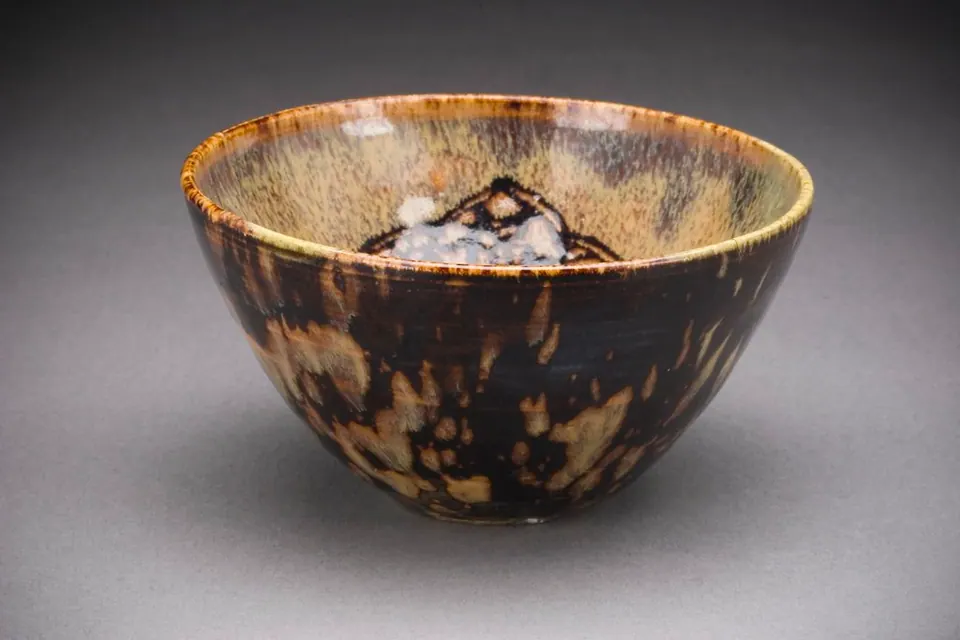 Glazes & decorationGlaze sets, food-safe glazes, underglazes, stamps, transfers and glaze brushes.52 products
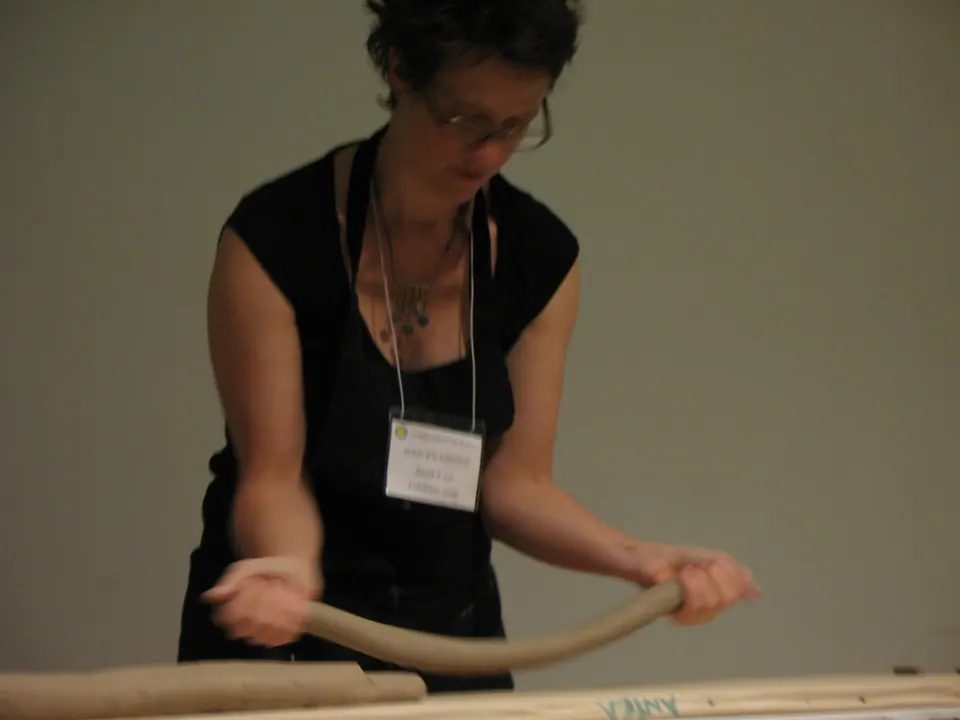 Hand-buildingSlab rollers, extruders, molds, texture mats, banding wheels and wedging boards.44 products
 Pottery toolsStarter tool kits, trimming tools, ribs, sponges, wire cutters and calipers.59 products
 Studio setup & safetyRespirators, HEPA cleanup, sink clay traps, drying racks, shelving, aprons and…44 products
 Kits & giftsBeginner pottery kits for adults and kids, classroom packs and gifts for…31 products
Start from where you are: first wheel, no kiln, a small apartment or a market table.
Calculators built on published numbers: EIA electricity rates, the NEC 80% continuous-load rule and Orton cone data.
Air-dry or polymer clay and a small tool kit at the kitchen table.
Shop no-kilnA wheel, wheel clay and throwing tools, with firing at a community studio.
Compare wheelsCheck the circuit first, then pick a kiln, shelves and cones.
Check your outletFood-safe glazes, a stamp, photos and packing for selling your work.
Gear for sellersProducts our rankings keep coming back to, from many brands.
Best for Home studios with limited space
Best for Committed hobbyists throwing larger work
Best for Long-term home or studio use
Best for Potters who want a quiet full-size wheel
Best for Small pieces and test firings at home
Best for Low-fire and bisque at home
Best for Test tiles and small high-fire pieces
Ranked by the job: first wheel, plug-in kiln, wheel clay, food-safe glaze and more.
 Best of
The best pottery wheel for beginners, compared by centering capacity, motor, wheel head, reversing and noise:…
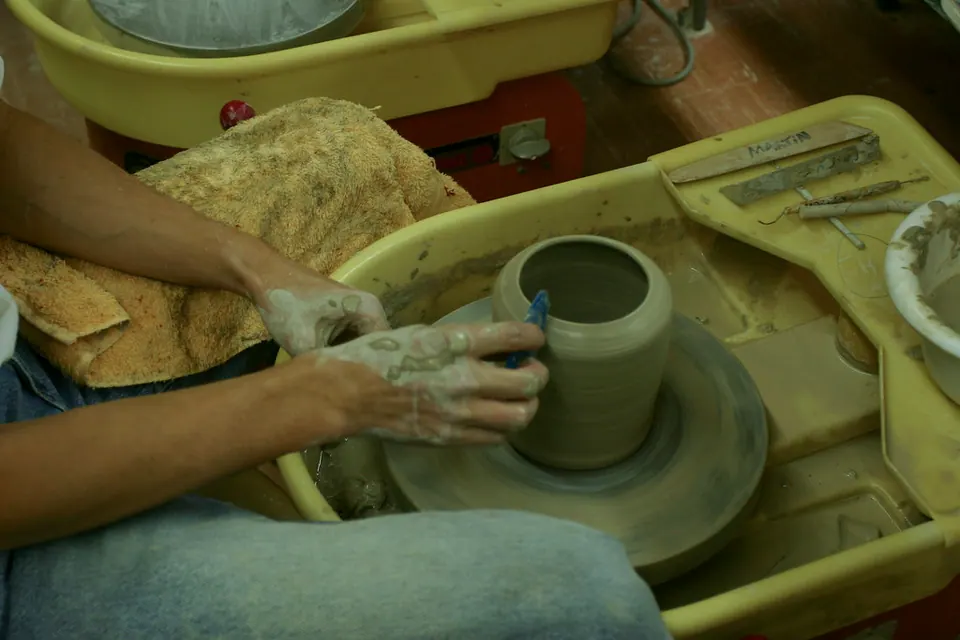 Best of
The best pottery wheel for home studios, compared by centering capacity, motor, wheel head, reversing and noise:…
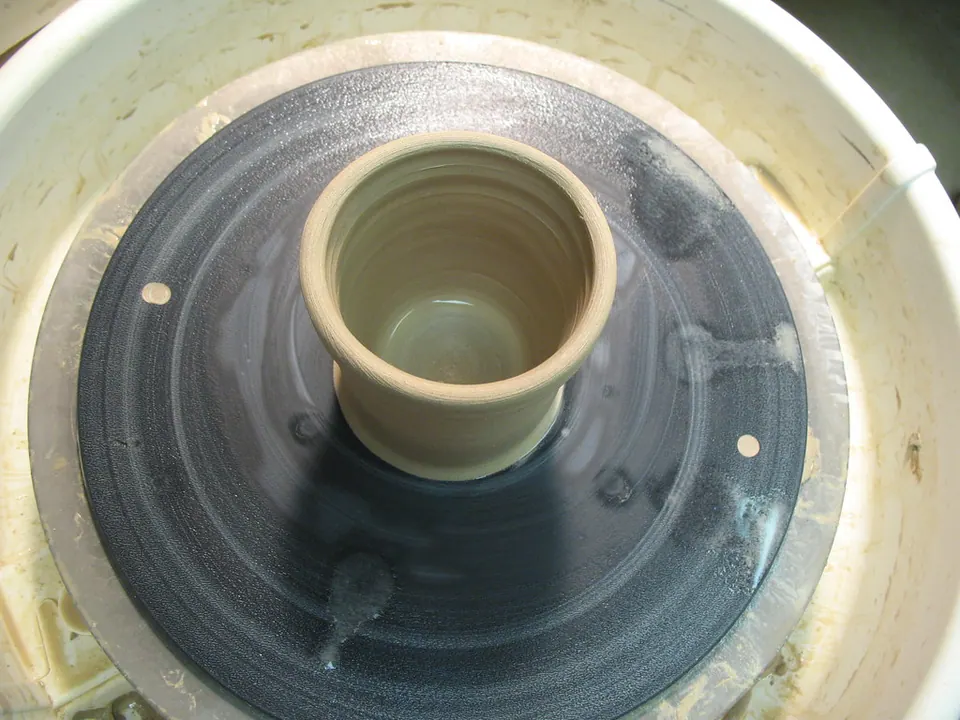 Best of
The best tabletop pottery wheel for small spaces, compared by motor, centering capacity, head size, reverse and noise:…
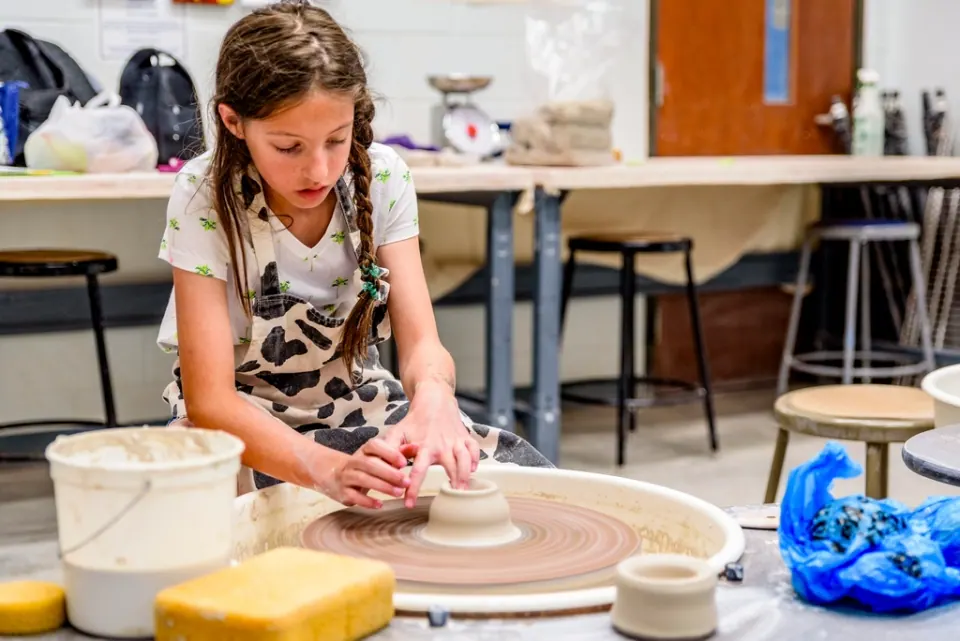 Best of
The best pottery wheel for kids, sorted by the age each maker states: National Geographic, SKIRFY, Alldeer, FAO…
 Best of
The best kiln for home pottery depends on your circuit and cone: Skutt and Paragon kilns compared by volts, amps and…
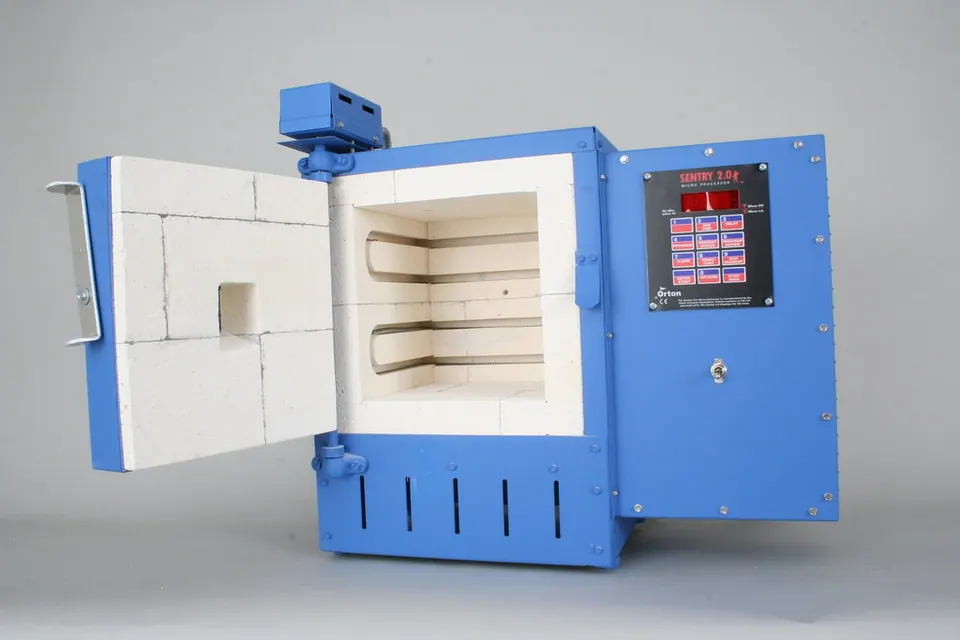 Best of
The best 120V kiln for you depends on cone and amps: Paragon and Skutt plug-in kilns compared by listed specs, plus…
Two brands or two materials side by side, with a clear verdict.
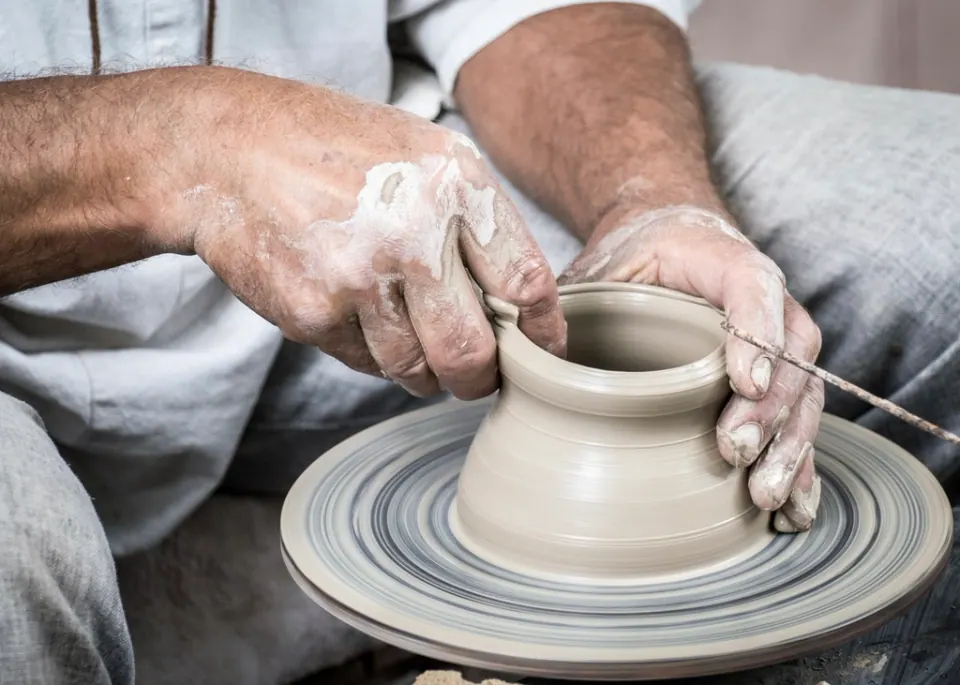 Versus
Speedball vs Shimpo: the Artista and Clay Boss against the Shimpo VL-Whisper, compared on wheel head, motor, centering…
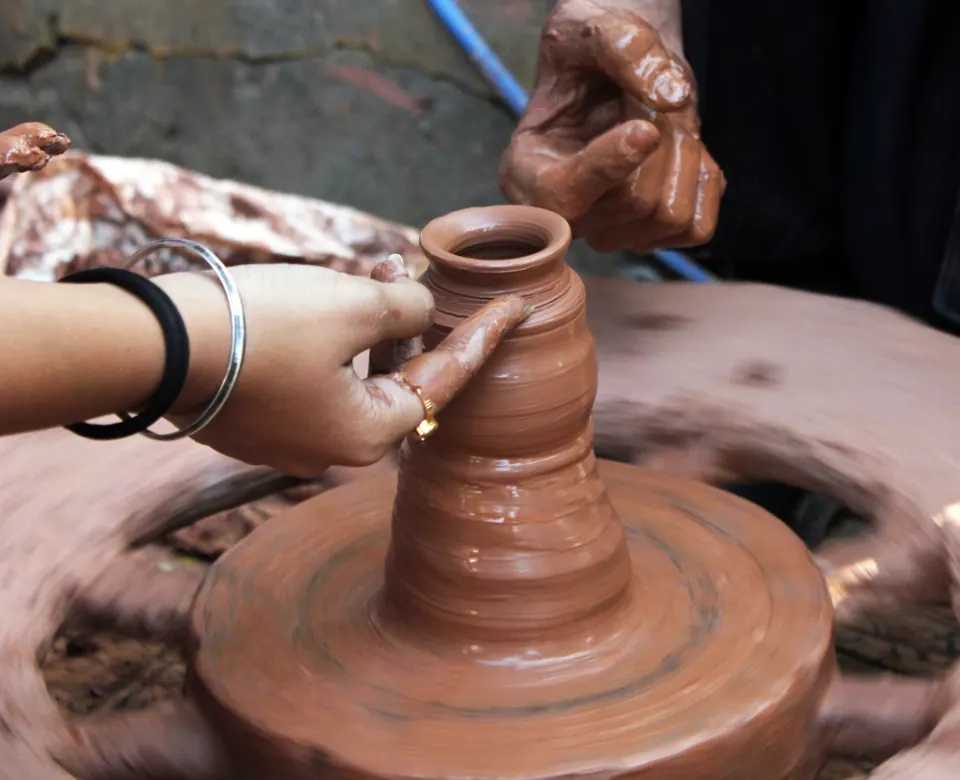 Versus
Brent vs Speedball pottery wheels: the Brent Model B against the Speedball Clay Boss and Artista on centering…
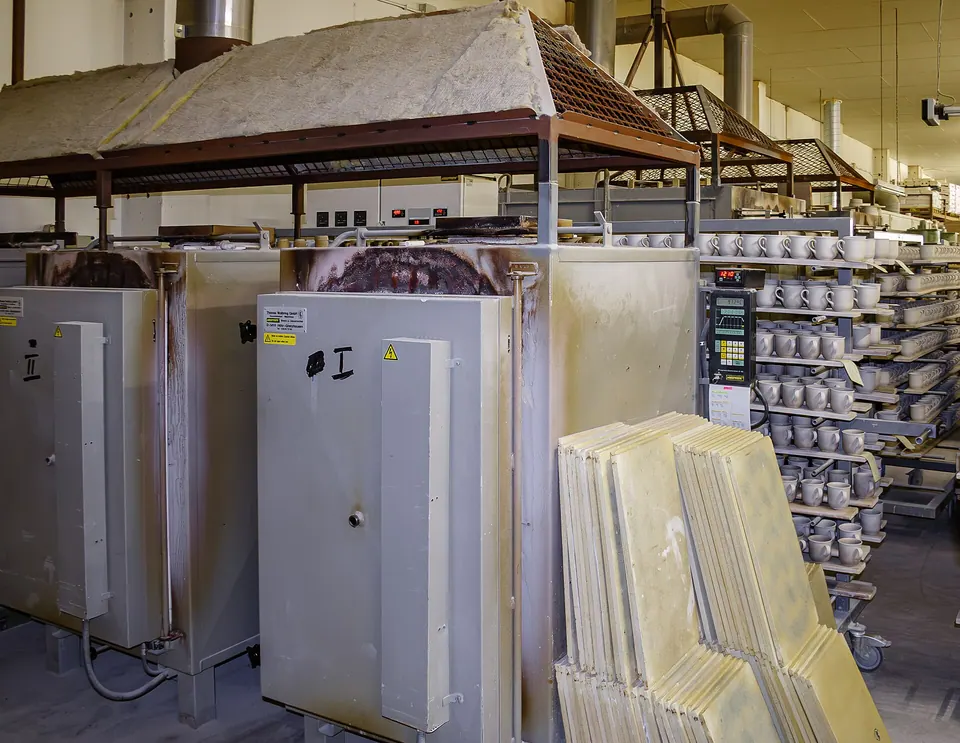 Versus
Skutt vs Paragon kilns from the listings: 120V Paragon Xpress and SC2 against Skutt's KM818 and Firebox, by…
Studio setup, electrics, firing, glazing and troubleshooting, in plain language.
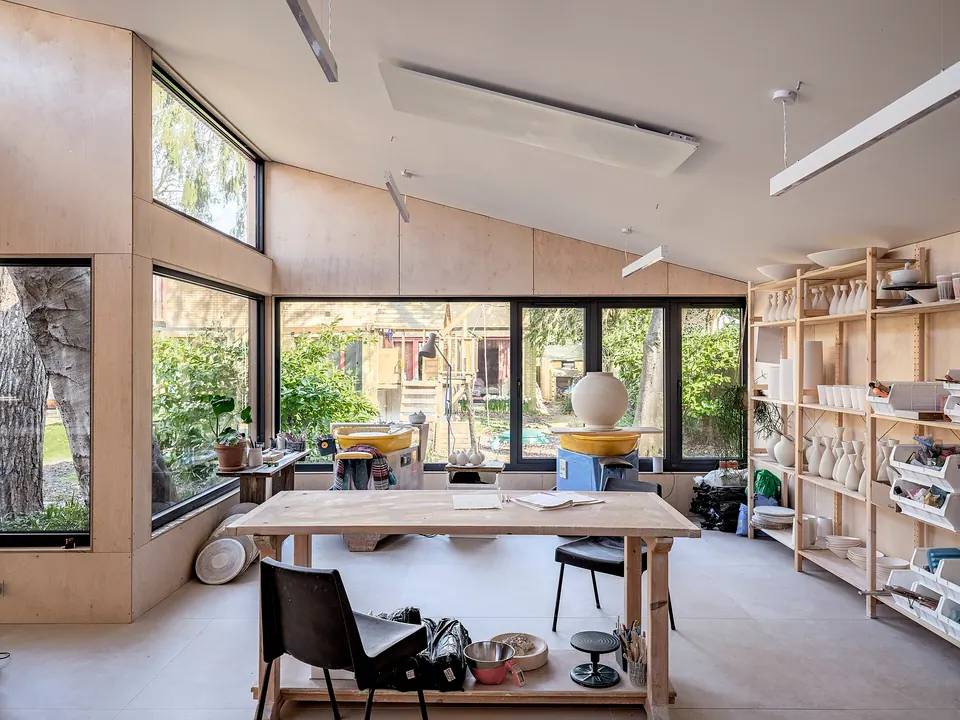 Guide
Plan a home pottery studio in the right order: space, water and cleanup, wedging, a wheel, dust control and how you…
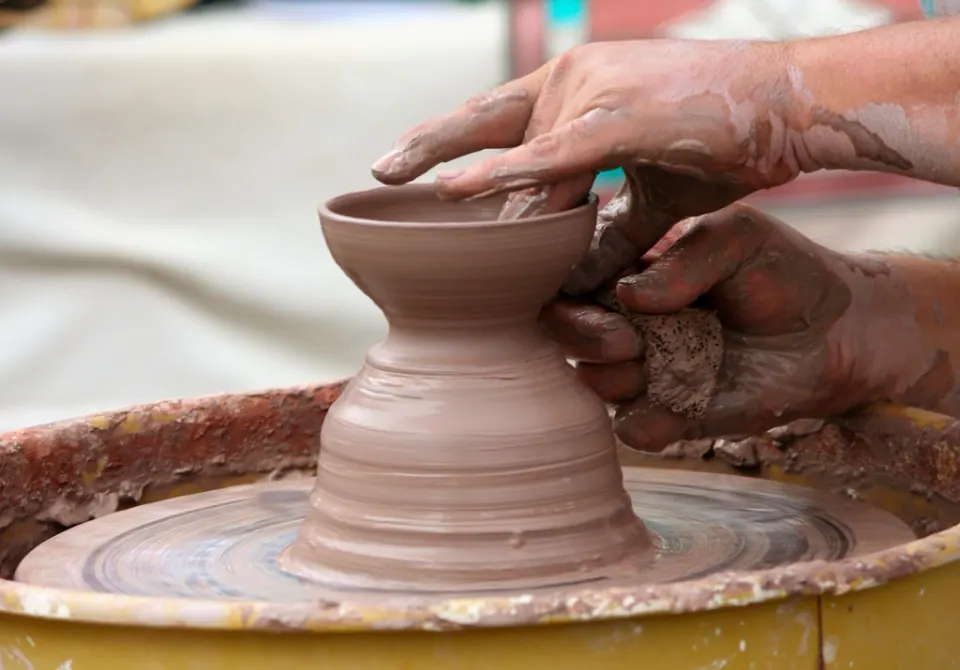 Guide
How to use a pottery wheel from first wedge to trimmed foot: centering, opening, pulling walls, cutting off and…
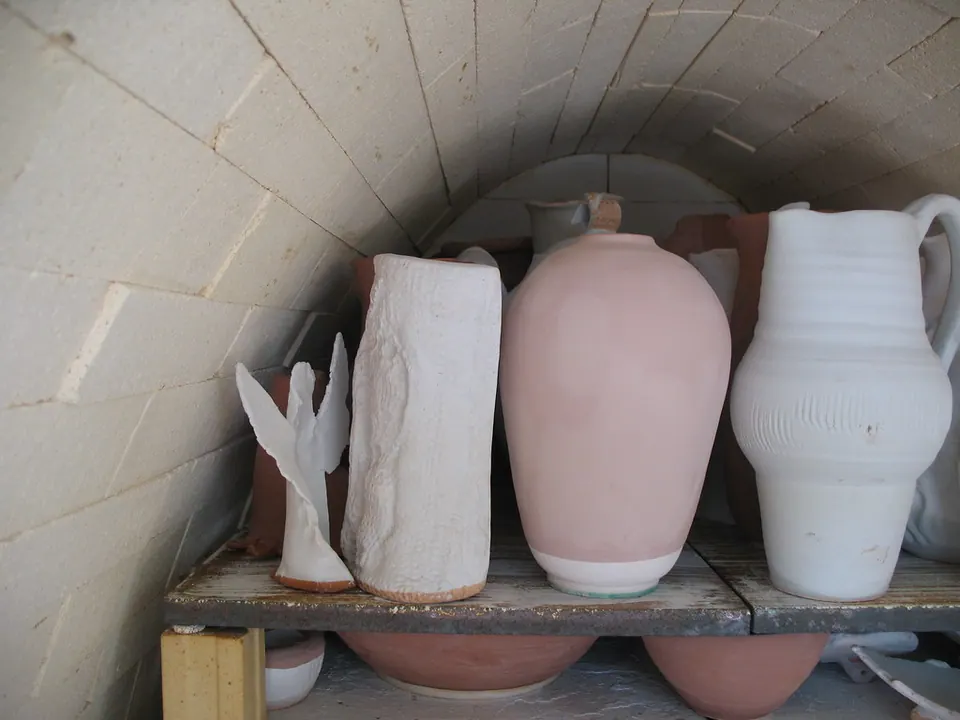 Guide
Do you need a kiln for pottery? Compare air-dry and polymer clay, studio firing, 120 V kilns and 240 V kilns by what…
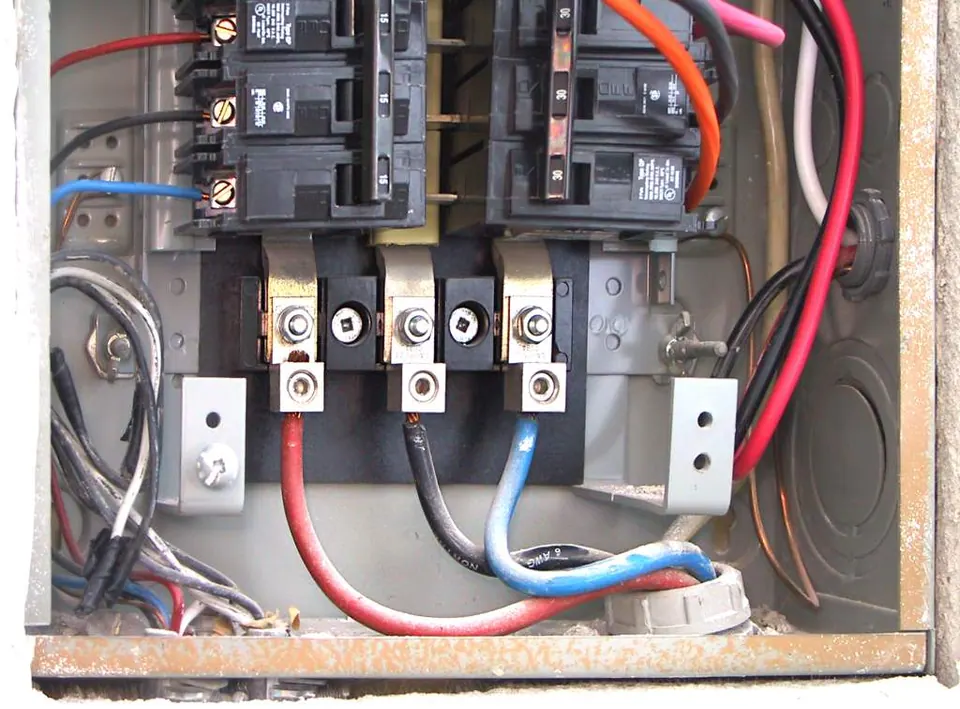 Guide
Kiln electrical requirements explained: amps, volts, the NEC 80% continuous-load rule, breaker sizing, 120 V vs 240 V…
 Guide
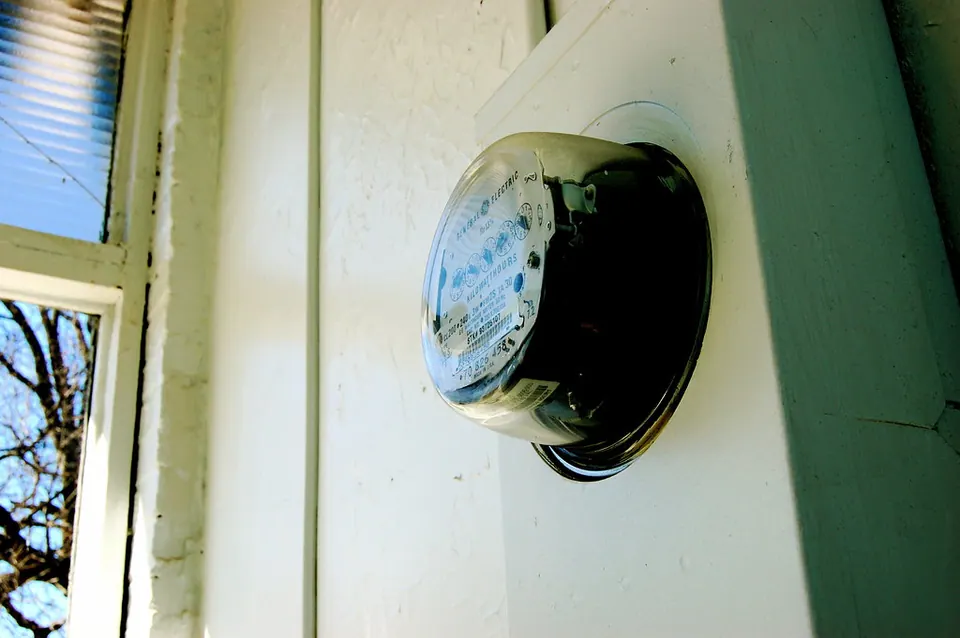
The cost to fire a kiln, worked out with August 2026 EIA electricity rates: the formula, 120 V and 240 V examples,…
 Guide
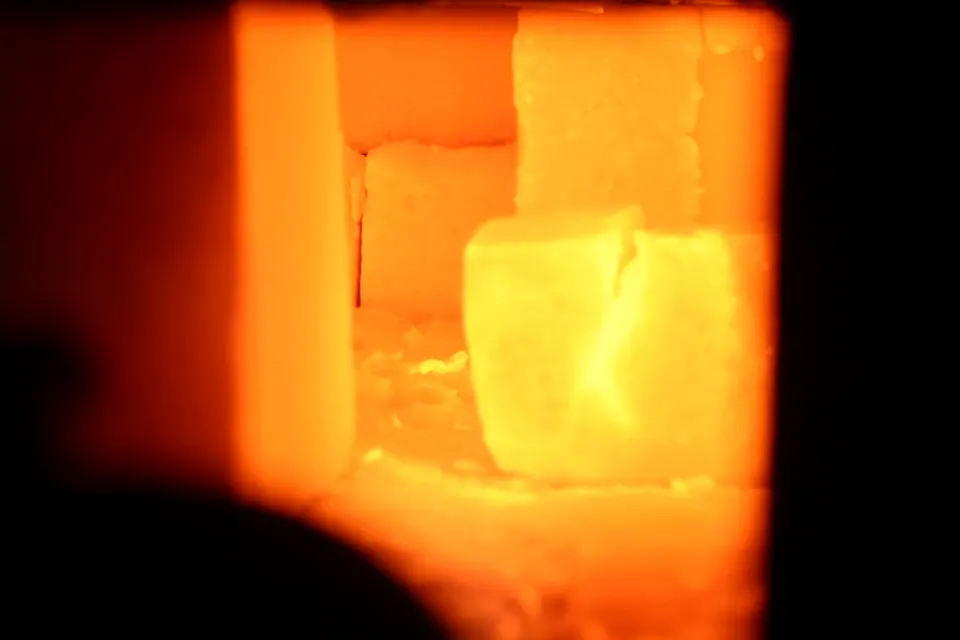
The pottery cone chart explained: why cone numbers run 022 to 10, what heatwork means, Orton temperatures for key…
368 products from 185 brands, by category
Pick your stage, tick off what you already own and see what is left. No prices, no pressure.