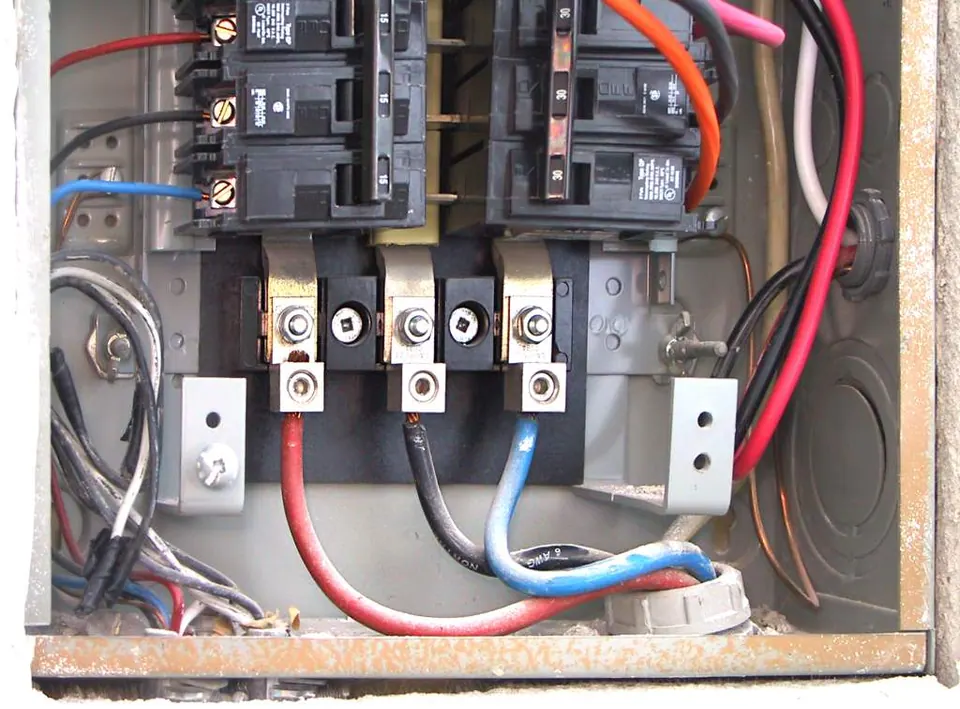
- Kiln electrical requirements start with one number: the kiln’s amps (or watts ÷ volts).
- A kiln firing is a continuous load. Under the National Electrical Code’s logic the circuit is sized at 125% of the draw, so the kiln may use only 80% of the breaker.
- Rule-of-thumb results: a 12 A kiln fits a 15 A circuit; 14–16 A kilns need 20 A; a 48 A kiln needs 60 A.
- This guide is general planning information, not an inspection. Have a licensed electrician confirm the breaker, wire, receptacle and run length against the kiln maker’s instructions and your local code.
Kiln electrical requirements look intimidating until you see that almost everything follows from the nameplate: volts, amps or watts, and phase. From those, the circuit size falls out of a simple rule that kiln makers and electricians use for any load that runs for hours.
This guide explains that rule, works through the kilns in our catalogue, and lists what to hand your electrician. It does not replace one. Wiring a kiln circuit is not a DIY job: local code, the maker’s install sheet and the person who signs off the work decide.
Read the nameplate: volts, amps, watts
Every kiln has a plate or label, usually near the control box, and the same figures appear in the manual and the spec sheet.
- Volts (V): 120 V for small plug-in kilns; 240 V or 208 V for larger kilns. 208 V is common in apartment buildings and commercial spaces.
- Amps (A): the current the kiln draws at full power. This is the number circuits are sized from.
- Watts (W): power. If only watts are listed, amps = watts ÷ volts. 1,680 W ÷ 120 V = 14 A.
- Phase: homes are almost always single-phase. Some large kilns come in three-phase versions for commercial buildings.
| Product | Voltage | Power | Amps | Max temperature |
|---|---|---|---|---|
| Paragon Xpress Q11A 120V Kiln | 120v | 12amp | — | 2350 F |
| Paragon SC2 120V Digital Kiln, Sentinel Touch | 120V | 14A / 1680W | — | — |
| Paragon Xpress E12A 120V Kiln | 120v | 15amp | — | 2000 F |
Specs as listed by the maker or seller; check the listing before you buy.
Our catalogue shows the gaps you will meet in listings: the Skutt KM818 package lists “30 Amp” without a voltage, and the listing does not say whether 30 A is the kiln’s draw or its breaker. When a listing is thin, use the maker’s manual for that exact model and voltage.
Kiln electrical requirements: the 80% rule
The National Electrical Code treats a load that runs at its maximum current for three hours or more as continuous, and requires the circuit to be sized at 125% of that current. Flip it around and the load may use only 80% of the breaker rating. A kiln firing runs for many hours, so kiln makers treat it as continuous.
Worked examples
| Kiln draw | × 1.25 | Smallest breaker that fits | Example |
|---|---|---|---|
| 12 A at 120 V | 15 A | 15 A | Paragon Q11A (listed 12 A) |
| 14 A at 120 V | 17.5 A | 20 A | Paragon SC2 (listed 14 A / 1,680 W) |
| 15 A at 120 V | 18.75 A | 20 A | Paragon E12A (listed 15 A) |
| 16 A at 120 V | 20 A | 20 A | The most a 20 A circuit can carry |
| 48 A at 240 V | 60 A | 60 A | A large 240 V kiln (illustration) |
Source: Calculated from the NEC continuous-load rule; kiln amps as listed in the Clay at Home catalogue
Circuit capacity each kiln needs
Kiln amps × 1.25 (continuous-load rule). Bars show the minimum, before rounding up to a standard breaker.
Can a 120 V kiln plug into a regular outlet?
Sometimes, but rarely the outlet you have in mind. Most household receptacles sit on 15 A circuits shared with lights and other outlets. Under the 80% rule that circuit can carry 12 A continuously, and only if nothing else is running on it.
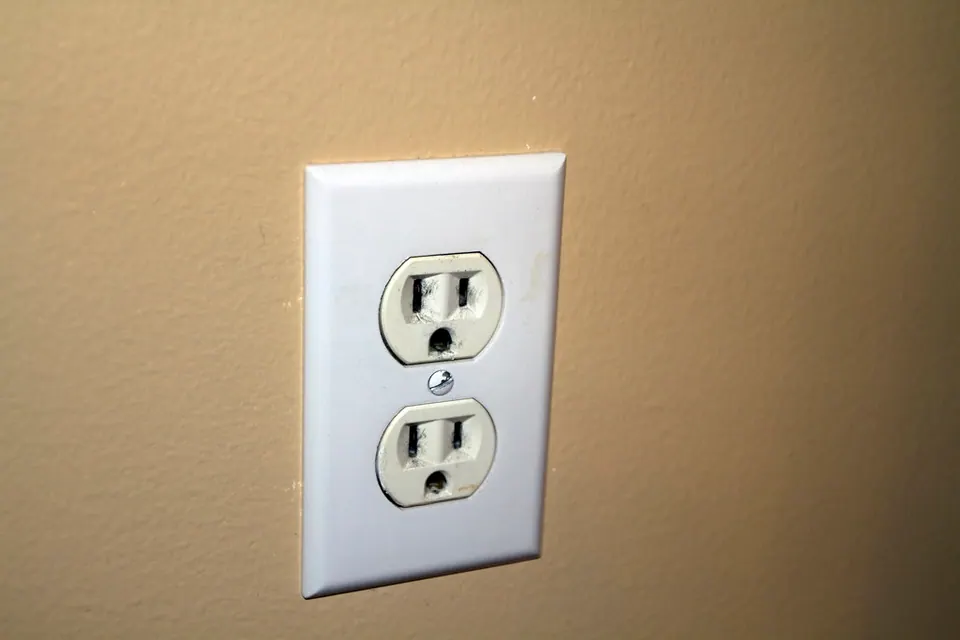
- Dedicated circuit. Many small-kiln makers specify a circuit with nothing else on it. A freezer or space heater on the same breaker can trip it mid-firing, or worse, overload the wiring.
- Matching receptacle. The plug on the cord tells you what the maker expects. A 20 A plug has one blade turned sideways and fits only a 20 A receptacle. If the plug does not fit the outlet, the outlet is wrong for that kiln.
- No extension cords or adapters. Kiln makers warn against them: a kiln draws high current for hours, and every extra connection adds resistance and heat.
- Old wiring. Loose or worn receptacles heat up under long, heavy loads. An electrician can check the receptacle and connections before your first firing.
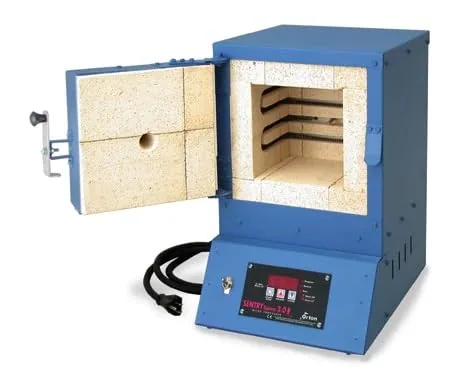
Paragon Xpress Q11A 120V Kiln
- Max temperature
- 2350 F
- Voltage
- 120v
- Power
- 12amp
Best for Test tiles and small high-fire pieces
Paragon SC2 120V Digital Kiln, Sentinel Touch
- Voltage
- 120V
- Power
- 14A / 1680W
- Controller
- Sentinel Touch Xpress
Best for Small pieces and test firings at home
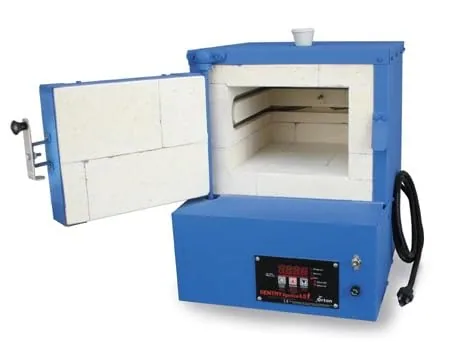
Paragon Xpress E12A 120V Kiln
- Max temperature
- 2000 F
- Voltage
- 120v
- Power
- 15amp
Best for Low-fire and bisque at home
240 V and 208 V kilns
Full-size kilns run on 240 V, or 208 V in some buildings, and are usually hard-wired or plugged into a heavy-duty receptacle on a dedicated circuit. The same 125% rule applies, but the electrician also sizes the wire for the distance from the panel, because long runs lose voltage.
- 208 V and 240 V are not interchangeable. A kiln built for 240 V heats more slowly on 208 V and may struggle to reach top temperature. Many models are sold in both versions; order the one that matches your supply.
- Panel capacity. A large kiln can need a big share of a home’s service. The electrician checks whether the panel has room for it.
- Permits. New circuits often need a permit and an inspection under local rules.
- Disconnect. Some installs call for a disconnect near the kiln. The maker’s instructions and local code decide.
Weighing a small kiln against a big one? See 120 V vs 240 V kilns and Skutt vs Paragon.
How to plan your kiln circuit
- Choose the kiln spot first
Garage, utility room or studio, with the clearances the manual lists around every side, a non-combustible floor or stand and a path for a vent duct. The distance to the panel affects the wire size.
- Collect the nameplate data
Voltage, amps (or watts), phase, and whether the kiln is plug-in or hard-wired. Download the install sheet for that exact model.
- Run the 80% check
Multiply the amps by 1.25 and compare with the breaker. Use the outlet checker to see the smallest circuit that fits.
- Look at your panel
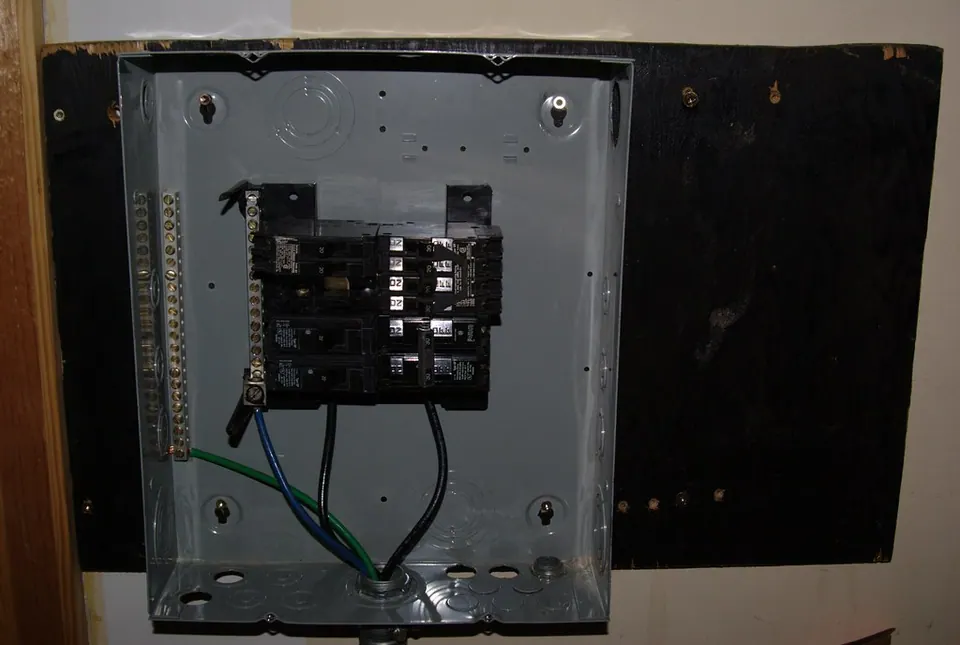
Note your main breaker size and whether there are free slots. Take a photo for the electrician.
- Book a licensed electrician
Send the kiln model, the install sheet, the location and the panel photo. Ask them to confirm breaker, wire gauge, receptacle type and any permit.
- Test before the first real firing
Many makers recommend a first empty firing. Watch the breaker, plug and cord, and keep the kiln’s surroundings clear.
Mistakes to avoid
- Sizing the circuit to the kiln’s amps, not 125% of them. A 15 A kiln on a 15 A breaker runs at 100% for hours.
- Sharing the circuit. A dedicated circuit means nothing else on it.
- Ordering a 240 V kiln for a 208 V building. Check your supply first.
- Using an extension cord “just for the first firing”.
- Swapping the plug to fit an outlet. The plug matches the kiln’s rating for a reason.
- Ignoring the vent and clearances. Electrical is only half the install; see our studio safety guide.
What does it cost to run once it is wired?
Once the circuit is in, running cost follows from the same nameplate numbers: kW × hours × duty cycle × your rate. A 15 A, 120 V kiln is 1.8 kW. Our firing cost guide works examples with EIA state rates.
Kiln firing cost calculatorEstimate a firing from kiln kW, hours and your state’s electricity rate. Kiln firing cost calculatorEstimate what a kiln firing costs from kiln kW, firing hours and duty cycle, using EIA average residential…Can I plug in my kiln? Outlet checkerCheck a kiln’s amps or watts against a 15, 20, 30, 40 or 50 A circuit using the 80% continuous-load rule,…