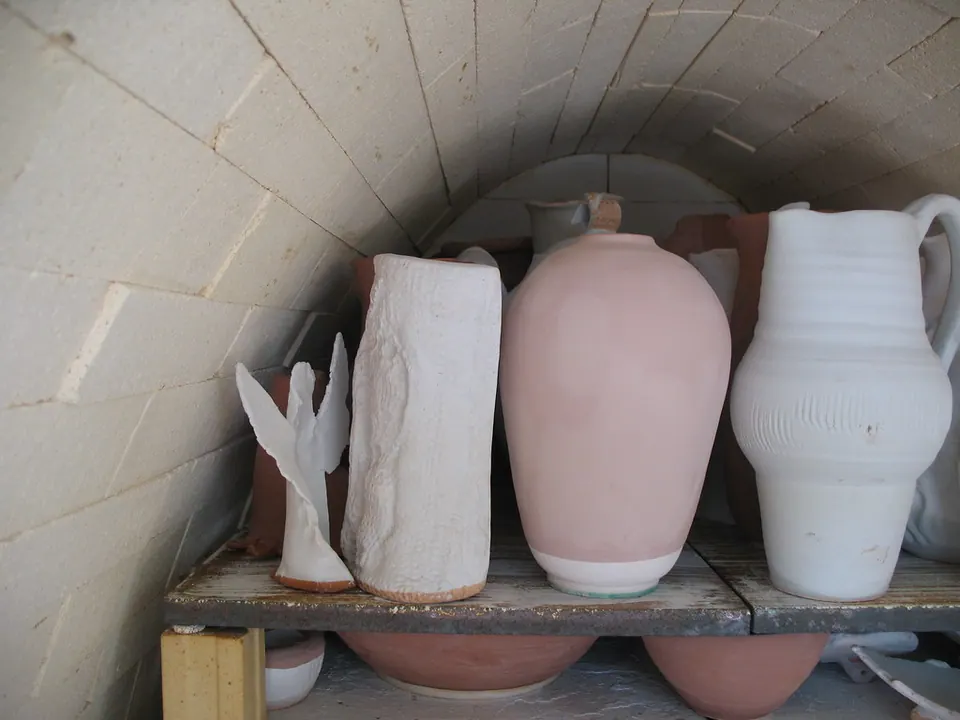
- Do you need a kiln? Only for fired ceramic: mugs, bowls, anything that holds water or food. Air-dry and polymer clay skip the kiln but never become ceramic.
- Most beginners do best firing at a community studio until they throw regularly.
- A 120 V kiln still needs the right circuit. Under the 80% rule a 15 A kiln needs a 20 A circuit, not an ordinary 15 A outlet.
- Budget plug-in “kilns” listed at 2,192 °F are jewelry and metal-clay furnaces. Orton puts cone 6 at 2,232 °F at a medium rate, so they cannot fire cone 6 stoneware that way. Microwave kilns are for glass and jewelry only.
Do you need a kiln to make pottery? If you want true ceramic, the hard, permanent material of mugs and plates, yes: even a first bisque firing is usually taken to cone 06–04, which Orton’s chart puts at about 1,830–1,945 °F at a medium rate, far beyond any kitchen oven. But you do not need to own a kiln. You can hire kiln space, or work in clays that never need firing.
This guide lays out the five routes side by side, with what each can and cannot make, so you can match the route to your projects, space and wiring. Kiln specs come from maker listings; temperatures come from Orton’s cone chart.
The five options at a glance
| Air-dry clay | Polymer clay | Studio firing | 120 V kiln | 240 V kiln | |
|---|---|---|---|---|---|
| Becomes true ceramic | ✗ No | ✗ No (plastic) | ✓ Yes | ✓ Yes | ✓ Yes |
| Holds water / food use | ✗ No | ✗ Not for food | ✓ With a food-safe glaze, fired as directed | ✓ Same | ✓ Same |
| Wheel-thrown pots | ~ Kids’ kit wheels only | ✗ No | ✓ Yes | ✓ Small pieces | ✓ Yes |
| Wiring needed | ✗ None | ✗ Home oven | ✗ None | ~ Dedicated circuit | ✓ Electrician-installed circuit |
| Space at home | Table | Table and oven | Shelf for drying | Garage corner with clearances | Garage or studio, vent |
| Best for | Kids, decor, no mess | Jewelry, figures, charms | Beginners, apartments | Test tiles, small work | Regular production |
Option 1: air-dry clay (no kiln needed)
Air-dry clay hardens as water evaporates. It is easy, cheap to start and great for kids, ornaments and decor. It never becomes ceramic, so it stays porous and softens if it gets wet. Sealing helps with handling and dust but does not make it waterproof enough for drinking or food. Our sealing guide covers finishes.
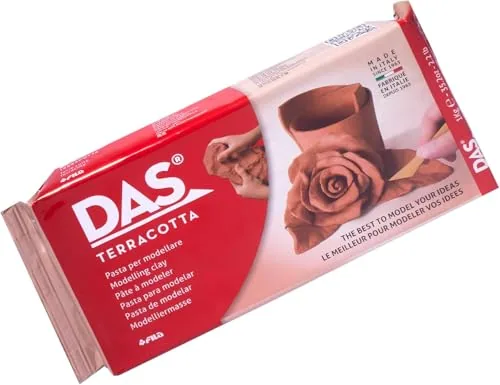
DAS Air-Hardening Modeling Clay, 2.2 lb, Terra Cotta
- Clay body
- Air-hardening
- Weight
- 2.2 lb
- Color
- Terra Cotta
Best for No-kiln sculpting
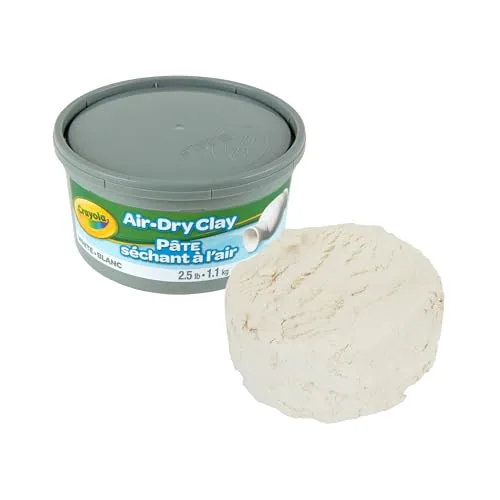
Crayola Air Dry Clay, 2.5 lb Bucket, White
- Clay body
- Natural white earth clay, air dry
- Weight
- 2.5-Pound
- Color
- White
Best for Kids and classroom projects
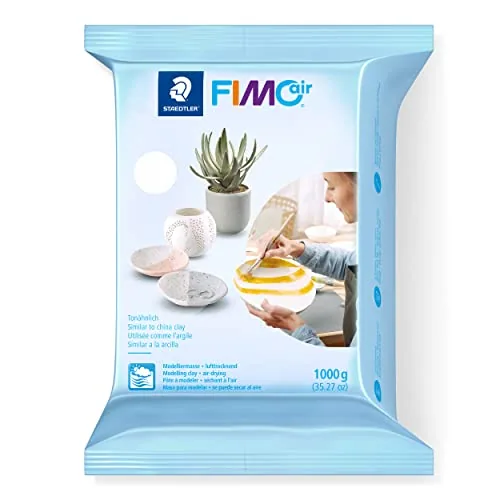
STAEDTLER FIMOair Air Dry Clay, White, 2.2 lb
- Clay body
- Air dry modeling clay
- Weight
- 2.2 lb (1 kg)
- Color
- White
Best for Pottery-style decor without a kiln
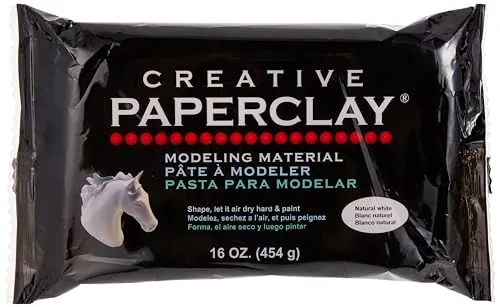
Creative Paperclay Modeling Compound, 16 oz, White
- Clay body
- Air hardening paper clay
- Weight
- 16-Ounce
- Color
- White
Best for Detailed no-kiln sculpting
Option 2: polymer clay in a home oven
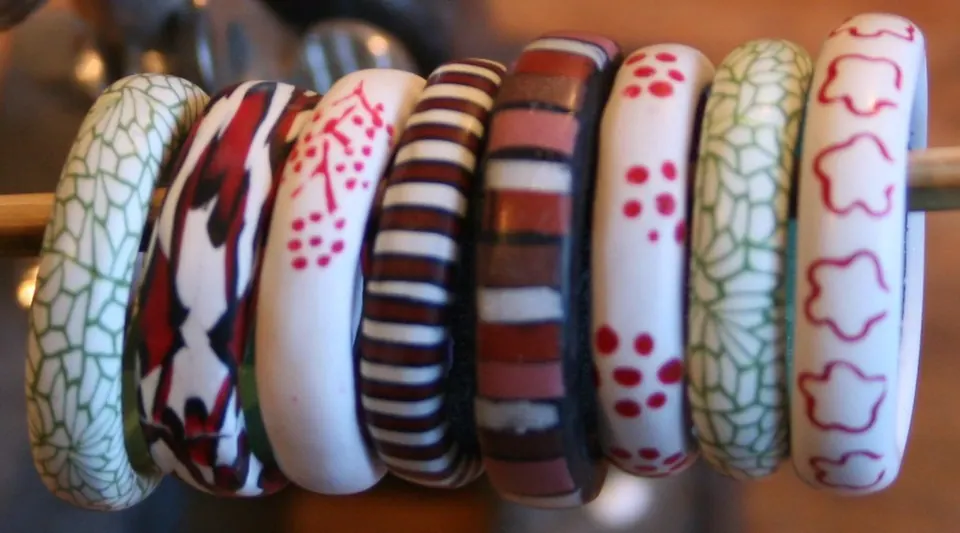
Polymer clay is a PVC-based material that cures in a home oven. FIMO, for example, lists 230 °F for 30 minutes. It is ideal for jewelry, small figures and fine detail, and it is not suitable for dishes that touch food. Use an oven thermometer, follow the package temperature exactly and ventilate the room.
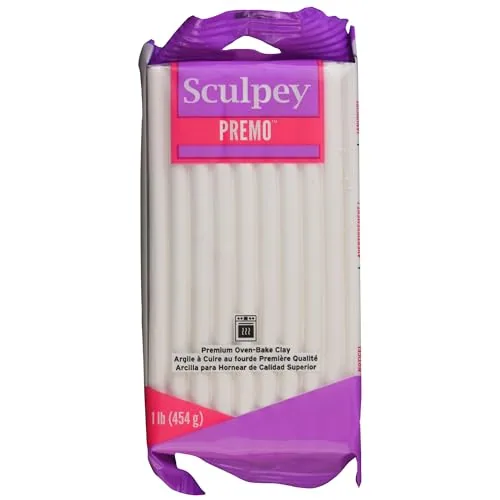
Sculpey Premo Polymer Clay, 1 lb, White
- Clay body
- Polymer oven bake
- Weight
- 1 lb Bar
- Color
- White
Best for Polymer jewelry and caning
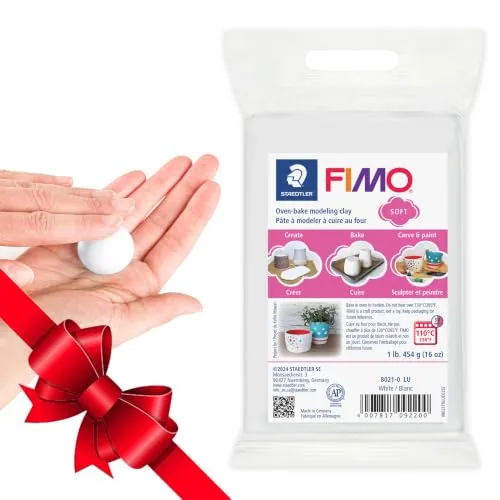
STAEDTLER FIMO Soft Polymer Clay, 1 lb, White
- Clay body
- Oven-bake polymer
- Weight
- 1 lb block
- Color
- White
Best for Beginners in polymer clay
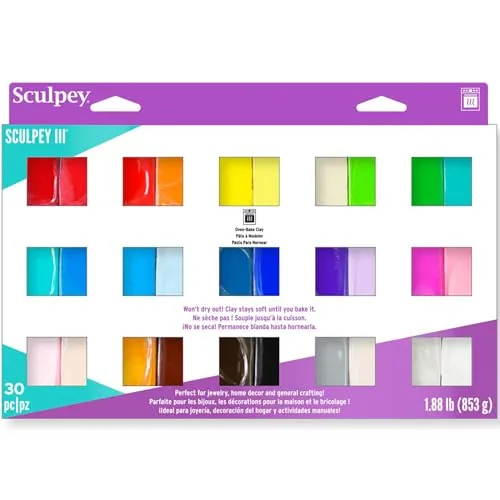
Sculpey III Polymer Clay Sampler, 30 x 1 oz
- Clay body
- Polymer oven bake
- Weight
- 1.88 lb (853 g)
- Count
- 30 Colors
Best for Trying polymer clay
Compare the two no-kiln routes in air-dry vs polymer clay, or browse the no-kiln hub.
Option 3: fire at a community studio
Many community studios, clay suppliers and schools fire work for non-members, usually by kiln shelf space or by weight. You make the pots at home, let them dry, and drop them off for bisque and glaze firings. Ask three questions before your first drop-off:
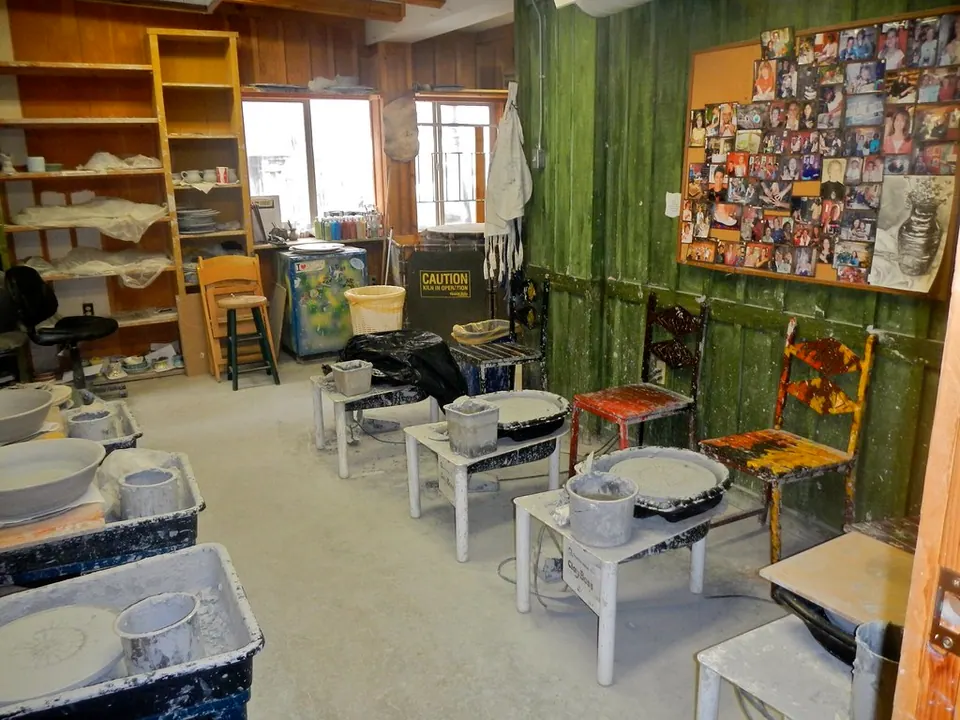
- Which cone do they fire to? Your clay and glaze must match it (often cone 6 for stoneware, cone 06–04 for earthenware).
- Do they accept outside clay and glazes, or only their own?
- How dry must work be, and how do they want it packed?
This route costs no wiring and no kiln space, which makes it the default for apartments. Buy a clay made for the studio’s cone.
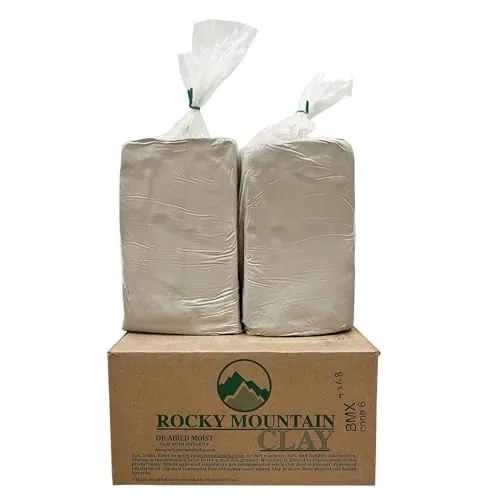
Rocky Mountain Clay B-Mix Cone 6 Stoneware, 50 lb
- Clay body
- Smooth white mid fire stoneware (B-Mix)
- Firing range
- Mid Fire Cone 6
- Weight
- 50lb
Best for Cone 6 wheel throwing

AMACO A-Mix Stoneware Clay No. 11, 50 lb, White
- Clay body
- Stoneware, No. 11 A-Mix
- Weight
- 50 Pounds
- Color
- White
Best for Stocking a home studio
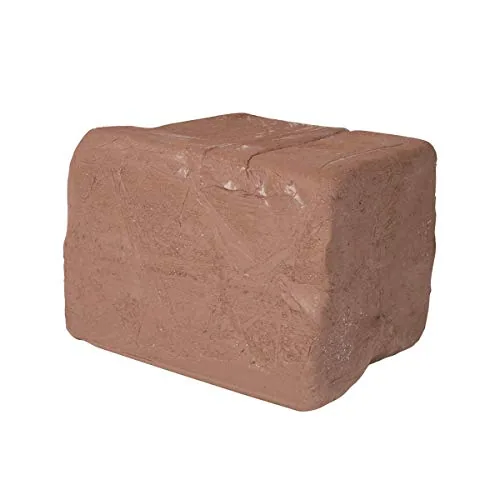
AMACO Terra Cotta 77 Earthenware Clay, 50 lb
- Clay body
- Low-fire earthenware, Terra Cotta 77
- Firing range
- 06-5
- Weight
- 50 Lbs
Best for Terra cotta pots and sculpture
Option 4: a 120 V plug-in kiln
Small 120 V kilns fire test tiles, jewelry, small bowls and mugs. “Plug-in” does not mean any outlet: kilns are continuous loads, so under the National Electrical Code’s 80% logic a kiln drawing 15 A needs a 20 A circuit. Many makers specify a dedicated circuit and a particular receptacle. Have a licensed electrician confirm the circuit before the first firing.
| Product | Voltage | Power | Max temperature | Interior size |
|---|---|---|---|---|
| Paragon Xpress Q11A 120V Kiln | 120v | 12amp | 2350 F | 6" W x 6" D x 6 1/4" H |
| Paragon SC2 120V Digital Kiln, Sentinel Touch | 120V | 14A / 1680W | — | — |
| Paragon Xpress E12A 120V Kiln | 120v | 15amp | 2000 F | 8 1/2" W x 12" D x 6 3/4" H |
Specs as listed by the maker or seller; check the listing before you buy.
Check the listed maximum against the cone you need. Paragon’s Q11A lists 2,350 °F, enough for cone 10 on Orton’s chart; the E12A lists 2,000 °F, which covers low-fire bisque and glazes at cone 04 (1,945 °F) but not cone 6. The SC2 listing does not give a maximum temperature in our data, so check the maker’s spec sheet.
Can I plug in my kiln? Outlet checkerEnter the kiln’s amps and your breaker to see whether the circuit is big enough.Option 5: a 240 V kiln
A full-size kiln runs on 240 V (or 208 V) and fires a real load of mugs, bowls and plates at once. It needs an electrician-installed circuit sized for its amps, clearances from walls, and usually a vent. The Skutt KM818 package in our catalogue is listed as “30 Amp” and includes a furniture kit and vent; the listing does not make clear whether that is the kiln’s draw or its breaker, so read the manual before planning the circuit.
The 120 V vs 240 V comparison and kiln electrical requirements go deeper.
What can each kiln actually reach?
The quickest honesty check on any kiln listing is its maximum temperature against the cone you need. Cone temperatures below are Orton’s medium-rate values (108 °F per hour over the last 180 °F).
Listed kiln maximums vs Orton cone temperatures
°F. Cones at Orton’s medium rate; kiln maximums as listed.
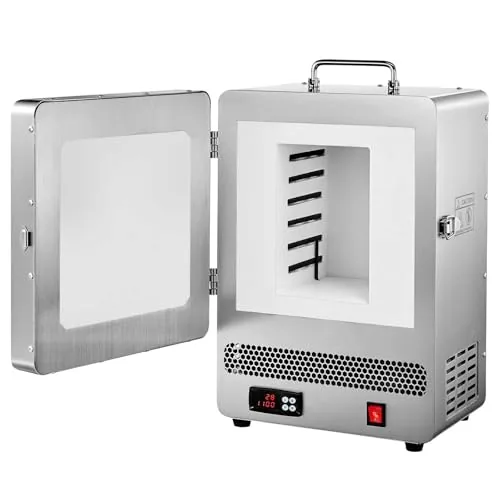
VEVOR 1650W Programmable Melting Furnace, 2192°F
- Max temperature
- 2192℉/1200℃
- Watts
- 1650W
- Interior size
- 8 x 5 x 6 inch / 203 x 127 x 152mm
Best for Jewelry, metal clay and small test tiles
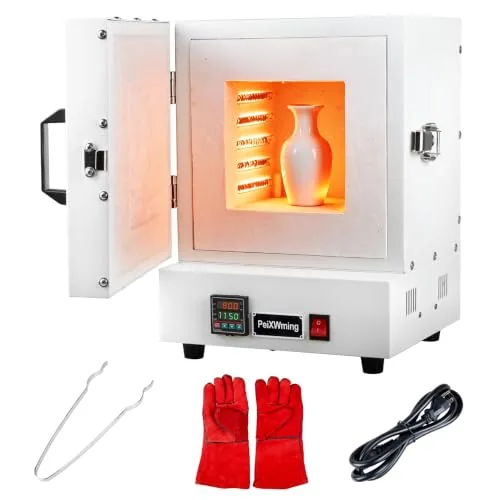
PeiXWming 2000W Jewelry Kiln, 2102°F
- Max temperature
- 2102℉/1150℃
- Watts
- 2000W
Best for Jewelry and metal casting
What about microwave kilns?
Microwave kilns are small insulated shells that heat inside a household microwave. They are sold for fusing small pieces of glass and for jewelry, and listings name glass such as COE 90. They are not made for clay. Our electric vs microwave kiln comparison explains the difference.
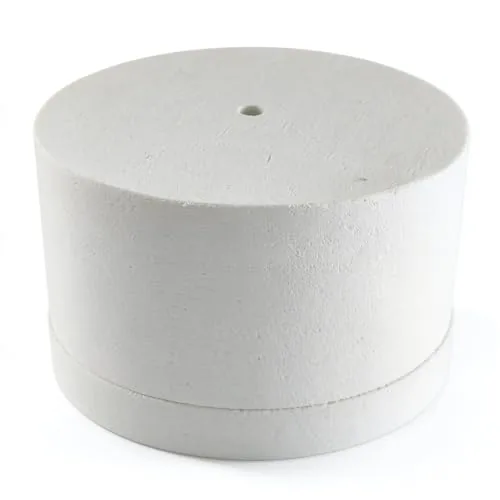
WICAND Large Microwave Kiln, 4.9" Platform
- Interior size
- 4.9" (12.5 cm) fusing platform
- Outer size
- 7.5" (19 cm) x 3.3" (8.5 cm)
- Microwave
- at least 800W
Best for Fused glass jewelry
Diamond Tech Fuseworks Microwave Kiln Kit
- Type
- Microwave glass fusing kit
Best for Glass fusing beginners
Which projects need a kiln, and which do not?
Sort your project list before you sort your budget. The table below splits common first projects by the route that actually suits them.
| Project | Kiln needed? | Best route |
|---|---|---|
| Mugs, bowls, plates for daily use | ✓ Yes | Studio firing or your own kiln, with a glaze listed as dinnerware-safe when fired as directed |
| Planters that sit outdoors | ✓ Yes | Fired stoneware; air-dry clay breaks down when wet |
| Ring dishes and trinket trays | ~ Optional | Air-dry clay with a sealer, or fired ceramic |
| Holiday ornaments | ✗ No | Air-dry or polymer clay |
| Earrings, pendants, charms | ✗ No | Polymer clay in a home oven |
| Sculpture practice and figures | ✗ No | Air-dry, polymer or oil-based modeling clay |
| Kids’ wheel-kit projects | ✗ No | The air-dry clay that comes with the kit |
If most of your list sits in the top rows, you need kiln access sooner or later. If it sits in the bottom rows, a kiln can wait, possibly forever.
Who should choose which route
- Curious beginners: a class or community studio first, plus air-dry clay at home for practice.
- Apartment potters: studio firing. A kiln in rented space needs a landlord’s yes, a correct circuit and ventilation.
- Jewelry makers and crafters: polymer clay, or a small furnace for metal clay and enamel, which is what the 2,192 °F units are built for.
- Regular throwers with a garage: a 240 V kiln pays you back in convenience once you fill a load every week or two.
- Teachers: check your school’s kiln rules first; see the kids and classroom hub.
So, do you need a kiln of your own? A quick path
- Decide what you want to make
Food and drink ware means fired ceramic with a glaze the maker lists as dinnerware-safe when fired as directed. Decor, jewelry and kids’ projects can stay kiln-free.
- Find a firing service nearby
If one exists, use it for your first months. It is the cheapest way to learn which cone and clay you like.
- Check your panel before you shop
Look at your breaker panel for spare space and note the outlet near your kiln spot. Run the numbers in the outlet checker, then ask a licensed electrician.
- Match the kiln to your cone
Pick a kiln whose listed maximum clears the cone you fire. Leave headroom rather than running at the limit.
- Budget the running cost
Electricity is the smallest part of owning a kiln, but it is worth knowing. The firing cost guide works an example with state rates.