Alldeer
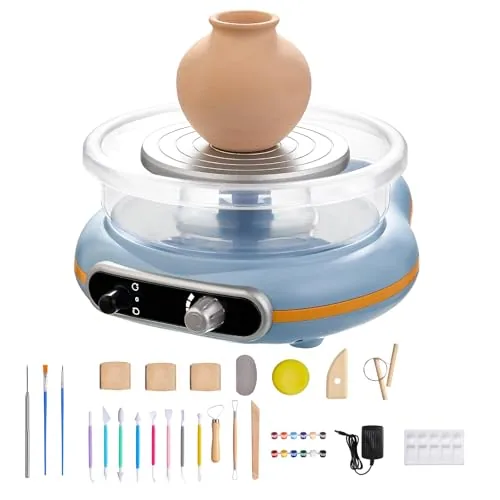
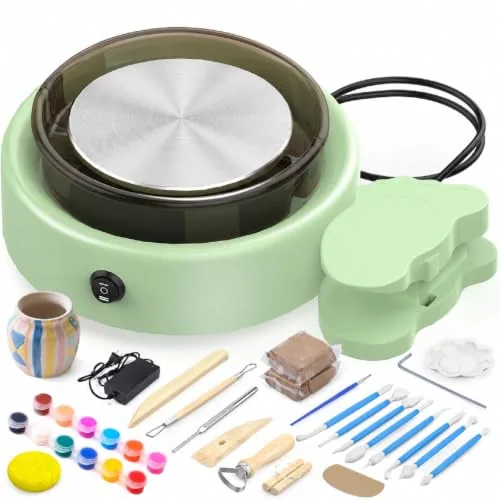
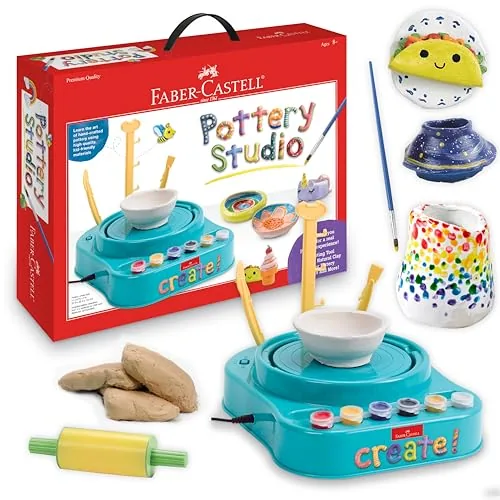
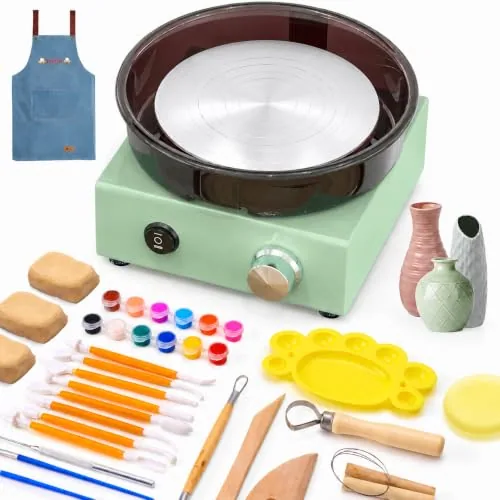
Alldeer PW103 6" Mini Pottery Wheel Kit for Kids
- Wheel head
- 6inch
- Direction
- Two-way rotation
- Clay
- 3 blocks of air-dry clay
Best for A first pottery gift for kids
Air-dry clay, polymer clay, paper clay, sealers and kits for projects that never go near a kiln, plus the tools that work with them.
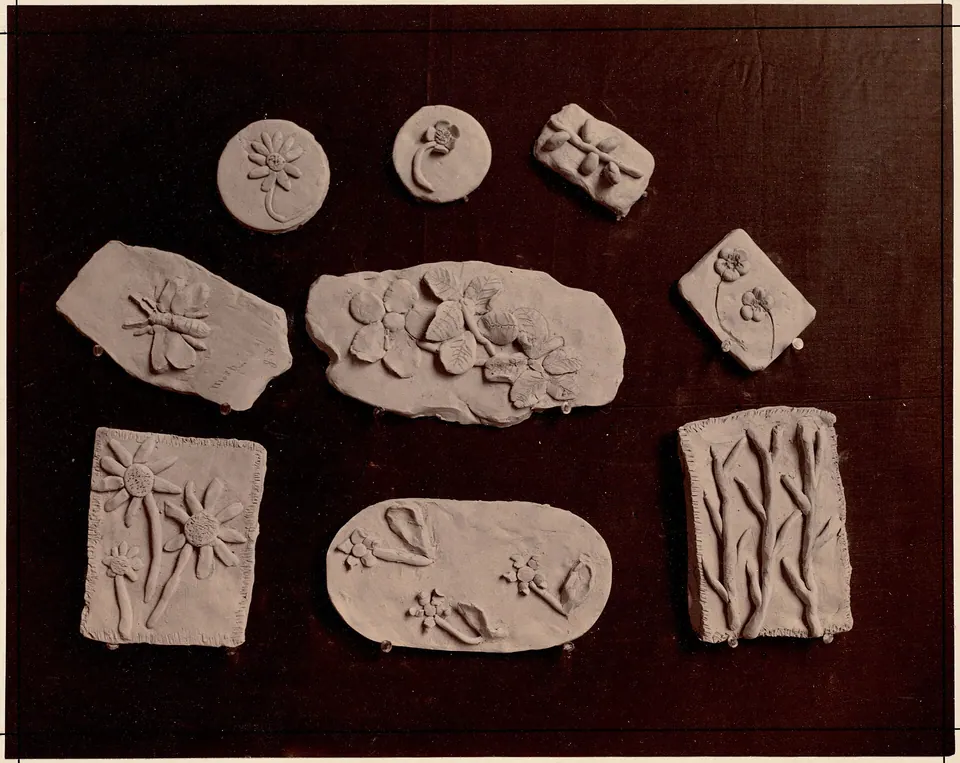
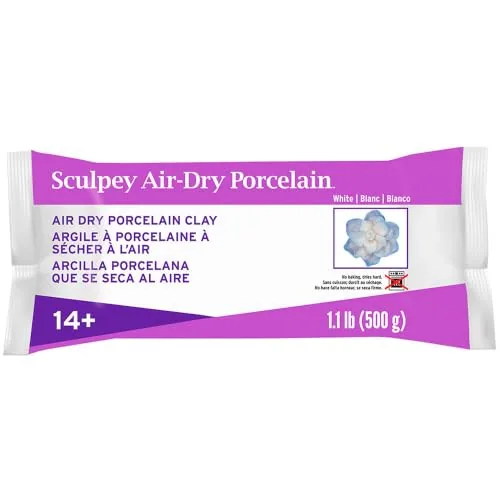
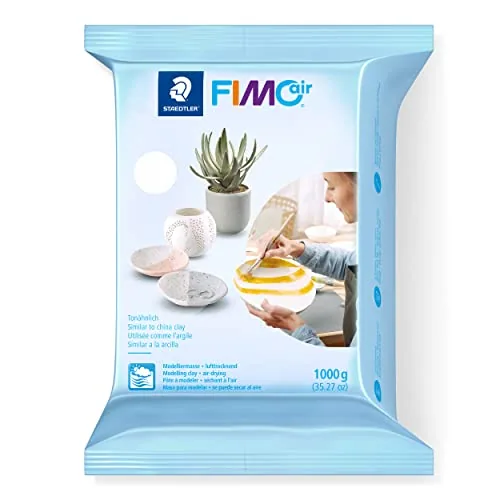
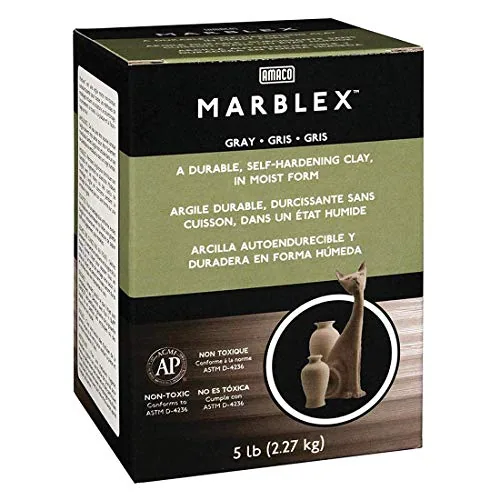
Yes, pottery without a kiln is possible, with one honest limit: the pieces are decorative, not functional. Air-dry clay hardens at room temperature, polymer clay hardens in a home oven, and neither becomes ceramic. Neither should hold food or drink.
That still covers a lot: trinket dishes, ornaments, jewelry, planters for faux plants, figures and classroom projects. This hub groups the clay, kits, hand-building tools and sealers that work without firing.
Best for A first pottery gift for kids
Best for Adults and teens trying the wheel
Best for Older kids and teens
Best for Kids and casual beginners
Best for Young children
Best for Kids aged 8 and up
Best for Kids learning wheel basics
Best for Kids aged 6 and up
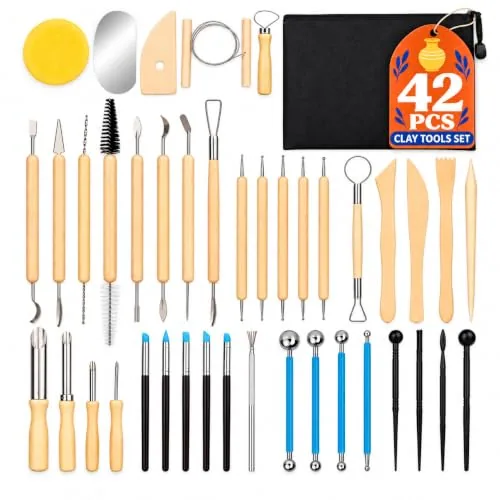
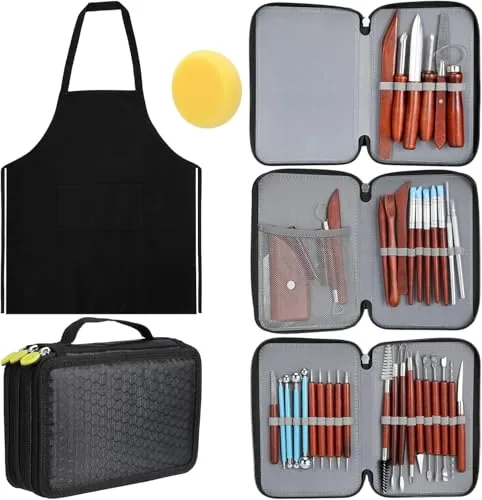
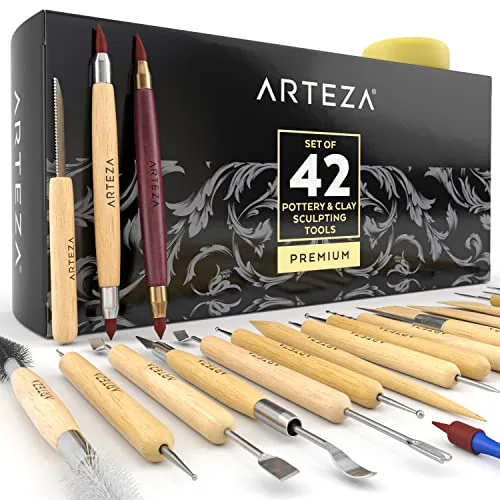
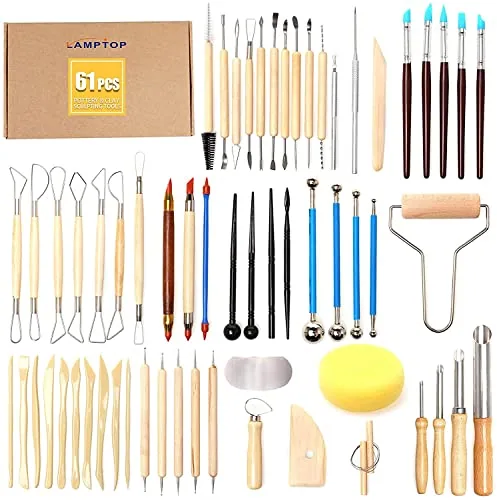
Best for Detailed no-kiln sculpting
Best for Lightweight no-kiln figures
Best for Kids and classroom projects
Best for No-kiln sculpting
Best for Artists working without a kiln
Best for Delicate no-kiln detail work
Best for Pottery-style decor without a kiln
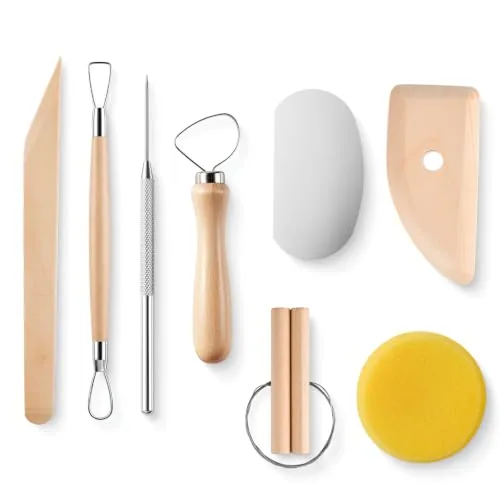
Best for Hand-building without a kiln
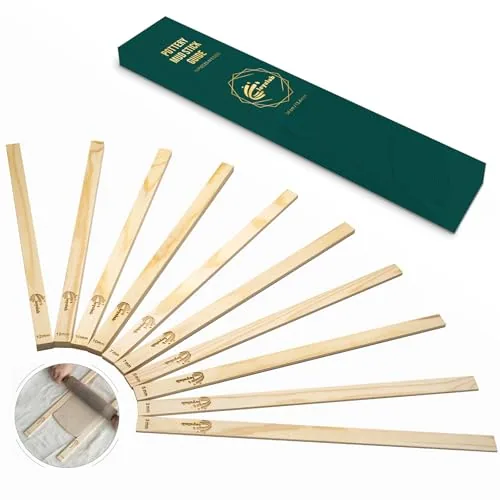
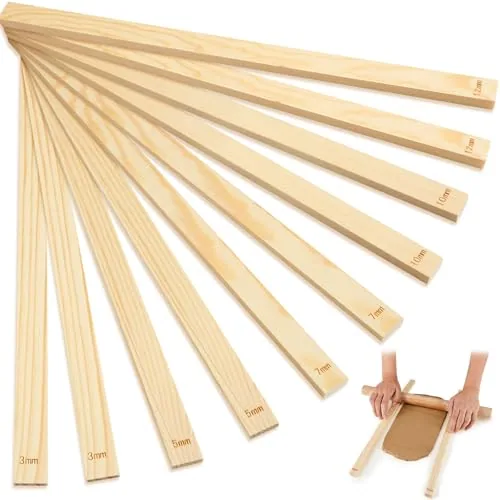
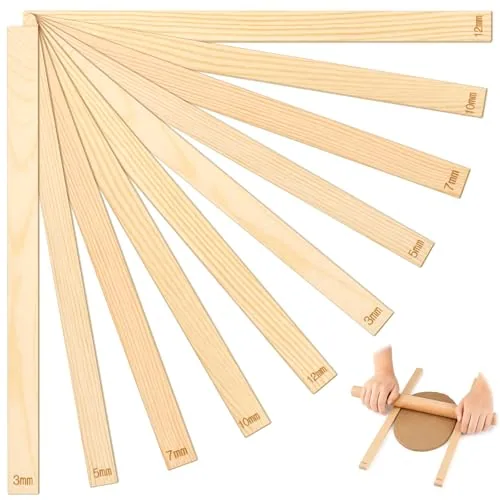
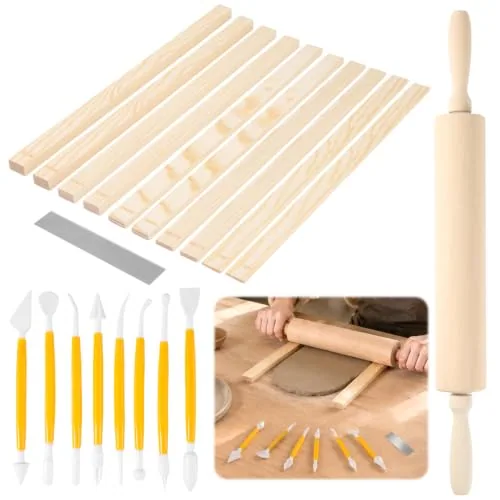
Best for Even slabs without a slab roller
Best for Rolling slabs by hand
Best for Consistent slab thickness
Best for A simple slab-building starter set
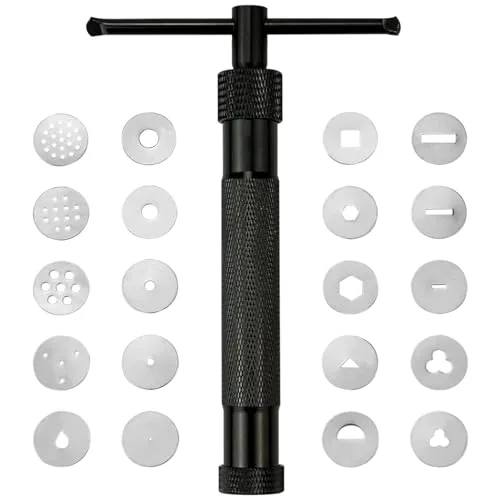
Best for Small coils and decorative strands
Best for Fine decorative extrusions
Best for Polymer clay details
Best for Extruded coils and handles
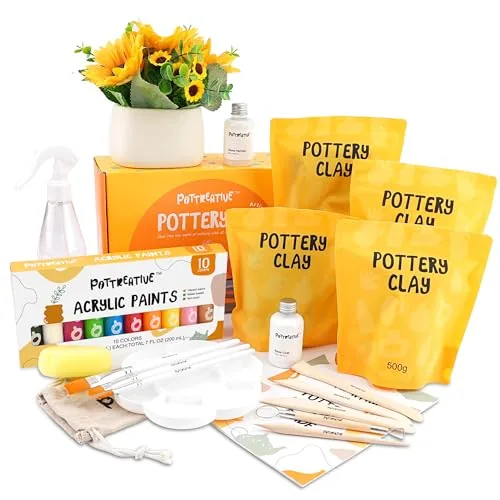
Best for An affordable first kit
Best for Air-dry and polymer detail work
Best for Carving and detailing
Best for Polymer and air-dry sculpting
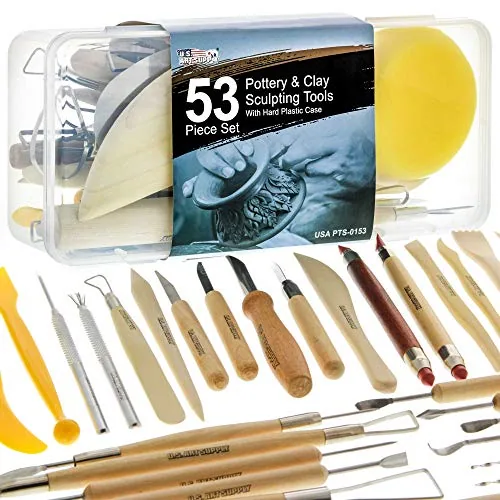
Best for Trying many tool shapes
Best for A relaxed first try at clay
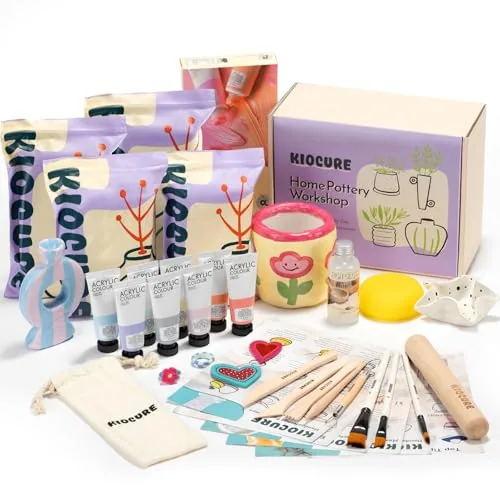
Best for Adult beginners and gifts
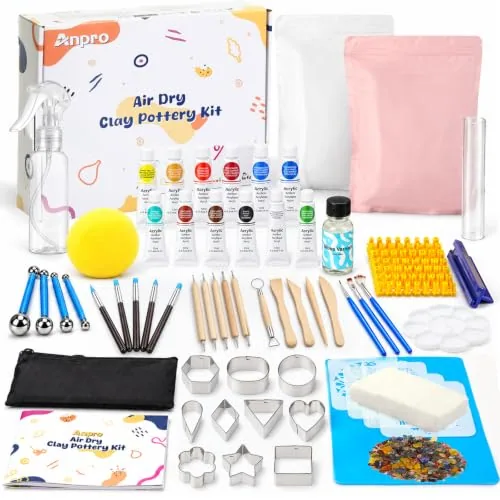
A no-bake air-dry clay set with 22 tools, 12 paints, metal cutters, letter and lace molds, varnish and a…
Best for Decorative small pieces
Best for Several projects from one box
Best for Families crafting together
Best for Kids' first wheel
No-kiln clay types in our catalogue
| How it hardens | Listed example | Best for | |
|---|---|---|---|
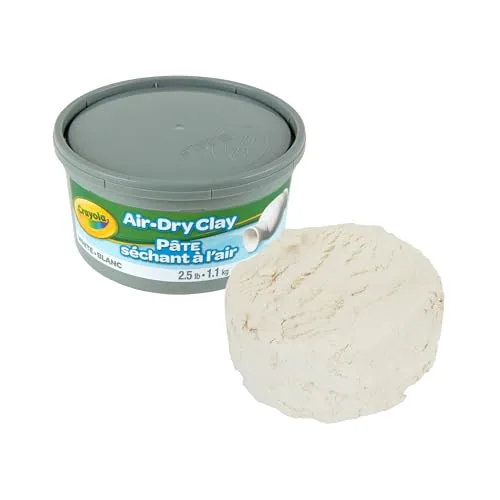
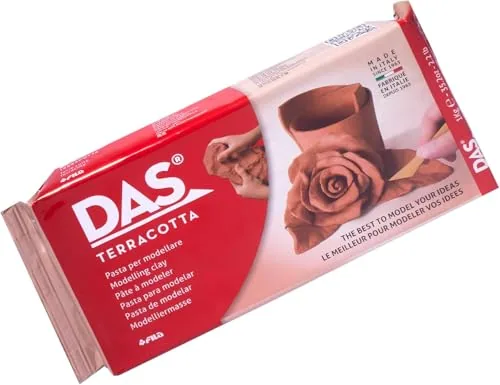
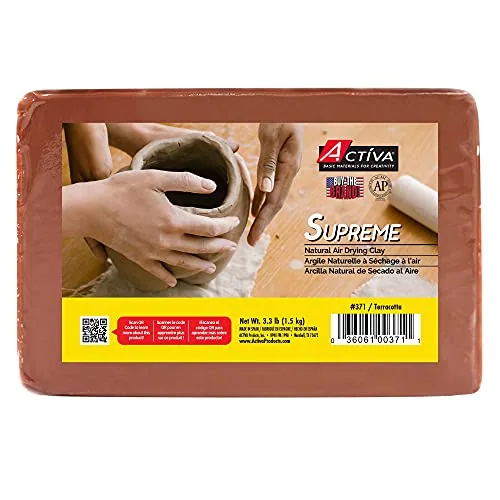
| Air-dry clay | Room temperature | Activa Supreme: ¼ in dries in 24 hours | Dishes, planters, decor |
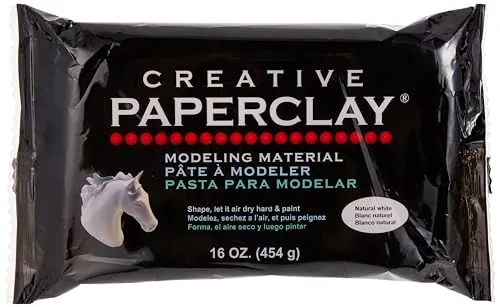
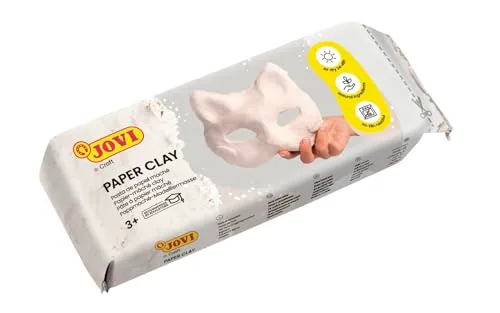
| Paper clay | Room temperature | Jovi PatMache: ½ in in about 24 hours | Light sculpture, masks |
| Polymer clay | Home oven | FIMO Soft: 230 °F for 30 minutes | Jewelry, figures, detail |
| Air-dry polymer | Room temperature | Padico Modena: translucent after drying | Miniatures, flowers |
| Oil-based clay | Never hardens | Chavant NSP, Van Aken Plastalina | Modeling and maquettes |
Source: Clay at Home catalogue (listing data)
Follow the listed time per thickness. Thick air-dry pieces need longer; turn them so the underside dries too.
Acrylic paint works on both air-dry and baked polymer clay.
Varnish protects the surface from moisture and handling but does not make it food-safe. See how to seal air-dry clay.
 Best of
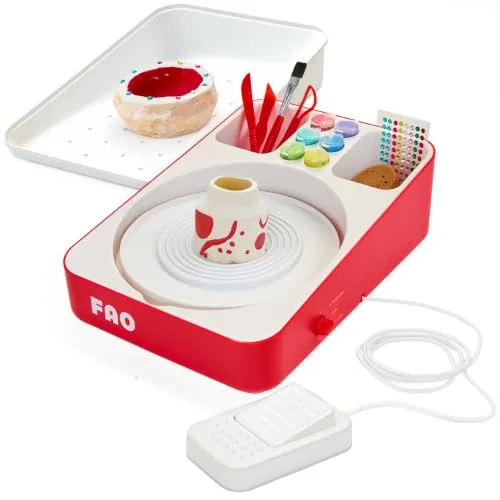
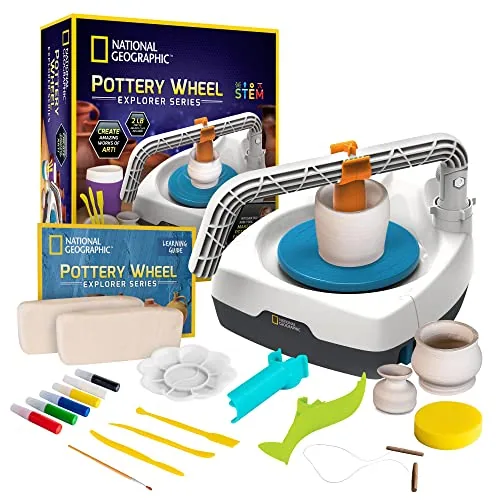
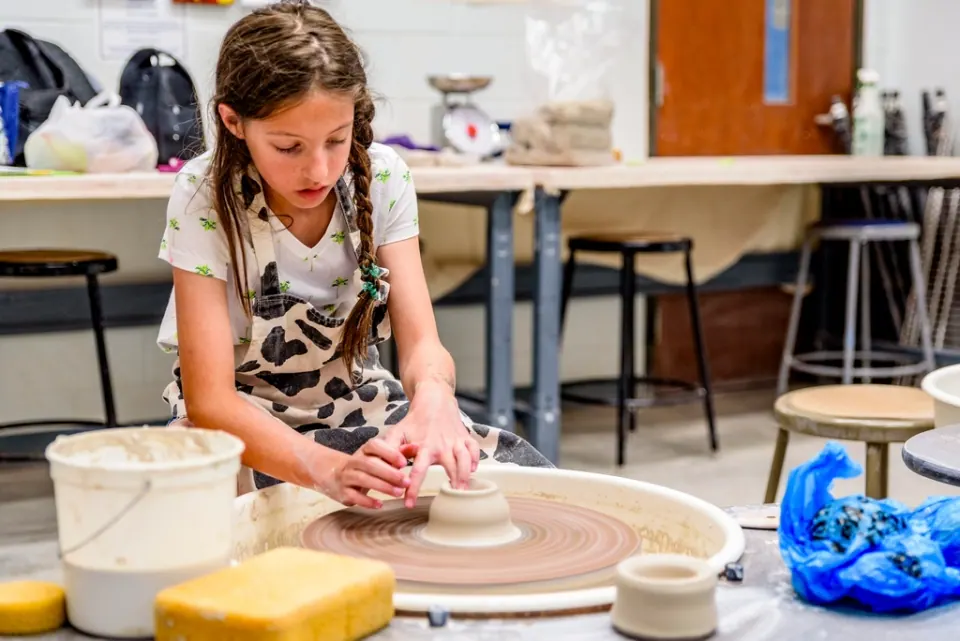
The best pottery wheel for kids, sorted by the age each maker states: National Geographic, SKIRFY, Alldeer, FAO…
 Best of
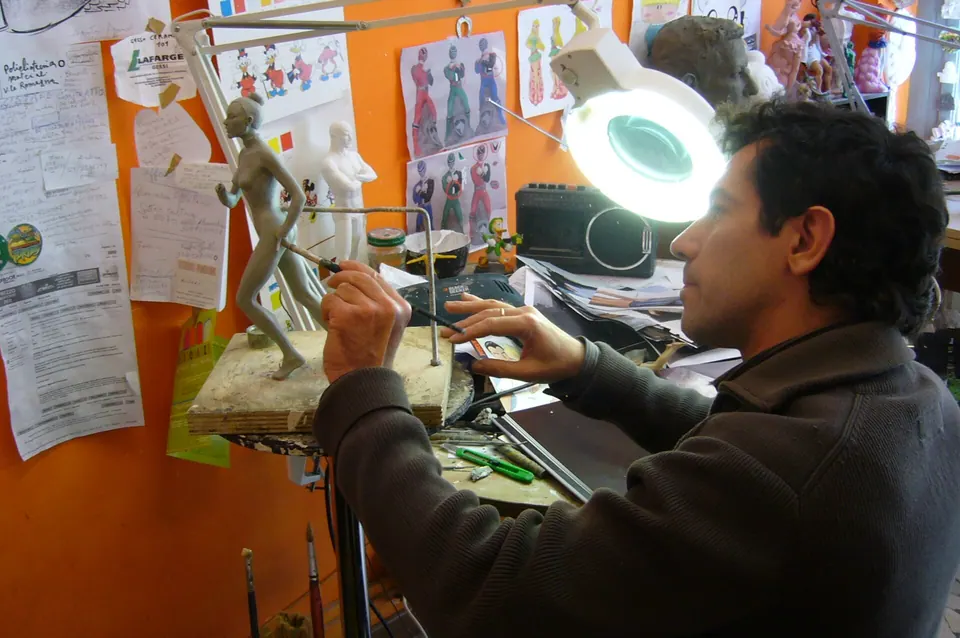
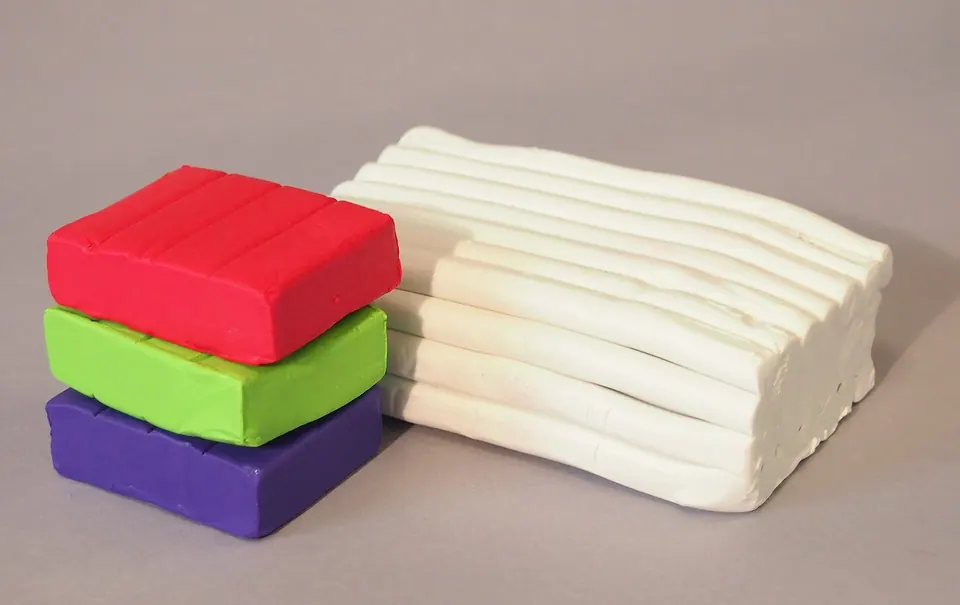
The best air-dry clay for home crafts: Activa, DAS, Crayola, FIMOair, Sculpey and paper clay compared by listed…
 Best of
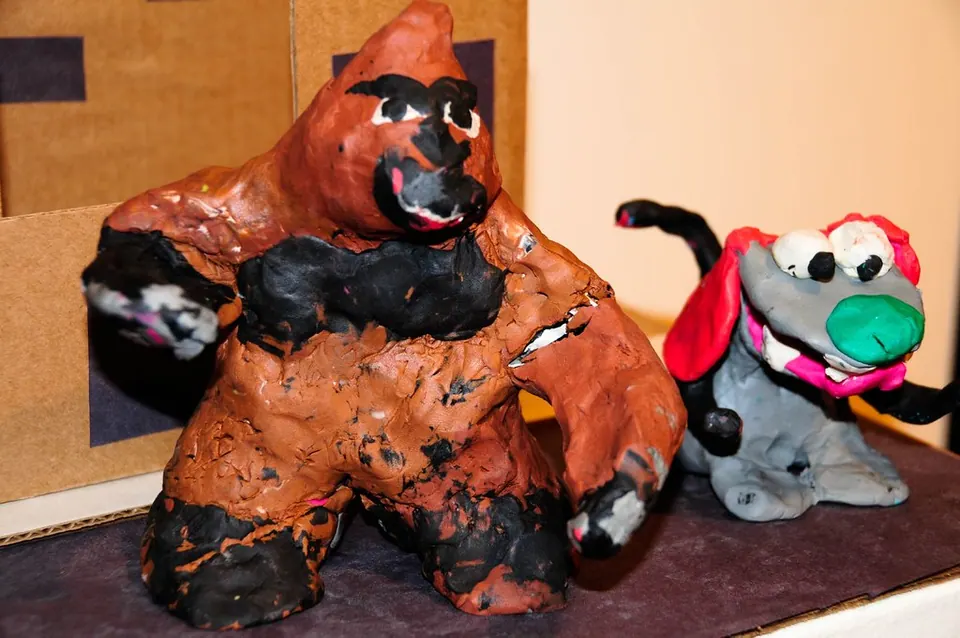
The best polymer clay for jewelry and sculpting: Sculpey Premo, FIMO Soft and Professional, Super Sculpey and big…
 Best of
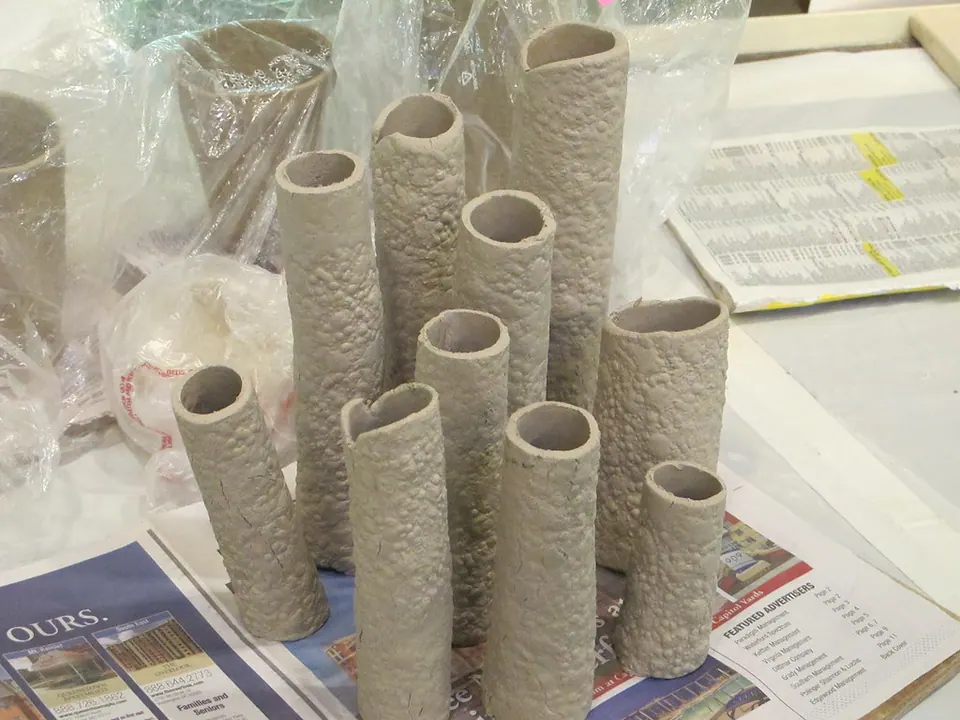
The best clay for kids depends on age and whether you have an oven or kiln: Crayola, Jovi, Sculpey, FIMO and AMACO…
 Best of
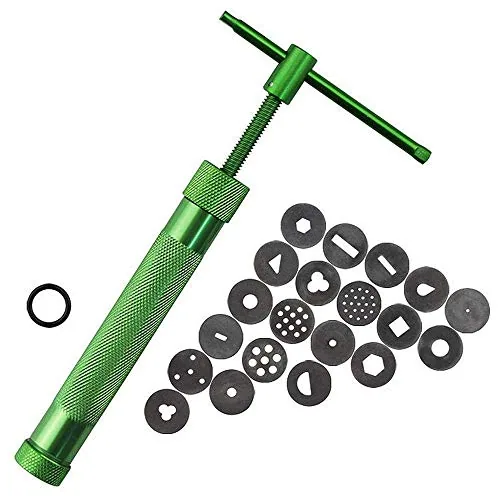
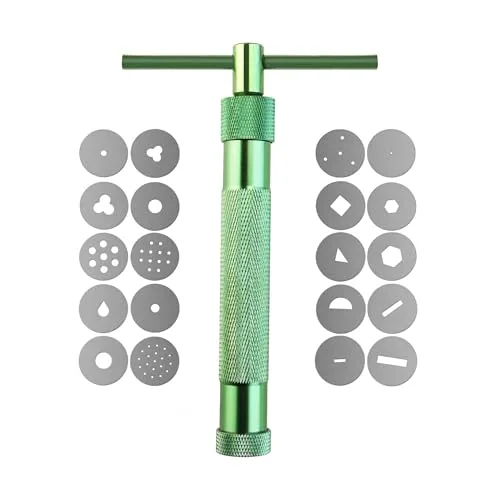
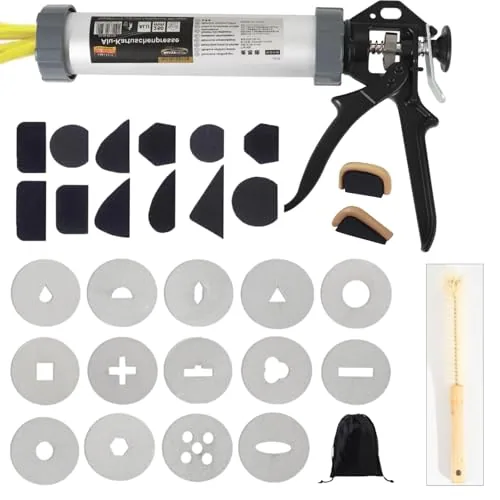
The best clay extruder for home pottery depends on scale: clay guns for small coils, handle cutters for mugs. Compare…
 Best of
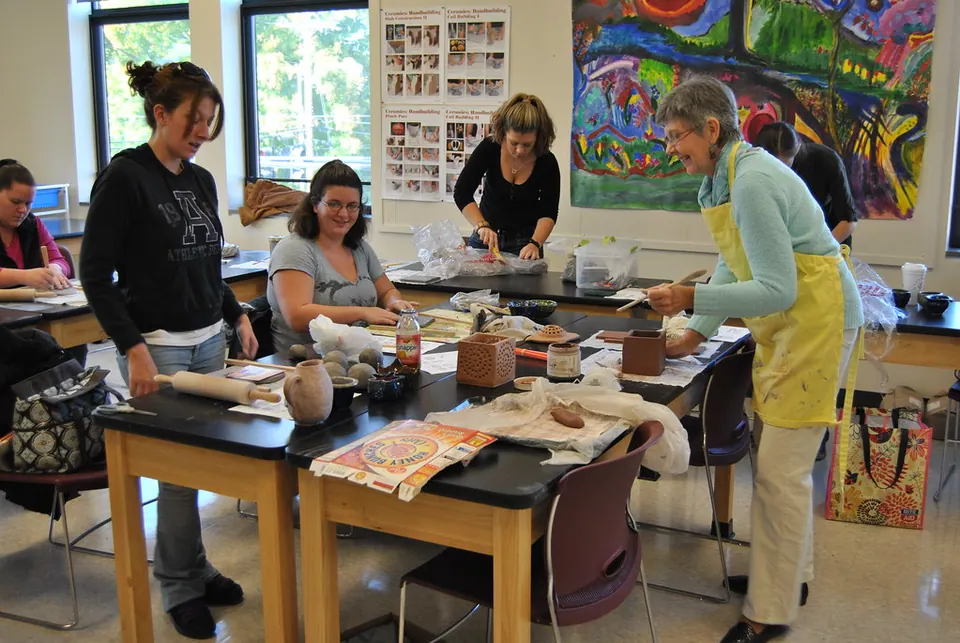
The best pottery kit for adults lets you make real pieces at home with no kiln. Compare 8 air-dry and mini-wheel kits…