VEVOR
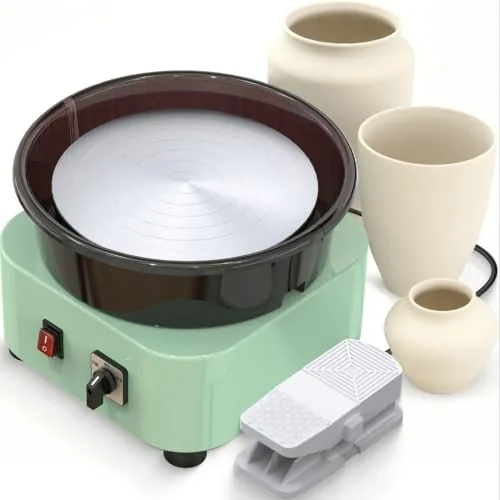
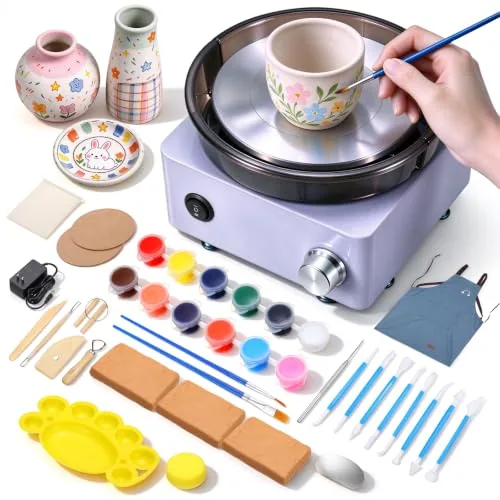
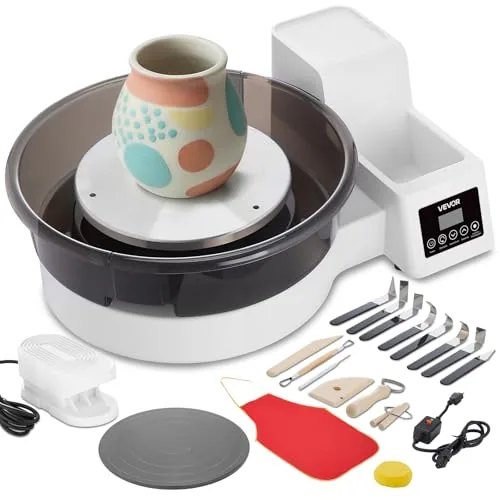
VEVOR 450W Tabletop Pottery Wheel, 11" & 14" Heads
- Motor
- 450W
- Wheel head
- 11" and 14" turntables
- Centering capacity
- up to 11 lbs of clay
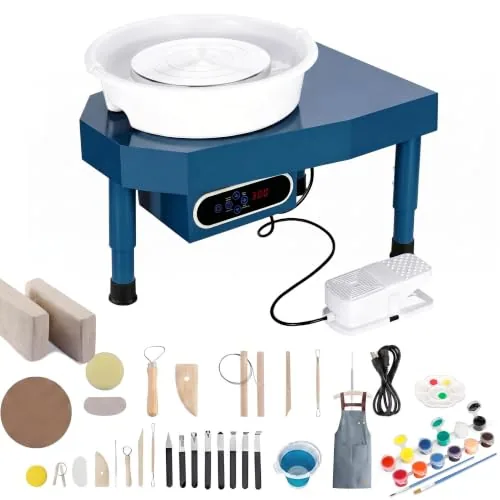
Best for Beginners setting up a tabletop wheel at home
Pottery for beginners is easier when you buy in stages. You do not need a wheel, a kiln and a shelf of glazes on day one. Most people start in one of three places: hand-building with air-dry clay, a tabletop or studio wheel with kiln clay fired at a community studio, or a kids' kit wheel for a child.
The products below carry the beginner tag because their listings point to forgiving setups: tool kits with the basic eight tools, low-fire and cone 6 clay in 5–10 lb bags, sampler glaze sets and compact wheels. Use the studio checklist to see what each stage needs.
Best for Beginners setting up a tabletop wheel at home
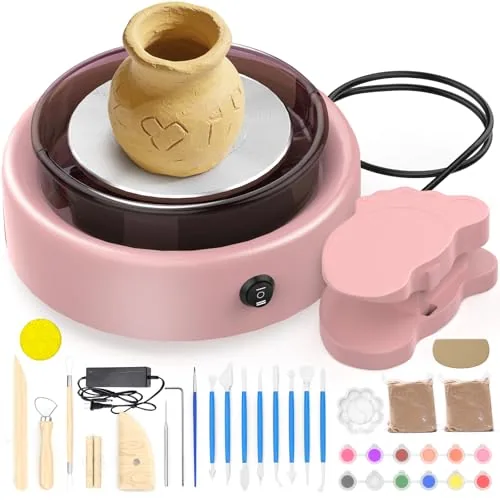
Best for Adult beginners wanting a full-size head
Best for Beginners who want a larger wheel head
Best for Adults and teens trying the wheel
Best for Older kids and teens
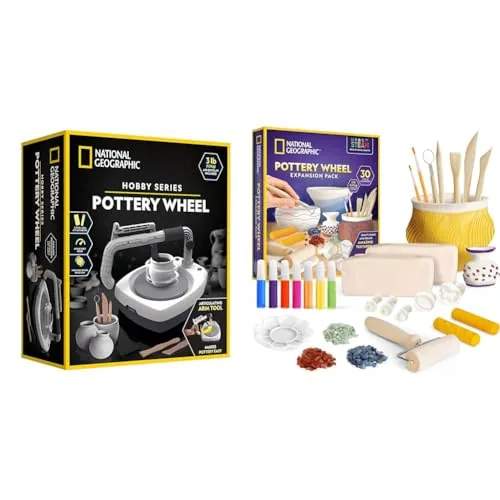
Best for Kids and casual beginners
Best for A starter gift for kids or teens
Best for Young children
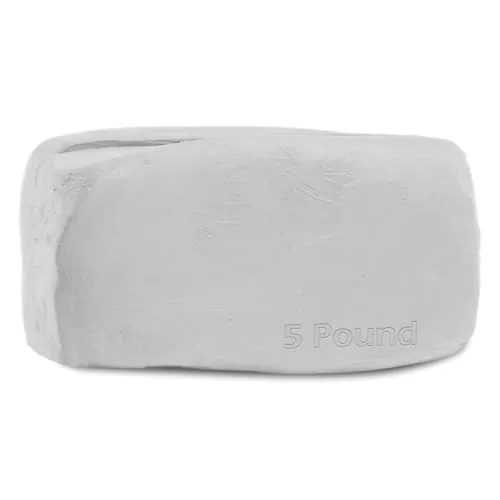
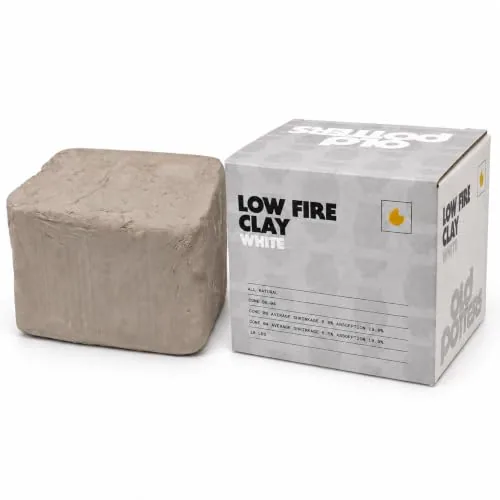
Best for Trying low-fire clay before buying a box
Best for Beginners firing at a studio
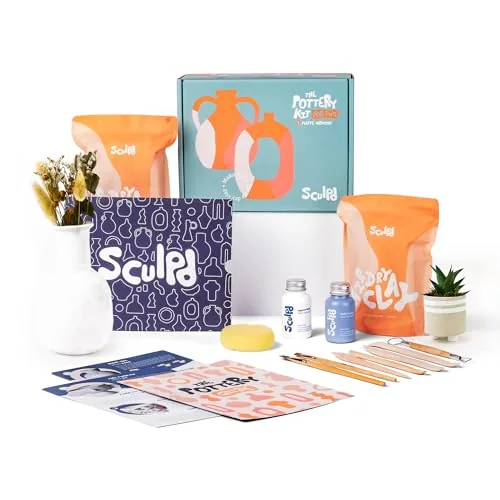
Best for Beginners on low-fire clay
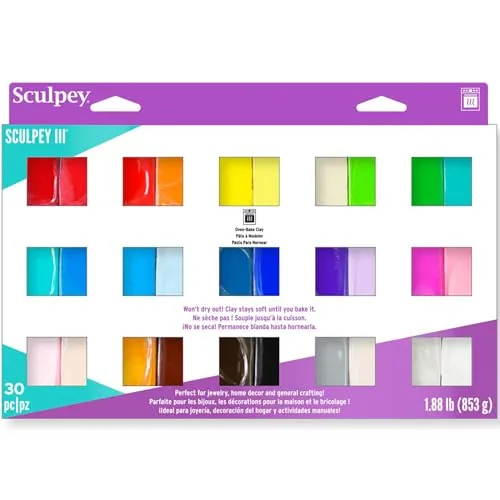
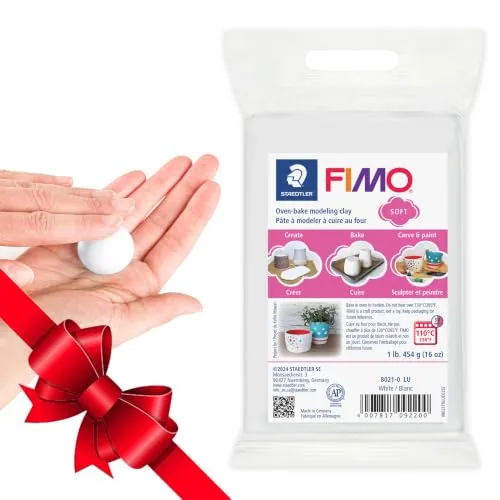
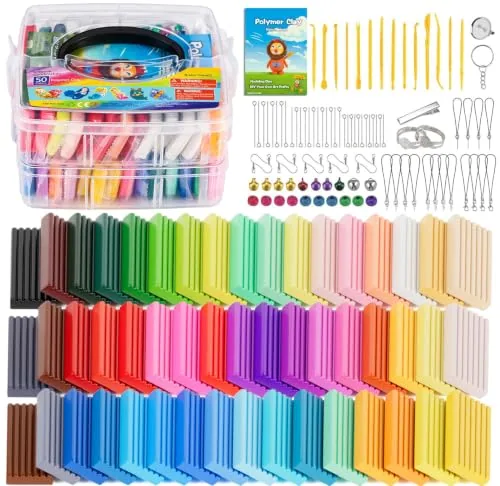
Best for Trying polymer clay
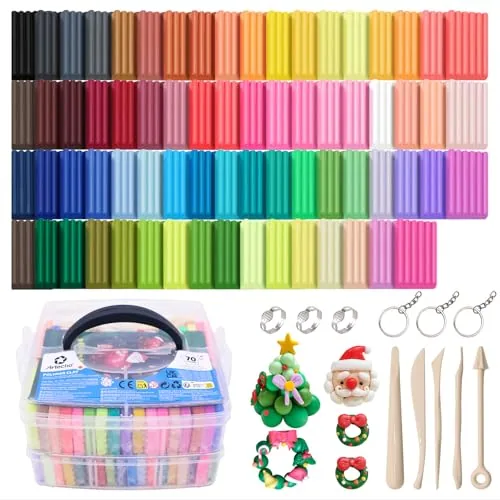
Best for Beginners in polymer clay
Best for Kids and beginners
Best for Adults starting polymer jewelry
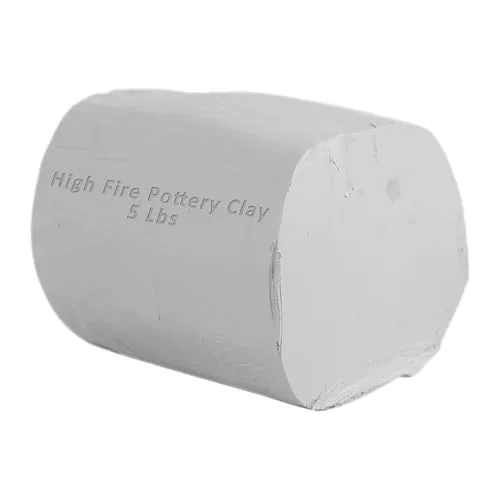
Best for Testing a cone 6 clay in small amounts
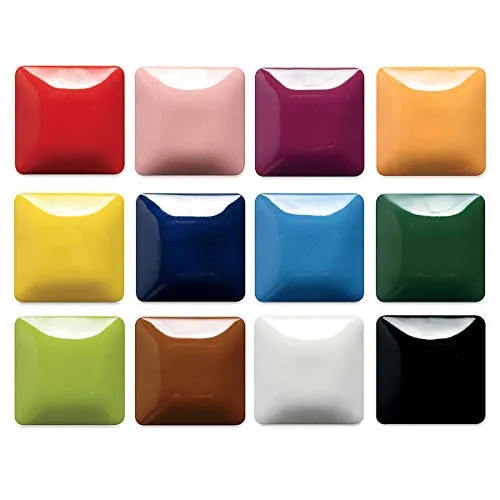
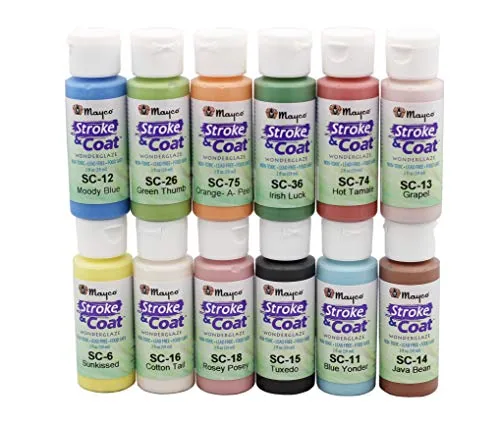
Best for A first glaze palette for home or class
Best for Beginners painting pottery
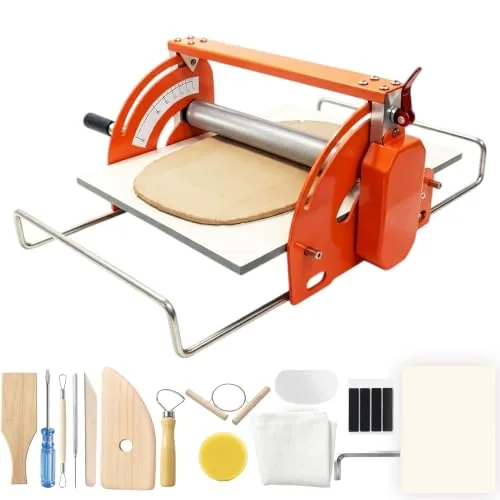
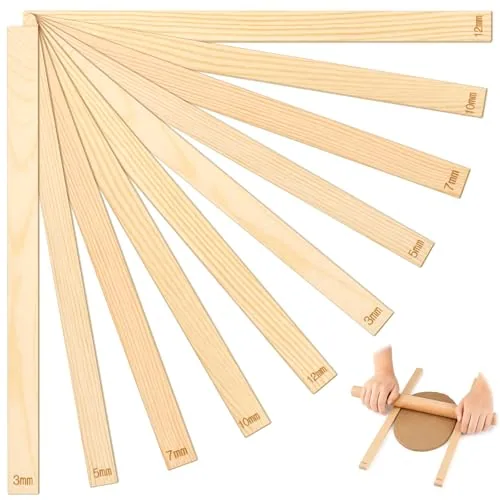
Best for Home studios starting slab work
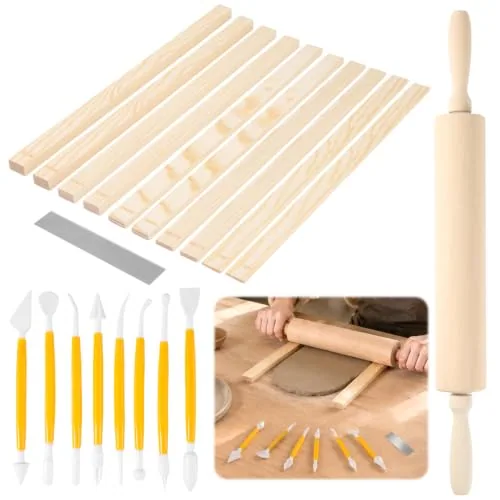
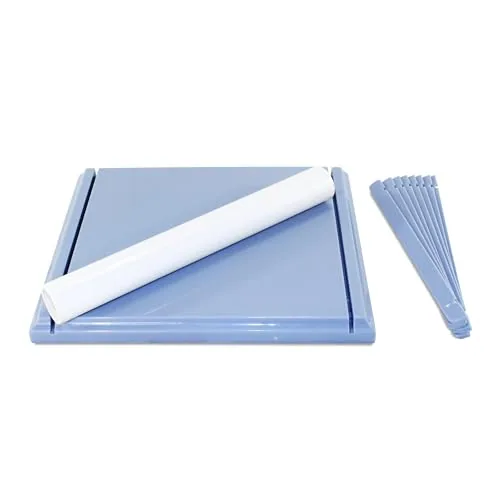
Best for Even slabs without a slab roller
Best for Rolling slabs by hand
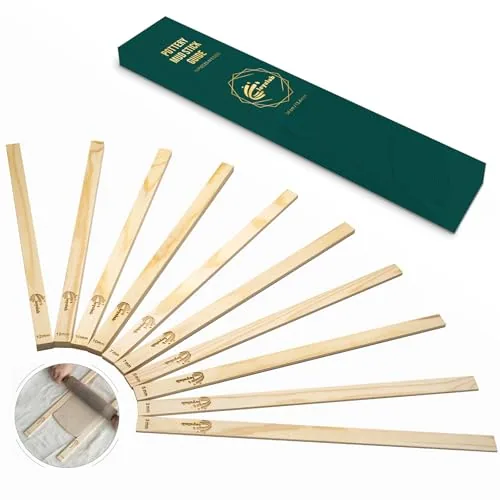
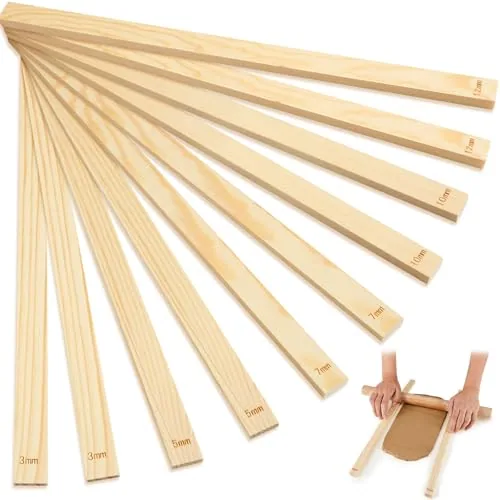
Best for Consistent slab thickness
Best for A simple slab-building starter set
Best for Small slabs and polymer projects
Best for Making matching plate sets
Best for Small bowls and plates
Best for An affordable first kit
Best for Air-dry and polymer detail work
Best for Carving and detailing
Best for Starting on the wheel or by hand
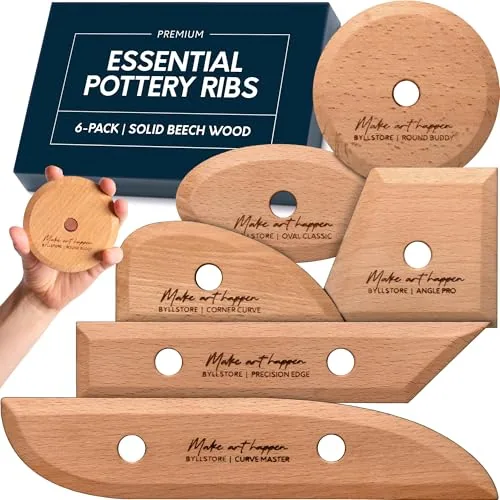
Best for A basic rib set
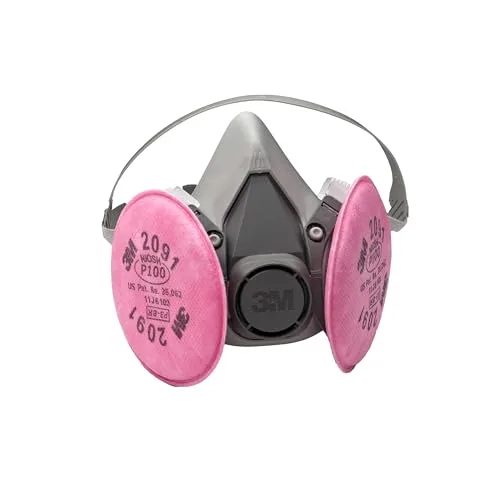
Best for A first respirator for dusty tasks
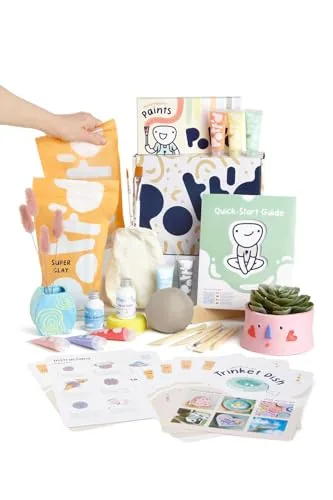
Best for A relaxed first try at clay
Best for A shared beginner project
Best for Adult beginners and gifts
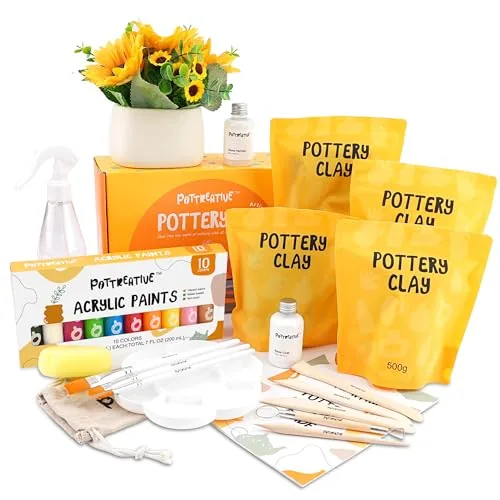
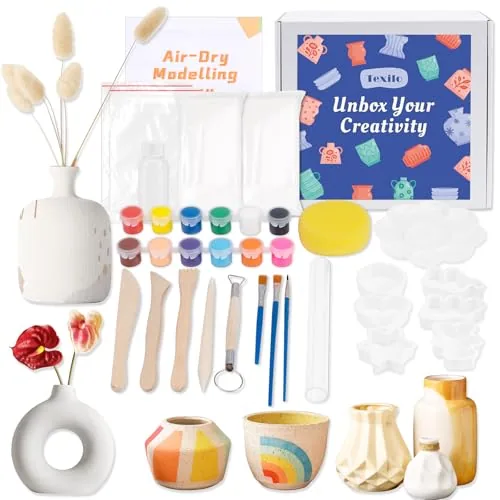
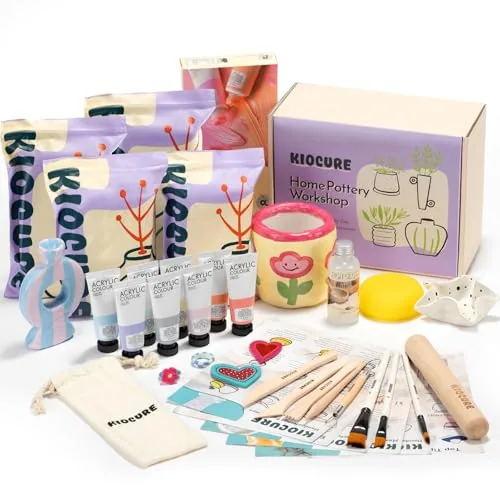
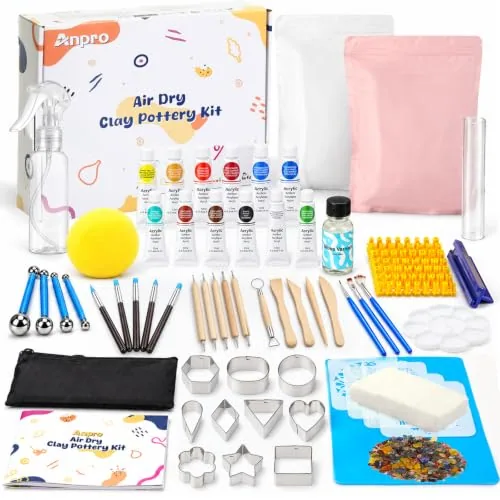
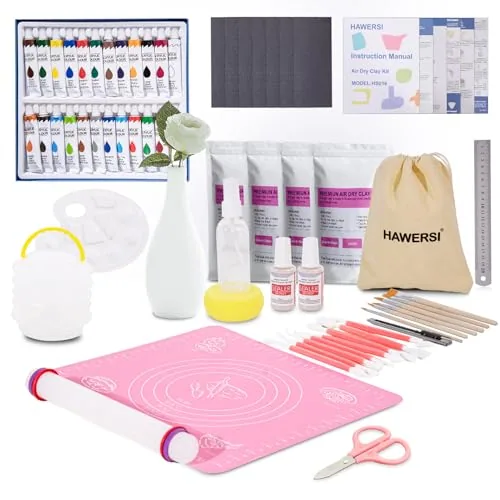
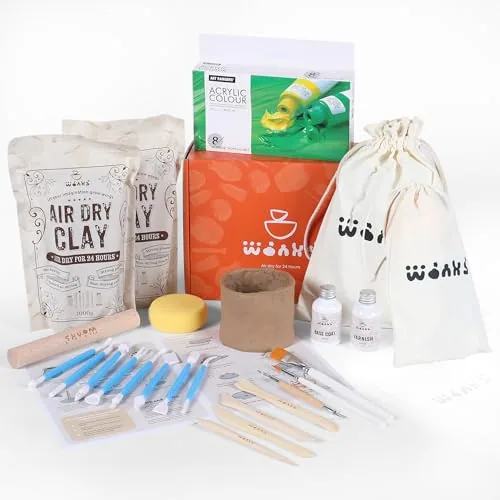
A no-bake air-dry clay set with 22 tools, 12 paints, metal cutters, letter and lace molds, varnish and a…
Best for Decorative small pieces
Best for Several projects from one box
Best for Families crafting together
No kiln means air-dry or polymer clay. A community studio or firing service means kiln clay. Read do you need a kiln?.
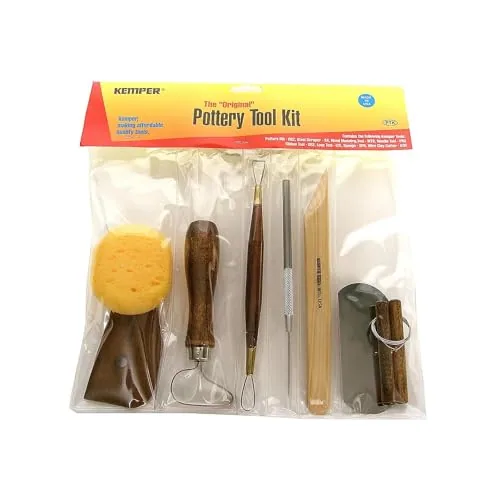
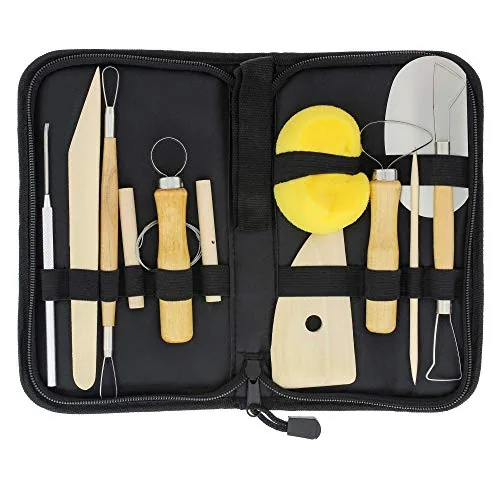
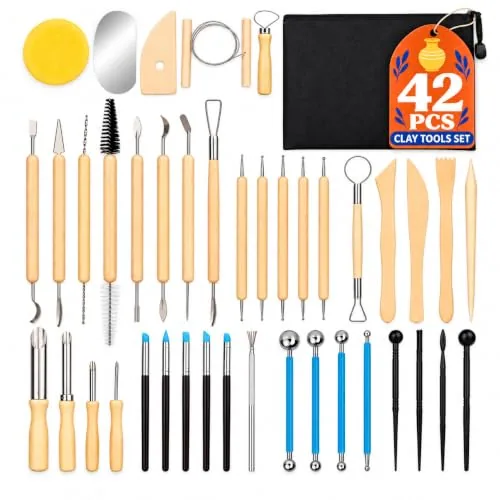
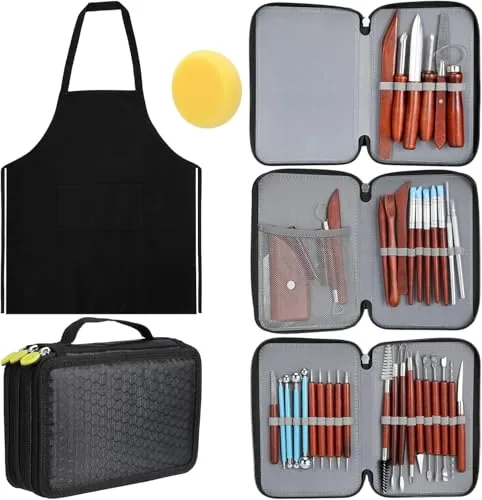
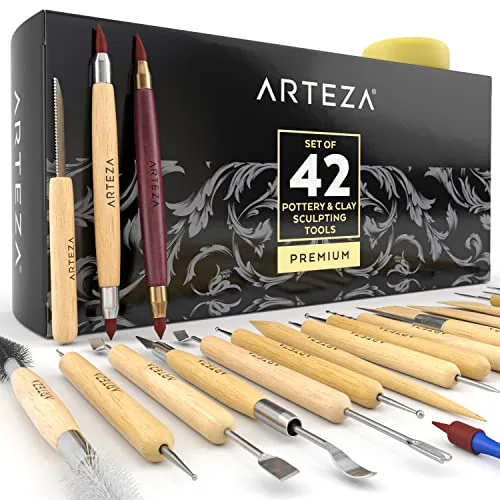
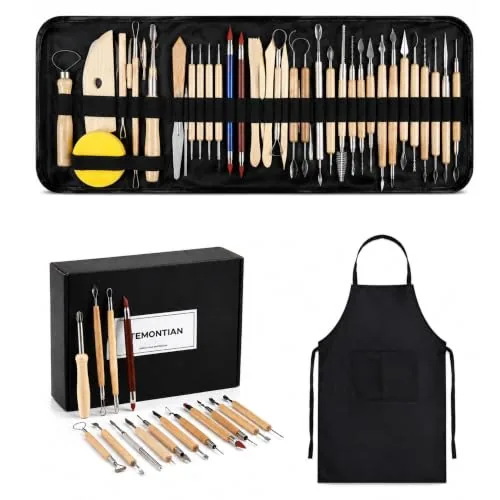
A 5–10 lb bag and a sponge, wire, needle tool, ribs and a loop tool. See best tool kits.
Compare listed centering capacity and wheel head in best pottery wheel for beginners.
Pick one cone range that matches your clay. Start with beginner glaze sets.
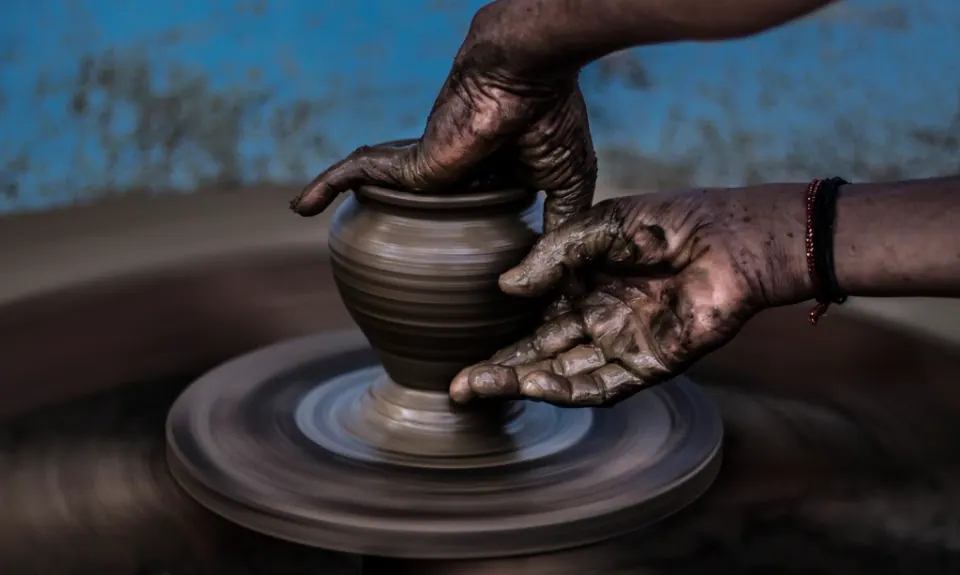 Best of
The best pottery wheel for beginners, compared by centering capacity, motor, wheel head, reversing and noise:…
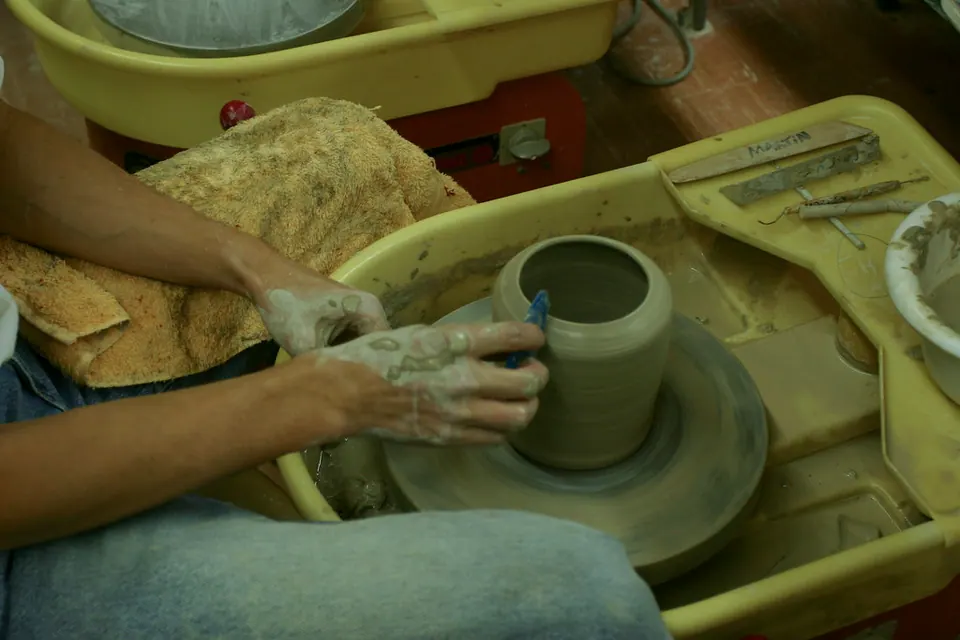 Best of
The best pottery wheel for home studios, compared by centering capacity, motor, wheel head, reversing and noise:…
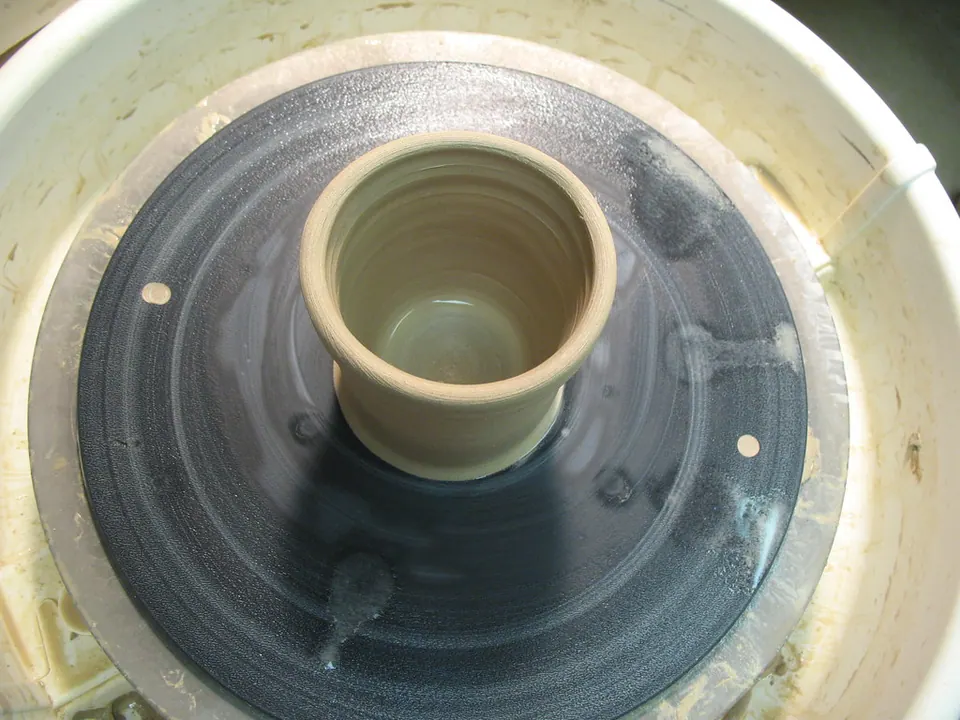 Best of
The best tabletop pottery wheel for small spaces, compared by motor, centering capacity, head size, reverse and noise:…
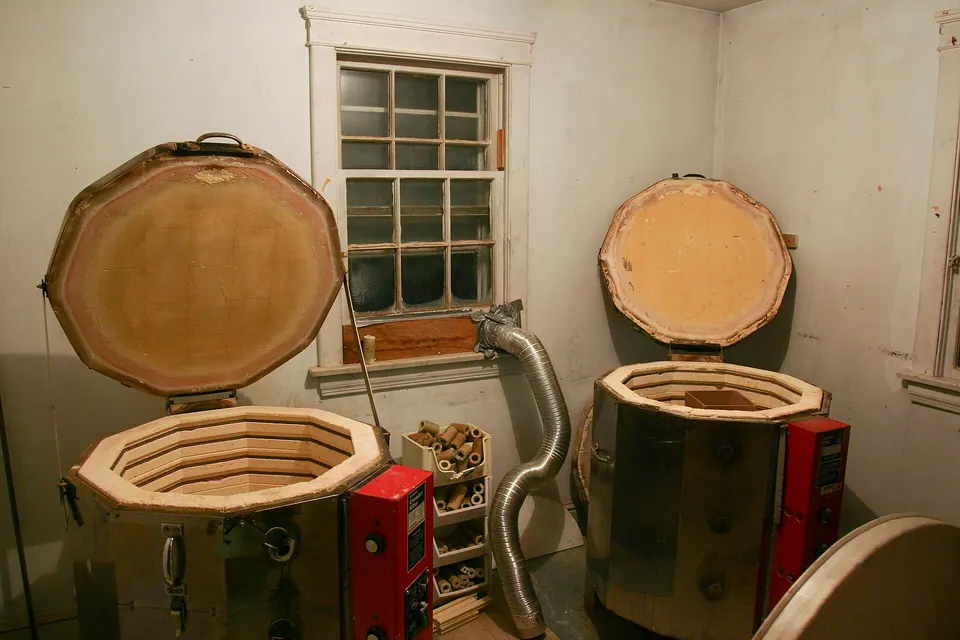 Best of
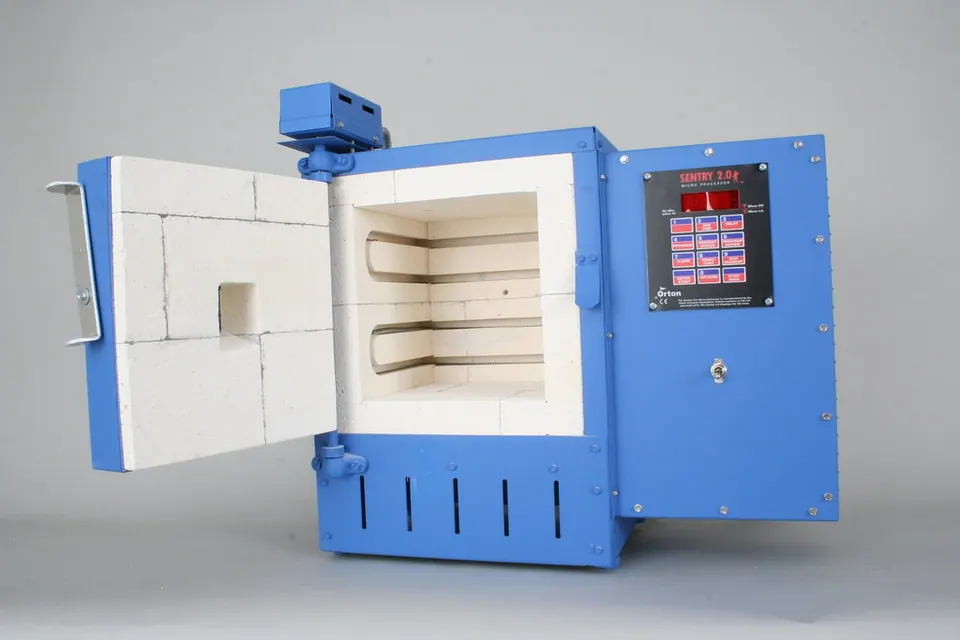
The best kiln for home pottery depends on your circuit and cone: Skutt and Paragon kilns compared by volts, amps and…
 Best of
The best 120V kiln for you depends on cone and amps: Paragon and Skutt plug-in kilns compared by listed specs, plus…
 Best of
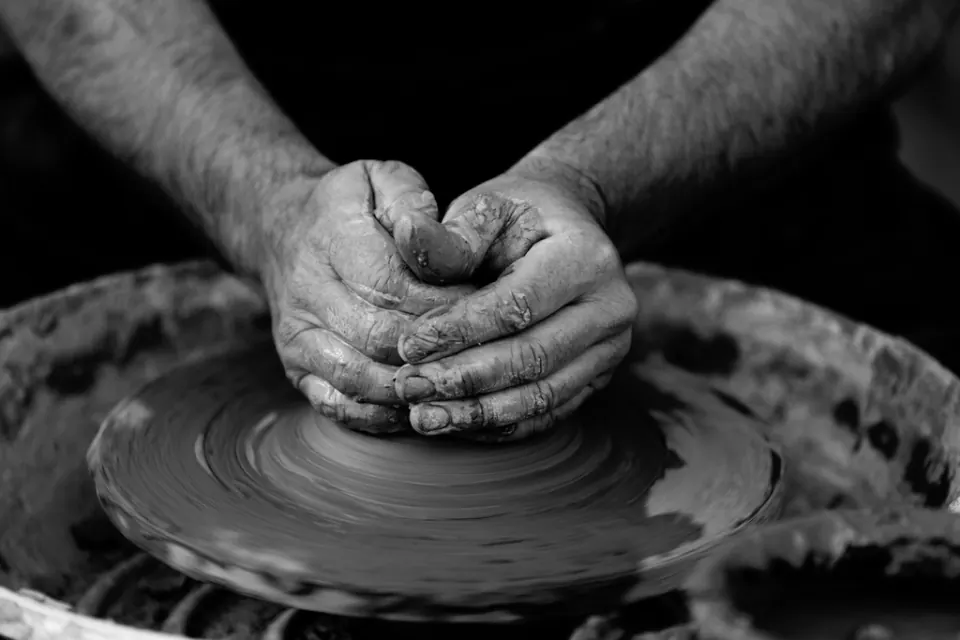
The best clay for pottery wheel work matches your kiln's cone: mid-fire stoneware from Rocky Mountain Clay, AMACO and…