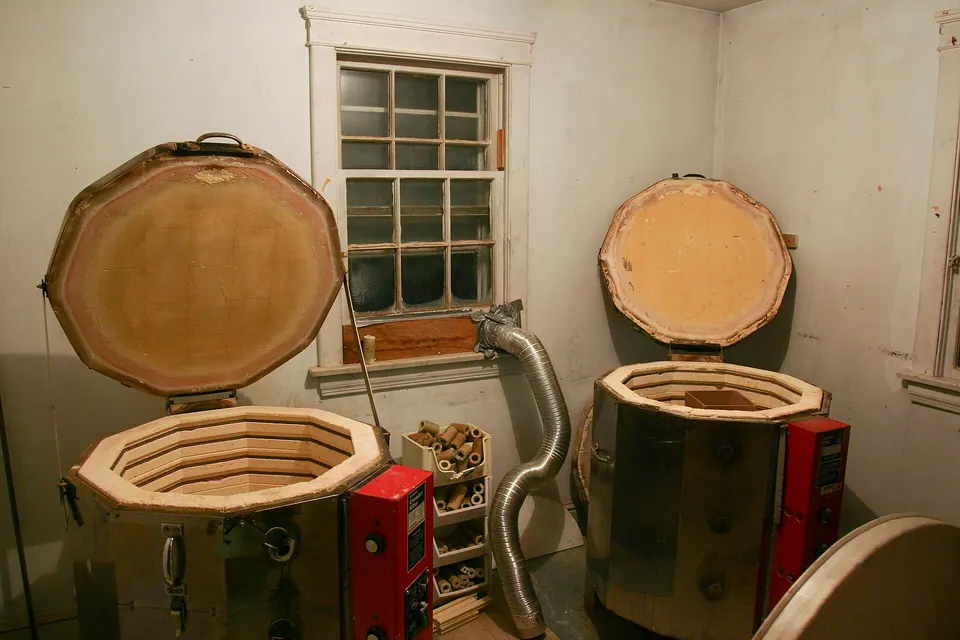
- Full home studio: the Skutt KM818 package is the only full-size pottery kiln here. It's a 30 A kiln, so plan on a dedicated 240 V circuit put in by a licensed electrician.
- Plug-in, cone 6 and up: the Paragon Xpress Q11A lists 120 V, 12 A and 2,350 °F. That's enough for cone 10 by Orton's chart, but the chamber is only 6 × 6 × 6¼ inches.
- Plug-in, low fire and bisque: the Paragon Xpress E12A lists 120 V, 15 A and 2,000 °F. That covers low-fire work, not stoneware.
- Budget 2,192 °F furnaces are not stoneware kilns. Orton puts cone 6 at 2,232 °F at a medium heating rate, so they can't get there.
The best kiln for home pottery is the one your circuit can run and that reaches the cone your clay and glazes are made for. Get either one wrong and the kiln will disappoint you, whatever its brand. Most wheel clay and studio glazes sold today are mid-fire, cone 5–6. That rules out a surprising number of small "kilns" before you even look at the price tag.
Real pottery kilns in our catalogue come from two makers, Skutt and Paragon, so this list is shorter and less brand-diverse than our other rankings. We'd rather say that than pad it with jewelry furnaces. Those get their own section below: what they can fire, what they can't, and who they actually suit.
Our picks
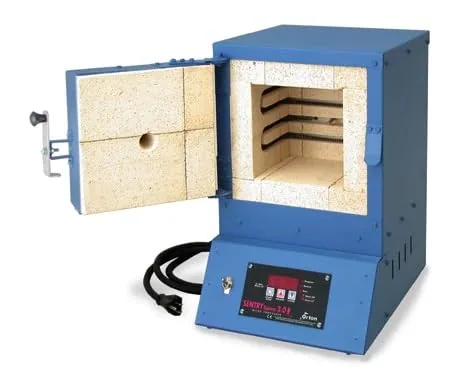
Paragon Xpress Q11A 120V Kiln
- Max temperature
- 2350 F
- Voltage
- 120v
- Power
- 12amp
- Interior size
- 6" W x 6" D x 6 1/4" H
The Q11A lists 120 V, 12 A and a 2,350 °F maximum. By the Orton chart, that clears cone 6 (2,232 °F) and reaches cone 10 (2,345 °F) at a medium heating rate. The catch is the 6 × 6 × 6¼-inch chamber. Think test tiles, small cups and jewelry-size pieces, not a mug set.
Best for: testing cone 5–6 glazes and firing small mid-fire pieces
Skip if: you want to fire full-size mugs or bowls
- 2,350 °F listed, enough for mid and high fire
- 12 A draw fits a dedicated 15 A circuit under the 80% rule
- Sentry 3 Key controller
- Very small chamber
- Every firing holds only a few pieces
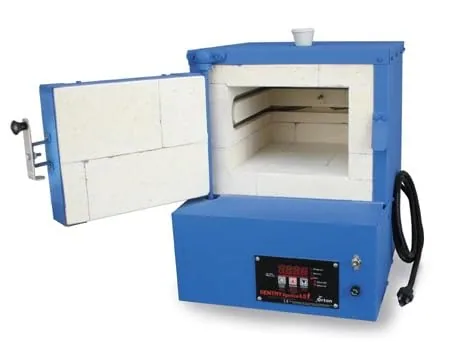
Paragon Xpress E12A 120V Kiln
- Max temperature
- 2000 F
- Voltage
- 120v
- Power
- 15amp
- Interior size
- 8 1/2" W x 12" D x 6 3/4" H
The E12A has the biggest chamber of the 120 V kilns here, at 8½ × 12 × 6¾ inches. The listing caps it at 2,000 °F, though, and that's low-fire territory: cone 04 is 1,945 °F and cone 03 is 1,987 °F at a medium rate. Use it for earthenware, bisque and low-fire glazes.
Best for: low-fire earthenware, bisque and classroom-style glazes
Skip if: your clay or glazes are cone 5–6
- Largest 120 V chamber in our catalogue
- Programmable Sentry 3 Key controller
- Plug-in voltage
- 2,000 °F listed max, not a stoneware kiln
- 15 A draw needs a 20 A circuit
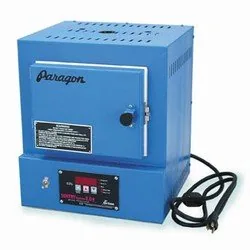
Paragon SC2 120V Digital Kiln, Sentinel Touch
- Voltage
- 120V
- Power
- 14A / 1680W
- Controller
- Sentinel Touch Xpress
- Size
- 13.25" x 15.5" x 14"
The SC2 lists 120 V, 14 A / 1,680 W and the Sentinel Touch Xpress controller in a 13.25 × 15.5 × 14-inch body. It's a small, versatile kiln for glass, metal clay and small ceramic pieces. This listing doesn't give a maximum temperature or cone, so confirm it on Paragon's spec sheet before you plan on stoneware.
Best for: small pieces, glass and metal clay alongside a bit of ceramics
Skip if: you need a confirmed cone 6 rating
- Touchscreen controller
- 120 V, 14 A listed
- Compact outer size
- Max temperature not listed here
- 14 A needs a 20 A circuit
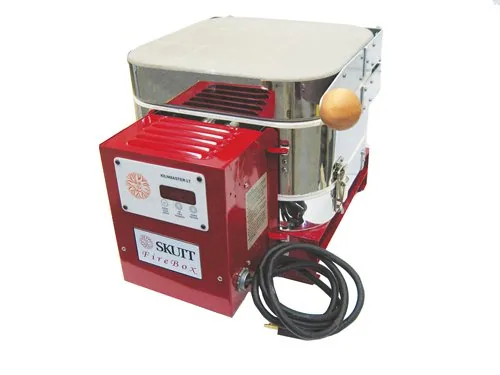
Skutt Firebox 8x8x4.5 LT Digital Glass Kiln
- Interior size
- 8" x 8" in. in diameter and 4.5 in. high
- Controller
- Digital, Ramp/Hold programs
- Includes
- 7" x 7" shelf, kiln wash, posts
Skutt says the Firebox controller handles glass, PMC and ceramics, with your own ramp/hold programs. It ships with a 7 × 7-inch shelf, kiln wash and posts. The chamber is listed as 8 inches by 4.5 inches high. It's a good fit if pottery is one hobby among several.
Best for: makers who fuse glass and fire metal clay as well as small ceramics
Skip if: you mostly throw functional stoneware
- Ramp/hold programs
- Shelf, kiln wash and posts included
- UL listed per the listing
- Voltage, amps and max temperature not in this listing
- Small chamber
Which kiln for home use fits your circuit: 120V or 240V?
Read the electrical spec before anything else. Kilns run for hours at full power, so electricians treat them as a continuous load. Under the National Electrical Code logic that kiln makers' install guides follow, a continuous load may use only 80% of the breaker rating. That means a 12 A kiln fits a 15 A circuit and a 15 A kiln needs a 20 A circuit.
120 V plug-in vs 240 V kilns at a glance
| 120 V plug-in | 240 V (or 208 V) | |
|---|---|---|
| Typical home use | Test tiles, jewelry, small pieces | Regular bisque and glaze loads |
| Electrician needed | ~ Often, for a dedicated 15–20 A circuit | ✓ Yes, always |
| Reaches cone 6 | ~ Some models (check the listed max) | ✓ Most pottery models |
| Chamber size | ✗ Small, about a shoebox or less | ✓ Room for mugs and bowls |
| Works for renters | ✓ More often | ✗ Rarely |
Source: Skutt kiln installation guidance
Plug-in doesn't mean any outlet. Most household outlets sit on 15 A circuits shared with lights and other outlets. A kiln wants a circuit to itself, with a receptacle that matches its plug. Our outlet checker does the 80% math for any kiln's amps or watts. The kiln electrical guide explains breakers, wire and receptacles in plain language.
What cone does your kiln need to reach?
A kiln's maximum temperature only matters relative to the cone printed on your clay bag and glaze jar. Pyrometric cones measure heat work, meaning temperature over time, which is why Orton lists a different temperature for each heating rate. The chart below uses the medium rate (108 °F per hour over the last 180 °F) and the maximum temperatures given in our catalogue listings.
Listed max temperature vs Orton cone targets
°F. Zones are Orton cone ranges at 108 °F/hr; marks are listed max temperatures.
- Cone 06–04 (about 1,828–1,945 °F): low-fire earthenware, most bisque firings, Stroke & Coat-type classroom glazes.
- Cone 5–6 (2,167–2,232 °F): the mid-fire range most home potters use for stoneware and porcelain.
- Cone 10 (2,345 °F): high-fire stoneware. A kiln listed at 2,350 °F is right at its limit here, so expect elements to wear faster.
Leave headroom. A kiln that peaks right at your target cone will struggle once its elements age. The full Orton cone chart shows all three heating rates, and our cone guide explains why a slow final ramp drops the temperature you need.
Compare the kilns by listed specs
Every figure below is copied from the product listing. A dash means the listing doesn't give it, which is a reason to download the maker's spec sheet, not a reason to guess.
| Product | Voltage | Power | Amps | Max temperature | Interior size |
|---|---|---|---|---|---|
| Paragon Xpress Q11A 120V Kiln | 120v | 12amp | — | 2350 F | 6" W x 6" D x 6 1/4" H |
| Paragon Xpress E12A 120V Kiln | 120v | 15amp | — | 2000 F | 8 1/2" W x 12" D x 6 3/4" H |
| Paragon SC2 120V Digital Kiln, Sentinel Touch | 120V | 14A / 1680W | — | — | — |
| Skutt Firebox 8x8x4.5 LT Digital Glass Kiln | — | — | — | — | 8" x 8" in. in diameter and 4.5 in. high |
Specs as listed by the maker or seller; check the listing before you buy.
Two patterns stand out. The 120 V kilns that list a maximum temperature split cleanly: the Q11A reaches high fire in a tiny box, and the E12A gives you a bigger box at low fire only. And the one full-size kiln, the Skutt KM818, is a 30 A product. No household outlet can run that, which is why it belongs to people building a dedicated space.
Budget furnaces: what they can and can't do
Search for a small kiln and you'll find stainless tabletop boxes listed as kilns for pottery. In our catalogue they're the VEVOR 1650W (2,192 °F, 8 × 5 × 6-inch chamber), the PeiXWming 2000W (2,102 °F) and the AFLEPCBRQ (1,150 °C, about 2,102 °F). Their own listings mostly describe them as melting, casting and burnout furnaces, and that's the job they're built for.
What they can do
- Melt and cast silver and other jewelry metals, and run wax burnout.
- Sinter metal clay and fire small enamel pieces.
- Fire small low-fire test tiles (cone 06–04) if you add witness cones and accept uneven heat.
What they can't do
- Mature cone 5–6 stoneware or mid-fire glazes. The 2,102 °F units barely reach cone 3.
- Hold a mug: the VEVOR chamber is 8 × 5 × 6 inches.
- Fire a full shelf of bisque evenly.
If you make jewelry or metal clay, one of these can be the right tool. For pottery, compare real 120 V kilns or skip owning a kiln at first. Many potters start with a community studio's firing service, as our do you need a kiln guide explains.
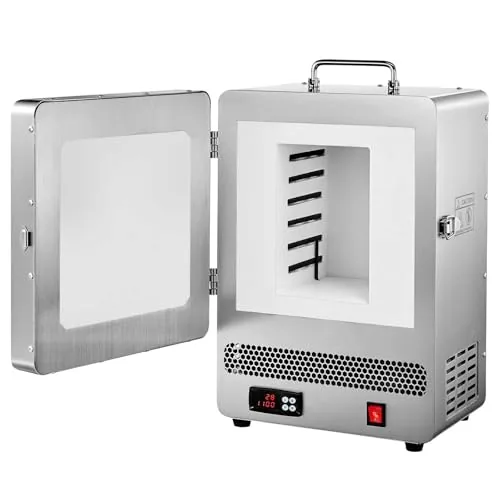
VEVOR 1650W Programmable Melting Furnace, 2192°F
- Max temperature
- 2192℉/1200℃
- Watts
- 1650W
- Interior size
- 8 x 5 x 6 inch / 203 x 127 x 152mm
Best for Jewelry, metal clay and small test tiles
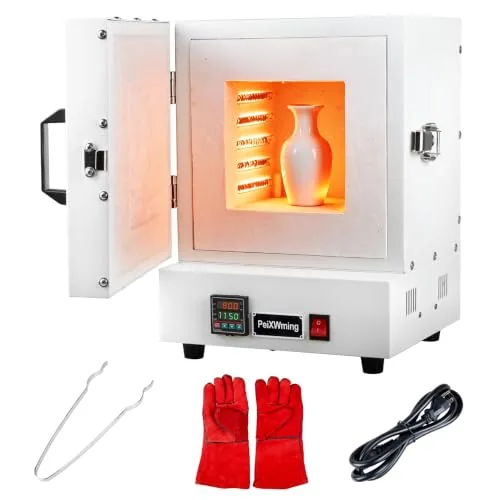
PeiXWming 2000W Jewelry Kiln, 2102°F
- Max temperature
- 2102℉/1150℃
- Watts
- 2000W
Best for Jewelry and metal casting
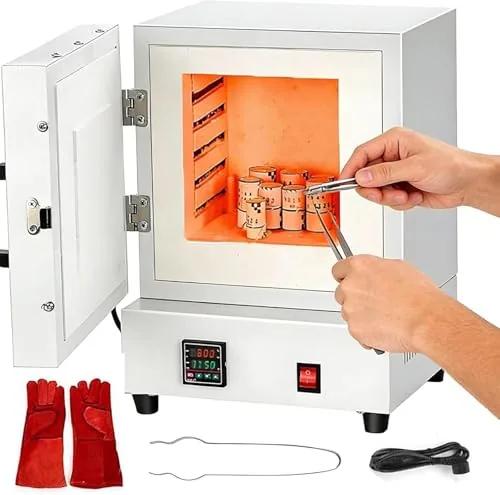
AFLEPCBRQ Electric Furnace, 0-1150°C
- Max temperature
- 1150°C
- Controller
- Digital with real-time monitoring
Best for Jewelry and metal clay work
Which home kiln suits your situation?
- You rent or live in an apartment: a 120 V kiln on a dedicated circuit, after asking your landlord and an electrician. Most apartment potters use a studio firing service instead; see small space and apartment.
- You throw cone 5–6 stoneware and want to test glazes: the Paragon Q11A, then send full loads to a studio.
- You hand-build low-fire earthenware or teach kids: the Paragon E12A with a low-fire clay and glaze system.
- You're building a garage studio: the Skutt KM818 package, sized with your electrician first. Skutt vs Paragon covers the brand differences.
- You don't want a kiln at all yet: browse no-kiln clay, such as air-dry and polymer.
- Find the cone
Check the cone on the clay and glaze you plan to use for the next year. Most wheel clay is cone 5–6.
- Check the panel
Note your spare breaker capacity and where the kiln would sit, then book an electrician to confirm.
- Match amps to circuit
Use the 80% rule: a 15 A circuit carries 12 A continuously, and a 20 A circuit carries 16 A.
- Plan the space
Keep the kiln off carpet, away from walls by the maker's stated clearance, and in a room you can ventilate. Kiln makers publish both figures.
- Budget for the extras
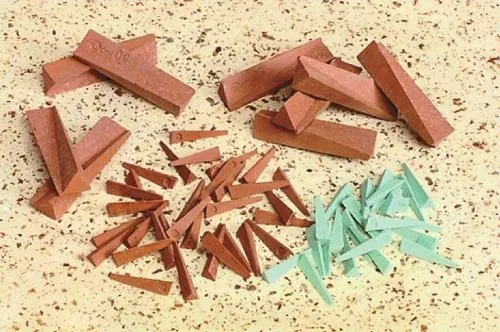
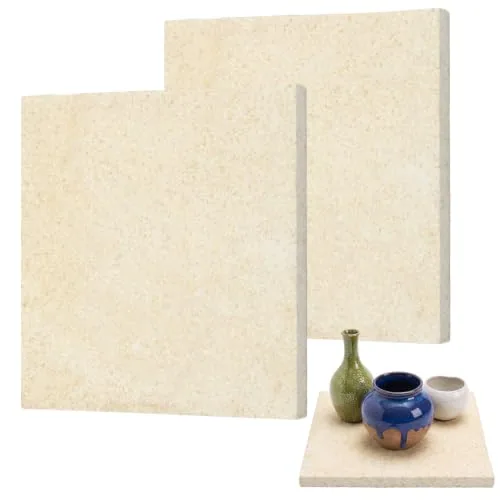
Shelves, posts, kiln wash and witness cones are part of every firing.

Mistakes to avoid when buying a home kiln
- Buying on max temperature alone. A 2,192 °F furnace and a 2,350 °F kiln look close on paper, but only one clears cone 6.
- Assuming plug-in means any outlet. A 15 A kiln on a shared 15 A circuit will trip the breaker or overheat the wiring.
- Ignoring fumes. Firing burns off water, carbon and sulfur compounds. Skutt's safety listings and vent manual explain why a vent or an open, unoccupied room matters.
- Skipping kiln wash and witness cones. Glaze drips ruin bare shelves, and a cone tells you what the controller can't.
- Forgetting the cost per firing. Run the numbers with our firing cost calculator using your state's electricity rate.
Shelves and posts are covered in our kiln furniture picks, and the studio safety guide covers ventilation and dust. Browse every kiln, furnace and accessory in the kilns category.
We compared the listed voltage, amps or watts, maximum temperature, chamber size, controller and included accessories for every kiln in our catalogue. We then checked each maximum temperature against Orton's published cone equivalents at 108 °F per hour. We did not fire these kilns. Where a listing leaves a figure out, we say so rather than fill it in.
Questions
What is the best kiln for home use if you only have a regular outlet?
Can I plug a kiln into a regular outlet?
Do I need an electrician for a kiln?
Can a 2,192 °F kiln fire stoneware?
Can I put a kiln in my garage?
How much does it cost to fire a kiln at home?
Sources
- Orton Ceramic Foundation: pyrometric cones and temperature equivalents
- Orton cone chart PDF (°F, cones 022–14)
- Skutt: kiln installation
- Skutt: electrical installation for contractors (PDF)
- Skutt: kiln safety listings
- Skutt EnviroVent 2 manual (PDF)
- Seattle Pottery Supply: for the installing electrician
- Kiln Frog: kiln electrical requirements