Speedball
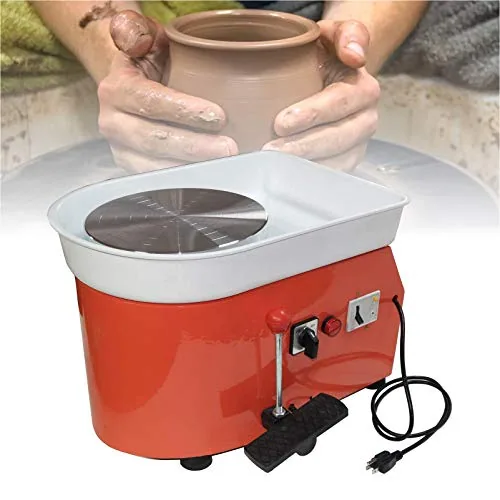
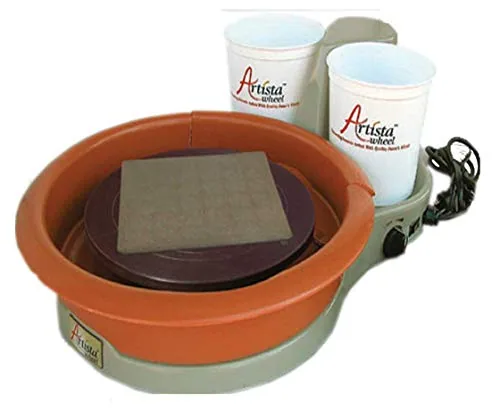
Speedball Artista Potter's Wheel, 1/3 HP, 11"
- Motor
- 1/3 HP
- Wheel head
- 11"
- Centering capacity
- 25lb
Best for Home studios with limited space
Best for Home studios with limited space
Best for Committed hobbyists throwing larger work
Best for Long-term home or studio use
Best for Potters who want a quiet full-size wheel
Best for Beginners setting up a tabletop wheel at home
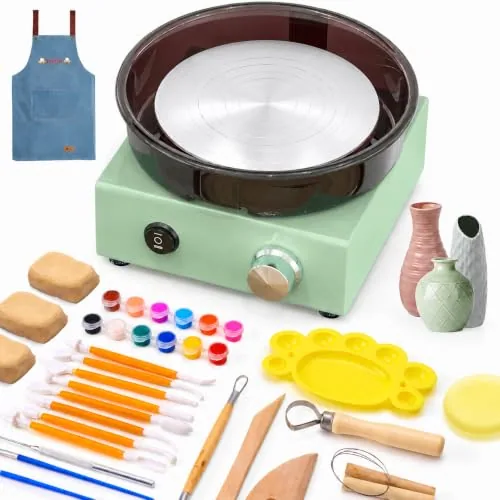
Best for Adult beginners wanting a full-size head
Best for Beginners who want a larger wheel head
Best for Adults and teens trying the wheel
Best for Older kids and teens
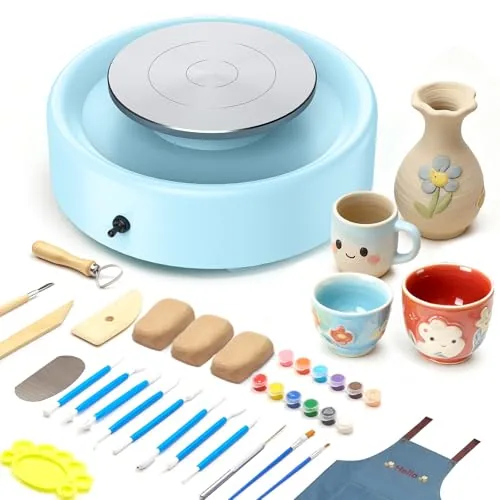
Best for Kids and casual beginners
Best for A starter gift for kids or teens
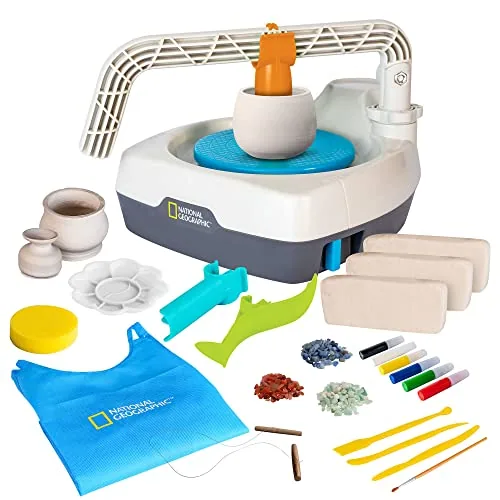
Best for Young children
Best for Kids aged 8 and up
Best for Small home setups
Best for Owners of the U.S. Art Supply wheel
Best for Potters who prefer wooden bats
Best for Throwing mugs and small pots in batches
Best for Throwing several pieces in a session
Best for Group sessions and batch work
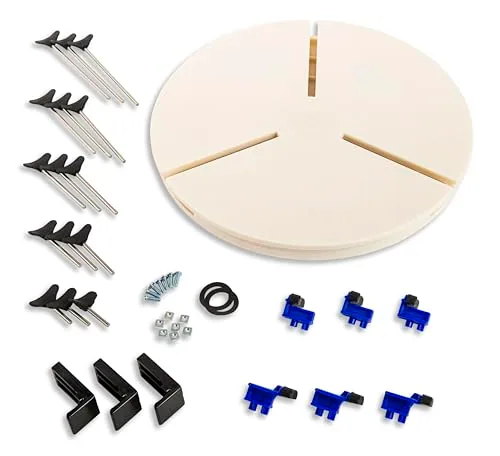
Best for Replacing or adding bats
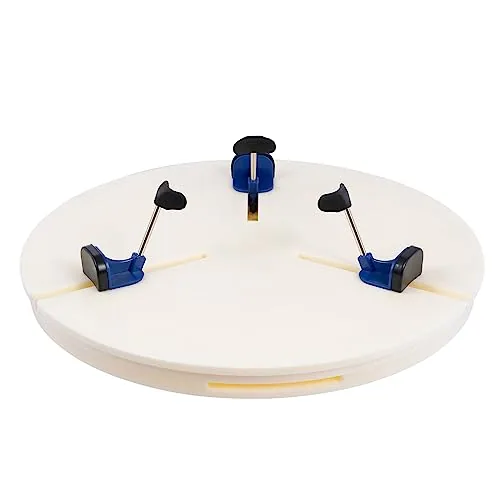
Best for Stabilizing bats
Best for Potters who want thin metal inserts
Best for Batch throwing on a budget
Best for Replacing rusty or lost bat pins
Best for Brent wheel owners
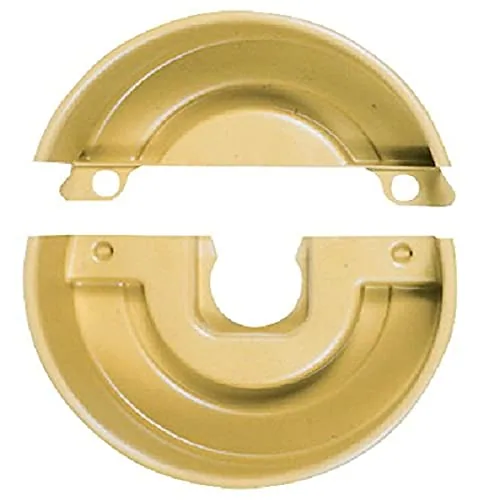
Best for Replacing a lost splash pan
Best for Potters who trim a lot
Best for Budget alternative to a trimming chuck
Best for First wheel for adult beginners
Best for Family craft nights and small tables
Best for Kids learning wheel basics
Best for Kids aged 6 and up
Best for Studios and shared wheels
Best for Batch throwing of small pieces
Best for Trimming small pots
Best for Miniature pottery and kids
Best for A first pottery gift for kids
Best for A bigger kids pottery gift
Best for Spare bat pins
Best for Kids and beginners at a desk
Best for Younger kids aged 6+
No product matches every filter. Clear one to see more.
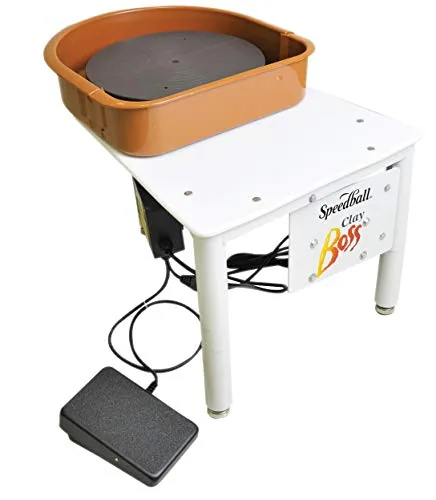
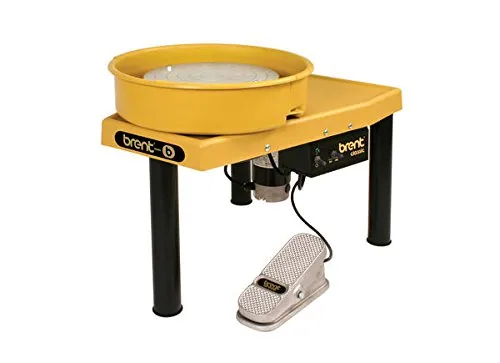
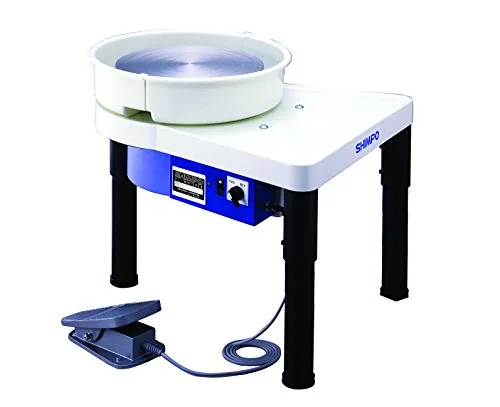
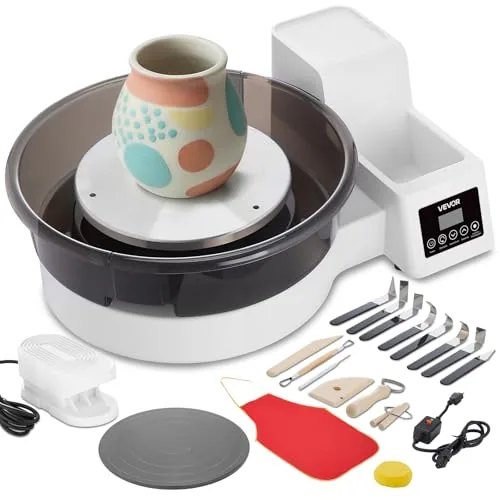
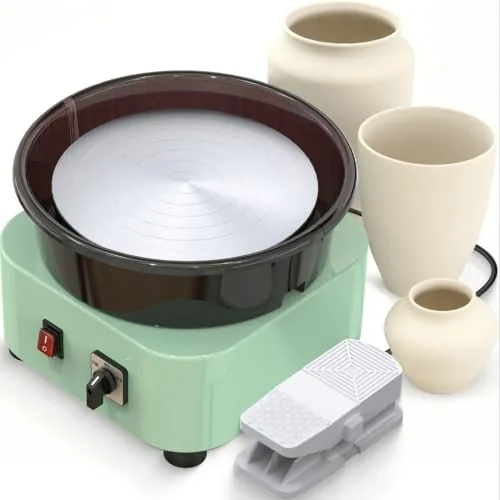
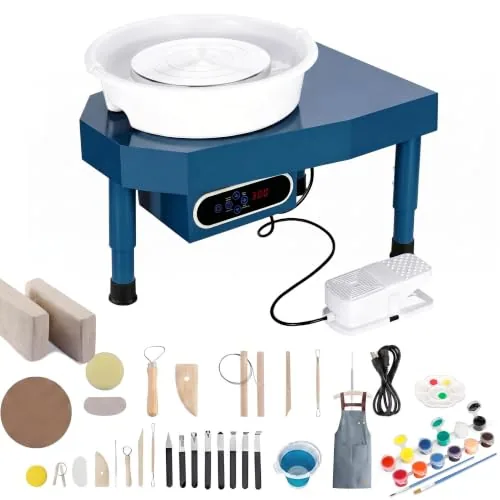
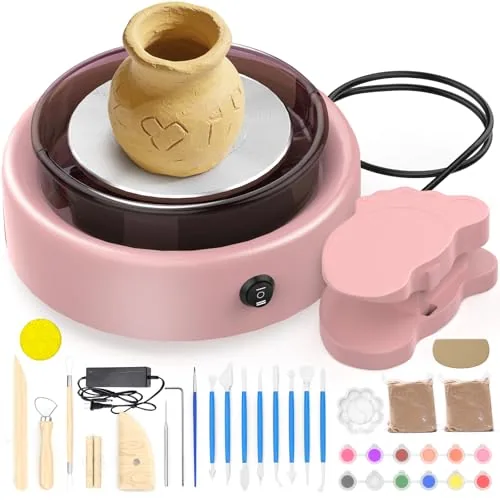
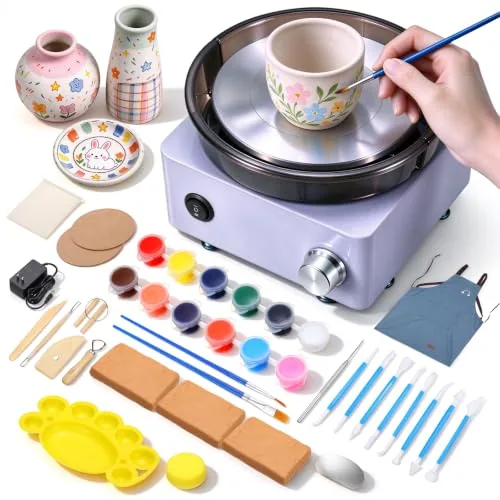
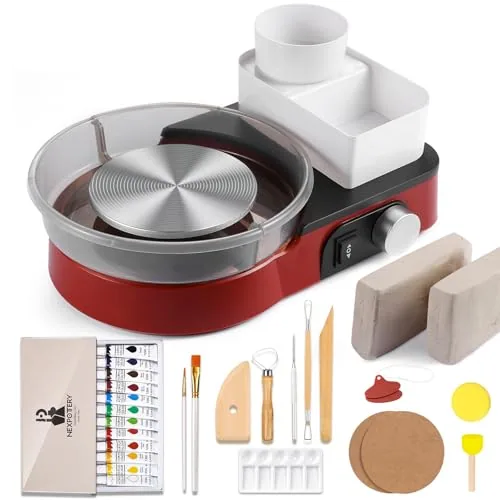
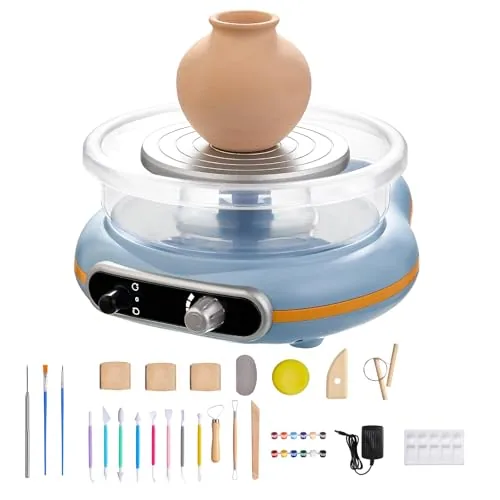
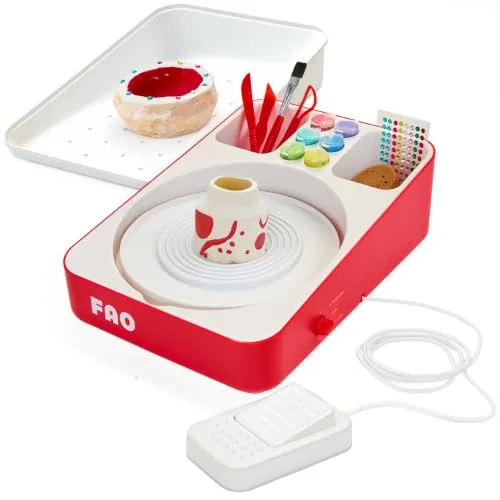
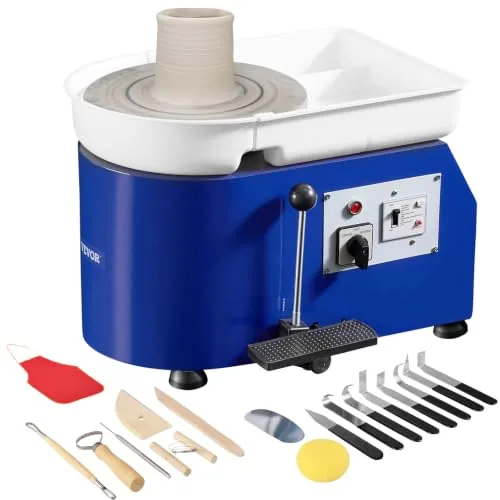
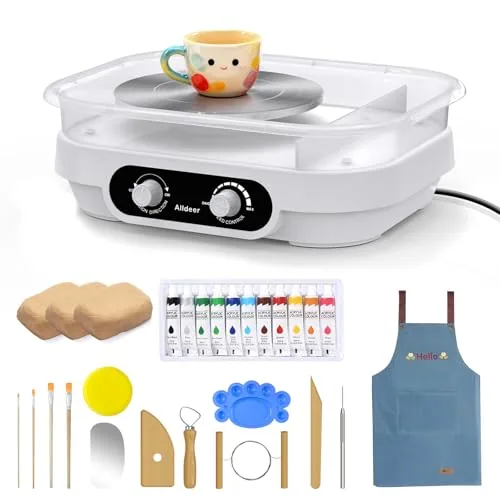
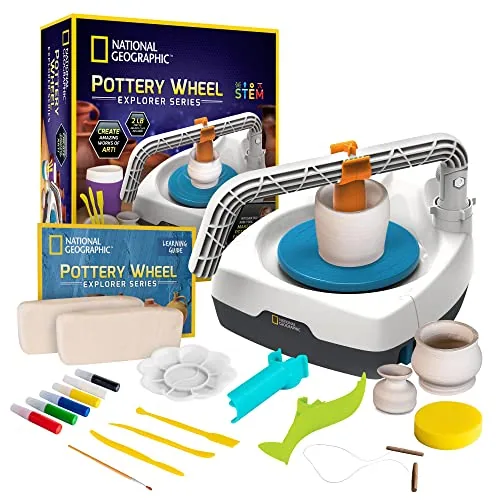
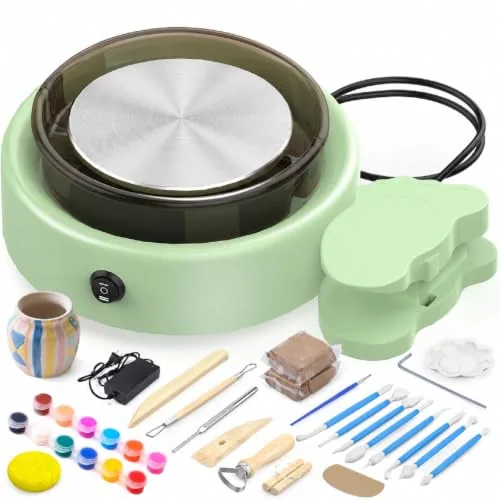
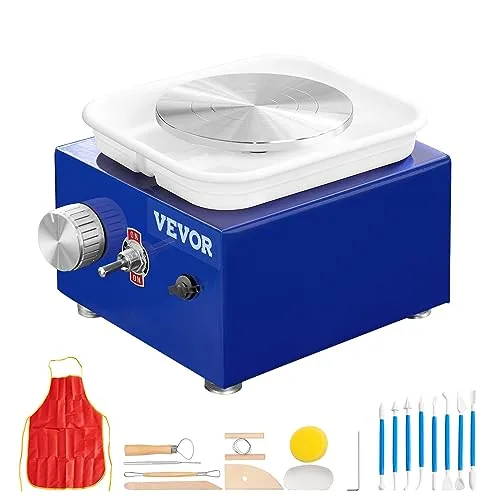
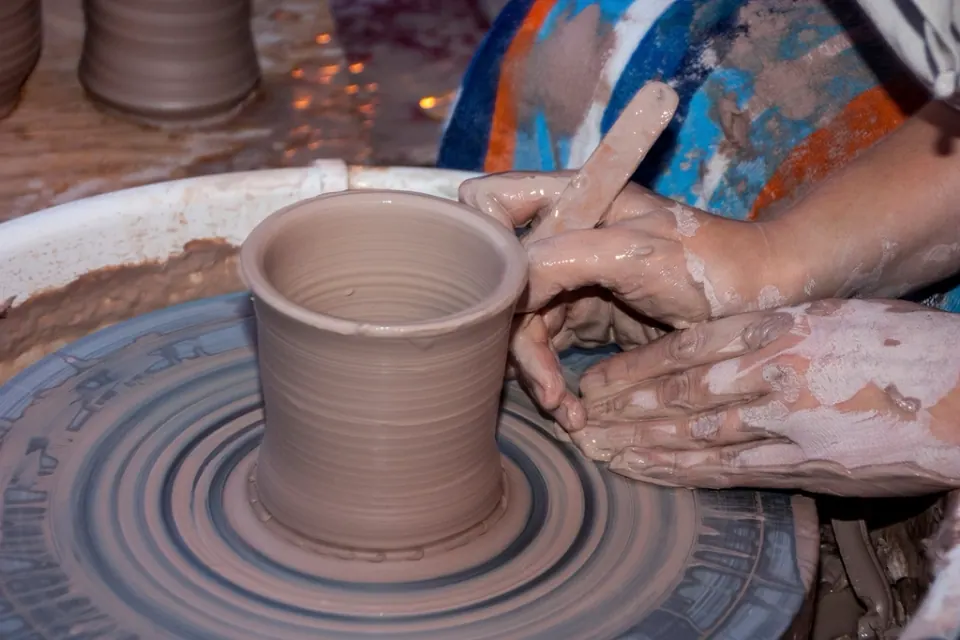
Pottery wheels for home use fall into three groups here, and the gap between them is bigger than the photos suggest. Studio wheels such as the Speedball Artista and Clay Boss, the Brent Model B and the Shimpo VL-Whisper are built for daily throwing. Tabletop wheels from VEVOR, Alldeer, OceanWings and HTTMT list 250–450 W motors and sit on a bench. Mini and kids' wheels with 4.7–9.5 inch heads mostly ship with air-dry clay and are made for small, decorative pieces.
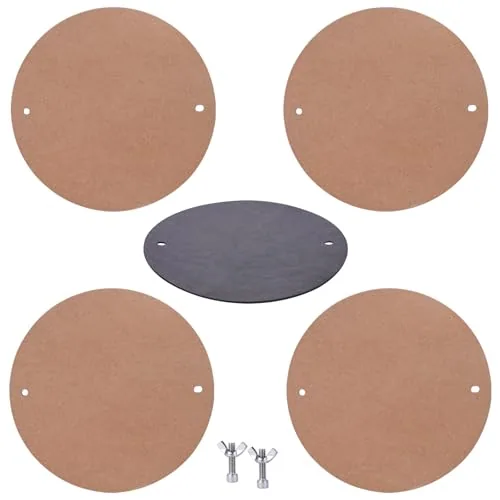
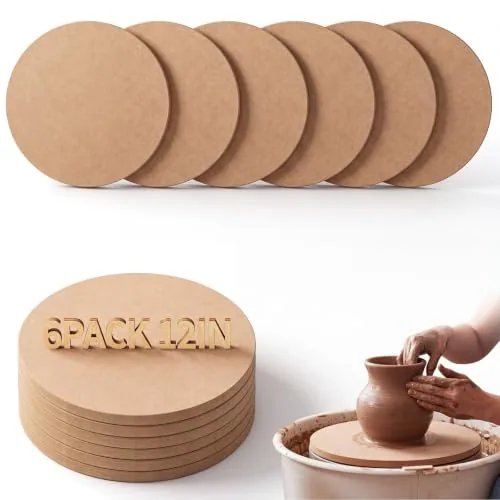
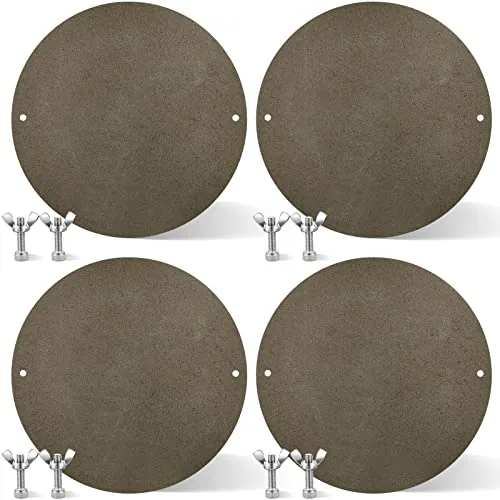
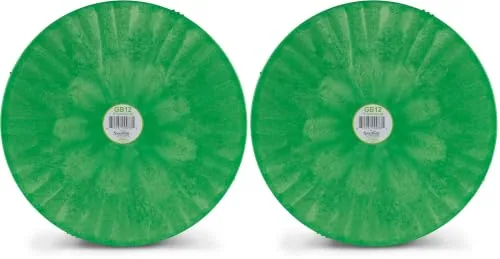
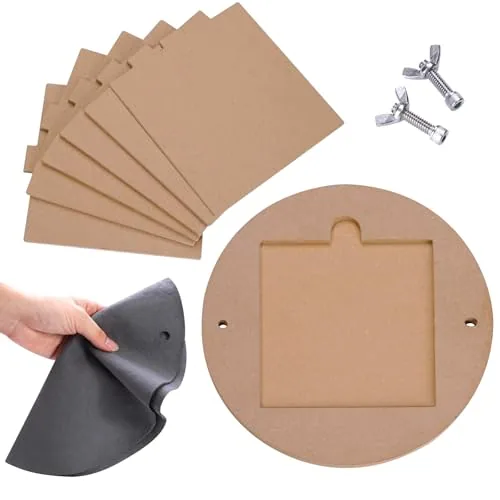
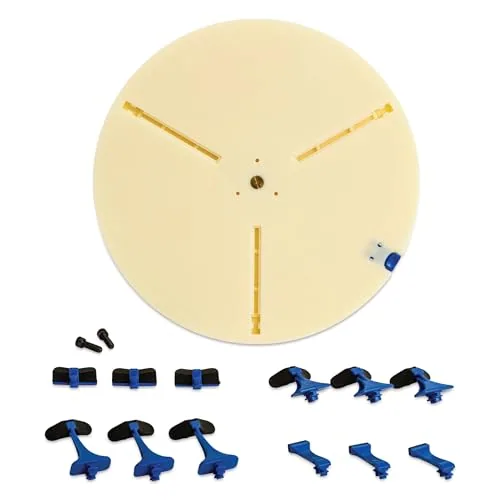
The rest of the shelf is what you add once the wheel arrives: bats and bat systems, bat pins, splash pans and trimming chucks like the Giffin Grip.
Read the spec box in this order. Each line tells you something different, and makers do not list all of them.
| Product | Wheel head | Motor | Speed | Centering capacity |
|---|---|---|---|---|
| Speedball Artista Potter's Wheel, 1/3 HP, 11" | 11" | 1/3 HP | 0-220 rpm | 25lb |
| Speedball Clay Boss Pottery Wheel, 0.5 HP, 14" | 14" | .5 HP | 0-240 rpm | up to 100lb |
| Brent Model B Pottery Wheel | 12 inches | — | — | 150 lbs. continuously |
| Shimpo VL-Whisper Potter's Wheel | 14 inches | Brushless DC | — | — |
| VEVOR 450W Tabletop Pottery Wheel, 11" & 14" Heads | 11" and 14" turntables | 450W | 30-300 RPM | up to 11 lbs of clay |
| Alldeer PW103MAX 11" 350W Pottery Wheel Kit | 11 inch | 350W brushless | 300RPM (foot pedal) | 15kg clay loads |
Specs as listed by the maker or seller; check the listing before you buy.
New to the wheel? How to use a pottery wheel walks through centering to trimming, and how to make a mug is a good first project.
 Best of
The best pottery wheel for beginners, compared by centering capacity, motor, wheel head, reversing and noise:…
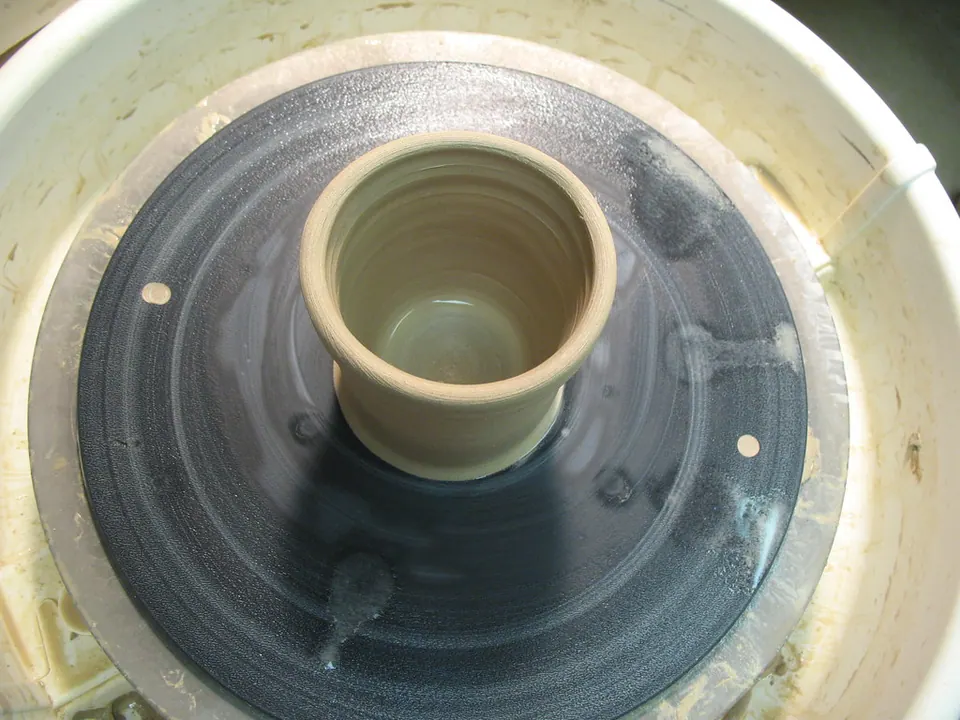
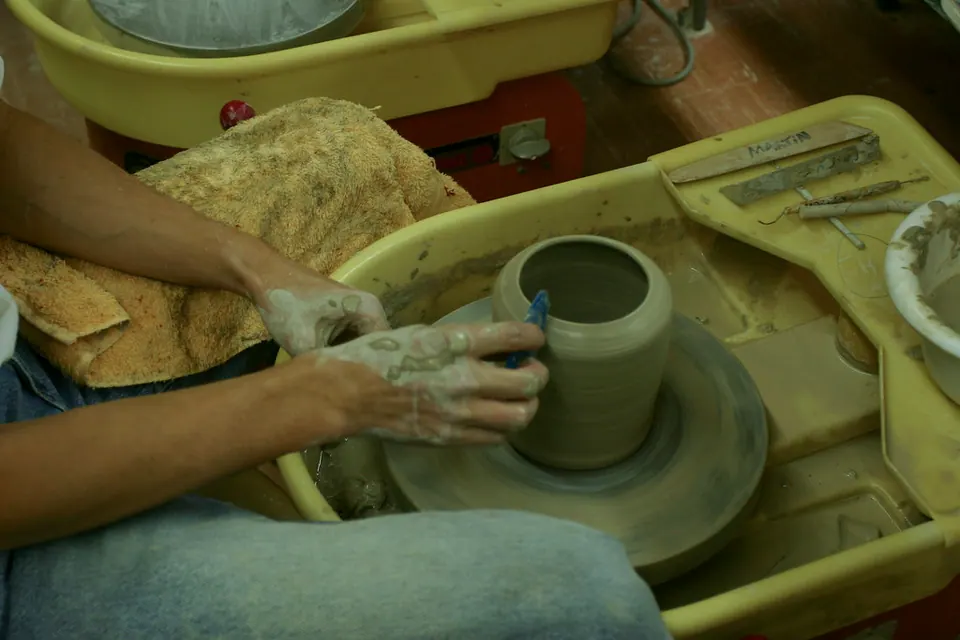 Best of
The best pottery wheel for home studios, compared by centering capacity, motor, wheel head, reversing and noise:…
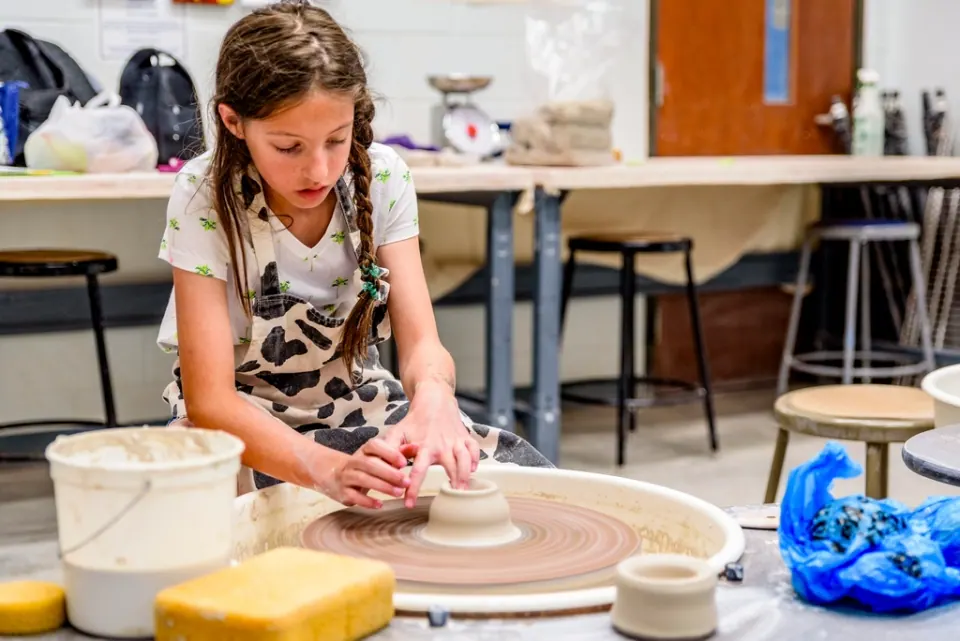
 Best of
The best tabletop pottery wheel for small spaces, compared by motor, centering capacity, head size, reverse and noise:…
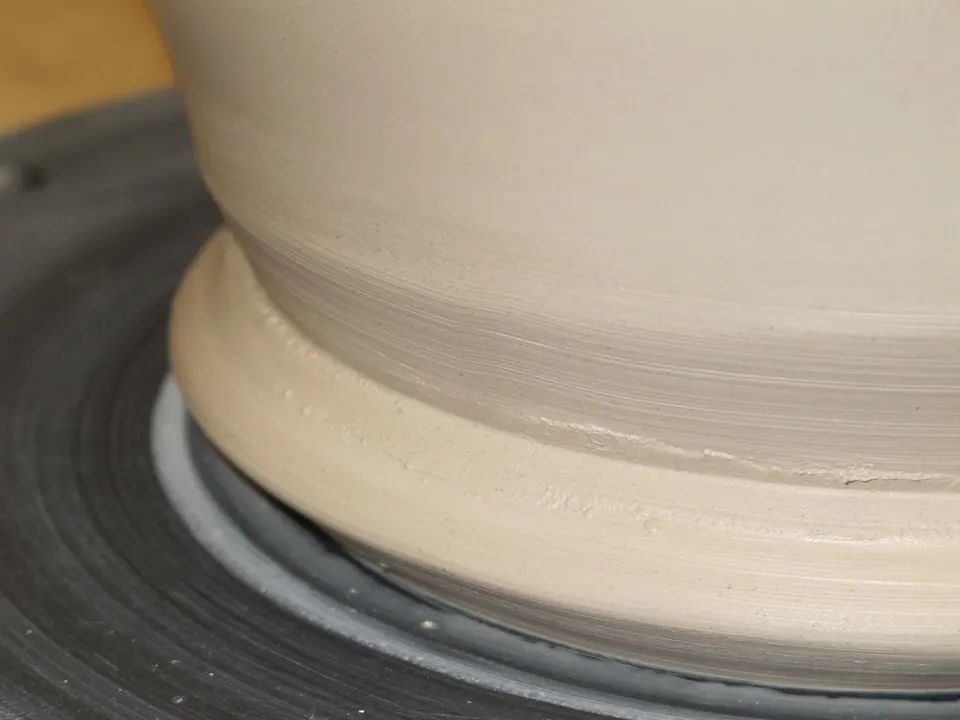
 Best of
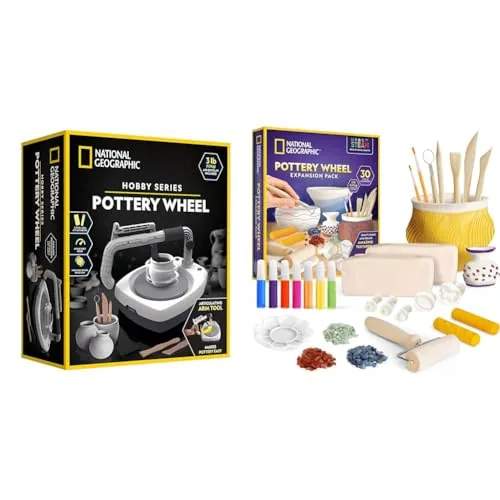
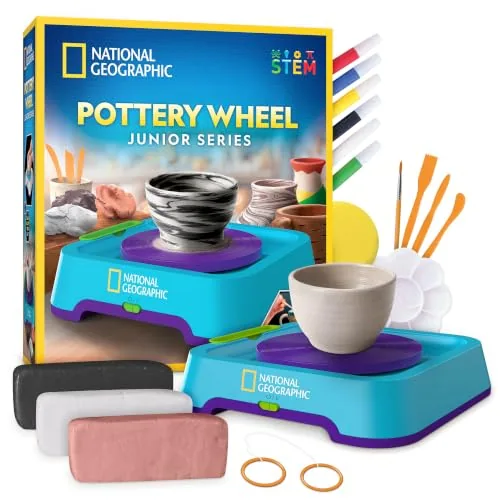
The best pottery wheel for kids, sorted by the age each maker states: National Geographic, SKIRFY, Alldeer, FAO…
 Best of
The best trimming tools for pottery cut leather-hard clay cleanly and fit your hand. Compare 8 loops, kannas and…
 Best of
The best pottery ribs match flexibility to the job: soft for curves, stiff for straight walls. Compare 8 ribs from 6…