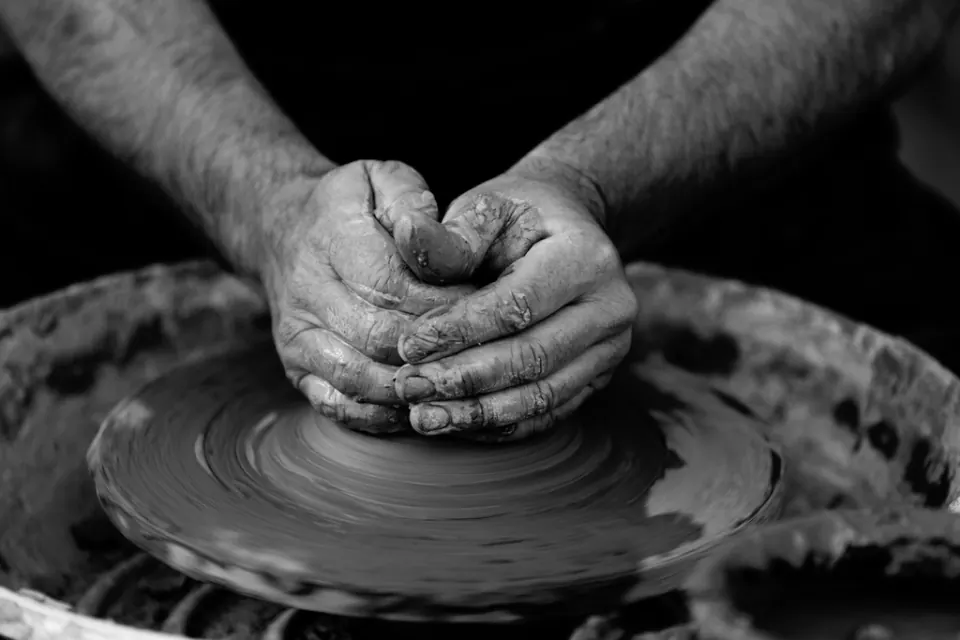
- Most home and studio kilns fire cone 5–6, so a smooth mid-fire stoneware such as Rocky Mountain Clay B-Mix (listed cone 6, 50 lb) is the safest first wheel clay.
- Firing at a community studio? Ask what cone they fire before you buy. Bring the wrong clay and they may turn it away.
- Low-fire only? AMACO Terra Cotta 77 (listed cone 06–5) and Rocky Mountain Red Rock (cone 06) suit a 2,000 °F kiln like the Paragon E12A.
- Small trial bags (TORISING and ReArt, 5 lb) let you test a body before committing to 50 lb.
The best clay for pottery wheel throwing is a moist, smooth body that matches the cone of the kiln your pots will be fired in. Plasticity matters for centering and pulling walls. Still, the firing range printed on the bag decides whether a finished mug turns out strong, comes out chalky or slumps onto the shelf.
This list covers the firing clays in our catalogue from five makers, Rocky Mountain Clay, AMACO, Old Potters, TORISING and ReArt. All of them are sold as wheel-throwing or all-purpose bodies. We copied each firing range exactly as listed. Where a listing contradicts itself or leaves the cone out, we tell you, because that's the number you should confirm before you fire.
Our picks
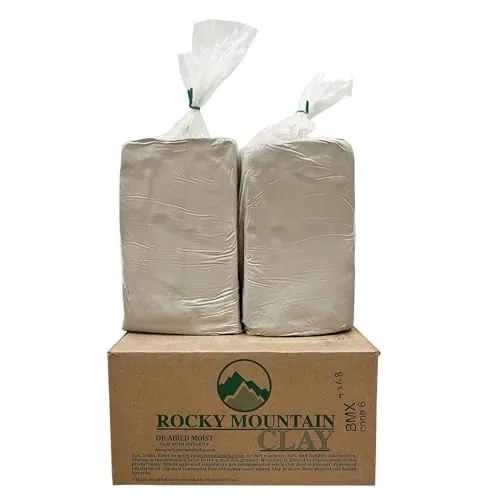
Rocky Mountain Clay B-Mix Cone 6 Stoneware, 50 lb
- Clay body
- Smooth white mid fire stoneware (B-Mix)
- Firing range
- Mid Fire Cone 6
- Weight
- 50lb
- Color
- Gray, White
B-Mix is a smooth white mid-fire stoneware, listed for cone 6 and sold in a 50 lb box. That's the cone most electric home kilns and community studios fire. A smooth body with no coarse grog is kind to your hands while you learn to center.
Best for: beginners and regulars throwing functional cone 6 ware
Skip if: your kiln tops out at low fire
- Listed cone 6, the most common studio firing
- 50 lb box for steady practice
- Listing describes it as great for wheel throwing
- Color listed as gray/white; check the listing for fired color
- 50 lb is heavy to store in a small space
AMACO A-Mix Stoneware Clay No. 11, 50 lb, White
- Clay body
- Stoneware, No. 11 A-Mix
- Weight
- 50 Pounds
- Color
- White
AMACO's A-Mix No. 11 is a white stoneware in a 50 lb bag, sold for sculpture, hand modeling and the wheel. This listing doesn't give a cone, and its suggestion to seal with shellac reads like air-dry copy. Check AMACO's data sheet for the firing range before you buy.
Best for: schools and studios already using AMACO glazes
Skip if: you need the cone confirmed on the listing itself
- White stoneware body
- 50 lb bag
- Listed for the potter's wheel
- Cone not listed
- Listing copy mixes in air-dry advice
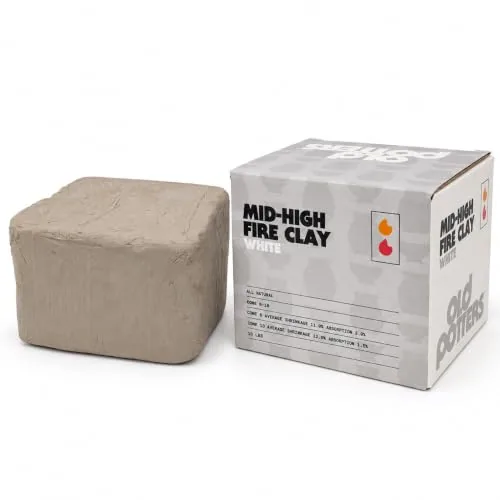
Old Potters White Stoneware Clay, Cone 6-10, 10 lb
- Clay body
- White Stoneware
- Firing range
- Cone 6-10
- Weight
- 10 lb
- Color
- White
Old Potters lists this white stoneware as cone 6–10 in the title, but a bullet says it fires from cone 5 to 10. Either way, it covers both mid-fire and high-fire studios. The 10 lb bag is a sensible size for testing a body with your glazes.
Best for: potters who may move between cone 6 and cone 10 studios
Skip if: you want a 25–50 lb bulk bag
- Wide listed firing range
- Low iron per the listing, so glazes stay bright
- 10 lb test size
- Cone range differs between title and bullets; check the listing
- Small bag for regular throwing
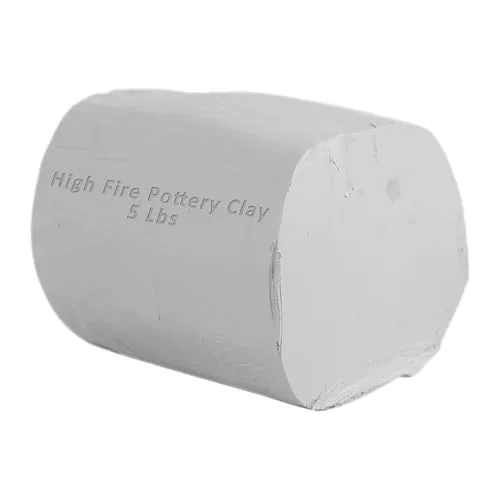
TORISING Mid-High Fire White Clay, Cone 6-10, 5 lb
- Clay body
- Mid to high fire white
- Firing range
- Cone 6-10
- Weight
- 5 Lbs
- Color
- White
TORISING's white mid-high fire clay is listed for cone 6–10 in a 5 lb pack, sold for wheel throwing and hand building. Five pounds is roughly a handful of practice pieces, so it works best as a trial before you buy in bulk.
Best for: trying a white stoneware before buying 25–50 lb
Skip if: you throw every week
- Listed cone 6–10
- 5 lb is easy to store
- Listed for wheel and hand building
- Small quantity
- Listing gives no detail on grog or texture
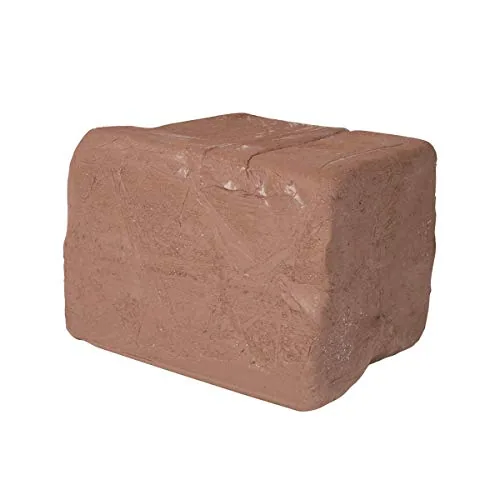
AMACO Terra Cotta 77 Earthenware Clay, 50 lb
- Clay body
- Low-fire earthenware, Terra Cotta 77
- Firing range
- 06-5
- Weight
- 50 Lbs
- Color
- Terra cotta to darker red-brown
Terra Cotta 77 is a moist low-fire earthenware listed for cone 06–5. It fires from terra cotta to a darker red-brown, and AMACO says it resists cracking, shrinkage and warping. It's a natural fit for a low-fire kiln and bright low-fire glazes.
Best for: low-fire kilns, planters and colorful earthenware
Skip if: you want white stoneware for cone 6 dinnerware
- Wide listed range, cone 06–5
- 50 lb bag
- Warm red fired color
- Red clay stains hands, towels and splash pans
- Earthenware stays more porous than stoneware
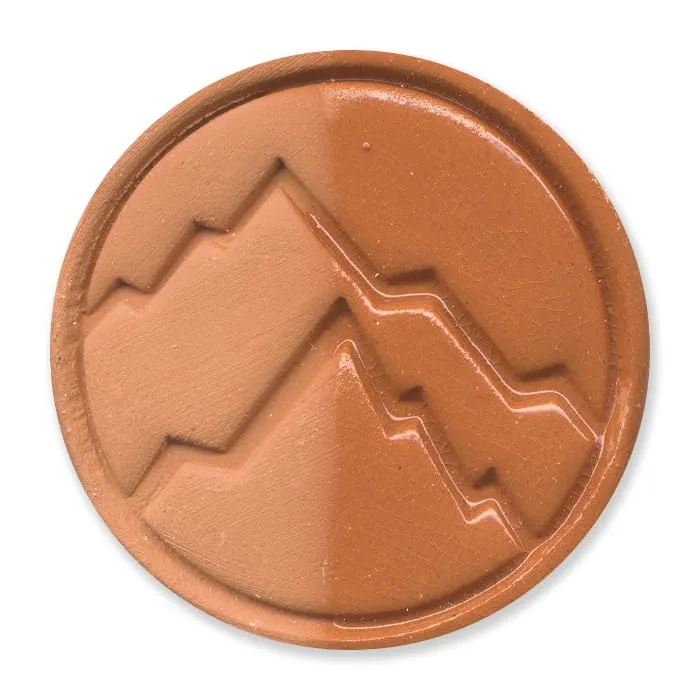
Rocky Mountain Clay Red Rock Terracotta, Cone 06, 10 lb
- Clay body
- Red terracotta, moist de-aired
- Firing range
- Low fire cone 06
- Weight
- 10 lb
- Color
- Terracotta
Red Rock is a moist, de-aired red terracotta listed for low fire cone 06, in a 10 lb bag. De-airing at the factory removes trapped air, so it needs less wedging before it goes on the wheel.
Best for: terracotta pots and low-fire practice
Skip if: your studio fires only cone 5–6
- Moist de-aired, per the listing
- 10 lb bag
- Listed for wheel, hand building and sculpting
- Single listed cone (06)
- Listing aims it at intermediate to advanced potters
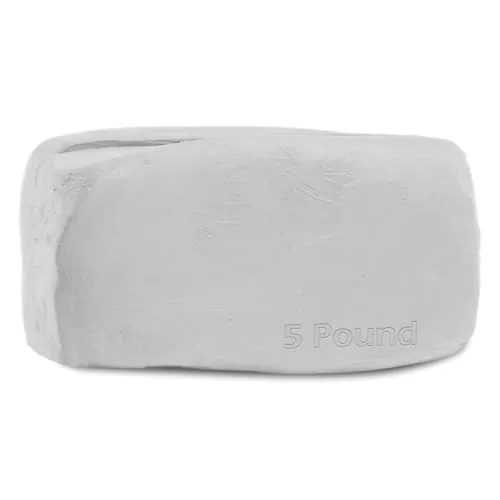
ReArt Low Fire Pottery Clay, Cones 04-3, 5 lb
- Clay body
- Low fire (kaolin)
- Firing range
- Cones 04-3
- Weight
- 5 pounds
ReArt's kaolin-based low-fire clay is listed for cones 04–3 in a 5 lb bag. The listing says it suits small to medium thrown pieces. A white low-fire body keeps underglaze colors bright, but don't expect stoneware strength.
Best for: a first low-fire test with bright glazes
Skip if: you want to throw larger forms
- Listed cones 04–3
- White body for bright color
- Small, easy bag
- 5 lb only
- Listing is light on technical data
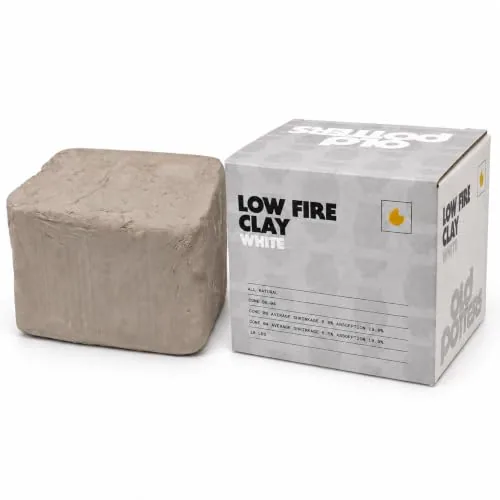
Old Potters Low Fire White Clay, Cones 06-04, 10 lb
- Clay body
- Low fire white
- Firing range
- Cones 06-04
- Weight
- 10 lbs
- Color
- White
Old Potters lists this as low-fire white for cones 06–04 in the title, but its firing bullet says to fire at cone 04–3. Treat it as a low-fire body and confirm the cone with the seller. Fire test pieces with witness cones before a full load.
Best for: low-fire kilns that want a white body
Skip if: you need an unambiguous cone
- 10 lb bag
- Made in the USA per the listing
- Listed for wheel and hand building
- Cone range conflicts between title and bullets; check the listing
- Not for mid-fire
What makes good clay for pottery wheel throwing?
Wheel clay has to do three things at once. It has to be plastic enough to center and pull, stiff enough to stand up as a wall, and fired to the right cone so it ends up strong. Here's what to read on the bag.
- Firing range (cone). The single most important spec. It must match the kiln or studio that fires your work.
- Moist and de-aired. Clay packed moist and de-aired at the factory needs less wedging and has fewer air pockets, which can blow out in the kiln.
- Smooth or groggy. Smooth bodies such as B-Mix are easier on the hands. Grog adds tooth and strength for larger forms. Many listings don't say, so check the maker's data sheet.
- Color. White bodies show glaze color true. Red earthenware warms glazes and stains everything it touches.
- Bag size. Fifty pounds sounds like a lot, but practice eats clay. Small 5–10 lb bags are for testing.
Which cone should your wheel clay be?
Cones measure heat work. The chart below places the top of each clay's listed firing range on Orton's medium-rate (108 °F per hour) temperature scale. Fire past a clay's top cone and it can bloat, warp or melt. Underfire it and the piece stays weak and porous.
Top of listed firing range, as Orton temperature
°F at 108 °F/hr. Zones are Orton cone ranges; marks are the top cone each listing gives.
Low fire vs mid fire for a home potter
| Low fire (cone 06–04) | Mid fire (cone 5–6) | |
|---|---|---|
| Kiln needed | ✓ Small 120 V kilns that reach about 2,000 °F | ~ A kiln listed past 2,232 °F |
| Fired strength | ~ Softer, more porous | ✓ Dense and durable |
| Glaze colors | ✓ Very bright | ~ Earthier, wide range |
| Community studio fit | ~ Some studios | ✓ Most studios |
| Typical clays here | Red Rock, Terra Cotta 77, ReArt | B-Mix, Old Potters, TORISING |
Source: Orton cone temperature equivalents
If you don't own a kiln, the studio that fires your work decides the cone. If you're shopping for a kiln too, read our home kiln guide first. Our stoneware vs earthenware vs porcelain comparison covers the clay types in more depth.
Compare the throwing clays by listed specs
Every value below is copied from the listing. A dash means the listing leaves it out.
| Product | Clay body | Firing range | Weight | Color |
|---|---|---|---|---|
| Rocky Mountain Clay B-Mix Cone 6 Stoneware, 50 lb | Smooth white mid fire stoneware (B-Mix) | Mid Fire Cone 6 | 50lb | Gray, White |
| AMACO A-Mix Stoneware Clay No. 11, 50 lb, White | Stoneware, No. 11 A-Mix | — | 50 Pounds | White |
| Old Potters White Stoneware Clay, Cone 6-10, 10 lb | White Stoneware | Cone 6-10 | 10 lb | White |
| TORISING Mid-High Fire White Clay, Cone 6-10, 5 lb | Mid to high fire white | Cone 6-10 | 5 Lbs | White |
| AMACO Terra Cotta 77 Earthenware Clay, 50 lb | Low-fire earthenware, Terra Cotta 77 | 06-5 | 50 Lbs | Terra cotta to darker red-brown |
| Rocky Mountain Clay Red Rock Terracotta, Cone 06, 10 lb | Red terracotta, moist de-aired | Low fire cone 06 | 10 lb | Terracotta |
| ReArt Low Fire Pottery Clay, Cones 04-3, 5 lb | Low fire (kaolin) | Cones 04-3 | 5 pounds | — |
| Old Potters Low Fire White Clay, Cones 06-04, 10 lb | Low fire white | Cones 06-04 | 10 lbs | White |
Specs as listed by the maker or seller; check the listing before you buy.
Bag size by listing
Pounds of clay per bag or box
How do you prepare new clay for the wheel?
- Confirm the cone
Check the cone with whoever fires your work before you open the bag. Write it on the bag in marker.
- Wedge
Even de-aired clay benefits from a minute or two of wedging to even out moisture. A canvas wedging board keeps it from sticking. See wedging boards.
- Weigh balls
Start with 1–2 lb balls. Small, equal balls make centering practice repeatable.
- Keep it wet, not soaked
Use as little water as you can while throwing. Soggy walls collapse, and slurry carries clay down the drain.
- Fire a test first
Fire a test tile with a witness cone before a full load of a new clay, especially when listings disagree on the cone.
- Reclaim the scraps
Trimmings and failed pots go back into a bucket. Our reclaiming guide shows how. Never mix clays with different cones.
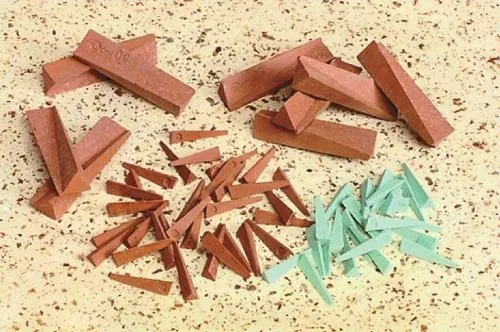
Clay shrinks as it dries and fires, so measure your own body with the clay shrinkage calculator rather than relying on a generic figure.
Which wheel clay suits your situation?
- First wheel, firing at a community studio: ask their cone. If it's cone 5–6, B-Mix is an easy, smooth start. More beginner gear is in total beginners.
- Small 120 V kiln that tops out near 2,000 °F: stick to low fire, such as Terra Cotta 77, Red Rock or ReArt.
- Testing before buying in bulk: TORISING or ReArt 5 lb bags, then step up.
- Mixing cone 6 and cone 10 studios: the Old Potters white stoneware, after confirming its range.
- Classroom already using AMACO: A-Mix No. 11, once AMACO's data sheet confirms the cone.
Every clay in this list, plus air-dry and polymer options, is in the clay category. If you still need a wheel, see the best pottery wheels for beginners.
Mistakes to avoid with wheel clay
- Firing above the clay's cone. A cone 06 terracotta in a cone 6 load can slump or melt onto the shelf.
- Mixing reclaim from different clays. You lose track of the firing range and color.
- Letting a bag dry out. Fold it tight, and store it out of sun and frost.
- Sweeping dry clay. Dried clay dust contains crystalline silica. Wet-wipe or use a HEPA vacuum instead. Our studio safety guide explains dust control.
- Trusting a cone you can't confirm. When a listing contradicts itself, fire a test with a witness cone first.
We compared the listed clay type, firing range, bag weight and color for every firing clay in our catalogue. We placed each listed cone on Orton's published temperature chart. Where a title and its bullets disagree, we report both. We did not throw or fire these clays.