- The best wedging board for most home potters is a portable Penguin Pottery board in Medex MDF, which the brand says is made in the USA and backed by a lifetime warranty. Pick 12 x 18 or 18 x 24 inches.
- Want a thicker, cheaper board? LEOLIO lists 1/2-inch HDF in 13 x 17 and 24 x 18 inches.
- Two boards for the price of one setup: Kosiz (24 x 18, 9 mm) and Swanaryo (11.7 x 17.6, 9 mm) come as 2-packs.
- Honest note: freestanding wedging tables are not in our catalogue. If you want a plaster top, USG No.1 Pottery Plaster is a DIY route, with dust and chip cautions below.
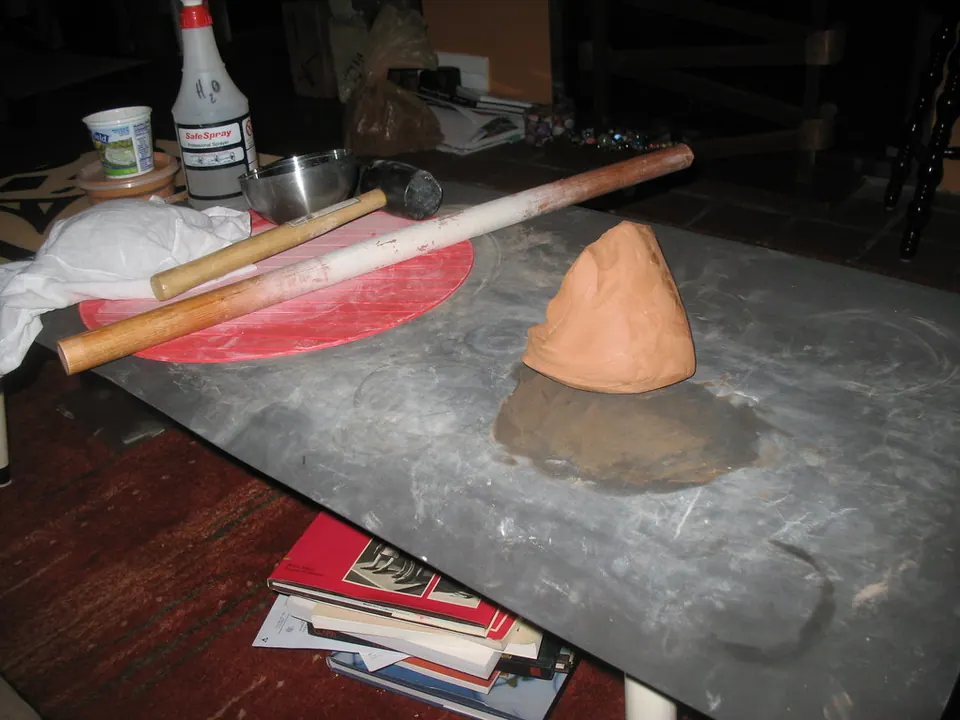
The best wedging board gives you a firm, slightly absorbent surface where clay does not stick, sits flat on your table without sliding and is big enough for the amount of clay you wedge at once. Wedging removes air pockets and evens out moisture before you throw or build, and doing it on a kitchen counter quickly gets messy.
We compared eight options from Penguin Pottery, LEOLIO, Kosiz, Swanaryo, AMACO and USG on listed size, thickness, material, handles and pack count. We did not wedge on them. Our catalogue has boards and a plaster for DIY tops but no ready-made wedging tables, so we say that plainly. If you are setting up a whole space, see how to set up a home pottery studio.
Our picks
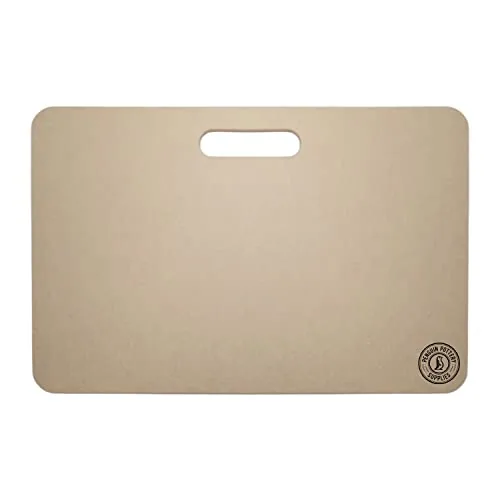
Penguin Pottery Wedging Board, 12x18"
- Size
- 12" x 18"
- Material
- Medex MDF
- Handle
- One built-in
Penguin Pottery's 12 x 18 inch board is Medex MDF with a built-in handle and rounded edges. The brand says it is made in the USA from water-resistant Medex rather than Masonite or plain fiberboard, and lists a lifetime warranty with refund or replacement.
Best for: most home potters wedging 1–3 lb at a time
Skip if: you wedge large batches
- Medex MDF
- Built-in handle, rounded edges
- Lifetime warranty listed
- Thickness not listed
- 12 x 18 in suits small batches
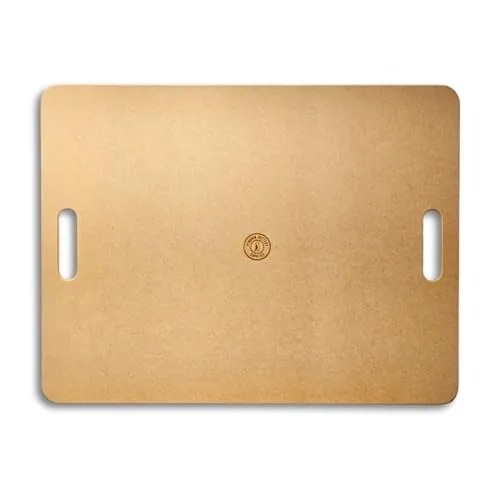
Penguin Pottery Wedging Board, 18x24", 2 Handles
- Size
- 18" x 24"
- Material
- Medex MDF
- Handle
- Two built-in
The 18 x 24 inch version doubles the surface area and adds two built-in handles, in the same Medex MDF with the same lifetime warranty. It is big enough to wedge more clay and roll a slab on the same board.
Best for: bigger batches and slab work
Skip if: your table is small
- 432 sq in surface
- Two handles
- Lifetime warranty listed
- Thickness not listed
- Takes more table and storage space
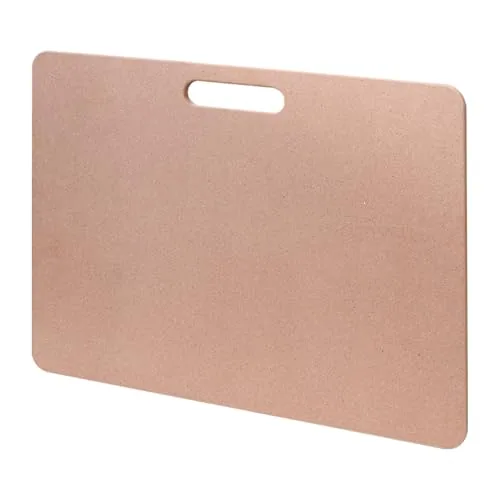
LEOLIO Clay Wedging Board, 13x17"
- Size
- 13 x 17 inches
- Material
- HDF
- Thickness
- 1/2"
LEOLIO's 13 x 17 inch board is 1/2-inch HDF with a built-in handle and rounded edges. The maker says the board is formaldehyde-free and has been widened and thickened from its earlier version.
Best for: a sturdy board at a mid size
Skip if: you want Medex specifically
- 1/2 in thick
- HDF
- One-year warranty listed
- HDF is less water-resistant than Medex; dry it after use
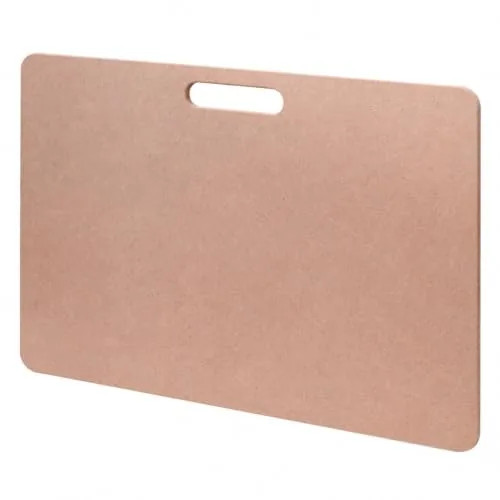
LEOLIO Extra-Thick Wedging Board, 24x18"
- Size
- 24 x 18 inches
- Material
- HDF
- Thickness
- 0.5" (12mm)
- Weight
- 5.5 lb
LEOLIO's extra-thick board is 24 x 18 inches and 0.5 inch (12 mm) HDF with a built-in handle, at a listed 5.5 lb. Large and thick, it stays put on the table during heavy wedging.
Best for: large batches on a budget
Skip if: you need to carry it often
- 24 x 18 in
- 12 mm thick
- Weight listed: 5.5 lb
- Heavier to carry
- HDF; avoid soaking
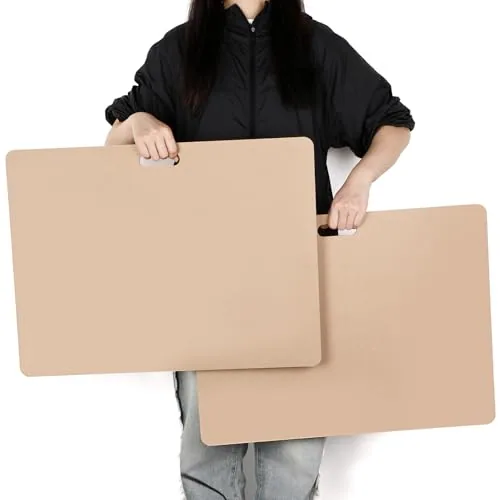
Kosiz MDF Wedging Boards, 24x18", 2 pc
- Size
- 24 x 18 inches
- Pieces
- 2
- Material
- MDF
- Thickness
- 9mm
Kosiz lists two 24 x 18 inch MDF boards, 9 mm thick, each with a built-in handle. Two boards let you wedge on one and roll or dry slabs on the other, or share with a partner.
Best for: two potters or wedging plus slab drying
Skip if: you want a thicker board
- 2 boards, 24 x 18 in
- Lightweight 9 mm MDF
- Thinner than LEOLIO and may flex on soft surfaces
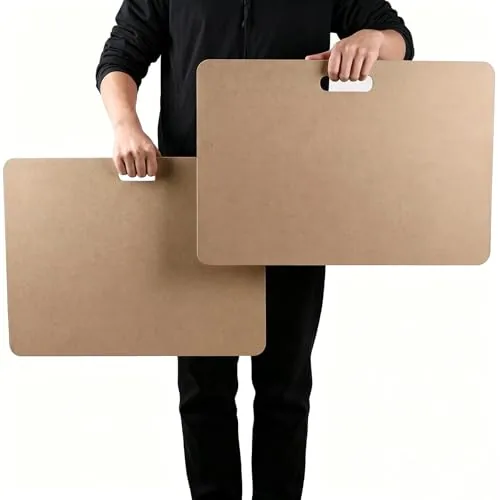
Swanaryo Wedging Boards, 12x18", 2 pc
- Size
- 11.7 x 17.6 inch
- Pieces
- 2
- Material
- MDF
- Thickness
- 9mm
Swanaryo's pair measures 11.7 x 17.6 inches and 9 mm (about 3/8 inch) thick in MDF, with a built-in handle and rounded edges. Compact boards store easily in an apartment.
Best for: small spaces, classes, spares
Skip if: you wedge more than a few pounds at a time
- 2 boards
- Compact size
- Rounded edges
- Smallest surface here
- 9 mm MDF
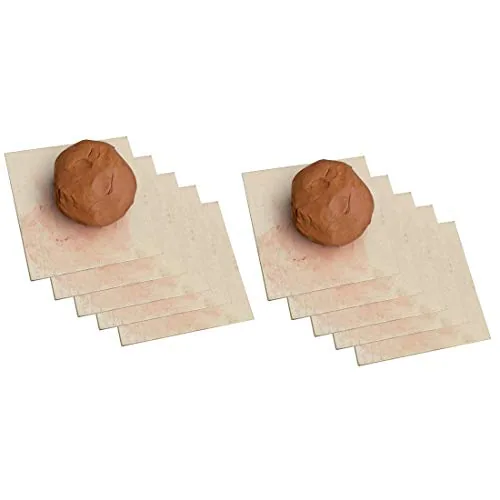
AMACO Canvas Covered Boards, 10-Pack
- Pieces
- 10
- Surface
- Canvas
AMACO's Canvas Covered Boards come 10 to a pack. The listing describes a portable clay work surface for wedging and rolling that can be moved and stored easily. Canvas releases clay well and gives each student a station.
Best for: classes, parties, shared tables
Skip if: you want one big wedging surface
- 10 boards
- Canvas surface for wedging and rolling
- Board size not listed
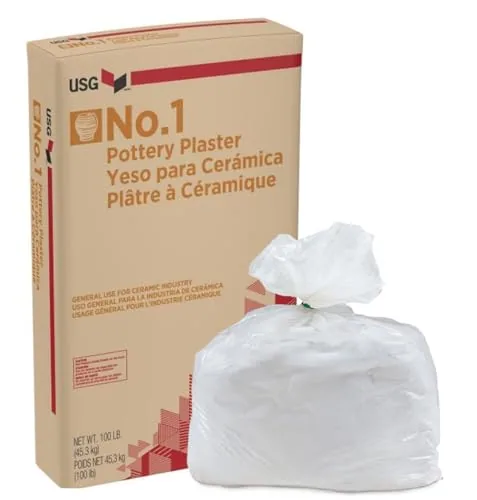
USG No.1 Pottery Plaster, 10 lbs
- Size
- 10 pounds
- Mix ratio
- 70 water : 100 plaster by weight
This is not a board; it is 10 lb of USG No.1 Pottery Plaster. Potters cast plaster into a frame to make a wedging slab or a reclaim bat because plaster absorbs water quickly. USG lists a mix ratio of 70 parts water to 100 parts plaster by weight and includes instructions.
Best for: potters who want to build their own plaster top
Skip if: you want something ready to use
- Very absorbent when cured
- Doubles for reclaim bats and molds
- Mix ratio listed
- Chips can contaminate clay and cause pops after firing
- Mixing dry plaster creates dust
What to look for in the best wedging board
- Material. Medex MDF is a water-resistant fiberboard; HDF and MDF are cheaper and fine if you dry them after use. Canvas boards release well. Plaster absorbs the most water.
- Size. 12 x 18 inches is enough to wedge a few pounds. 18 x 24 or 24 x 18 lets you wedge more and roll slabs.
- Thickness. Thicker boards (1/2 inch) resist flex on soft tabletops.
- Handles. Built-in handles help you carry boards to a sink or shelf.
- Surface height. Wedge at a surface around wrist height when your arms hang down, so you push with body weight instead of your shoulders. A board on a low, sturdy table often works better than a kitchen counter.
Wedging surface per board
Square inches, computed from listed length x width
Doubling a board's length and width is not needed for most hobbyists; jumping from about 216 to 432 square inches mainly helps if you also roll slabs on the same board.
Wedging boards compared
| Product | Size | Thickness | Material | Handle | Pieces | Mix ratio |
|---|---|---|---|---|---|---|
| Penguin Pottery Wedging Board, 12x18" | 12" x 18" | — | Medex MDF | One built-in | — | — |
| Penguin Pottery Wedging Board, 18x24", 2 Handles | 18" x 24" | — | Medex MDF | Two built-in | — | — |
| LEOLIO Clay Wedging Board, 13x17" | 13 x 17 inches | 1/2" | HDF | — | — | — |
| LEOLIO Extra-Thick Wedging Board, 24x18" | 24 x 18 inches | 0.5" (12mm) | HDF | — | — | — |
| Kosiz MDF Wedging Boards, 24x18", 2 pc | 24 x 18 inches | 9mm | MDF | — | 2 | — |
| Swanaryo Wedging Boards, 12x18", 2 pc | 11.7 x 17.6 inch | 9mm | MDF | — | 2 | — |
| AMACO Canvas Covered Boards, 10-Pack | — | — | — | — | 10 | — |
| USG No.1 Pottery Plaster, 10 lbs | 10 pounds | — | — | — | — | 70 water : 100 plaster by weight |
Specs as listed by the maker or seller; check the listing before you buy.
Board materials at a glance
| Medex MDF | HDF / MDF | Canvas board | Cast plaster (DIY) | |
|---|---|---|---|---|
| Absorbs moisture | ~ Some | ~ Some | ~ Some | ✓ A lot |
| Water resistance | ✓ Best of the boards | ~ Dry after use | ~ Dry after use | ~ Dries slowly |
| Clay release | ✓ Good | ✓ Good | ✓ Very good | ✓ Very good |
| Contamination risk | ✓ Low | ✓ Low | ✓ Low | ✗ Chips can get into clay |
| Ready to use | ✓ Yes | ✓ Yes | ✓ Yes | ✗ Cast and cure first |
How to wedge clay on a board
- Cut the clay
Cut a manageable piece (1–3 lb for most beginners) with a wire. Check for air pockets on the cut face.
- Set the board on a solid surface
Put the board on a sturdy, low table so you can lean into the clay. A damp cloth under the board helps stop sliding.
- Wedge in a rhythm
Use ram's head or spiral wedging: push down and away with the heels of your hands, rock back, rotate slightly and repeat 20–40 times.
- Check and repeat
Cut the clay in half. If you see holes or streaks, keep wedging.
- Clean wet, not dry
Scrape off clay and wipe with a damp sponge. Dry sweeping spreads dust. See pottery studio safety.
Do you need a wedging table?
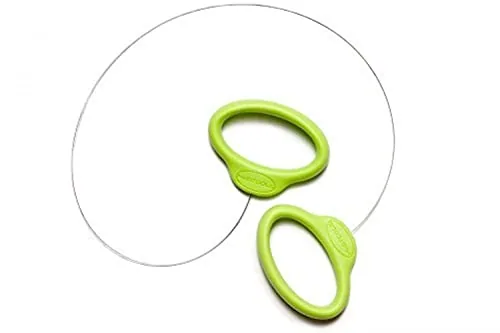
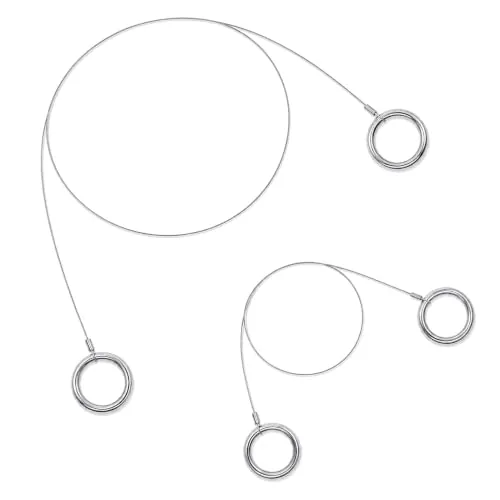
A wedging table is a heavy, low bench with a canvas or plaster top and often a taut wire for cutting clay. Studios use them because a solid table at the right height takes the strain out of wedging large amounts. Our catalogue has no ready-made wedging tables, so the realistic home options are:
- A board on a sturdy low table. The simplest setup. Any board above works.
- A board plus a canvas cover. Staple canvas over a board or use AMACO's canvas boards for better release.
- A DIY plaster slab. Cast plaster in a framed mold to the size of your table, let it cure, and seal the edges. Mix outdoors or with dust control, and keep plaster chips out of your clay.
Whichever route you choose, think about where the clay goes next. Put the wedging spot between your clay storage and your wheel or hand-building table so you are not carrying wet clay across the room. A wire stretched across one end of a homemade table, or a handheld cut-off wire beside the board, saves reaching for tools mid-wedge.
If you are recycling clay, the same plaster can make reclaim bats. See how to reclaim clay.
Which wedging board for which setup?
- Beginners: Penguin Pottery 12 x 18 or LEOLIO 13 x 17. Start in the beginners hub.
- Apartments: a compact board you can store on edge. See the small space hub and pottery in an apartment.
- Hand-builders who roll slabs: a 24 x 18 board; pair it with tools from best slab rollers.
- Classrooms: AMACO canvas boards, one per student.
- Two potters at home: a Kosiz or Swanaryo 2-pack.
Wedging board mistakes to avoid
- Wedging on a slick counter. Clay sticks and you fight it.
- Working too high. A kitchen counter is often too tall; you end up pushing with your shoulders.
- Leaving fiberboard wet. Dry boards flat between sessions so they do not warp.
- Letting plaster chips into clay. Plaster bits in fired ware can pop out later.
- Dry sweeping. Clean wet to keep silica dust down.
We compare manufacturer specs and listing data (power, capacity, size, voltage, temperature or cone rating, firing range, what is included) and what the maker says each product is for. We did not throw on, fire or lab-test these products, and we never show invented scores, ratings or prices.