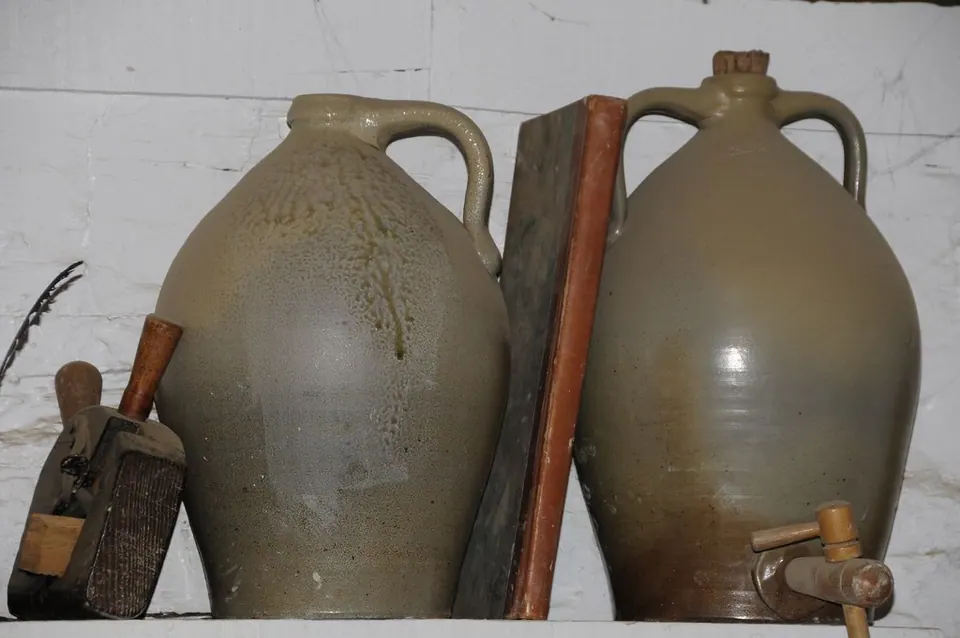
- Stoneware vs earthenware vs porcelain is mostly a question of firing temperature. Earthenware fires low (around cone 06–04), stoneware mid to high (cone 5–10), and porcelain usually mid to high as well, cone 6–10.
- Earthenware is the easiest to fire in a small kiln and stays porous unless glazed. Stoneware fires denser and stronger, so it is the usual choice for mugs and plates fired at cone 6. Porcelain is the whitest and most translucent, and the least forgiving on the wheel.
- Most home potters with an electric kiln work in cone 5–6 stoneware. With only a low-fire kiln, such as one listed at 2000 °F, earthenware is the match.
- Our catalogue lists stoneware and earthenware bodies but no true throwing porcelain right now. The closest are smooth white mid-fire stonewares such as B-Mix.
Stoneware vs earthenware vs porcelain is the first clay decision for anyone moving from classes to working at home. All three are natural clays dug from the earth and blended by the supplier, and all three throw, trim and glaze. They differ in what minerals they contain, and so in how hot they must be fired to mature: to become hard, dense and finished.
That firing temperature is measured in cones. Orton puts cone 06 at 1828 °F, cone 04 at 1945 °F, cone 6 at 2232 °F and cone 10 at 2345 °F at a medium heating rate. Your clay's cone has to match both your kiln and your glazes. This explainer compares the three neutrally, then shows clay picks for stoneware and earthenware from several brands, with each listed cone quoted as given.
Stoneware
Mid- to high-fire (cone 5–10), dense and durable; the everyday choice for functional ware
BrowseEarthenware
Low-fire (around cone 06–04), warm terra cotta or white; fires in small kilns, stays porous unglazed
BrowsePicks from each side
Stoneware
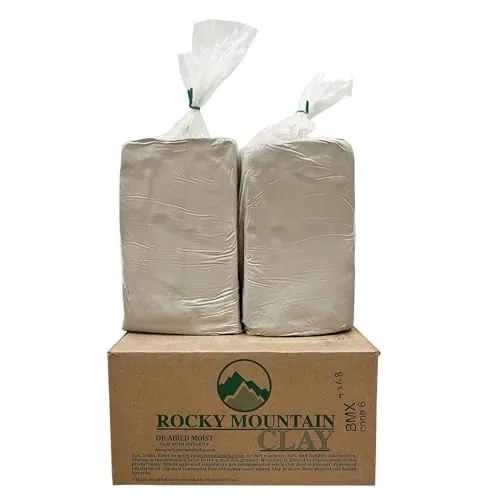
Rocky Mountain Clay B-Mix Cone 6 Stoneware, 50 lb
- Clay body
- Smooth white mid fire stoneware (B-Mix)
- Firing range
- Mid Fire Cone 6
- Weight
- 50lb
Best for Cone 6 wheel throwing

AMACO A-Mix Stoneware Clay No. 11, 50 lb, White
- Clay body
- Stoneware, No. 11 A-Mix
- Weight
- 50 Pounds
- Color
- White
Best for Stocking a home studio
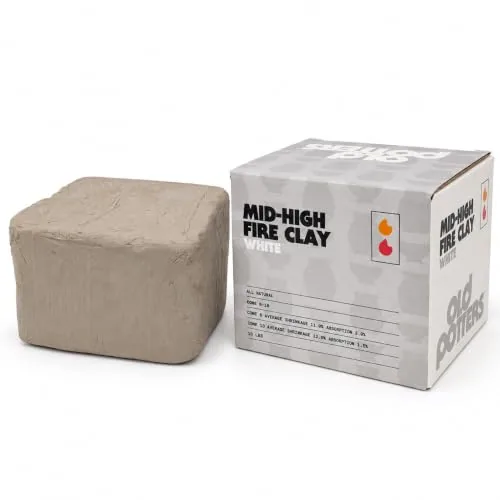
Old Potters White Stoneware Clay, Cone 6-10, 10 lb
- Clay body
- White Stoneware
- Firing range
- Cone 6-10
- Weight
- 10 lb
Best for Stoneware in a smaller quantity
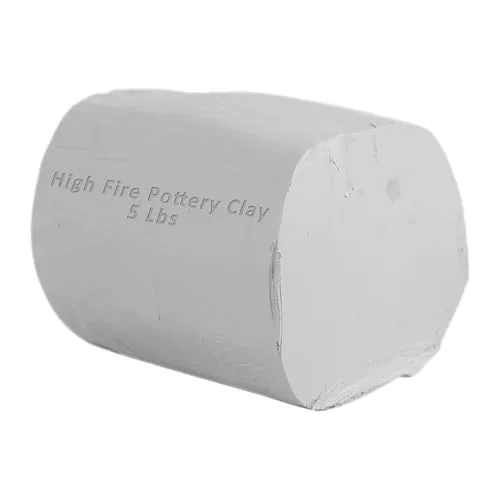
TORISING Mid-High Fire White Clay, Cone 6-10, 5 lb
- Clay body
- Mid to high fire white
- Firing range
- Cone 6-10
- Weight
- 5 Lbs
Best for Testing a cone 6 clay in small amounts
Earthenware
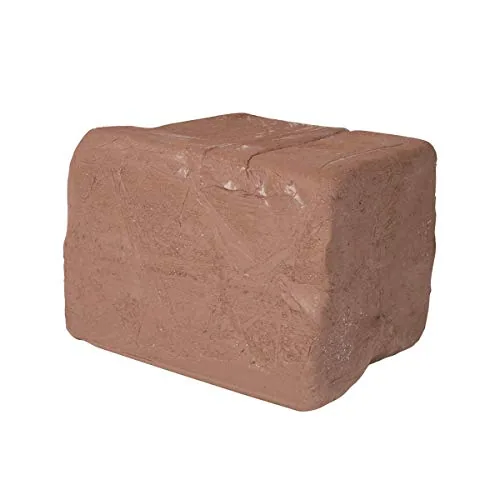
AMACO Terra Cotta 77 Earthenware Clay, 50 lb
- Clay body
- Low-fire earthenware, Terra Cotta 77
- Firing range
- 06-5
- Weight
- 50 Lbs
Best for Terra cotta pots and sculpture
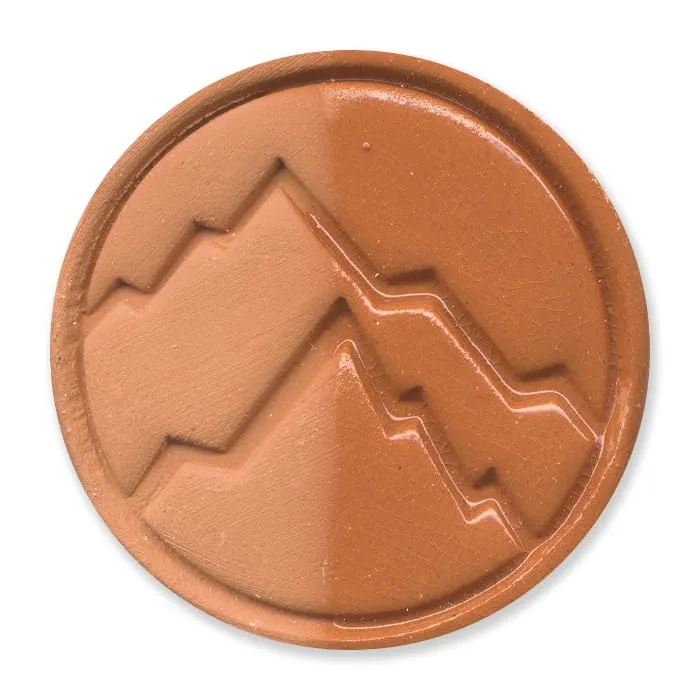
Rocky Mountain Clay Red Rock Terracotta, Cone 06, 10 lb
- Clay body
- Red terracotta, moist de-aired
- Firing range
- Low fire cone 06
- Weight
- 10 lb
Best for Red earthenware projects
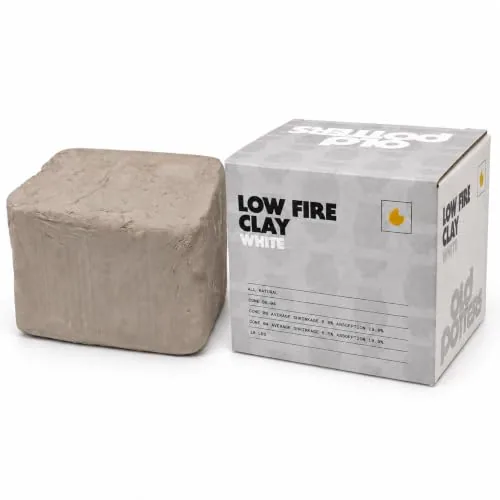
Old Potters Low Fire White Clay, Cones 06-04, 10 lb
- Clay body
- Low fire white
- Firing range
- Cones 06-04
- Weight
- 10 lbs
Best for Beginners on low-fire clay
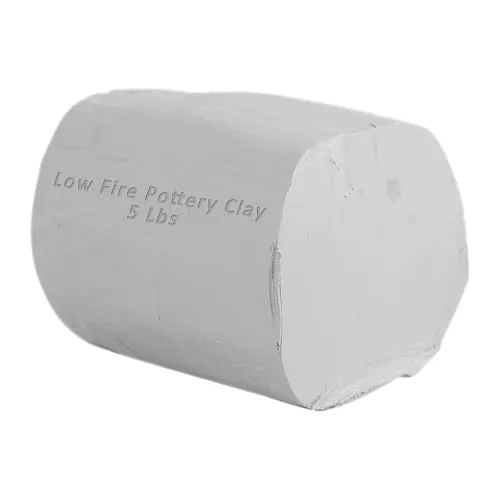
TORISING Low Fire White Pottery Clay, Cone 04-06, 5 lb
- Clay body
- Low fire white (kaolin)
- Firing range
- Cone 04-06
- Weight
- 5Lbs
Best for Trying low-fire clay before buying a box
Stoneware vs earthenware vs porcelain at a glance
The three clay families
| Earthenware | Stoneware | Porcelain | |
|---|---|---|---|
| Typical firing | Low fire, around cone 06–04 | Mid to high fire, cone 5–10 | Usually mid to high fire, cone 6–10 |
| Fired density | ~ Porous unless glazed | ✓ Dense (vitrified when fully fired) | ✓ Very dense, can be translucent |
| Strength | ~ Softer, chips more easily | ✓ Strong, durable | ✓ Strong when fired, delicate before |
| Color | Red/terra cotta or white | Gray, buff, brown, white, speckled | White |
| On the wheel | ✓ Forgiving, often grogged | ✓ Forgiving, wide range of textures | ~ Smooth but soft; slumps and cracks more easily |
| Kiln needed | ✓ Small kilns at about 2000 °F work | ~ Must reach cone 5–6 or higher | ~ Must reach the body's rated cone |
| Glaze colors | ✓ Bright, clear colors | ✓ Wide range, earthy to bright | ✓ Brightest colors on a white body |
| Good first clay? | ✓ Yes, for low-fire kilns | ✓ Yes, the most common choice | ~ Usually after some experience |
Source: Clay at Home summary; cone values from Orton
| Product | Clay body | Firing range | Weight | Color |
|---|---|---|---|---|
| Rocky Mountain Clay B-Mix Cone 6 Stoneware, 50 lb | Smooth white mid fire stoneware (B-Mix) | Mid Fire Cone 6 | 50lb | Gray, White |
| AMACO A-Mix Stoneware Clay No. 11, 50 lb, White | Stoneware, No. 11 A-Mix | — | 50 Pounds | White |
| Old Potters White Stoneware Clay, Cone 6-10, 10 lb | White Stoneware | Cone 6-10 | 10 lb | White |
| TORISING Mid-High Fire White Clay, Cone 6-10, 5 lb | Mid to high fire white | Cone 6-10 | 5 Lbs | White |
| AMACO Terra Cotta 77 Earthenware Clay, 50 lb | Low-fire earthenware, Terra Cotta 77 | 06-5 | 50 Lbs | Terra cotta to darker red-brown |
| Rocky Mountain Clay Red Rock Terracotta, Cone 06, 10 lb | Red terracotta, moist de-aired | Low fire cone 06 | 10 lb | Terracotta |
| Old Potters Low Fire White Clay, Cones 06-04, 10 lb | Low fire white | Cones 06-04 | 10 lbs | White |
| TORISING Low Fire White Pottery Clay, Cone 04-06, 5 lb | Low fire white (kaolin) | Cone 04-06 | 5Lbs | White |
Specs as listed by the maker or seller; check the listing before you buy.
Firing temperature: why it decides everything
Clay matures when the right amount of heat fuses its particles. Fire earthenware too hot and it can slump, bloat or melt. Fire stoneware too low and it stays porous and weak. That is why the cone printed on the bag matters more than the brand.
Listed firing cones of catalogue clays on Orton's scale
°F at 108 °F/hr. Each mark is the top of the clay's listed range.
Read the listed cone carefully. Some ranges are wide or unusual. AMACO's Terra Cotta 77 earthenware lists cone "06-5", ReArt's low-fire clay lists cones 04–3, and TORISING's low-fire white lists 04–06. When a range looks odd, check the maker's data sheet before firing hotter than cone 04. Our cone chart converts any cone to °F and °C.
Earthenware: the low-fire option
Earthenware is the classic terra cotta of flowerpots and folk pottery, plus white low-fire bodies used in classrooms. It fires at temperatures small kilns reach easily. A kiln listed at 2000 °F, like the Paragon Xpress E12A, covers it. Low-fire glazes on earthenware give bright, clean colors.
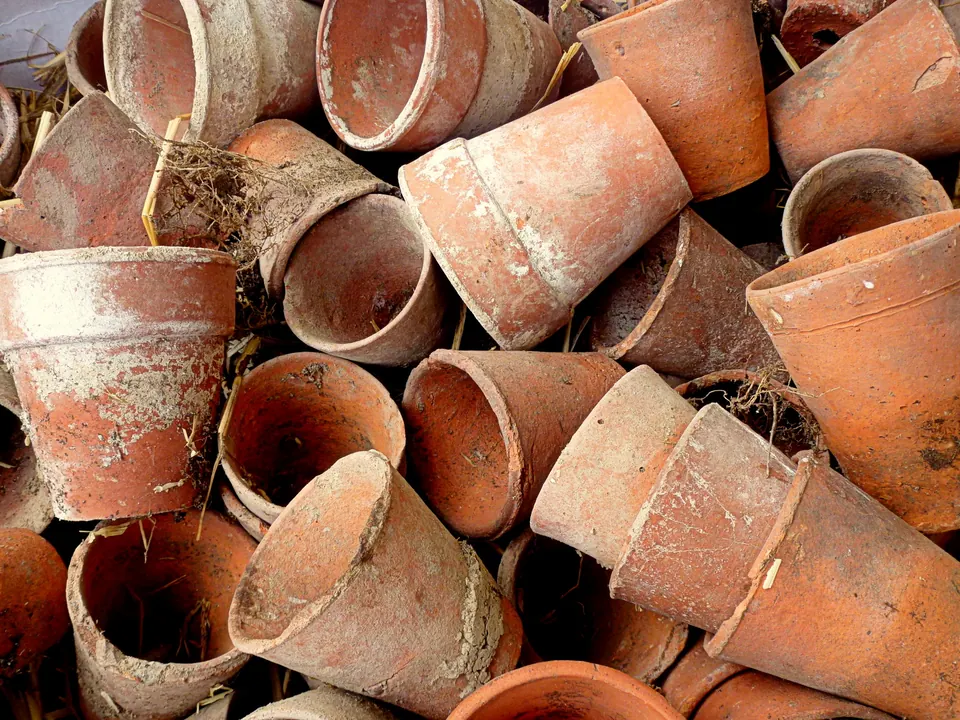
The trade-off is porosity. Fired earthenware stays slightly absorbent, so for anything that holds water the glaze does the sealing, and a crack or crazed glaze lets water in. It is also softer and chips more easily than stoneware.
In our catalogue: AMACO Terra Cotta 77 (50 lb, "terra cotta to darker red-brown"), Rocky Mountain Clay Red Rock Terracotta (moist, de-aired, cone 06, 10 lb), Old Potters Low Fire White (cones 06–04, 10 lb) and TORISING Low Fire White (cone 04–06, 5 lb).
Stoneware: the everyday functional clay
Stoneware is what most home potters throw. Fired to its cone, it becomes dense and durable, the reason it is used for mugs, plates and bakeware. Cone 5–6 stoneware is the standard for electric kilns, and many bodies also go to cone 10.
Stoneware comes in many textures: smooth for fine throwing, grogged (with fired, ground clay added) for big pieces and hand-building, and speckled. In our catalogue: Rocky Mountain Clay B-Mix (smooth white mid-fire, cone 6, 50 lb), AMACO A-Mix No. 11 (white stoneware, 50 lb, cone not in our listing), Old Potters White Stoneware (cone 6–10, 10 lb) and TORISING Mid-High Fire White (cone 6–10, 5 lb). More in best clay for the pottery wheel.
Porcelain: beautiful and demanding
Porcelain is a white, very fine clay. Fired, it is dense and can be thin enough to glow when light passes through it. Glazes look brightest on it. It is also the hardest of the three to throw. It is smooth but soft, slumps if overworked, shows every mark and is prone to cracking as it dries.
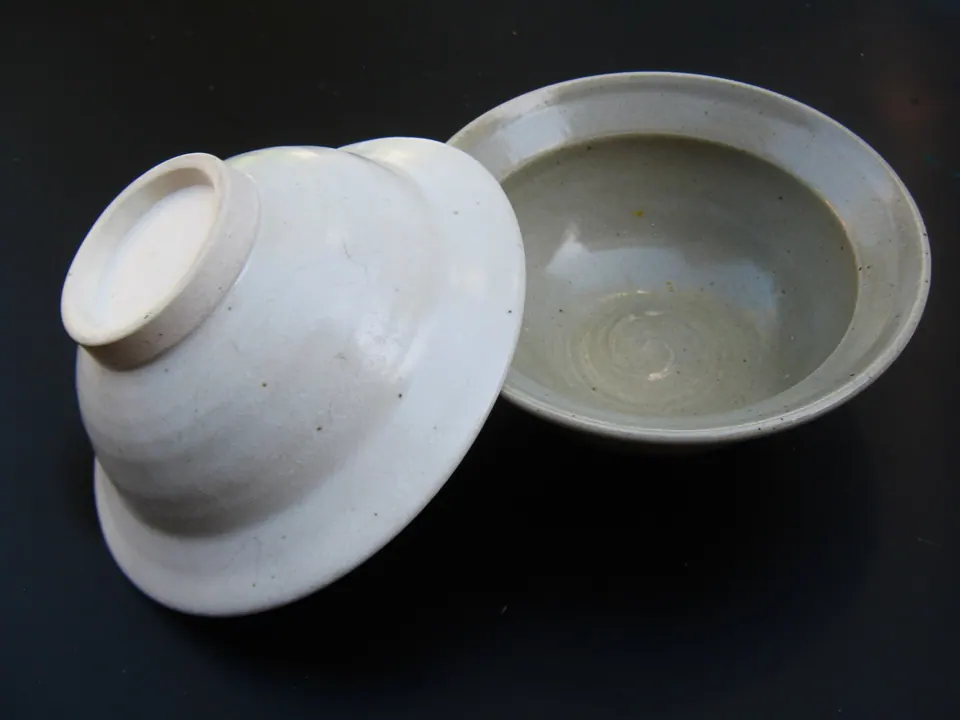
Our catalogue does not currently list a true throwing porcelain. If you want to try the look, smooth white mid-fire stonewares like B-Mix are a common stepping stone. Sculpey Air-Dry Porcelain is an air-dry craft clay with a porcelain-like finish, not a kiln porcelain.
Shrinkage, food use and other practical differences
Every clay shrinks as it dries and again in the kiln, and higher-fire bodies often shrink more. Check the shrinkage figure on the maker's data sheet, and size your pieces with the clay shrinkage calculator.
Dust is the same for all three. Dried clay contains crystalline silica. OSHA's permissible exposure limit is 50 µg/m³ averaged over 8 hours, so clean wet and avoid sweeping. See the studio safety guide.
Mistakes to avoid
- Mixing cones in one kiln load. A cone 6 firing can melt low-fire earthenware onto your shelf.
- Buying clay your kiln cannot mature. A 2000 °F kiln cannot fire cone 6 stoneware (2232 °F).
- Pairing glaze and clay from different cones. They must match.
- Starting with porcelain on day one. Learn centering on forgiving stoneware first.
- Letting reclaim bags get mixed up. Label your scraps by clay body. See how to reclaim clay.
Other options worth a look
Once you pick a clay, match the glaze and confirm the firing. Penguin Pottery's Glossy Clear is a 64 oz cone 5–6 zinc-free clear for stoneware, listed as suitable for food contact when fired to cone. Sax True Flow Natural Clear is a cone 06–05 gloss listed as dinnerware-safe at that range, for earthenware. AMACO's C-11 Mixing Clear is a cone 5–6 zinc-free clear. Orton junior cones show what a firing really reached.
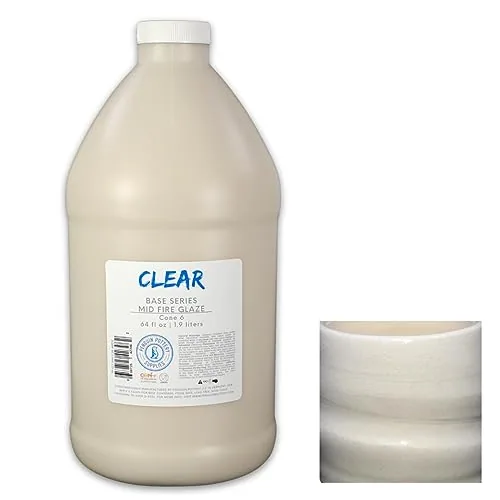
Penguin Pottery Glossy Clear Cone 5-6, 64 oz
- Firing range
- Cone 5-6 (about 2167-2232°F)
- Size
- 64 Fl Oz
- Finish
- Glossy clear, zinc-free
Best for Potters who use a lot of clear
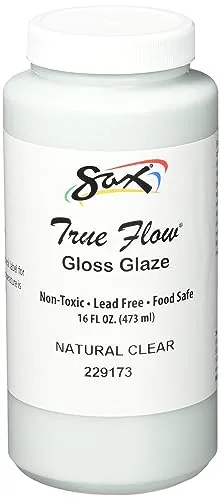
Sax True Flow Gloss Glaze, Natural Clear, Pint
- Firing range
- Cone 06-05
- Size
- 16 Fl Oz
- Finish
- Gloss clear
Best for Low-fire clear coat
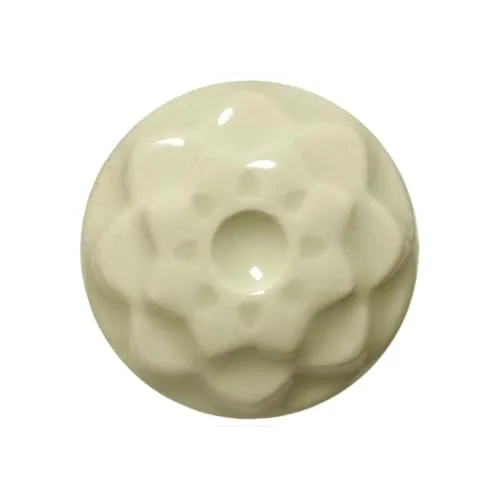
AMACO Celadon C-11 Mixing Clear, Pint
- Firing range
- Cone 5-6
- Size
- 16 oz. (473 mL)
- Finish
- Transparent gloss, zinc-free
Best for Clear over underglaze at cone 6
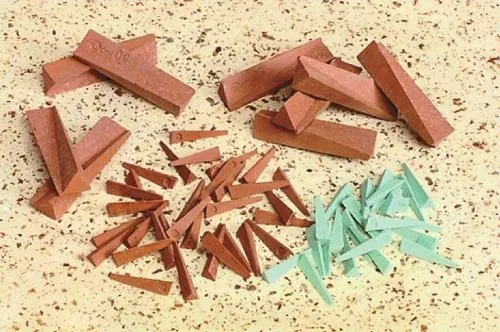
Orton Junior Pyrometric Cones, Cone 6, Box of 50
- Max cone
- #6
- Count
- Box of 50
- Size
- Small (junior)
Best for Kiln-sitter firings to cone 6
Browse the clay category or the food-safe ware hub. Not ready for a kiln? Compare air-dry vs polymer clay.
How we compared
We used Orton's cone chart and the clay listings in our catalogue, quoting each listed cone and weight as given. The general properties above are standard ceramic knowledge, not lab results. We did not fire or test these clays. Check each maker's data sheet for exact cone, shrinkage and absorption.