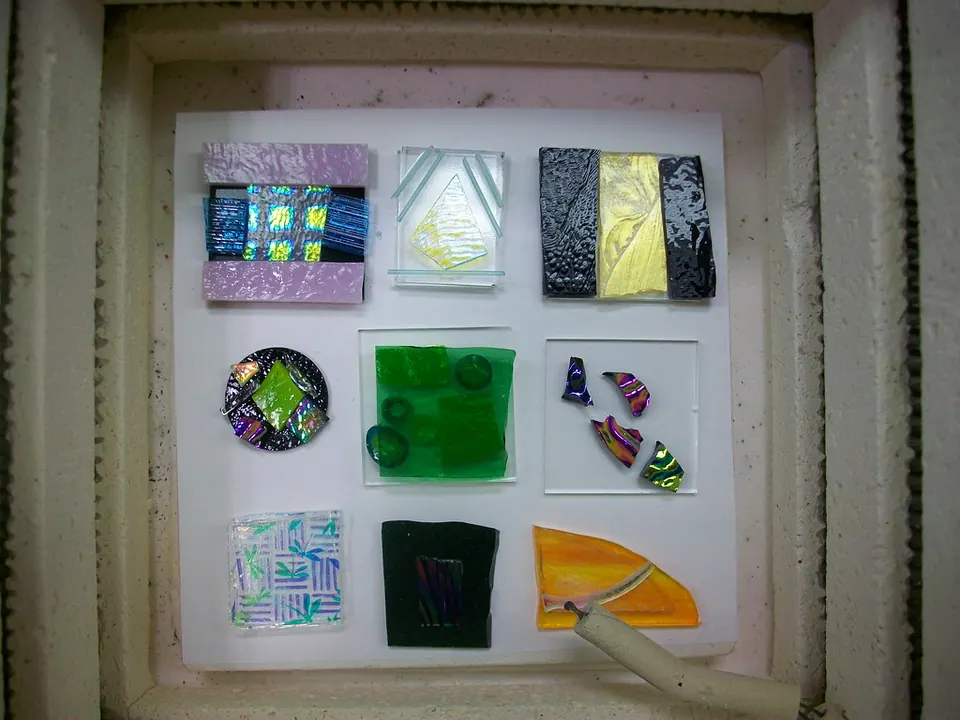
- Electric kiln vs microwave kiln: a microwave kiln is a small ceramic-fiber box that heats inside your microwave. It is made for fused glass jewelry such as pendants and earrings. It is not a pottery kiln.
- Microwave kiln listings in our catalogue give interiors as small as 3.15 x 1.77" and fusing times of 6–8 minutes, with no temperature readout or cone control.
- A small electric kiln has a controller, a thermocouple and a listed max temperature. The Paragon Xpress Q11A lists 2350 °F, past Orton cone 10, and the E12A lists 2000 °F for bisque and low fire.
- If you want to fire mugs or bowls, you need an electric kiln (or a studio's). If you want glass jewelry, a microwave kiln is a cheap, fast way to try it.
Electric kiln vs microwave kiln is a common search from people who want to fire their own work without a big setup. Microwave kilns look like a shortcut. They are small, they use a microwave you already own, and a firing takes minutes. But they do a different job.
A microwave kiln is a lidded box of ceramic fiber lined with a material that absorbs microwave energy and gets hot. It is designed to fuse small pieces of glass. An electric kiln uses resistance elements, a thermocouple and a controller to follow a firing schedule for hours, the way pottery needs. This explainer compares the two neutrally, shows picks for each and explains why, for clay, only one of them is the right tool.
Picks from each side
Electric kiln
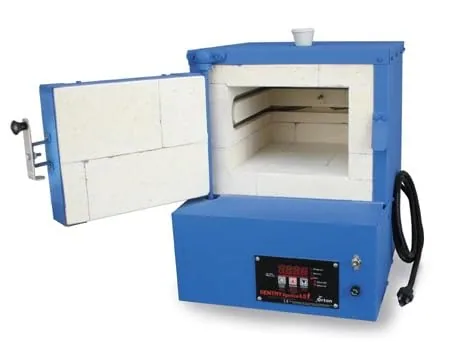
Paragon Xpress E12A 120V Kiln
- Max temperature
- 2000 F
- Voltage
- 120v
- Power
- 15amp
Best for Low-fire and bisque at home
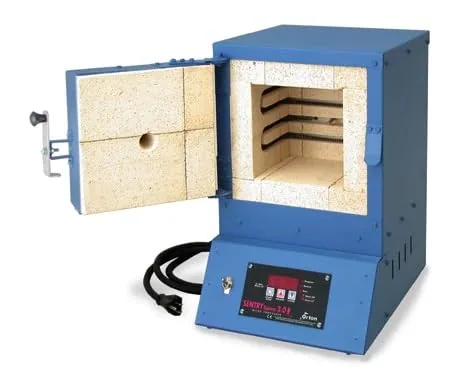
Paragon Xpress Q11A 120V Kiln
- Max temperature
- 2350 F
- Voltage
- 120v
- Power
- 12amp
Best for Test tiles and small high-fire pieces
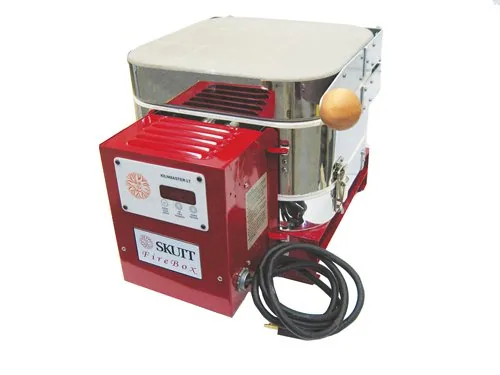
Skutt Firebox 8x8x4.5 LT Digital Glass Kiln
- Interior size
- 8" x 8" in. in diameter and 4.5 in. high
- Controller
- Digital, Ramp/Hold programs
- Includes
- 7" x 7" shelf, kiln wash, posts
Best for Glass, metal clay and small ceramic pieces
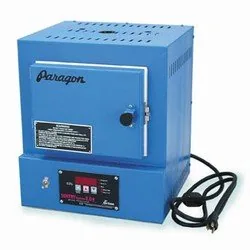
Paragon SC2 120V Digital Kiln, Sentinel Touch
- Voltage
- 120V
- Power
- 14A / 1680W
- Controller
- Sentinel Touch Xpress
Best for Small pieces and test firings at home
Microwave kiln
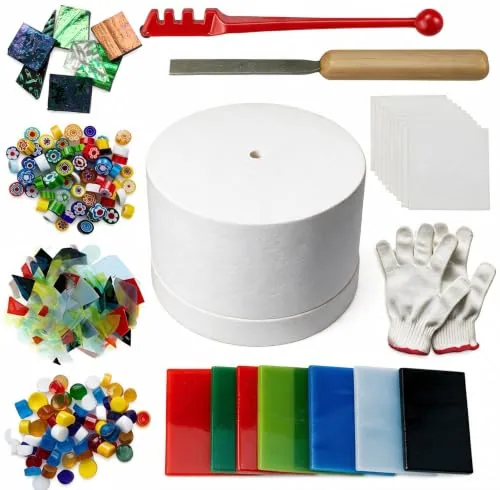
WICAND Large Microwave Kiln Kit, 10 pcs
- Interior size
- 4.9" (12.5 cm) platform
- Microwave
- 1000W or higher recommended
Best for Starting glass fusing at home
Diamond Tech Fuseworks Microwave Kiln Kit
- Type
- Microwave glass fusing kit
Best for Glass fusing beginners
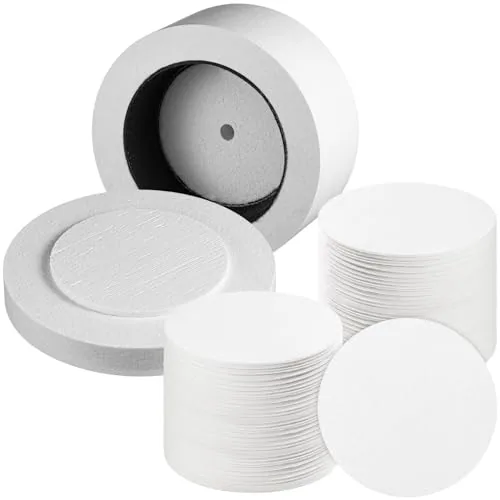
Tujoe Large Microwave Kiln with 50 Papers
- Interior size
- 5.31 x 1.77 inches
- Outer size
- 7.68 x 4.33 inches
- Includes
- 50 kiln papers
Best for Glass pendants and earrings
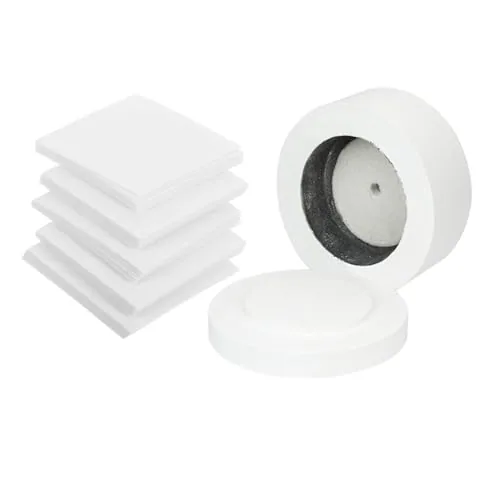
MUCOFEI Microwave Kiln with 80 Papers
- Interior size
- 3.15x1.77 inches
- Outer size
- 4.72x3.27 inches
- Includes
- 80 kiln papers (8x8cm)
Best for Tiny glass jewelry pieces
Electric kiln vs microwave kiln at a glance
Two very different tools
| Small electric kiln | Microwave kiln | |
|---|---|---|
| Heat source | Electric elements, own circuit | Your home microwave |
| Temperature control | ✓ Controller + thermocouple | ✗ Time and microwave power only |
| Firing schedule | ✓ Ramps and holds over hours | ✗ Minutes; listed 6–8 min to fuse glass |
| Max temperature listed | ✓ e.g. 2000 °F (E12A), 2350 °F (Q11A) | ✗ Not listed |
| Measured by cone | ✓ Yes | ✗ No |
| Interior (examples) | 8.5 x 12 x 6.75" (E12A); 6 x 6 x 6.25" (Q11A) | 4.9" platform (WICAND); 3.15 x 1.77" (MUCOFEI) |
| Fused glass jewelry | ✓ Yes (glass kilns, Firebox) | ✓ Main purpose |
| Bisque and glaze pottery | ✓ Yes, to the kiln's rated cone | ✗ Not a pottery kiln |
| Metal clay | ✓ With suitable controller (Firebox lists PMC) | ✗ Not designed for it |
| Electrical work | ~ Dedicated circuit often needed | ✓ None |
| Ventilation | ✓ Required per maker | ~ Follow kit instructions |
Source: Manufacturer listing data, Clay at Home catalogue
Why a microwave kiln cannot replace a pottery kiln
Pottery needs controlled heat over time. A bisque firing usually goes to around cone 06–04, which Orton puts at 1828–1945 °F at 108 °F/hr. Mid-fire glaze goes to cone 5–6, 2167–2232 °F. Cones measure heat work, temperature over time, so a fast spike does not give the same result as a proper schedule. Clay also needs a slow early stage to drive out water without cracking or bursting.
A microwave kiln has none of that. Its listings give no maximum temperature and no way to read or hold one. You control it with the microwave's power and a timer. That works for glass, which fuses quickly at a visible point, and poorly for clay.
Listed usable interior height
Inches. Height limits what you can fire: microwave kilns take flat pieces only.
What a microwave kiln is good at
For glass jewelry, microwave kilns are a fun and low-commitment start. WICAND lists a 4.9" fusing platform, an outer size of about 7.5" x 3.3", 6–8 minute fusing and a microwave of at least 800 W (1000 W or more for its kit). Tujoe and Crabcut list a 5.31 x 1.77" interior with 50 kiln papers. MUCOFEI's smaller unit has a 3.15 x 1.77" interior for rings, beads and pendants. Fuseworks, from Diamond Tech, sells a microwave fusing kit in its glass line.
- Use fusing glass
Buy glass with a matching COE (coefficient of expansion). WICAND's kit includes COE90 glass. Mixing COEs can crack pieces as they cool.
- Protect the base
Put kiln paper under the glass so it does not stick to the kiln floor.
- Follow the kit's time and power
Start at the listed time and watch through the vent. Use heat-resistant gloves, and set the hot kiln on a heatproof surface.
- Let it cool closed
Opening too soon can shock the glass. Follow the kit's cooling time.
Keep a microwave kiln's microwave for crafts, and follow the kit maker's safety instructions.
What a small electric kiln is good at
A small 120 V electric kiln covers pottery, glass and metal clay, depending on its rating. In our catalogue, the Paragon Xpress E12A lists 120 V, 15 A, 2000 °F and an 8.5 x 12 x 6.75" interior. That suits bisque and low-fire glaze, not cone 5–6. The Xpress Q11A lists 12 A and 2350 °F, enough for cone 10 on paper, but in a 6 x 6 x 6.25" chamber for test tiles and small pieces. Skutt's Firebox 8x8x4.5 LT has a digital ramp/hold controller listed for glass, PMC and ceramics.
The trade-off is electrical. A 15 A kiln needs 18.75 A of circuit under the NEC's 125% continuous-load rule, so a dedicated 20 A circuit. Check yours with the outlet checker and read 120V vs 240V kilns.
A third category: jewelry and melting furnaces
Many budget "electric kilns" are really small furnaces for metal melting, metal clay and annealing. VEVOR's 1650 W unit lists 2192 °F, and PeiXWming's 2000 W unit lists 2102 °F. Orton puts cone 6 at 2232 °F at 108 °F/hr, so neither can fire cone 6 stoneware. They can be useful for jewelry, but they are not pottery kilns. More in best 120V kilns (and what budget furnaces can't do).
Mistakes to avoid
- Buying a microwave kiln to fire mugs. It cannot control or confirm cone, and its interior is under 2" tall in several listings.
- Assuming any "kiln" reaches cone 6. Check the listed max against Orton's chart. Our cone chart has every value.
- Firing greenware fast. Water and trapped air make clay burst. Electric kilns let you ramp slowly; microwaves do not.
- Ignoring fumes. Kilns of every kind give off fumes. Ventilate per the maker's instructions.
- Forgetting the studio-firing route. Many community studios fire members' work. See do you need a kiln?
Other options worth a look
These accessories and alternatives from other brands help on either path. PMC's OV-1 is a tiny electric kiln with a 14-program controller for metal clay. Thompson Enamel's kit pairs a tabletop furnace with enamel supplies for enameling on metal. Bullseye ThinFire is a kiln paper for glass fusing in electric kilns. Orton cones confirm what an electric firing actually reached.
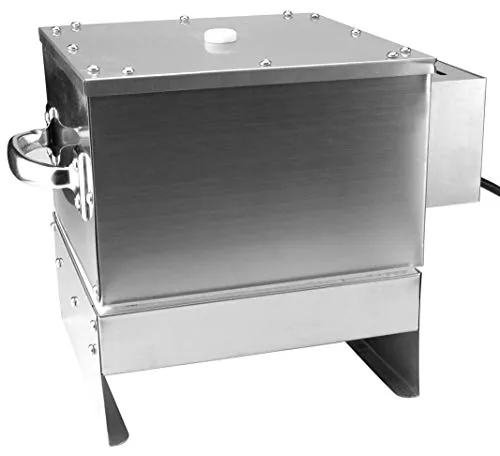
PMC OV-1 Kiln & OC-01 Controller Combo
- Interior size
- 4 5/8" x 4 5/8" x 3 1/2" high
- Controller
- OC-01, 14 programs pre-programmed
- Insulation
- 2" walls
Best for Metal clay and tiny pieces
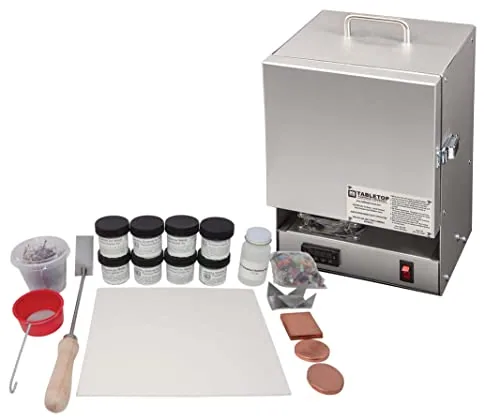
Thompson Enamel Kit with TableTop RapidFire Furnace
An enameling starter set with a tabletop furnace and a Thompson Enamel beginner kit. It is for enamel on…
Best for Starting enamel jewelry
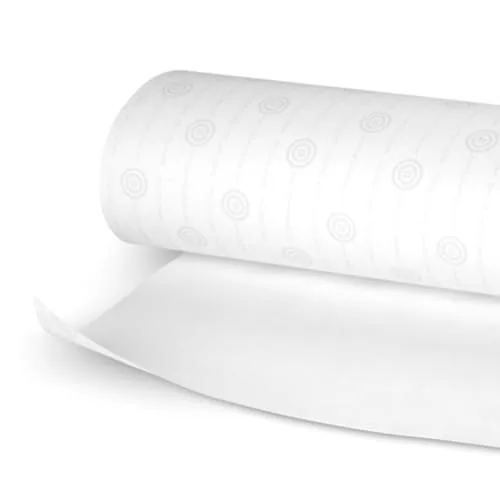
Bullseye ThinFire Kiln Paper, 20x20, 5 Pack
- Size
- 20 x 20
- Count
- 5 Pack
Best for Glass fusing on kiln shelves
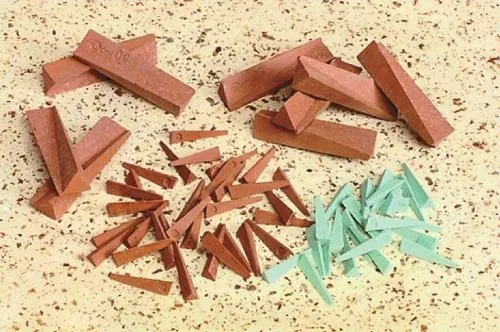
Orton Junior Pyrometric Cones, Cone 6, Box of 50
- Max cone
- #6
- Count
- Box of 50
- Size
- Small (junior)
Best for Kiln-sitter firings to cone 6
See the full kilns category, best microwave kilns and best glass fusing kilns. Working in an apartment? Start at the small space hub.
How we compared
We compared manufacturer listings for the kilns in our catalogue, Orton's cone chart and kiln-maker install guidance. We did not fire any kiln. Where a listing gives no temperature, we say so.