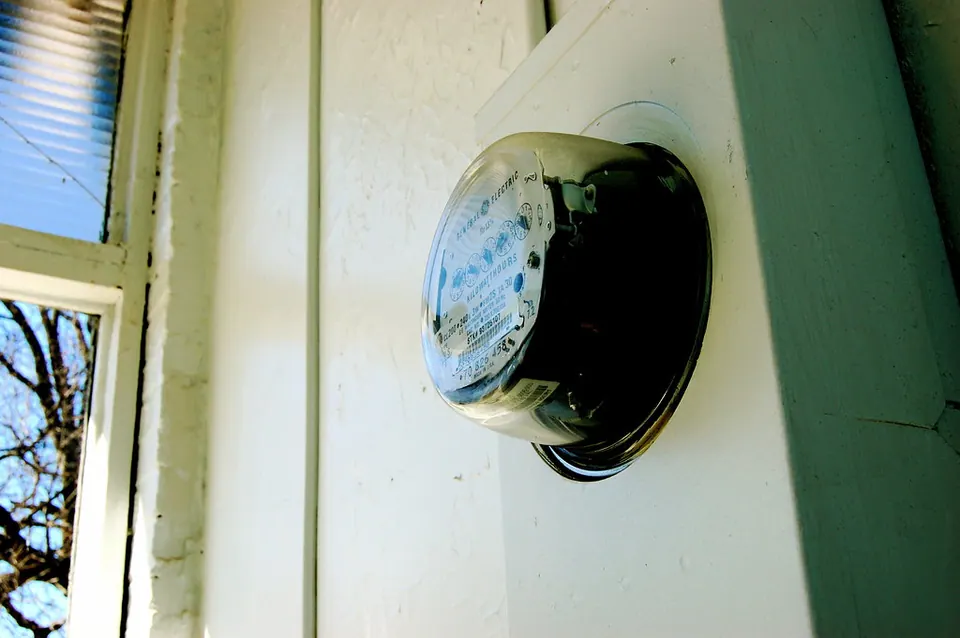
- The cost to fire a kiln is kW × hours × duty cycle × price per kWh.
- At the EIA U.S. average residential price for August 2026 (18.16¢/kWh, preliminary), a 1.8 kW, 120 V kiln on an 8-hour firing at a 60% duty cycle costs about $1.57.
- A large 11.52 kW, 240 V kiln on a 10-hour firing at 60% costs about $12.55 at the same rate, and about $32.61 at Hawaii’s 47.18¢.
- The 60% duty cycle is a planning assumption, not a measurement. Read your meter before and after one firing for your real figure.
How much does it cost to fire a kiln? Usually less than people fear: for a small 120 V kiln, a firing costs a dollar or two of electricity at average U.S. rates, and a full-size 240 V kiln costs roughly the price of a takeout lunch. Where you live moves the number more than anything else, because state electricity prices differ by more than three to one.
Below is the formula, worked examples using kiln specs from our catalogue and the U.S. Energy Information Administration’s August 2026 average residential prices (Electric Power Monthly, Table 5.6.A, marked preliminary, retrieved November 7, 2026), and the costs the formula leaves out.
The formula for the cost to fire a kiln
- kW: from the nameplate. Watts ÷ 1,000, or amps × volts ÷ 1,000. A 15 A kiln at 120 V is 1.8 kW; 12 A at 120 V is 1.44 kW.
- Hours: the full programmed firing, from switch-on to the controller shutting off. Cooling time costs nothing.
- Duty cycle: the share of that time the elements are actually on. A controller cycles power to follow the programmed climb, so a kiln rarely draws full power the whole time. We use 60% for planning and 100% as a worst case.
- Rate: cents per kWh from your bill, or your state’s EIA average as a starting point.
Worked example: a small 120 V kiln
Take the Paragon Xpress E12A, listed at 15 A on 120 V. That is 15 × 120 = 1,800 W, or 1.8 kW. Assume an 8-hour firing and a 60% duty cycle.
- Energy used
1.8 kW × 8 h × 0.60 = 8.64 kWh.
- Multiply by the rate
At the U.S. average of 18.16¢ per kWh: 8.64 × $0.1816 = about $1.57.
- Check the worst case
At a 100% duty cycle the same firing uses 14.4 kWh, about $2.62 at the U.S. average.
- Swap in your own rate
Use the price per kWh on your bill, including delivery charges if they are billed per kWh.
Small 120 V kilns at the U.S. average rate (18.16¢/kWh)
| Kiln (as listed) | kW | Firing assumed | Energy | Cost |
|---|---|---|---|---|
| Paragon Q11A, 12 A × 120 V | 1.44 | 6 h at 60% | 5.18 kWh | about $0.94 |
| Paragon SC2, 1,680 W | 1.68 | 8 h at 60% | 8.06 kWh | about $1.46 |
| Paragon E12A, 15 A × 120 V | 1.80 | 8 h at 60% | 8.64 kWh | about $1.57 |
| Paragon E12A, worst case | 1.80 | 8 h at 100% | 14.4 kWh | about $2.62 |
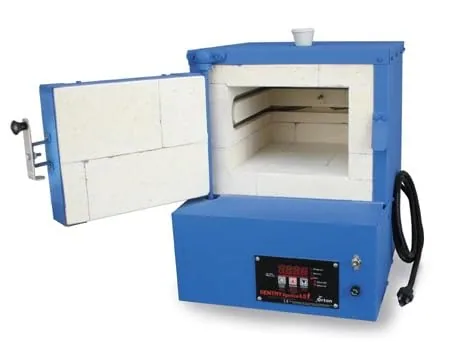
Paragon Xpress E12A 120V Kiln
- Max temperature
- 2000 F
- Voltage
- 120v
- Power
- 15amp
Best for Low-fire and bisque at home
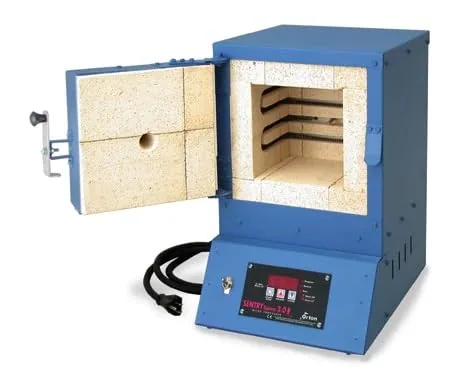
Paragon Xpress Q11A 120V Kiln
- Max temperature
- 2350 F
- Voltage
- 120v
- Power
- 12amp
Best for Test tiles and small high-fire pieces
Paragon SC2 120V Digital Kiln, Sentinel Touch
- Voltage
- 120V
- Power
- 14A / 1680W
- Controller
- Sentinel Touch Xpress
Best for Small pieces and test firings at home
Worked example: a full-size 240 V kiln
A larger kiln drawing 48 A at 240 V is 11.52 kW. On a 10-hour firing at 60%, it uses 11.52 × 10 × 0.60 = 69.1 kWh, about $12.55 at the U.S. average. At 100% duty the same firing uses 115.2 kWh, about $20.92.
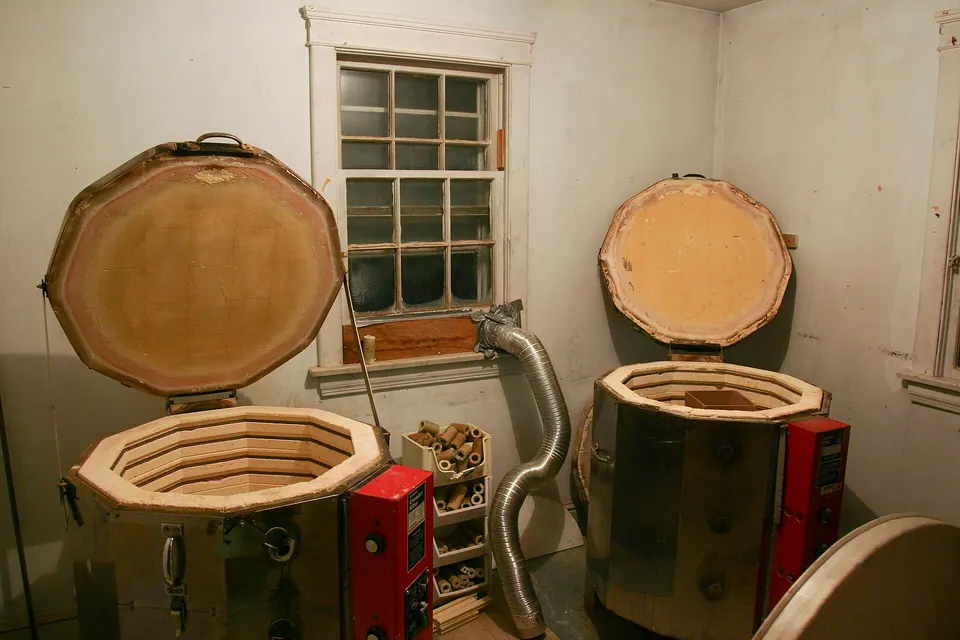
That is around eight times the small kiln’s cost per firing, but a big kiln holds many times more pots, so the cost per piece is often lower. Check the actual amps and volts of any kiln you are considering, and remember that the circuit has to be sized for it first; see kiln electrical requirements.
How much does firing cost in your state?
The same firing costs very different amounts across the country. The chart uses the small-kiln example above (8.64 kWh) at each state’s August 2026 EIA average residential price.
Cost of one 8.64 kWh firing by state
1.8 kW kiln, 8 h, 60% duty cycle, at EIA average residential prices for August 2026 (preliminary)
Large 240 V kiln (69.1 kWh firing) by state
| State | EIA rate, Aug 2026 | Cost per firing |
|---|---|---|
| Hawaii | 47.18¢ | about $32.61 |
| California | 29.75¢ | about $20.56 |
| U.S. average | 18.16¢ | about $12.55 |
| Texas | 15.91¢ | about $11.00 |
| Nevada | 12.72¢ | about $8.79 |
Source: EIA Electric Power Monthly, Table 5.6.A (August 2026, preliminary)
Kiln firing cost calculatorPick your state or type your bill’s rate, choose a kiln preset, and get your own estimate.Bisque vs glaze firing: which costs more?
Usually the glaze firing, when it goes hotter or runs longer. A cone 6 glaze firing reaches 2,232 °F on Orton’s chart at a medium rate, while bisque is often fired around cone 06–04 (1,828–1,945 °F). The elements work harder near peak temperature, and a longer program means more hours.
| 1.8 kW kiln, 60% duty | Hours assumed | Energy | Cost at 18.16¢ |
|---|---|---|---|
| Bisque (illustration) | 8 h | 8.64 kWh | about $1.57 |
| Glaze (illustration) | 10 h | 10.8 kWh | about $1.96 |
| Two firings per batch | 18 h | 19.4 kWh | about $3.53 |
These hours are illustrations, not schedules. Your controller’s program and kiln size set the real numbers. Our bisque vs glaze firing guide explains why most pots get both.
Cost per pot
Divide the cost of both firings by the number of pieces in the load. If the large-kiln example above holds 20 mugs per load, the bisque and glaze firings together (about $25 at the U.S. average, using 10 hours each) work out to around $1.25 per mug in electricity. A small kiln that fits four mugs costs less per firing but more per mug.
For sellers, firing is only one line of the cost sheet: clay, glaze, kiln shelves and posts, cones, element and thermocouple replacement, and your time all count. See how to price handmade pottery and the selling your pottery hub.
What the formula leaves out
- Time-of-use and tiered pricing. Many plans charge more at peak times. Firing overnight on a time-of-use plan can cut the cost, if the kiln’s location and your household are suited to it.
- Fixed charges on your bill, which do not change with use.
- Wear parts. Elements and thermocouples wear with use and eventually need replacing. That is a real cost per firing even if it is not on the electric bill.
- Cold garages. A kiln in a cold space can take longer to reach temperature.
- Kiln furniture and cones. Shelves, posts, kiln wash and witness cones.
- Venting. A vent fan uses a little electricity of its own.
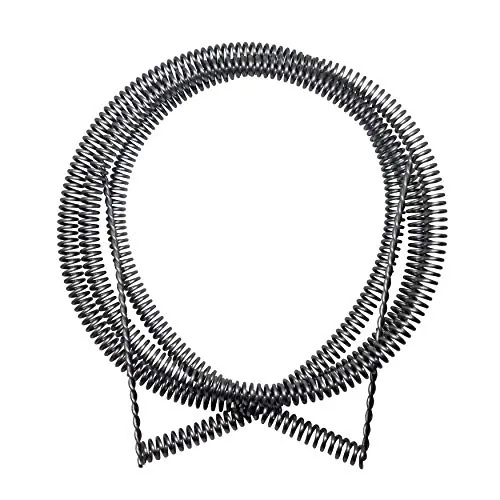
Paragon E12A Replacement Heating Element
- Fits
- Paragon Fire Brick Kiln E12A
- Type
- Replacement Heating Element
Best for Paragon E12A owners
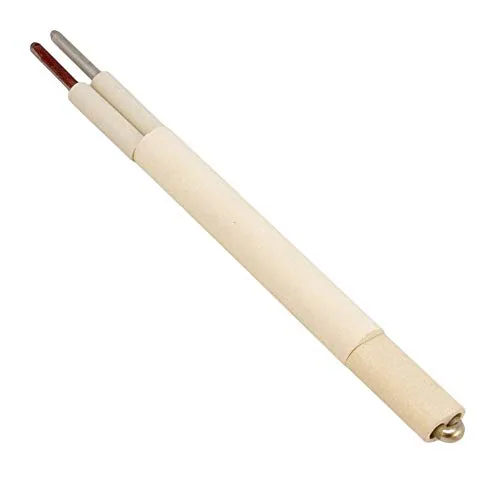
Skutt Type K Kiln Thermocouple SK1515
- Type
- Type K
- Gauge
- 8-Gauge
- Length
- 6" long
Best for Kiln owners replacing a worn thermocouple
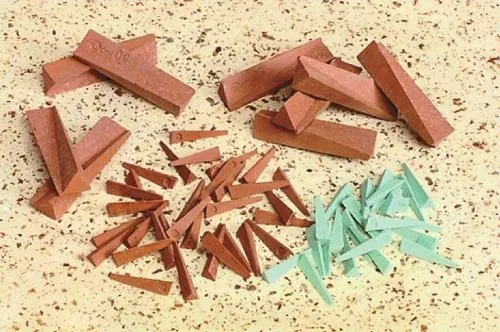
Orton Junior Pyrometric Cones, Cone 6, Box of 50
- Max cone
- #6
- Count
- Box of 50
- Size
- Small (junior)
Best for Kiln-sitter firings to cone 6

Penguin Pottery Liquid Kiln Wash, 16 oz
- Size
- 16 fl oz (1 Pint)
- Form
- Ready to use liquid
Best for Protecting new kiln shelves
Measure your own firing cost
An estimate is only as good as its duty-cycle guess. One measured firing replaces the guess with your own figure, and you only need to do it once per program.
- Note the meter reading
Read your electric meter (or your utility’s app, if it shows hourly use) right before you start the kiln. Avoid running other big appliances during the firing if you can.
- Fire as normal
Run your usual bisque or glaze program with a typical load. Write down the program, the cone and the total firing time the controller reports.
- Read the meter again
Subtract the first reading from the second to get the kWh the firing used, plus a little household background use.
- Work out your duty cycle
Divide measured kWh by kW × hours. If a 1.8 kW kiln used 7.2 kWh over 8 hours, the duty cycle was 7.2 ÷ 14.4 = 50%. Enter that in the calculator from now on.
- Check whether your controller logs energy
Some digital controllers record firing cost or energy use. If yours does, compare its figure with the meter once to see how close it is.
Ways to keep firing costs down
- Fill the kiln. A half-empty kiln costs nearly the same to fire as a full one.
- Fire to the cone you need, not hotter. Match clay and glaze cones; see the cone chart explained.
- Skip unneeded holds. Long soaks add hours. Use them only where your glaze needs them.
- Measure once. Read the meter before and after a firing to replace the 60% assumption with your own number.
- Compare with studio firing fees. If you fire rarely, a community studio may cost less than owning a kiln once you add wear parts.