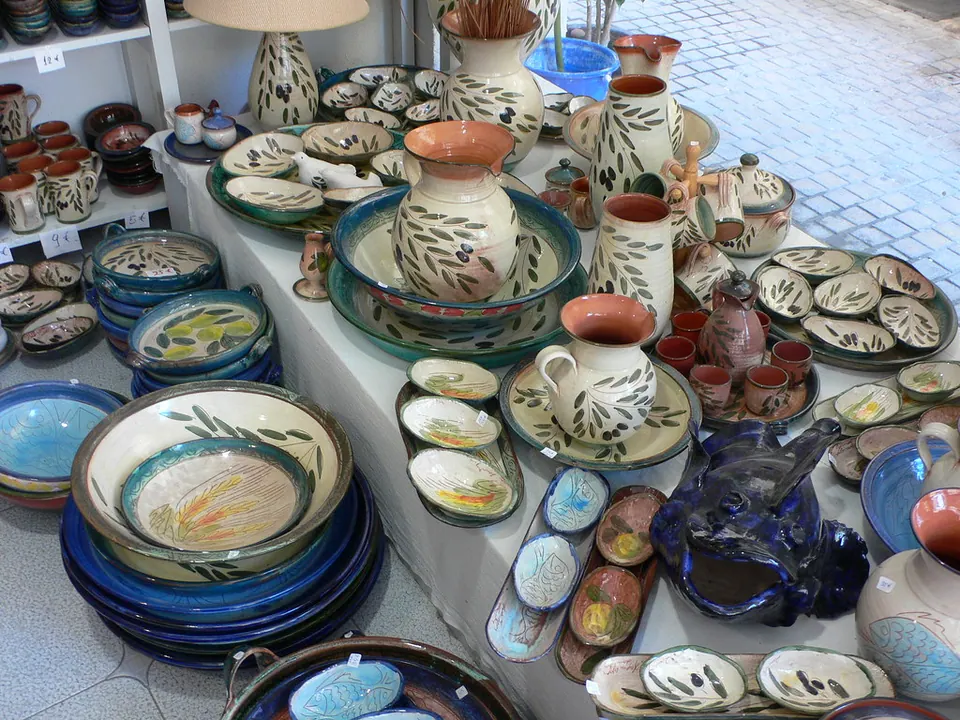
- Base price per piece = materials + firing + packaging + (hours × hourly rate) + overhead share.
- Firing is easy to calculate: kW × hours × duty cycle × electricity rate, divided by the number of pieces in the load, for bisque and glaze firings.
- Add marketplace and payment fees on top: price = (base cost + fixed fees) ÷ (1 − percentage fees). Check Etsy's current fee page for the real numbers.
- If you sell wholesale, your wholesale price must cover your full base cost and profit; retail is commonly set at about twice wholesale.
- Compare with similar handmade work in your area or market, then adjust. A formula gives you a floor, not a ceiling.
Knowing how to price handmade pottery means knowing what each piece actually costs you. Clay is usually the smallest part. Your time, kiln electricity, glaze, packaging, breakage and marketplace fees add up faster than most beginners expect.
This guide gives you a formula with named variables, shows how to work out each one, and explains how to handle fees, wholesale and market checks. It uses no example prices for pottery, because the right number depends on your costs, your region and your work. The one place it does use dollars is firing cost, calculated from published EIA electricity rates.
The pottery pricing formula
Write the formula down and fill it in for each product you sell. Use the same units every time: cost per piece.
M = materials (clay, glaze, other supplies) per piece
F = firing cost per piece (bisque + glaze)
P = packaging per piece
T = hours of active working time per piece
R = your hourly rate
O = overhead share per piece (tools, kiln wear, studio, breakage)
Percentage fees are the share of the sale the marketplace and payment processor keep. Fixed fees are per-listing or per-order charges. Check Etsy's current fee page for both.
Why divide instead of adding the fee on top? Because percentage fees are charged on the final price, including the fee itself. Dividing by (1 − fee share) makes sure you keep your full cost and profit after the fees are taken.
Where each number comes from
| Variable | How to measure it | Tip |
|---|---|---|
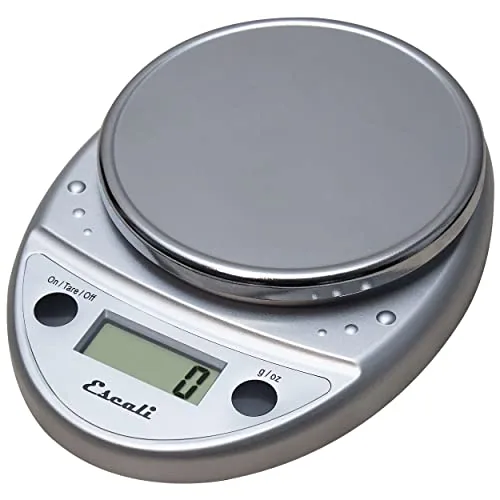
| M: materials | Weigh the wet clay per piece; estimate glaze per piece from how many pieces a jar covers | Use a kitchen scale; include trimmings lost to reclaim |
| F: firing | kW × hours × duty cycle × rate, ÷ pieces per load, for each firing | Use the calculator; include bisque and glaze firings |
| P: packaging | Box, bubble wrap, paper, tape, labels per order | Weigh and price one packed sample |
| T: time | Time throwing, trimming, handling, glazing, photographing, listing, packing | Time a batch and divide by the number of pieces |
| R: hourly rate | What you want to earn per hour of work | Choose a rate you would accept for skilled work |
| O: overhead | Annual tools, kiln elements, shelves, cones, studio costs ÷ pieces per year | Add a breakage allowance for kiln losses |
| Fees | Marketplace listing, transaction, payment, shipping labels, ads | Check each platform's current fee page |
How much does it cost to fire one piece?
Firing is the cost most potters skip, and it is the easiest to calculate exactly. The formula is kW × firing hours × duty cycle × rate per kWh for one firing, then divide by the number of pieces in the load. Do it for the bisque and the glaze firing.
Electricity cost of one 8-hour firing, Paragon SC2 (1.68 kW)
1.68 kW × 8 h × 60% duty cycle = 8.06 kWh, at EIA average residential rates for August 2026 (preliminary). Cents per firing.
The 60% duty cycle is a planning assumption that the calculator uses by default, not a measurement. Your actual firing time and kiln will differ, and a larger 240V kiln uses far more energy per firing but also fits far more pieces. Your own electric bill rate is better than the state average if you have it.
Kiln firing cost calculatorEnter your kiln, firing time and state to get the cost per firing.If you pay a studio to fire
Studios often charge by shelf space, by cubic inch or by weight. Use their fee as F directly, divided by the pieces you fit into the space you pay for. Ask whether bisque and glaze firings are charged separately.
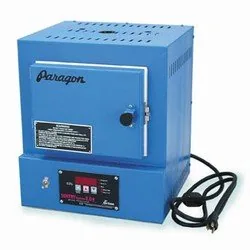
Paragon SC2 120V Digital Kiln, Sentinel Touch
- Voltage
- 120V
- Power
- 14A / 1680W
- Controller
- Sentinel Touch Xpress
Best for Small pieces and test firings at home
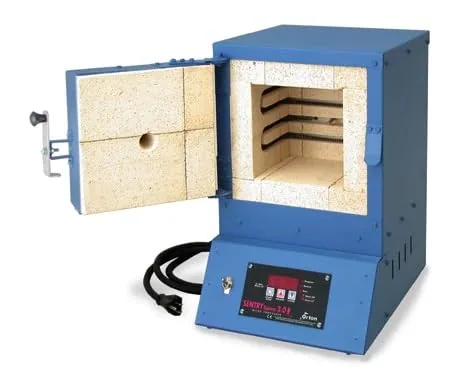
Paragon Xpress Q11A 120V Kiln
- Max temperature
- 2350 F
- Voltage
- 120v
- Power
- 12amp
Best for Test tiles and small high-fire pieces
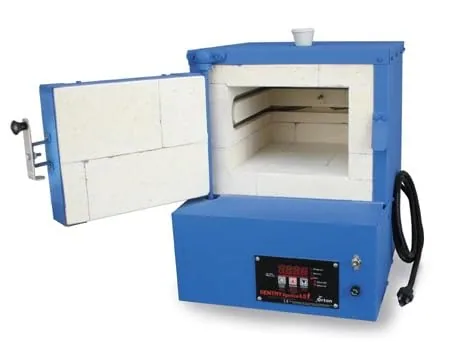
Paragon Xpress E12A 120V Kiln
- Max temperature
- 2000 F
- Voltage
- 120v
- Power
- 15amp
Best for Low-fire and bisque at home
If you own a kiln, also count cones, kiln wash and element wear in overhead. See how much it costs to fire a kiln for a fuller breakdown.
How to price handmade pottery step by step
- Pick one product and make a batch
Pricing works best per product, such as a 12 oz mug in one glaze. Make a batch of the same piece so you can average time and materials.
- Weigh materials
Weigh the clay for each piece before you throw. Note how much glaze the batch used. Divide the bag and jar costs by how many pieces they make.
- Time everything
Track time for wedging, throwing, trimming, handles, glazing, loading the kiln, photographing, listing, answering messages and packing. Divide by the batch size to get T.
- Calculate firing per piece
Use the calculator for your kiln, or the studio's fee, and divide by pieces per load. Do it for both firings.
- Add packaging and overhead
Price one packed order. For overhead, add up yearly tool, kiln, studio and breakage costs and divide by the number of pieces you expect to sell in a year.
- Choose an hourly rate and profit
Pick the hourly rate R you want for your time. Profit is separate: it is what the business keeps after paying you, for growth and bad months.
- Add fees
Look up the current fees for every platform and payment method you use. Apply the price formula so you still receive C plus profit after fees.
- Check the market and adjust
Compare with similar handmade work: same size, clay, finish and quality. If your formula price is below the market, you can raise it. If it is far above, look for ways to cut time or materials before you cut your rate.

Wholesale vs retail pricing
If you sell to shops or galleries, you need two prices. Wholesale is what a shop pays you; retail is what the customer pays. A common convention is retail at about twice wholesale, which lets the shop cover its own costs.
Wholesale vs retail at a glance
| Wholesale | Direct retail (Etsy, fairs, your site) | |
|---|---|---|
| Who sets the shelf price | The shop, usually near your suggested retail | You |
| Your price must cover | Base cost C + profit | Base cost C + profit + your selling costs and fees |
| Typical relationship | Wholesale ≈ retail ÷ 2 | Retail ≈ wholesale × 2 |
| Order size | ~ Larger, repeat orders | ~ One or two pieces at a time |
| Your extra work | Invoices, consistent stock | Photos, listings, customer service, packing |
Keep your direct retail price in line with your suggested retail in shops. Undercutting your own stockists online makes shops reluctant to reorder.
Pricing sets, seconds and custom orders
- Sets: price the base cost of each piece, then decide whether to offer a set discount. Matching sets take more time because of rejects, so include a breakage allowance.
- Seconds: pieces with small cosmetic flaws can be sold at a discount if you describe the flaw clearly. Never sell a piece with a crack or a glaze defect on a food surface as food ware.
- Custom orders: add design time, test pieces and extra firings. Ask for a deposit before you start.
- Personalized pieces: letter stamps or underglaze names add time; price it explicitly.
- Large pieces: big platters and planters take more kiln space, so the firing share F is higher than for a mug.
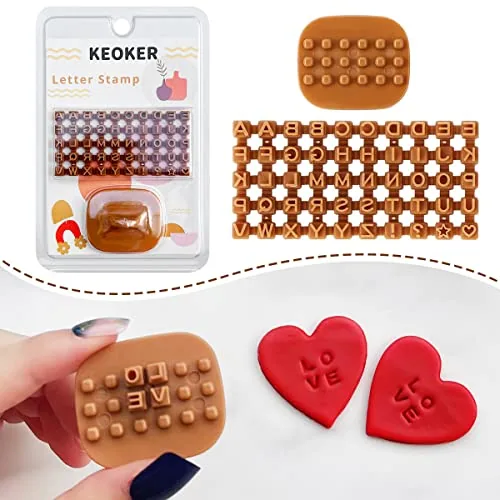
Keoker Small Letter Stamps for Clay, 3mm
- Size
- 3mm (0.15")
- Material
- ABS plastic
- Lines
- Up to 3 lines of text
Best for Marking names and dates
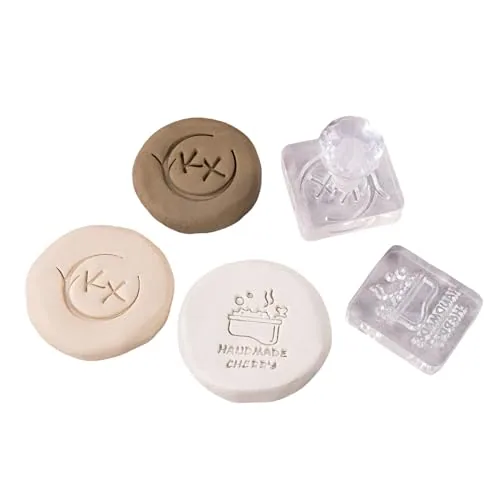
LongGenius Custom Acrylic Pottery Signature Stamp
- Material
- Acrylic
Best for Signing work you sell
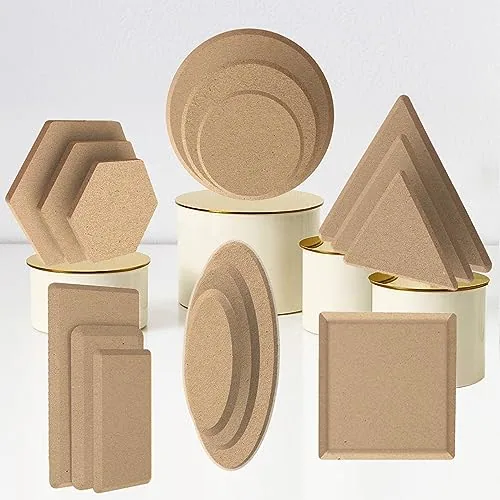
ORIISIN Plate & Dish Forming Molds, 18 pc
- Pieces
- 18
- Material
- MDF
- Edge
- 45° bevel
Best for Batch-making plates and dishes
Do not forget food-safety costs
If you sell dinnerware, your pricing should include the cost of making it safely. That means glazes the maker lists as food-safe at your cone, firing with witness cones to confirm the kiln reached temperature, and, if you sell regularly, lab leach testing of your fired pieces. Spread testing costs across the pieces you sell in that glaze and clay combination.
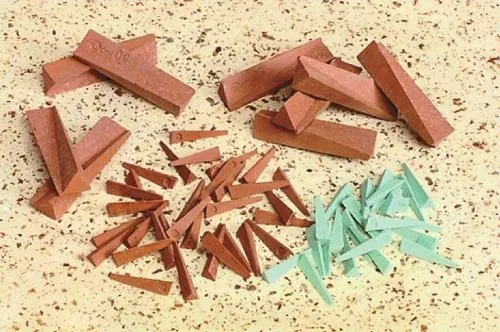
Orton Junior Pyrometric Cones, Cone 6, Box of 50
- Max cone
- #6
- Count
- Box of 50
- Size
- Small (junior)
Best for Kiln-sitter firings to cone 6
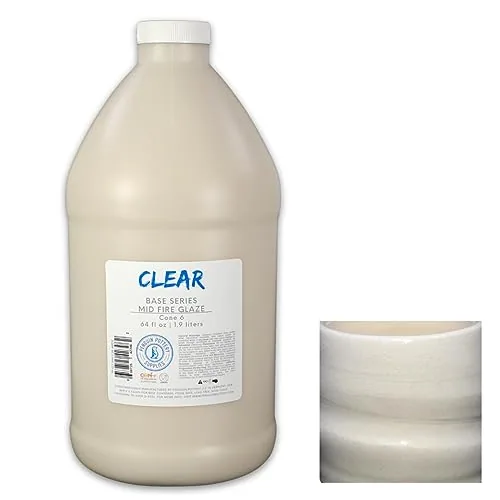
Penguin Pottery Glossy Clear Cone 5-6, 64 oz
- Firing range
- Cone 5-6 (about 2167-2232°F)
- Size
- 64 Fl Oz
- Finish
- Glossy clear, zinc-free
Best for Potters who use a lot of clear
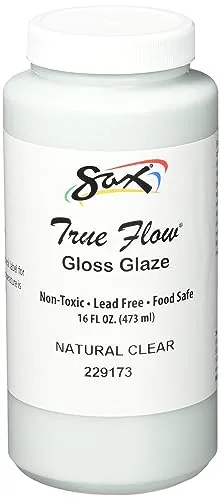
Sax True Flow Gloss Glaze, Natural Clear, Pint
- Firing range
- Cone 06-05
- Size
- 16 Fl Oz
- Finish
- Gloss clear
Best for Low-fire clear coat
See how to sell pottery on Etsy for labeling and testing details and the best food-safe glazes for glaze options.
Common pottery pricing mistakes
- Pricing from clay cost alone. Clay is a small part of the cost. Time and fees are bigger.
- Paying yourself nothing. If R is zero, you cannot grow or hire help. Put a real rate in the formula.
- Forgetting failed pieces. Cracks, glaze defects and kiln accidents happen. Add a breakage allowance to overhead.
- Adding fees as a flat percentage on top. Use the divide formula so you keep your full cost after fees.
- Skipping the second firing. Bisque and glaze are two firings. Count both.
- Copying someone else's price. Their costs and skill differ. Use the market as a check, not a starting point.
- Never raising prices. Review your formula when your costs, fees or electricity rate change.
For more seller resources, see the sell-your-work hub, the kiln category and the clay shrinkage calculator for sizing consistent pieces.
Kiln firing cost calculatorEstimate what a kiln firing costs from kiln kW, firing hours and duty cycle, using EIA average residential…Clay shrinkage calculatorConvert between wet and fired size by your clay’s shrinkage percentage, find the right scale-up factor, and…