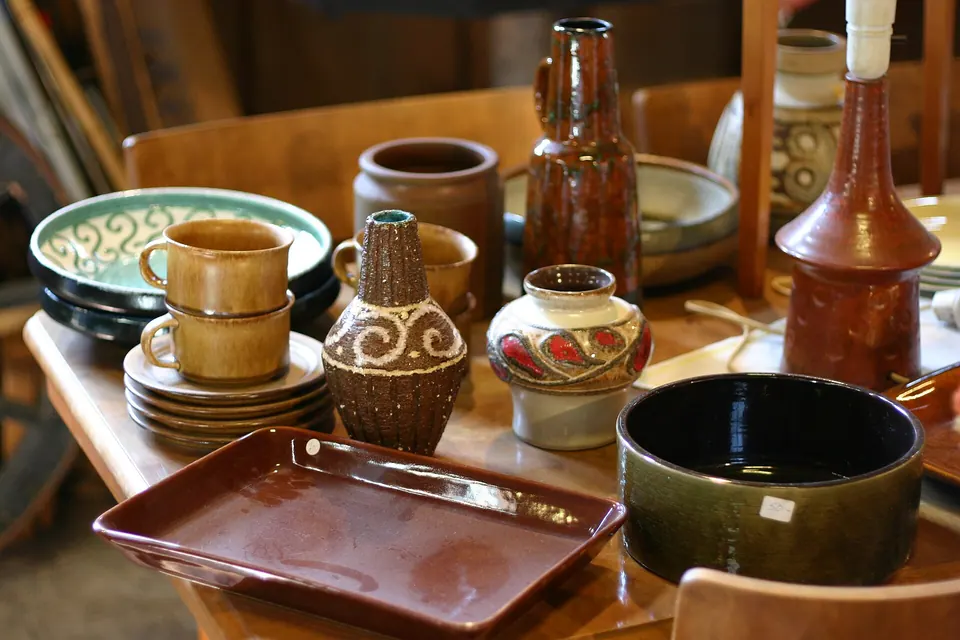
- Sell a small, consistent line first: a few mug, bowl or planter designs in a few glazes, made in repeatable sizes.
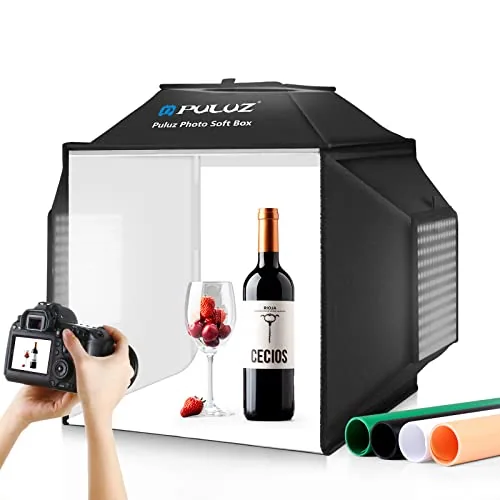
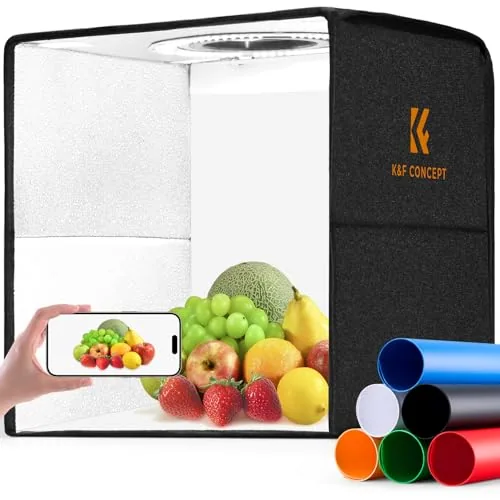
- Photograph on a clean, evenly lit background, show scale and the bottom, and describe size, capacity, clay and care honestly.
- Price with a formula: materials + firing + packaging + time × your hourly rate + overhead, then account for marketplace fees. See the pricing guide for the details.
- Check Etsy's current fee page before you set prices. Fees change, and they include more than the listing fee.
- If you sell dinnerware, follow the glaze maker's directions exactly and consider lab leach testing. Label decorative pieces that are not for food use.
Learning how to sell pottery on Etsy and at craft fairs starts long before you open a shop. Buyers want to know what they are getting: size, color, whether it is microwave and dishwasher safe, and whether it is safe for food. Ceramics also have to survive shipping. Planning those details is what turns a hobby shelf into repeat customers.
This guide covers what to sell first, how to photograph and list pottery, how to ship it without breakage, how to handle food-safety questions and what to bring to a craft fair. It does not give specific prices; for that, see how to price handmade pottery.
What pottery sells well online?
You can sell anything you make, but some items are easier to photograph, ship and repeat. Functional pieces with a clear use tend to be easier to describe than one-off sculptures.
Ease of selling common pottery items
| Item | Ships easily | Easy to repeat | Food-safety homework | Notes |
|---|---|---|---|---|
| Mugs | ~ Handles need care | ✓ Yes | ✗ Needed | Buyers ask capacity, microwave and dishwasher use |
| Small bowls and ring dishes | ✓ Yes | ✓ Yes | ~ If sold for food | Good starter items |
| Planters | ~ Bulky | ✓ Yes | ✓ Not food ware | Say whether there is a drainage hole |
| Vases | ~ Tall pieces need care | ~ Moderate | ✓ Not food ware | Say whether they hold water |
| Plates and dinner sets | ✗ Heavy, fragile | ~ Harder to match | ✗ Needed | Sets must look consistent |
| Ornaments and decor | ✓ Yes | ✓ Yes | ✓ Not food ware | Label as decorative |
Start with three to five designs you can make reliably in the same size and glaze. A shop with a consistent look is easier to brand, easier to photograph and easier to restock than a shop of one-offs.
Make it consistent
Weigh clay for every piece, measure with calipers and throw or build to the same dimensions. Use molds for plates and dishes when you need sets. Keep notes on glaze thickness and firing so a reorder matches the original listing.
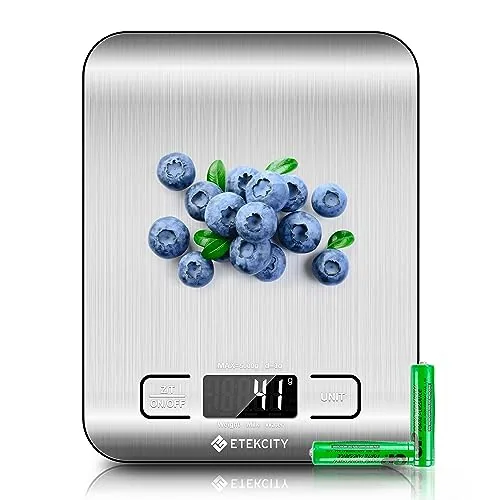
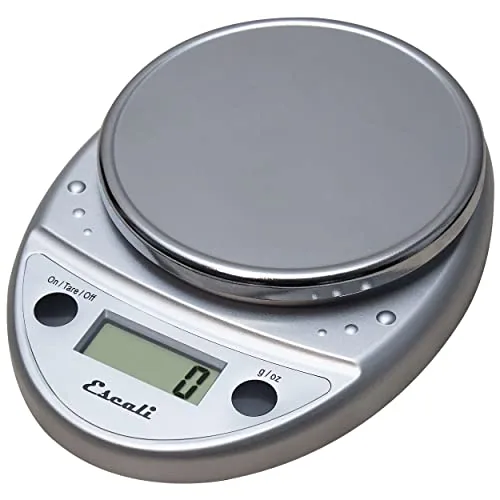
Etekcity Digital Scale, 11 lb, EK6015
- Capacity
- 11 lb/5 kg
- Material
- 304 stainless steel
- Resolution
- 1 g
Best for Weighing clay for repeat forms
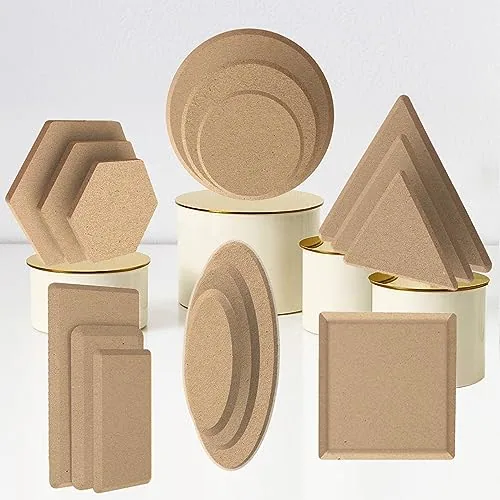
ORIISIN Plate & Dish Forming Molds, 18 pc
- Pieces
- 18
- Material
- MDF
- Edge
- 45° bevel
Best for Batch-making plates and dishes
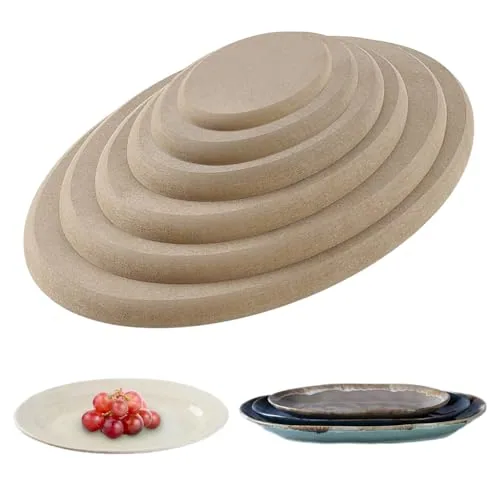
PH PandaHall Oval Slump Molds, 6 Sizes
- Size
- 14-28cm long, 9-17.8cm wide
- Pieces
- 6
- Material
- MDF
Best for Oval platters and trays
How to sell pottery on Etsy: setting up your shop
Etsy's seller onboarding walks you through shop name, payment and shipping settings. The pottery-specific work is in the listings themselves.
- Read Etsy's seller policies and fees
Before your first listing, check Etsy's current fee page inside your seller account or the Etsy Help Center. Fees can include listing, transaction, payment processing, shipping label and optional advertising costs, and they change over time. Put each one into your pricing formula.
- Choose a shop name and a look
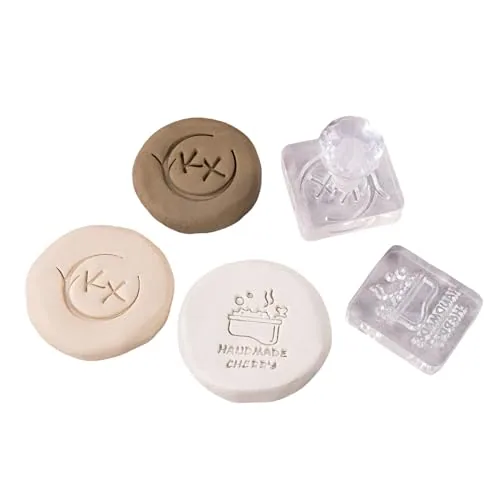
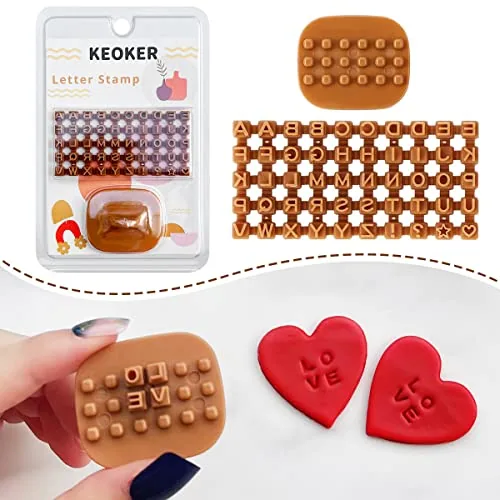
Pick a name you can also use on a stamp, labels and a craft-fair banner. A maker's mark on the bottom of each pot ties your work to your shop.
- Photograph every piece the same way
Use a light box or a window with soft daylight, a plain background and the same angle for every listing. Shoot the front, side, inside, the bottom with your mark, and one photo with a hand or common object for scale.
- Write honest, specific listings
List height, width, capacity in ounces, weight, clay type, glaze and cone. Say whether it is food-safe, microwave-safe and dishwasher-safe only if the glaze maker states it and you fired as directed. Describe variation: handmade glazes vary from piece to piece.
- Set shipping profiles
Weigh a packed sample of each item to set accurate shipping. Ceramics are heavy, and underestimating shipping eats your margin.
- Add care and returns information
Tell buyers how to care for the piece (hand wash or dishwasher, no sudden temperature changes) and what happens if something arrives broken.
Food safety for pottery sellers
If you sell mugs, bowls or plates, buyers will use them for food. In the US, the FDA regulates lead and cadmium that can leach from ceramic ware used for food. Its guidance explains that decorative ware not meant for food must be clearly labeled, and that "lead free" claims need care.
FDA action levels for leachable lead in ceramic ware
Micrograms of lead per milliliter of leaching solution, by type of ware. Cups, mugs and pitchers have the lowest limits.
- Use glazes the maker lists as food-safe at your cone, and fire exactly as directed. Several cone 5-6 glazes in our catalogue state they are suitable for food contact when fired to the specified cone.
- Do not layer or mix glazes on food surfaces unless the maker says the combination is food-safe. Combinations change the chemistry.
- Consider lab leach testing. A food-safe label on a jar is the maker's statement about their glaze under their conditions. A lab test on your fired pieces checks your clay, application and kiln. Digitalfire explains how leach tests work and why they matter.
- Label decorative ware. FDA rules require ceramic ware that is not for food use to carry a clear, permanent warning. If a vase or planter could be mistaken for a cup or bowl, mark it as not for food use.
- Keep records. Note the clay, glaze, batch, cone and firing date for each kiln load you sell from.
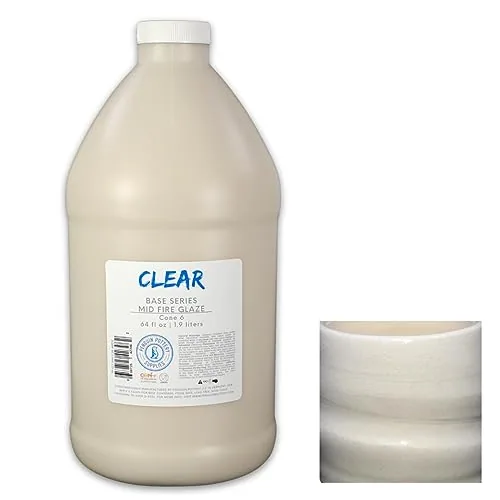
Penguin Pottery Glossy Clear Cone 5-6, 64 oz
- Firing range
- Cone 5-6 (about 2167-2232°F)
- Size
- 64 Fl Oz
- Finish
- Glossy clear, zinc-free
Best for Potters who use a lot of clear
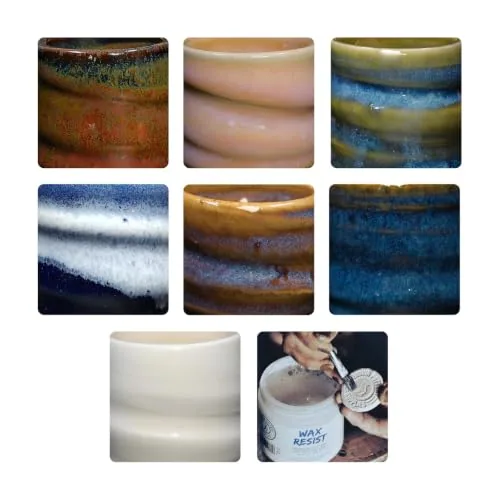
Penguin Pottery Specialty Series Glaze Set #1, 8 x 4 oz
- Firing range
- Cone 5-6 (about 2167-2232°F)
- Size
- 4 fl oz jars
- Count
- 7 glazes plus wax resist
Best for Trying mid-fire glazes
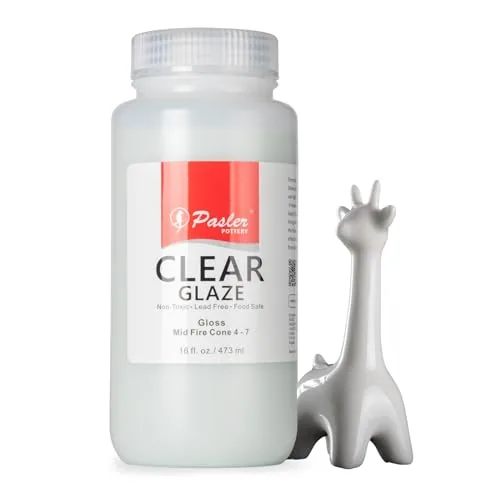
Pasler PCC10 Mid Fire Clear Glaze, 16 oz
- Firing range
- Cone 4 to Cone 7 (1186°C - 1240°C)
- Size
- 16 fl oz/473ml
- Finish
- Clear gloss
Best for Clear over mid-fire underglaze
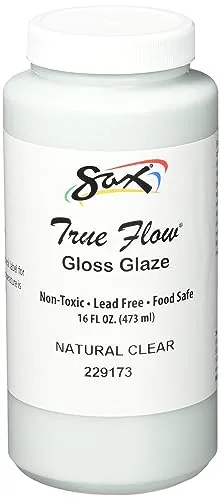
Sax True Flow Gloss Glaze, Natural Clear, Pint
- Firing range
- Cone 06-05
- Size
- 16 Fl Oz
- Finish
- Gloss clear
Best for Low-fire clear coat
For more, see the best food-safe glazes and the food-safe hub.
How to ship pottery without breakage
Breakage is the biggest hidden cost of selling ceramics online. A good packing method costs a little more in materials and saves refunds and bad reviews.
- Wrap each piece
Wrap the piece in two or three layers of bubble wrap, with extra around handles, rims and spouts. Stuff mugs and bowls with paper so the inside is supported.
- Use the box-in-box method
Place the wrapped piece in a snug inner box, then put that box inside a larger outer box with at least a couple of inches of cushioning on every side. The piece should not move when you shake the box.
- Fill every gap
Use honeycomb paper, crumpled paper or air pillows so nothing can shift. Loose fill alone tends to settle in transit.
- Label and insure
Mark the box fragile, choose a carrier service with tracking, and consider insurance on higher-value orders. Photograph the packed box before sealing as a record.
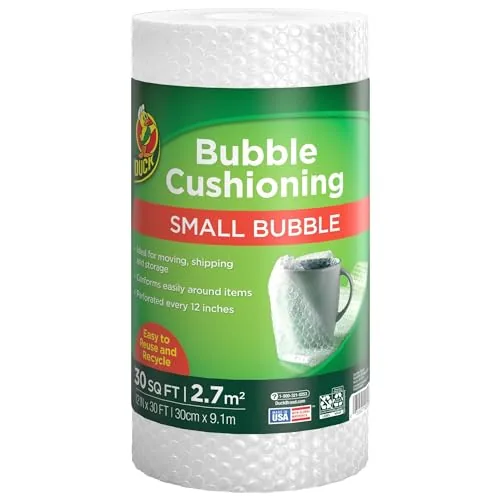
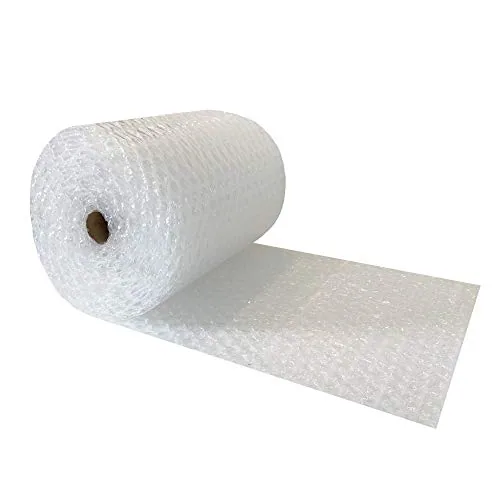
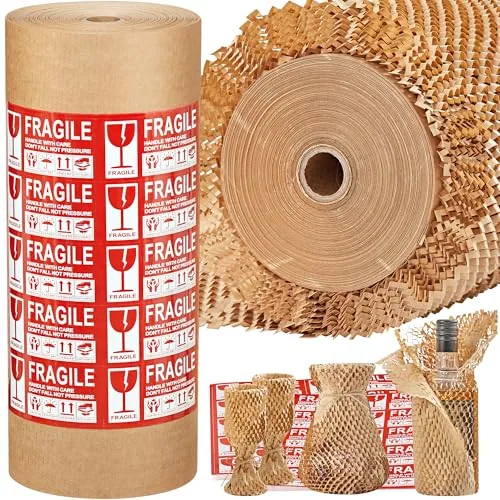
Test your packing by shipping a sample to yourself or a friend before you list. If it arrives intact, use the same method every time.
Selling pottery at craft fairs
Craft fairs let buyers pick up and feel your work, which helps with mugs especially. They also have their own costs: booth fees, a tent, tables, displays and time.
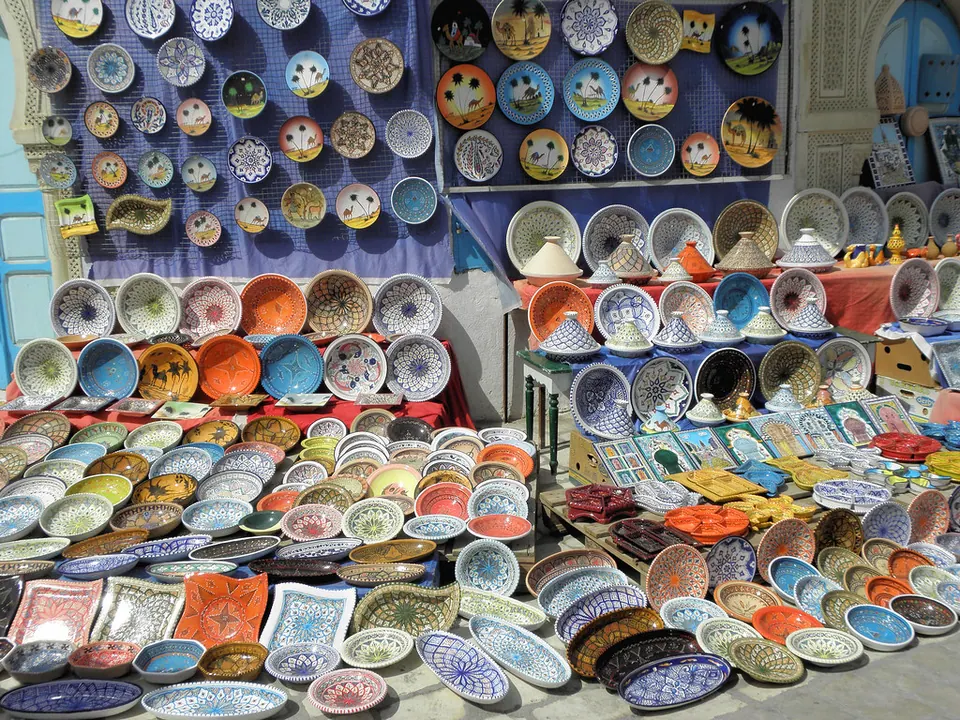
- Display at different heights. Risers, shelves and plate stands bring work to eye level and make a booth look full without overcrowding.
- Price every piece visibly. Buyers rarely ask; they walk away.
- Bring wrapping. Have paper and bags ready so a sale takes seconds.
- Accept cards. A card reader on your phone covers most buyers. Factor its fees into your prices too.
- Bring a card or flyer with your shop name so buyers can reorder online.
- Pack for weather. Weight the tent legs and protect tall pieces from wind.
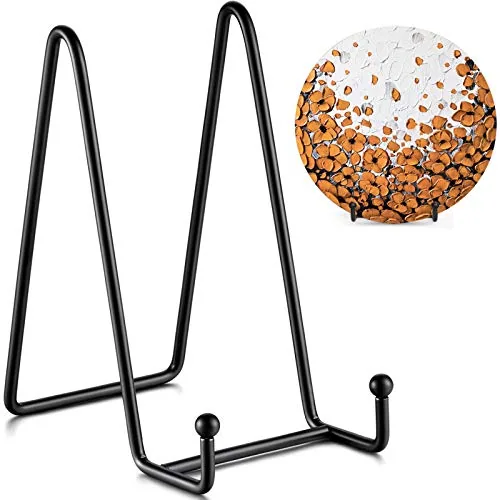
TR-LIFE Plate Display Stands, 6", 2 Pack
- Material
- Wrought iron
- Pieces
- 2
- Fits
- 7"-15" height/diameter
Best for Market table displays
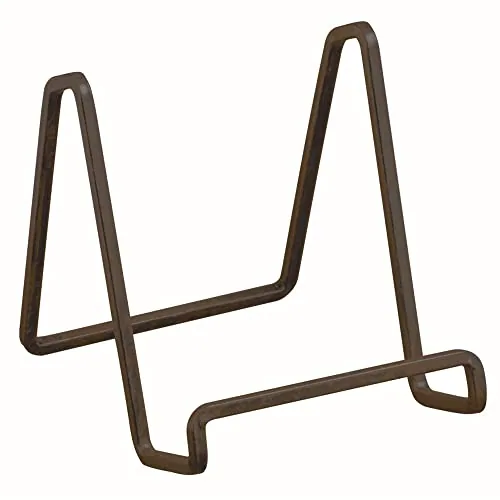
Tripar Square Wire Plate Stand, Mahogany
- Size
- 3.15" W 3.75" D 3.3" H
- Material
- Metal wire
Best for Displaying tiles and small plates
Ask the fair organizer about insurance, sales tax permits and booth rules before you apply.
Business basics: tax, licensing and records
Rules vary by state, county and city, so check locally. Common items to look into:
- Sales tax. Etsy collects and remits sales tax for many US orders, but in-person sales at fairs are usually your responsibility. Check your state's sales tax rules.
- Business registration. Some cities and counties require a business license, even for a home craft business.
- Income tax. Keep receipts for clay, glaze, kiln costs, packaging and fees. A tax professional can tell you what to report.
- Product liability. Some craft fairs require liability insurance. It is worth considering if you sell dinnerware.
Track the cost of every kiln firing. The kiln firing cost calculator estimates it from your kiln's kW and your state's EIA electricity rate.
Kiln firing cost calculatorEstimate the electricity cost of each firing for your pricing.Common mistakes new pottery sellers make
- Pricing only for materials. Clay is cheap; your time, firing and fees are not. Use a full formula.
- Ignoring fees. Marketplace, payment and card-reader fees add up. Check the current fee pages.
- Promising food safety without checking. Follow the glaze maker's statement and consider leach testing.
- Inconsistent photos. Different backgrounds and lighting make a shop look unfinished.
- Weak packing. One broken mug can cost more than the sale. Use box-in-box.
- Too many designs. Start with a few you can make well and restock.
- No maker's mark. A stamp on the bottom makes your work recognizable.
Browse gear for sellers in the sell-your-work hub and studio setup.
Kiln firing cost calculatorEstimate what a kiln firing costs from kiln kW, firing hours and duty cycle, using EIA average residential…