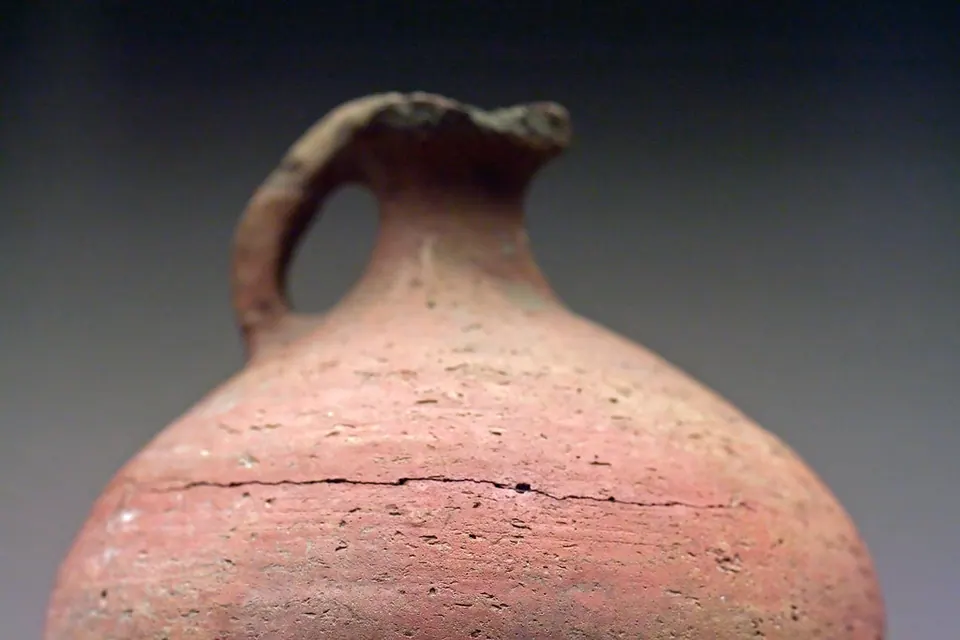
- Why pottery cracks, in one line: uneven shrinkage. Clay shrinks as it dries and again in the kiln, and stress builds wherever parts shrink at different rates.
- Most cracks start in the drying stage: thin rims dry before thick bases, handles before mugs, edges before centers.
- Prevent them with even wall thickness, compressed bases, well-scored joins and slow, covered drying.
- Cracks that appear after firing usually point to cooling too fast through quartz inversion (near 573 °C, 1,063 °F), which Digitalfire calls dunting.
Why pottery cracks is one of the most searched questions in ceramics, and the answer almost always comes back to shrinkage. Wet clay is full of water. As that water leaves, the clay particles pull closer and the piece gets smaller, then the kiln shrinks it again. If every part shrank at the same time and rate, nothing would crack. It never quite works that way.
This guide traces each common crack to the stage where it starts, so you can fix the cause rather than the symptom. Firing-crack guidance cites Digitalfire’s technical reference; shrinkage math follows the Ceramic Arts Network method used in our calculator.
Why pottery cracks: shrinkage in three dimensions
Shrinkage figures on clay data sheets are linear: the percentage a length gets shorter from wet to fired. But a pot shrinks in height, width and depth at once, so its volume falls much more than the headline number.
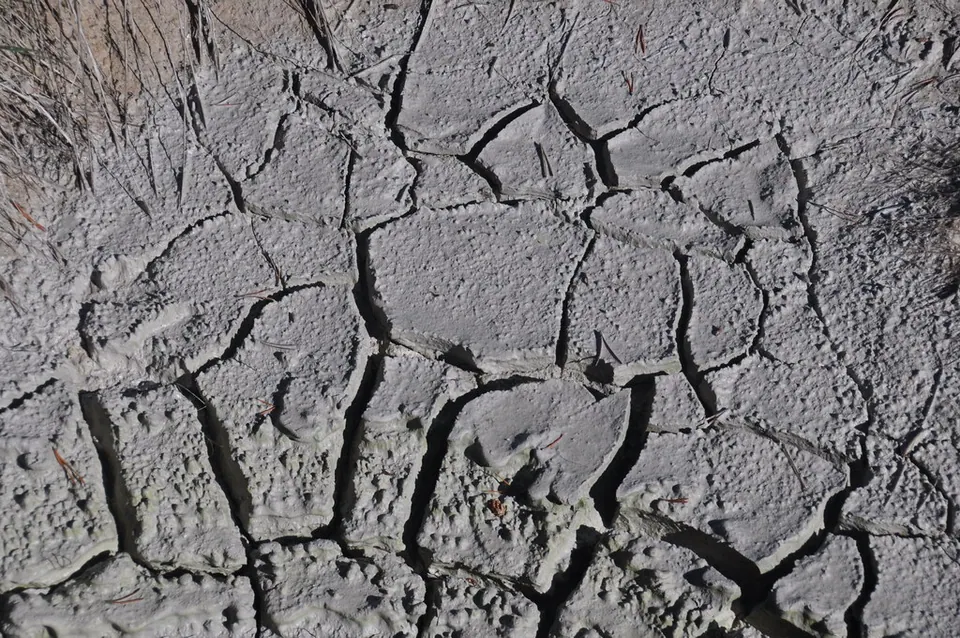
Volume lost at common linear shrinkage rates
1 − (1 − linear shrinkage)³. The tool’s presets label 5–8% typical for earthenware and 10–14% for stoneware; check your clay’s data sheet.
A third of the volume disappearing is a lot of movement. Thin parts lose water first and shrink first; thick parts lag behind. Where a shrinking thin part is attached to a not-yet-shrinking thick part, the clay is pulled apart.
Clay shrinkage calculatorWork out wet and fired sizes, and see how much your clay moves.Cracks by stage: where each one starts
| Crack | When it shows | Where it starts | Main cause | Prevention |
|---|---|---|---|---|
| S-crack in the base | Drying or bisque | On the wheel | Uncompressed floor, water left pooled, thick base | Compress the floor, sponge out water, trim even |
| Rim cracks | Drying | Drying shelf | Rim drying faster than the body | Compress the rim, cover rims with plastic |
| Handle or join cracks | Drying | Attachment | Handle drier or wetter than the mug, poor scoring | Attach at matched dryness, score and slip |
| Seam cracks in slabs or coils | Drying or bisque | Construction | Weak joins, uneven slab thickness | Score, slip, add a coil of reinforcement |
| Edge cracks on plates | Drying | Drying shelf | Edge dries while the center is wet | Dry slowly, flip on a board, cover the edge |
| Blow-outs | Bisque firing | Kiln | Trapped moisture or air pockets | Dry fully, wedge well, slow start |
| Dunting (sharp cracks) | After firing | Kiln cooling | Fast cooling through quartz inversion, uneven walls | Slow cooling, even walls, not near elements |
Drying cracks: the most common kind
If you only fix one stage, fix drying. Cracks that seem to appear in the kiln often started as hairlines on the drying shelf.
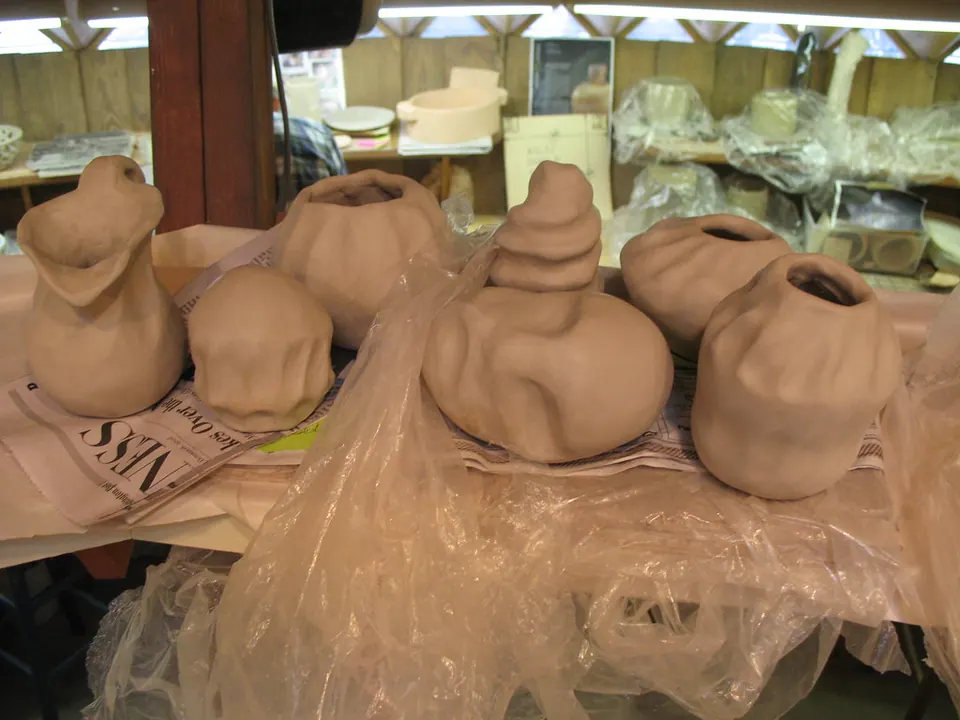
- Keep walls even
A pot with a thin wall and a thick base will crack where they meet. Check with your fingers and a needle tool, and trim the base to match the walls.
- Compress bases and rims
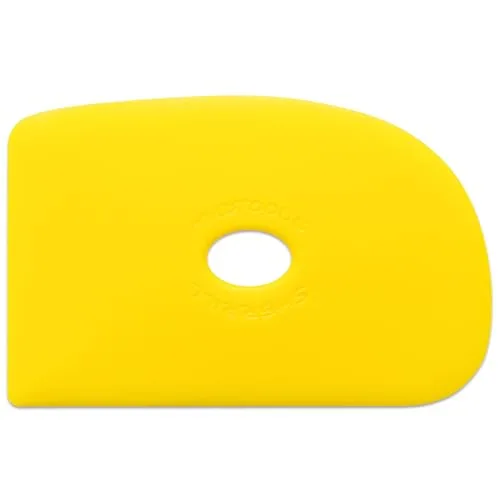
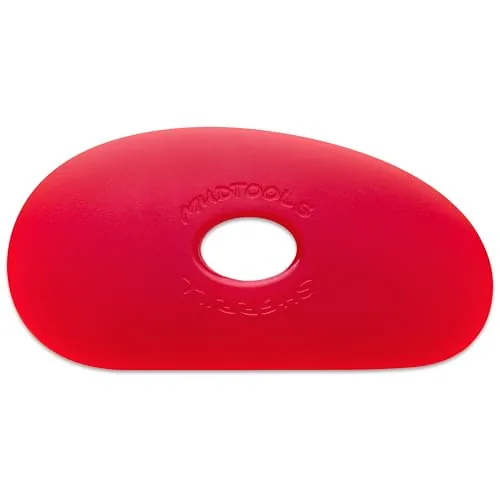
Press the floor of every thrown piece with a rib, and compress rims with a sponge or chamois. Compression aligns clay particles and resists S-cracks and rim splits.
- Dry slowly and evenly
Cover pieces loosely with plastic for the first day or two, especially rims and handles. Open the cover gradually. Keep them out of sun, drafts and heater airflow.
- Turn plates and flat work
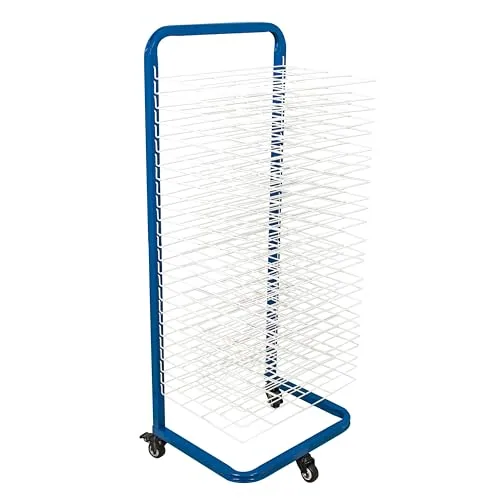
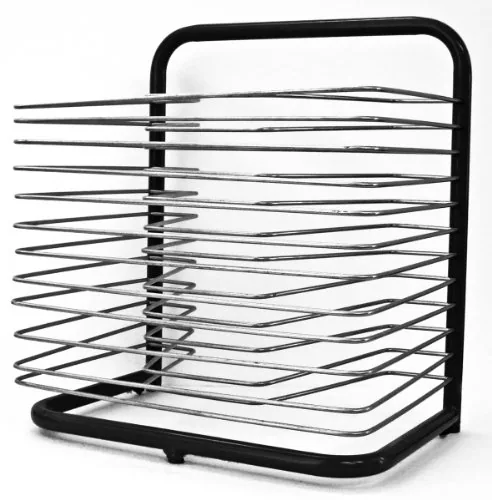
Flip plates and tiles between two boards once they can take it, so both sides dry at the same rate. Drying on canvas or a plaster or wooden board lets the underside breathe.
- Dry handles with the mug
A drying handle shrinks before the mug body it is attached to. Cover the handle, or wrap it, so it dries no faster than the mug.
- Finish drying before firing
Bone-dry clay is lighter in color and room temperature to the touch. Cool spots mean water is still inside.

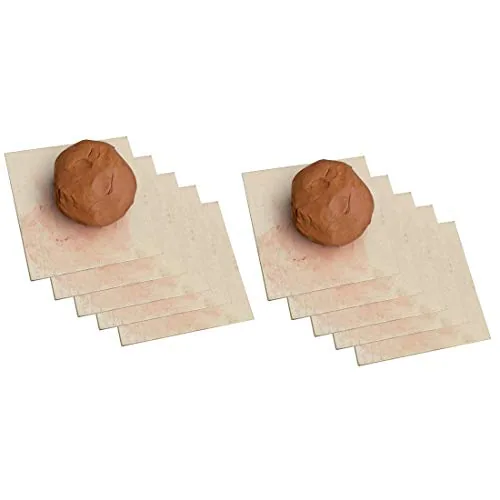
A simple habit catches most problems early: check drying pieces morning and evening for the first few days. A hairline spotted while the clay is still leather-hard can often be compressed closed with a rib; the same crack found at bone-dry usually means reclaiming the piece. Write down which pieces cracked and where they sat on the shelf, because drafts and heat sources tend to repeat.
Joins, seams and attachments
Hand-built and assembled pieces crack at joins when the two parts were at different moisture levels or were not knitted together.
- Match moisture. Join leather-hard to leather-hard. Fresh wet clay on a stiff pot is the classic handle crack.
- Score and slip. Roughen both surfaces, add slip, and press until slip squeezes out. Then smooth the seam with a tool so it is one piece of clay, not two.
- Reinforce inside seams of slab boxes and cylinders with a thin coil worked into the corner.
- Roll slabs evenly. Rolling guides keep slabs the same thickness across the whole piece.
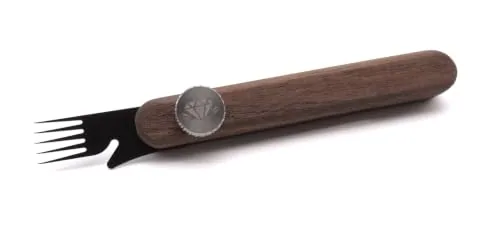
DiamondCore Extendable 5-Prong Scoring Tool
- Material
- Coated stainless steel
- Prongs
- Five 1 cm
- Handle
- 3.1 in hardwood
Best for Joining slabs and handles
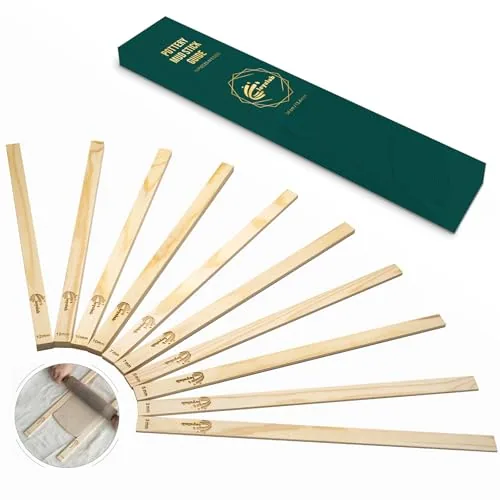
Leyclub Rolling Pin Thickness Guides, 10 pc
- Pieces
- 10 (5 sizes)
- Material
- Wood
- Thickness
- 0.12"/0.2"/0.28"/0.39"/0.47"
Best for Even slabs without a slab roller
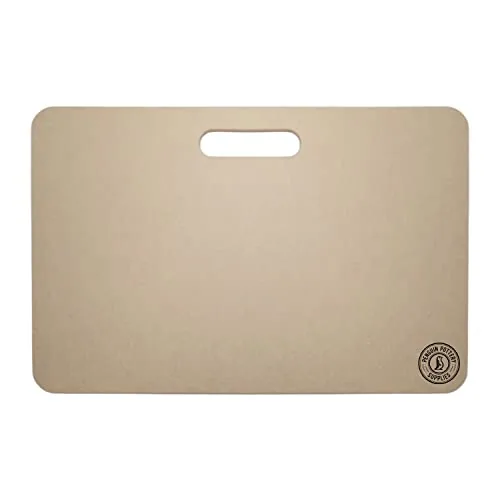
Penguin Pottery Wedging Board, 12x18"
- Size
- 12" x 18"
- Material
- Medex MDF
- Handle
- One built-in
Best for Wedging on a kitchen table
More on building without a wheel in pinch, coil and slab, and slab tools in the hand-building category.
Firing cracks: blow-outs and dunting
Cracks can also form in the kiln. They usually look different from drying cracks: sharp-edged, glassy or with glaze flowing into them if they opened during the glaze firing.
Blow-outs in the bisque
Water left in thick clay turns to steam in the early part of a firing. If it cannot escape fast enough it can crack a piece or blow out a chunk. Air pockets from poor wedging do the same. Dry fully, wedge well, pierce closed forms, and use a slow, low-temperature start.
Dunting during cooling
Digitalfire describes dunting as cracking associated with too rapid a cool-down. Quartz in the clay changes volume suddenly near 573 °C (1,063 °F), and uneven cooling through that window stresses the ware.
- Do not open the kiln early. Wait until it has cooled as the maker and controller advise.
- Fire uneven-walled pieces and large flat pieces on the middle shelves rather than right next to elements.
- A glaze that fits badly can start cracks too; see glaze defects on crazing and shivering.
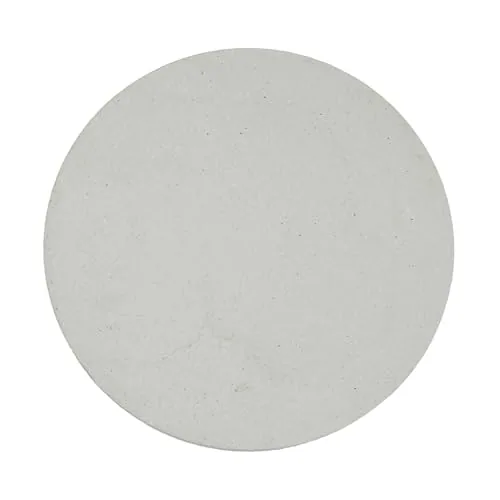
Weysat 13" Round Kiln Shelf, 2-Pack
- Max temperature
- 2282°F
- Size
- 13"
- Thickness
- 0.5 inches
Best for Mid-size round kilns
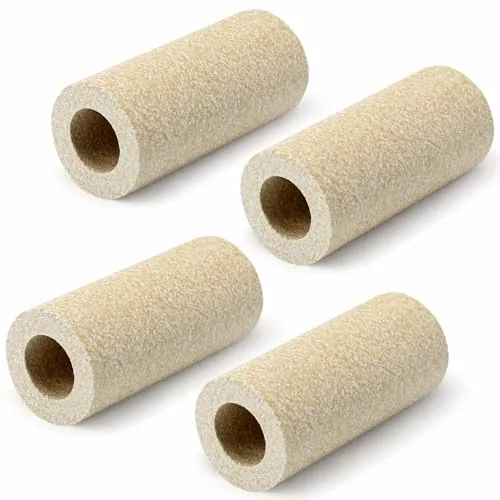
Tuanse Round Kiln Posts 1.75 x 4", 4-Pack
- Max temperature
- 2390 °F
- Size
- 1.75 x 4 Inch Tall
- Count
- 4
Best for Stacking kiln shelves
Why air-dry clay cracks
Air-dry clay shrinks as it dries too, and with no firing to fuse it, cracks stay. The fixes are the same in miniature: even thickness, slow drying under a loose cover, and no thick lumps on thin bases. Paper clays contain fibers mixed into the clay; check each maker’s notes on drying times and thickness, and follow them. Fill small cracks with a slurry of the same clay and let it dry again.
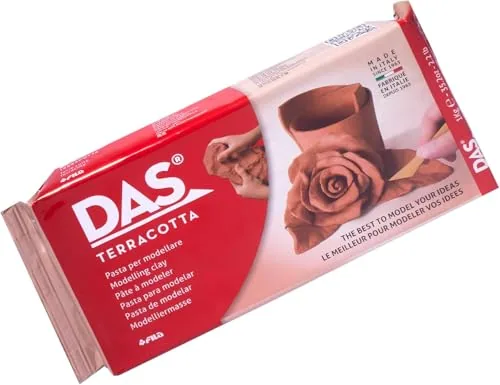
DAS Air-Hardening Modeling Clay, 2.2 lb, Terra Cotta
- Clay body
- Air-hardening
- Weight
- 2.2 lb
- Color
- Terra Cotta
Best for No-kiln sculpting
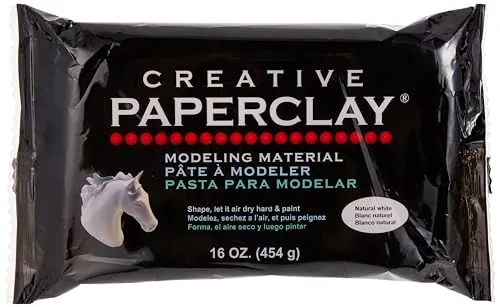
Creative Paperclay Modeling Compound, 16 oz, White
- Clay body
- Air hardening paper clay
- Weight
- 16-Ounce
- Color
- White
Best for Detailed no-kiln sculpting
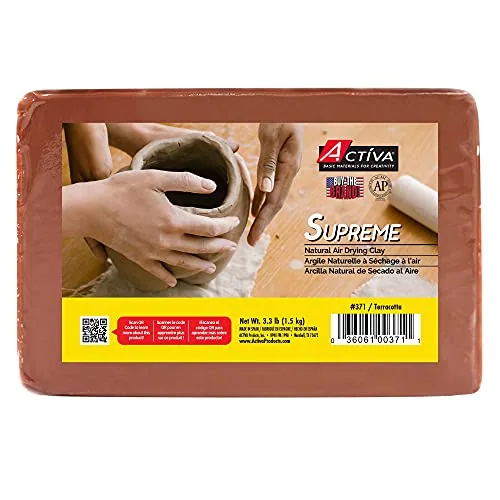
Activa Supreme Air-Dry Clay, Terracotta, 3.3 lb
- Clay body
- Self-hardening natural earth clay
- Weight
- 3.3 lbs (1.5 kg)
- Color
- Terra Cotta
Best for Artists working without a kiln
See best air-dry clay and no-kiln projects.
Can you fix a cracked pot?
- Greenware: small hairline cracks can sometimes be closed with a matching slip or a commercial repair product, then dried slowly. They often reopen in the kiln.
- Bone-dry pieces with a big crack: reclaim the clay rather than repair it. Our reclaim clay guide shows how.
- Fired ware: a cracked functional pot should be retired from food and liquid use. Decorative pieces can be kept.
- Recurring cracks in the same place point to a technique or drying habit. Use the table above to find which one.
Who is most at risk, and what to change
- New throwers: S-cracks and base cracks. Compress the floor every time and sponge out water.
- Hand-builders: seam and join cracks. Match moisture, score and slip, reinforce.
- Dry climates and heated rooms: rim and edge cracks. Cover longer and dry slower.
- Large flat work: edge and dunting cracks. Dry between boards, and fire away from elements.
- Mixed clays: different shrinkage rates. Do not join two different clay bodies unless their makers say they are compatible.
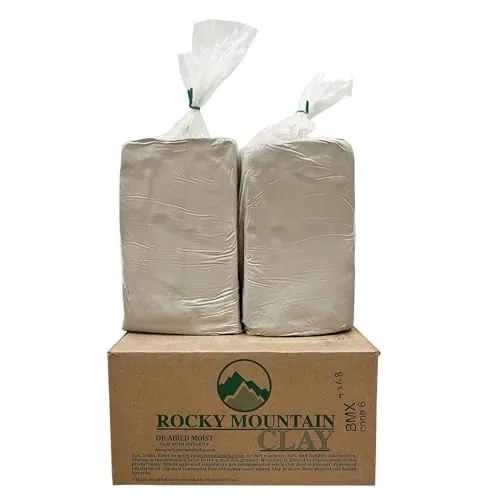
Rocky Mountain Clay B-Mix Cone 6 Stoneware, 50 lb
- Clay body
- Smooth white mid fire stoneware (B-Mix)
- Firing range
- Mid Fire Cone 6
- Weight
- 50lb
Best for Cone 6 wheel throwing
AMACO A-Mix Stoneware Clay No. 11, 50 lb, White
- Clay body
- Stoneware, No. 11 A-Mix
- Weight
- 50 Pounds
- Color
- White
Best for Stocking a home studio