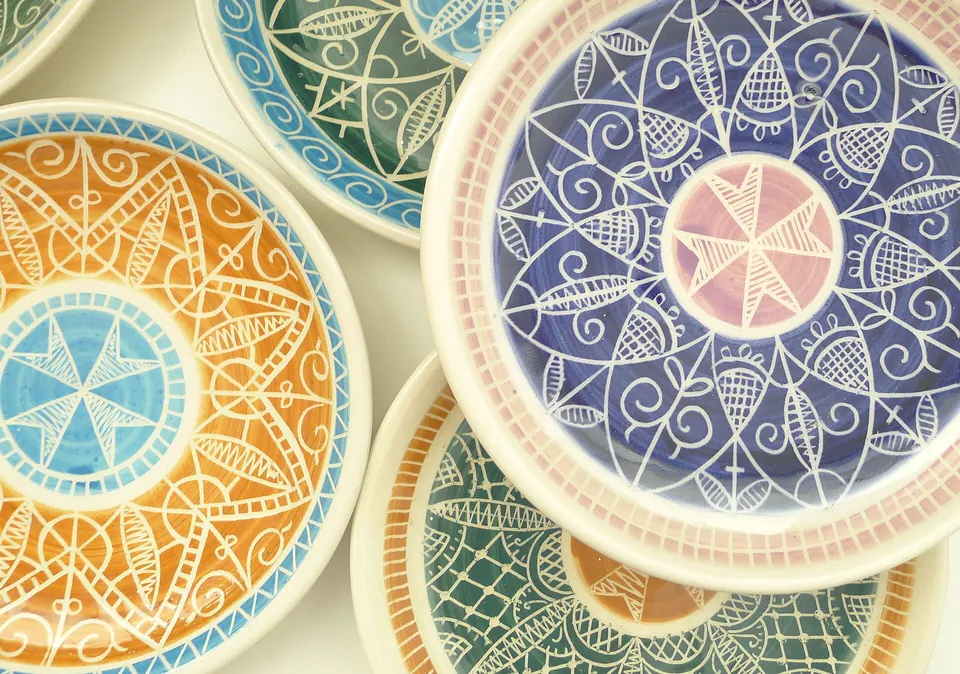
- Underglaze vs glaze: underglaze is a colored clay-based paint that does not run, so it holds crisp lines and drawings. Glaze melts into glass in the kiln, giving a sealed, glossy or matte surface.
- Underglaze usually goes on greenware or bisque, then a clear glaze goes over it. AMACO's LUG and Mayco's Fundamentals list use on wet/unfired clay or bisque.
- Underglazes in our catalogue often list very wide firing ranges, such as cone 06–10. Glazes are usually rated for a narrow band, such as cone 5–6 or cone 06–05.
- For food surfaces, follow the maker's statement. AMACO says its Velvet underglaze is not for food contact unless covered with a glaze tested for lead and cadmium release.
Underglaze vs glaze confuses almost every new potter, partly because some products blur the line. The basic difference: underglaze is for color and design, and glaze is for the surface.
Underglaze is mostly clay and pigment. It behaves like thick paint, stays where you put it and fires matte unless covered. Glaze is mostly glass-forming minerals. It melts and flows a little in the kiln, fills the clay's pores and gives the finished surface its look and feel. This explainer compares them neutrally, shows how they work together, and gives picks for each from several brands. Every cone range and food-contact statement is quoted from the listing.
Underglaze
Opaque, paint-like color for drawing and design on greenware or bisque; stays put in the firing
BrowseGlaze
A glassy coating that melts in the kiln, seals the clay and gives gloss, matte or effects
BrowsePicks from each side
Underglaze
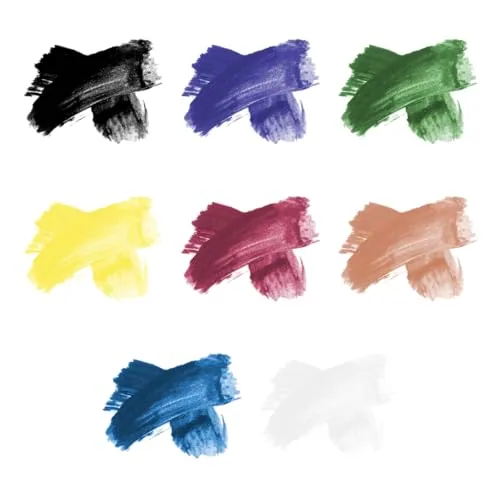
AMACO Semi-Moist Underglaze Set No. 1, 8 Colors
- Firing range
- Cone 05-6
- Count
- 8
- Format
- Watercolor-like pans
Best for Painting fine detail
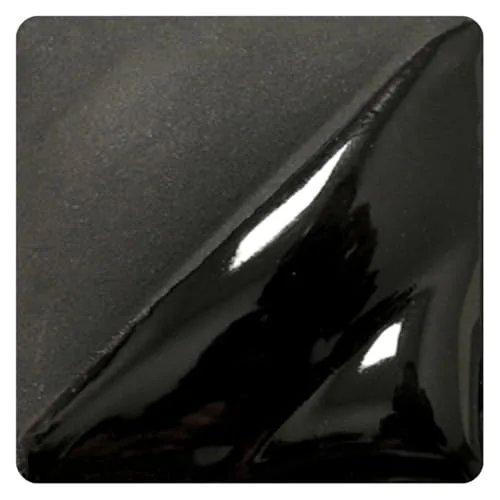
AMACO Liquid Underglaze LUG-1 Black, Pint
- Firing range
- Cone 05-10
- Size
- 16 oz. (473 mL)
- Color
- Black
Best for Black line work and coverage
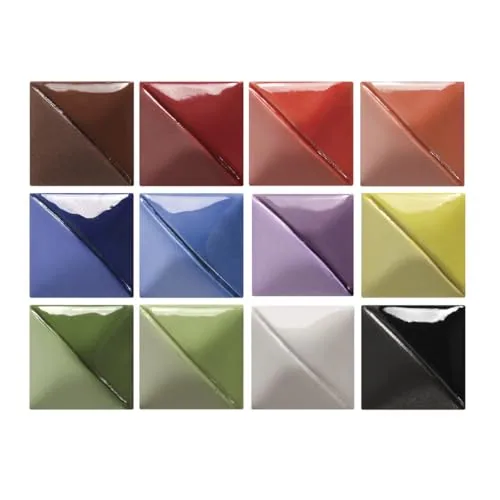
Mayco Fundamentals Underglaze Class Pack, 12 Pints
- Firing range
- Cone 06-10
- Size
- Pint
- Count
- Set of 12
Best for Classrooms and group studios
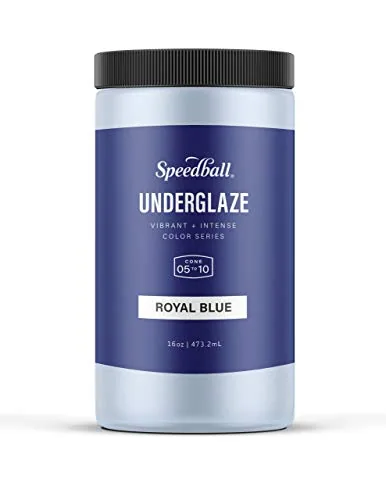
Speedball Underglaze Royal Blue, 16 oz
- Firing range
- Cone 06-6, can be fired at Cone 10
- Size
- 16 oz
- Finish
- Opaque
Best for Painted decoration
Glaze
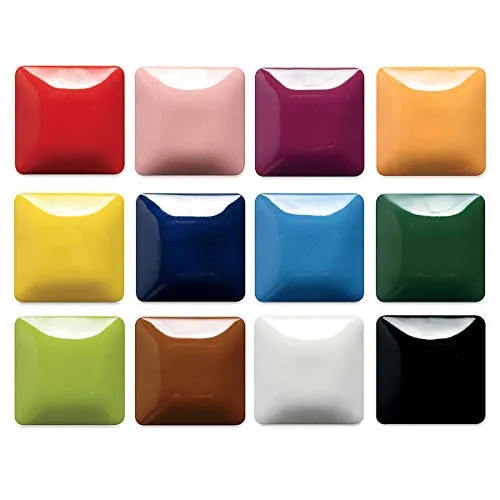
Mayco Stroke & Coat Glaze Kit #1, 12 x 2 oz
- Size
- 2 Fl Oz bottles
- Count
- 12
- Finish
- Gloss without clear glaze
Best for A first glaze palette for home or class
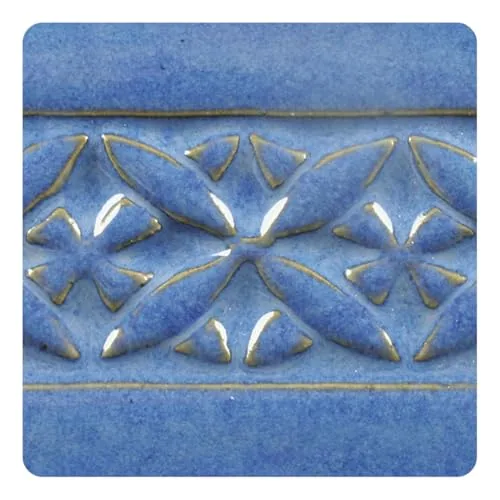
AMACO Potter's Choice PC-23 Indigo Float, Pint
- Firing range
- Mid-High Fire Cone 5-6
- Size
- 16 oz. (473 mL)
- Color
- Cobalt Blue
Best for Mid-fire layering
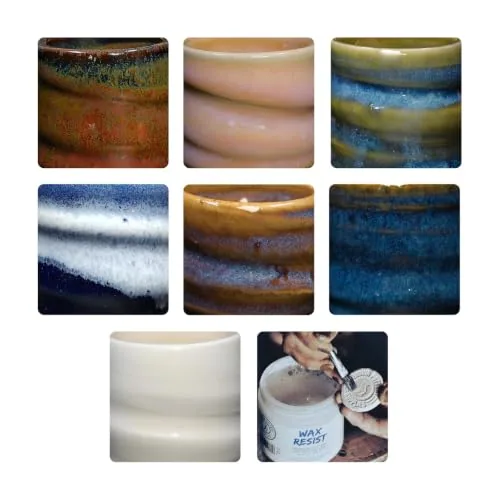
Penguin Pottery Specialty Series Glaze Set #1, 8 x 4 oz
- Firing range
- Cone 5-6 (about 2167-2232°F)
- Size
- 4 fl oz jars
- Count
- 7 glazes plus wax resist
Best for Trying mid-fire glazes
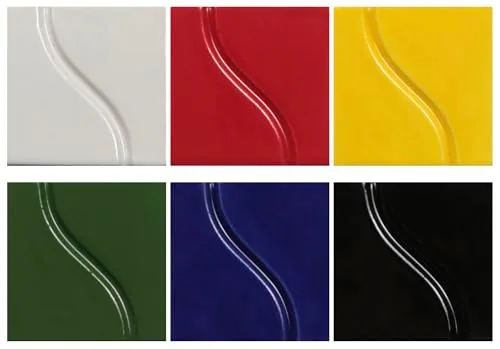
Sax Gloss Glaze Set, 6 Pints
- Firing range
- Cone 06-05
- Size
- 16 Ounce Pints
- Count
- Set of 6
Best for School art rooms
Underglaze vs glaze at a glance
Two layers, two jobs
| Underglaze | Glaze | |
|---|---|---|
| Main job | Color, drawing, pattern | Seal and finish the surface |
| What it is | Clay + pigment (a colored slip) | Glass-forming minerals + colorants |
| Moves in the kiln | ✓ Stays put, crisp lines | ~ Melts and can flow or blend |
| When to apply | Greenware, leather-hard or bisque | Usually bisque |
| Surface alone | ~ Matte, often slightly dry | ✓ Gloss, satin or matte, sealed |
| Needs a clear coat | ~ Usually, for function and shine | ✗ No, it is the top coat |
| Firing range | Often wide (e.g. cone 06–10) | Usually narrow (e.g. cone 5–6) |
| Opacity | ✓ Opaque when layered | Clear, translucent or opaque |
| Mixing colors | ✓ Like paint | ~ Possible, but test fire |
| Food contact | ~ Per maker; many need a tested glaze on top | ~ Only glazes the maker lists as dinnerware-safe |
Source: Clay at Home summary of manufacturer listing data
How each one behaves in the kiln
Because underglaze is mostly clay, it barely melts at normal firing temperatures. That is why it keeps fine lines sharp and why its listed ranges are so wide. AMACO says LUG-1 Black is "dark and smooth at cone 05, fluxes into a soft glaze-like surface at cone 6, and maintains a deep black tone with a soft sheen all the way to cone 10".
Glaze is designed to melt at a specific cone. Fire it too low and it stays dry and rough. Fire it too hot and it runs, sometimes off the pot and onto the kiln shelf. So glazes come with narrower ranges.
How many cones the listed firing range spans
Count of cones from the low end to the high end of each listed range (cone 06 through 10 = 16 cones)
Speedball adds that its underglaze "can be fired at cone 10" beyond the listed cone 06–6. Check our cone chart to see what each cone means in degrees.
How to use underglaze and glaze together
- Apply underglaze to greenware or bisque
Paint, sponge or draw your design. Two or three coats usually give solid color. AMACO's SMUG pans work like watercolors, and LUG and Mayco Fundamentals list use on wet/unfired clay or bisque.
- Let it dry, then bisque fire
Many potters bisque after underglazing so the color is set before glazing. That also keeps it from smearing under a brushed clear.
- Cover with a clear glaze
Brush, dip or pour a clear glaze rated for your clay's cone. AMACO says its C-11 Mixing Clear works well with most underglazes, though it can mute a few Velvet colors.
- Wipe the foot and glaze fire
Clean the base or use wax resist, then fire to the glaze's cone.
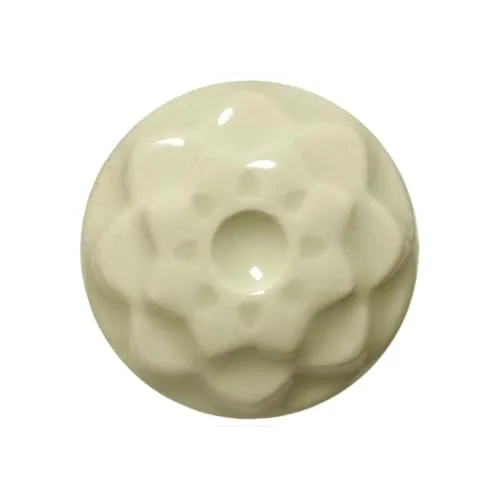
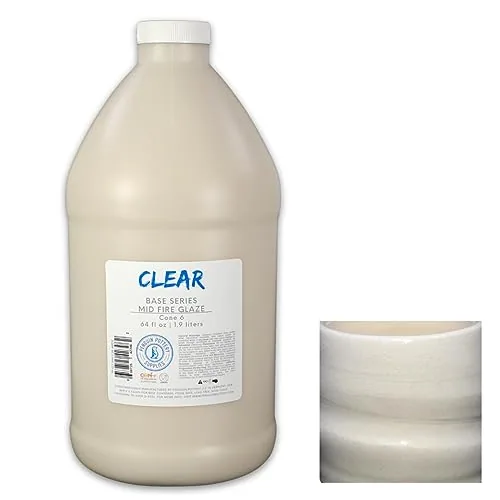
Want an in-between product? Mayco Stroke & Coat is a glaze that brushes like an underglaze. Mayco says it goes on wet clay, greenware or bisque and fires glossy without a clear. Full how-to in how to glaze pottery.
Food contact: read the label
Makers word this carefully, and so should you. AMACO's Velvet underglaze listing says "not for food contact, unless covered with a glaze tested for lead and cadmium release in accordance with ASTM C738-94". Speedball lists its underglaze as "lead-free, dinnerware safe when used and fired as directed". Mayco lists Stroke & Coat as food-safe and dinnerware-safe when fired according to its directions. Penguin Pottery lists its cone 5–6 glazes as suitable for food-contact surfaces when fired to the specified cone.
Picks with dinnerware-safe statements are collected in best food-safe glazes and the food-safe ware hub.
Which to buy first
If you want to paint designs, start with a small underglaze set and one clear glaze at your cone. If you want rich surfaces with no drawing, start with a few glazes and skip underglaze for now. For classes and kids, underglaze class packs plus a low-fire clear are the usual combination. Mayco's Fundamentals pack has 12 pints listed for cone 06–10. Teaching a group? See the kids and classroom hub. For more products, read best underglazes and best glaze sets for beginners.
Mistakes to avoid
- Leaving underglaze bare on a mug lip or inside. Cover food and lip surfaces with a suitable glaze, per the maker's statement.
- Using the wrong clear. The clear must match your clay's cone. Some clears mute certain underglaze colors.
- Applying underglaze too thin. One coat often looks streaky. Build two or three.
- Smearing with a heavy brush. Bisque after underglazing, or dip or spray the clear.
- Mixing up cones. A cone 05 glaze fired to cone 6 runs. See glaze defects for crawling, pinholes and crazing.
- Sanding dry glaze without protection. Glaze materials contain silica. Wipe with a damp sponge instead.
Other options worth a look
Decorating gets easier with the right application tools. Xiem's 0.75" goat-hair glaze brush is made for even strokes of glaze, underglaze and slip. Pasler's underglaze pencils (cone 06–10) let you draw on bisque. OLYCRAFT underglaze transfers apply printed designs. Penguin Pottery's refillable wax resist pens keep feet and lines clean.
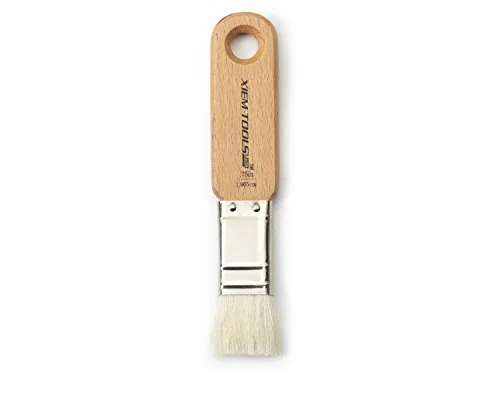
Xiem Short Cut Glaze Brush, 0.75"
- Size
- .75 inch
- Bristles
- Goat tail hair
- Handle
- German birch wood
Best for Brushing glazes evenly
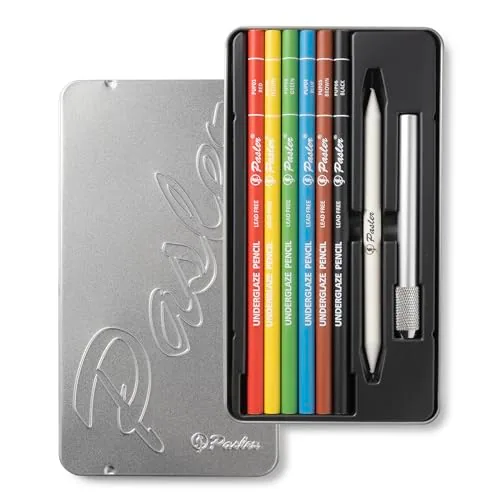
Pasler Underglaze Pencil Kit, 6 Colors
- Firing range
- Cone 06 (999°C) - Cone 10 (1,305°C)
- Count
- 6 colors
- Includes
- Paper stump, pencil extender
Best for Drawing on bisque
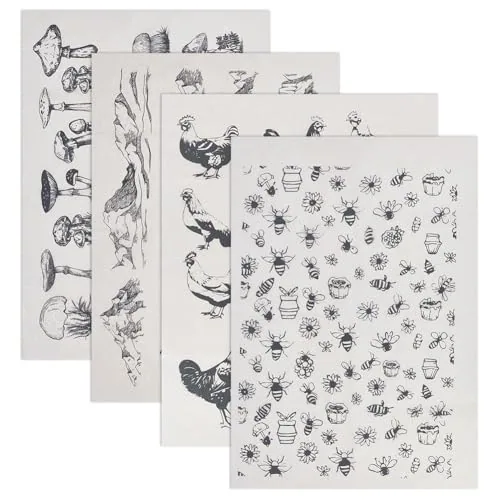
OLYCRAFT Underglaze Transfers, 4 Sheets
- Size
- about 52.3~53cm x 37.5~38cm
- Count
- 4 sheets, 4 styles
Best for Adding printed designs
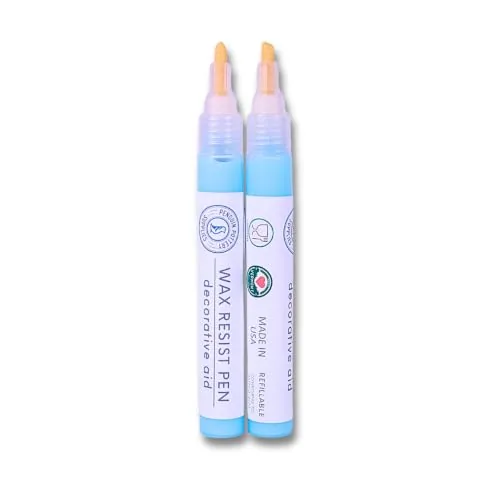
Penguin Pottery Wax Resist Pens, Set of 2
- Count
- Set of 2
- Tips
- Chisel and round
- Refillable
- Yes
Best for Fine resist lines
Comparing brands? Read AMACO vs Mayco glazes, or browse the glazes and decoration category.
How we compared
We summarized manufacturer listings for the underglazes and glazes in our catalogue, quoting listed cone ranges and food-contact statements as written. The cone span chart is computed from those ranges. We did not fire or leach-test any product.