Mayco
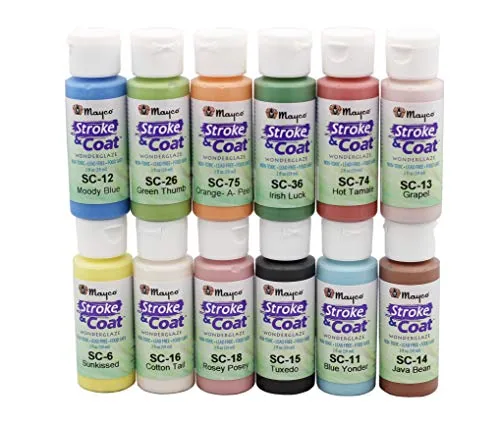
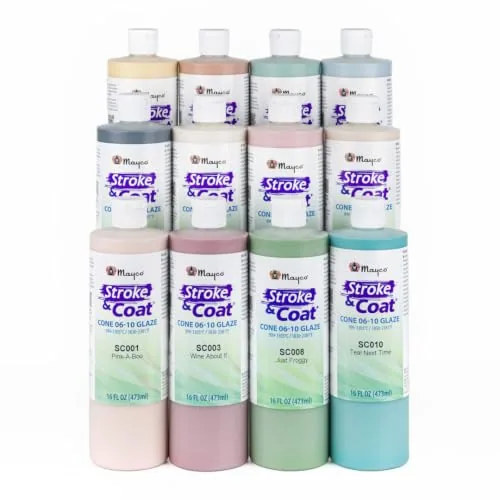
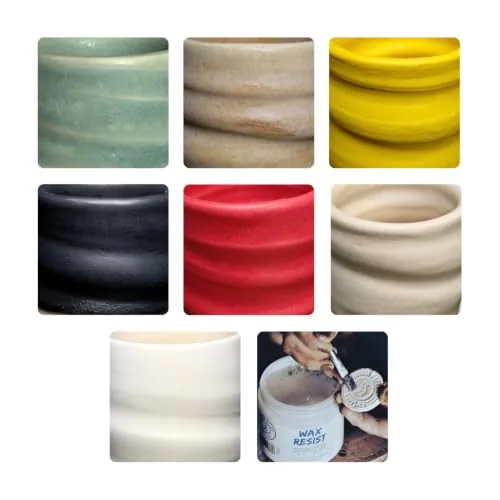
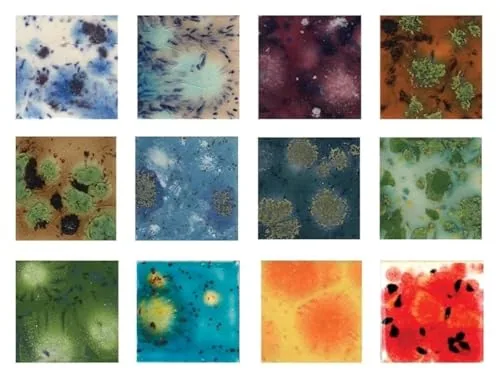
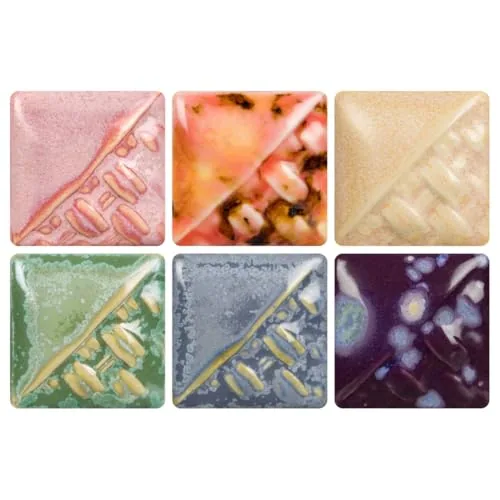
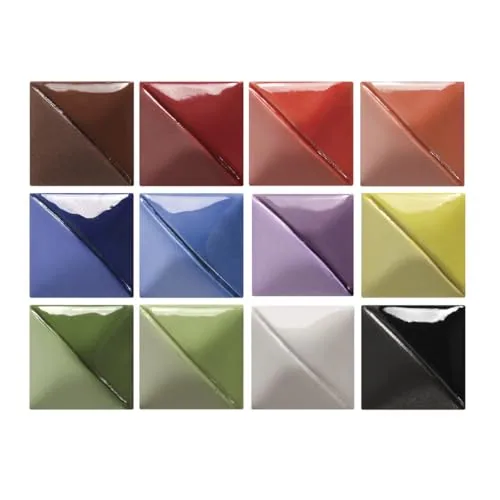
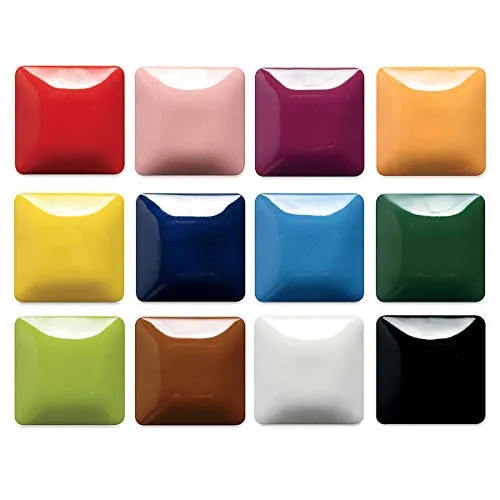
Mayco Stroke & Coat Glaze Kit #1, 12 x 2 oz
- Size
- 2 Fl Oz bottles
- Count
- 12
- Finish
- Gloss without clear glaze
Best for A first glaze palette for home or class
Best for A first glaze palette for home or class
Best for Beginners painting pottery
Best for Trying mid-fire glazes
Best for School art rooms
Best for Painting fine detail
Best for Painted decoration on functional ware
Best for Painted decoration
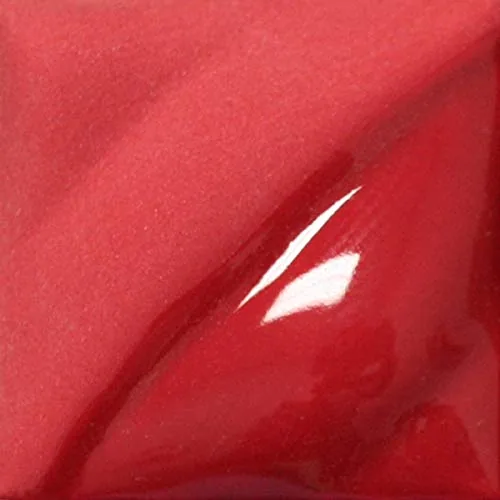
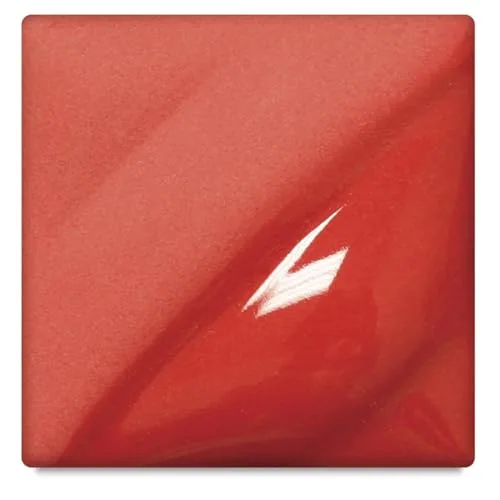
Best for Red accents
Best for Lettering and pattern work
Best for Watercolor-style decoration
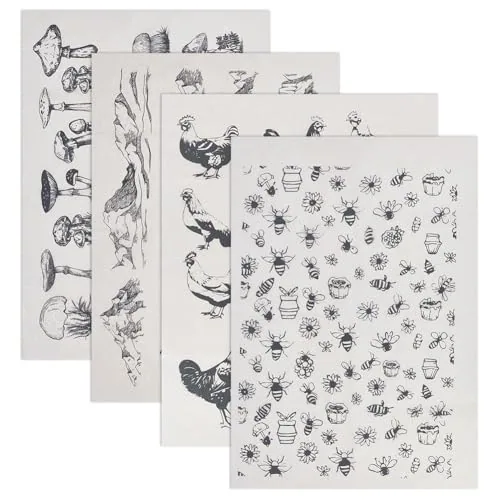
Best for Adding printed designs
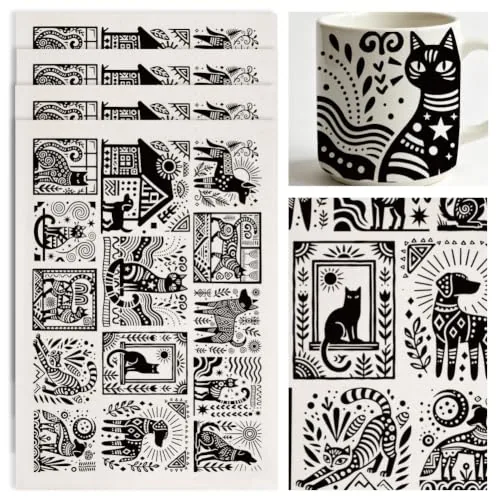
Best for Pet-themed decoration
Best for Gold accents on finished ware
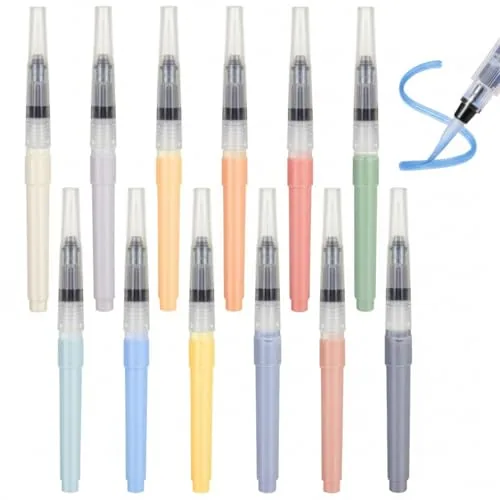
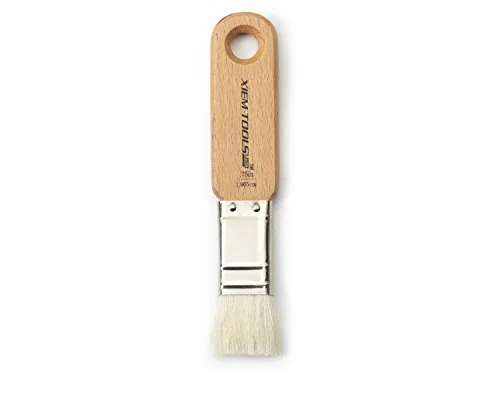
Best for Brushing glazes evenly
Best for Studios and heavy users of Stroke & Coat
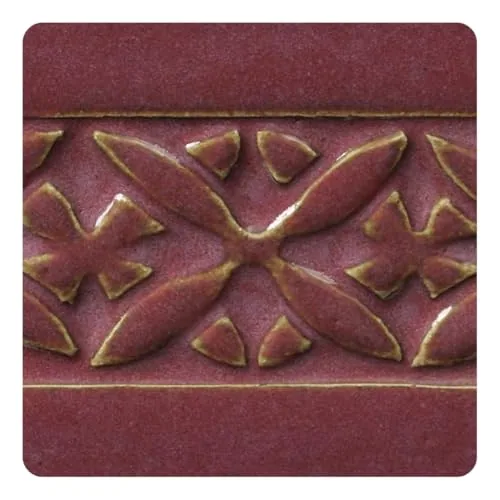
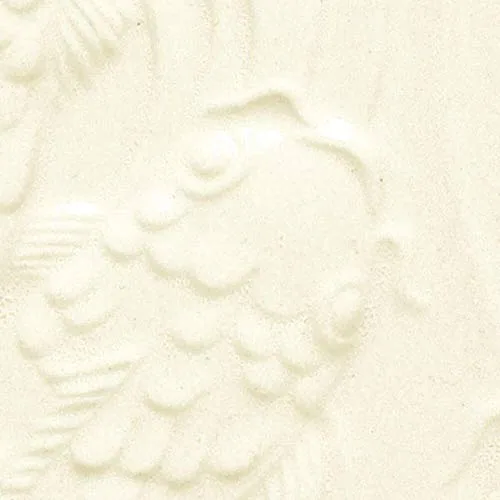
Best for Carved or textured stoneware
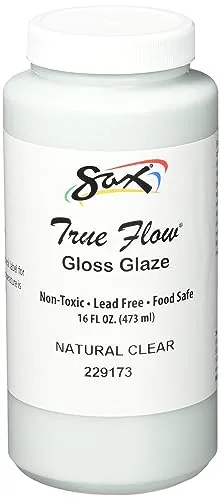
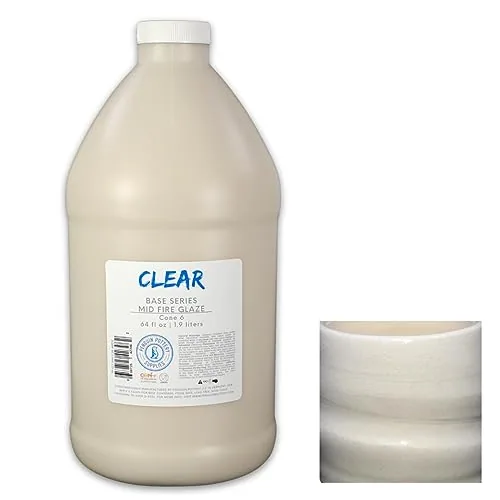
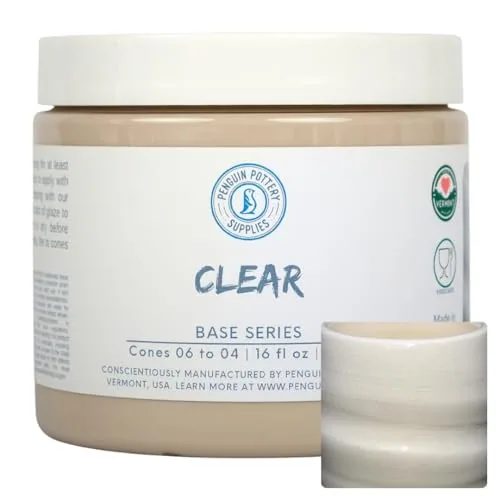
Best for Low-fire clear coat
Best for Mid-fire layering
Best for Clear over mid-fire underglaze
Best for Neutral painted decoration
Best for Decorative low-fire pieces
Best for Matte mid-fire surfaces
Best for Schools and group studios
Best for Red tones at cone 6
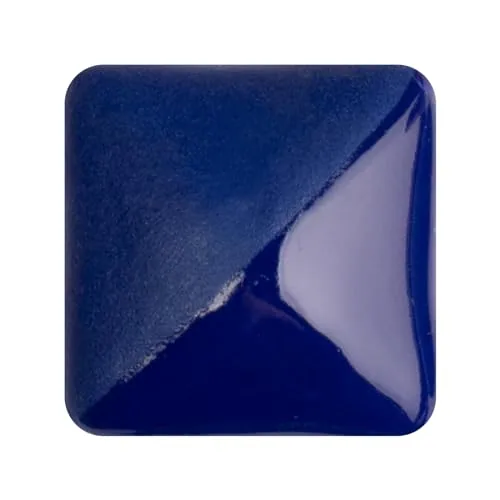
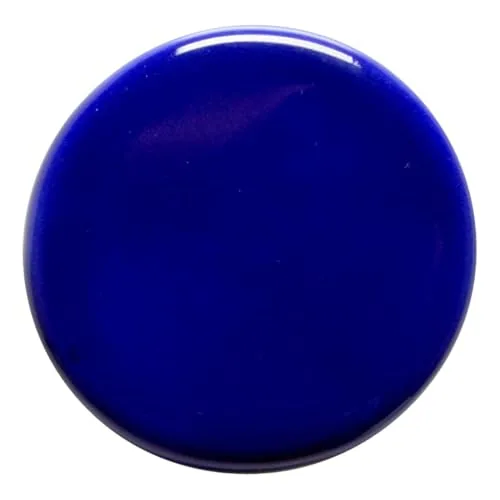
Best for Blue decoration
Best for Decorative low-fire work
Best for Raku firing
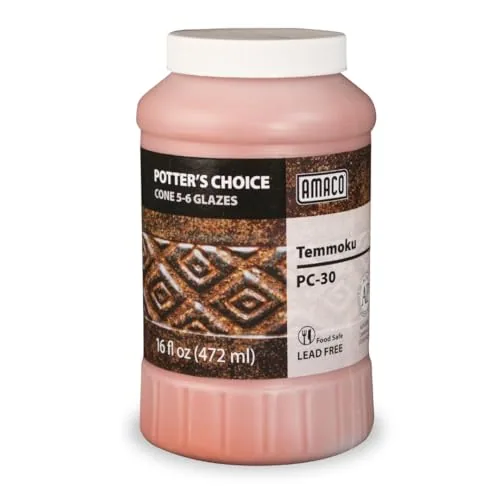
Best for Traditional brown glaze at mid-fire
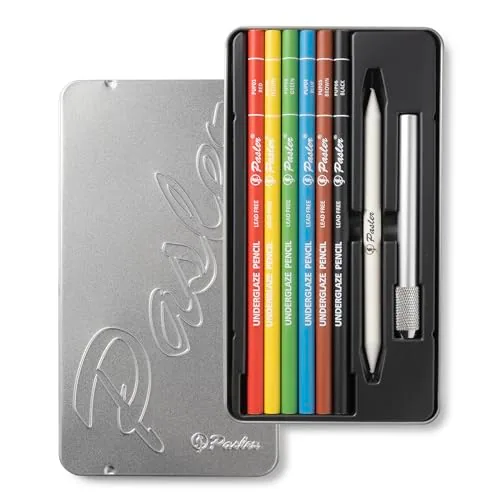
Best for Drawing on bisque
Best for Cone 6 potters building a palette
Best for Potters who use a lot of clear
Best for A clear top coat
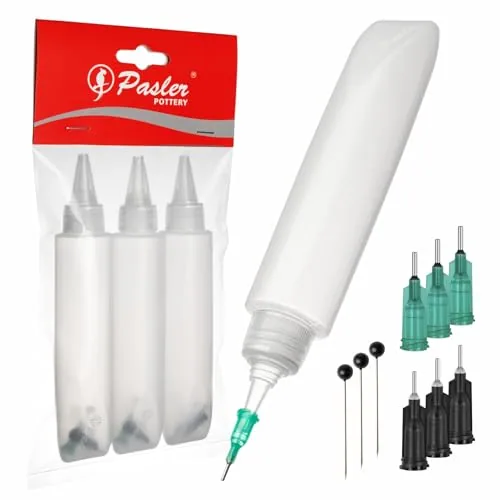
Best for Slip trailing and line work
Best for Classrooms and group studios
Best for Neutral matte mugs and bowls
Best for Clear over underglaze at cone 6
Best for Neutral mid-fire glaze
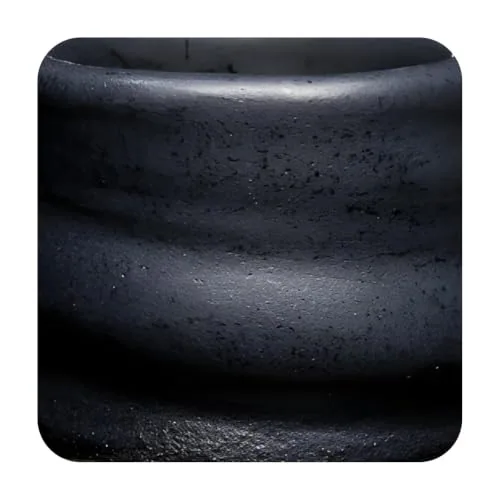
Best for Modern matte black ware
Best for Classrooms
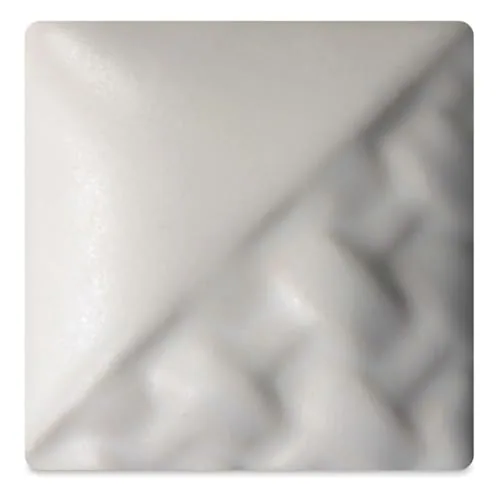
Best for Mid-fire matte white
Best for Clear over low-fire work
Best for Bright red decoration
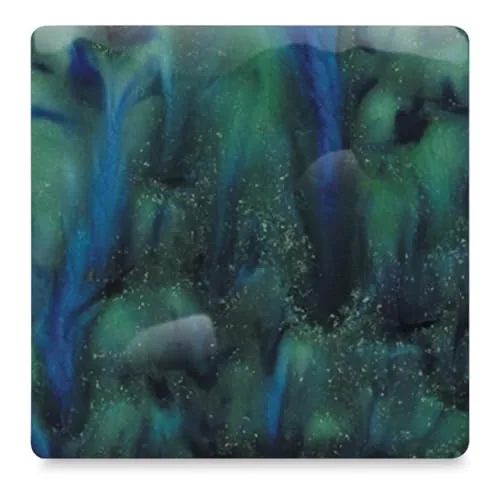
Best for Accent glazing at mid-fire
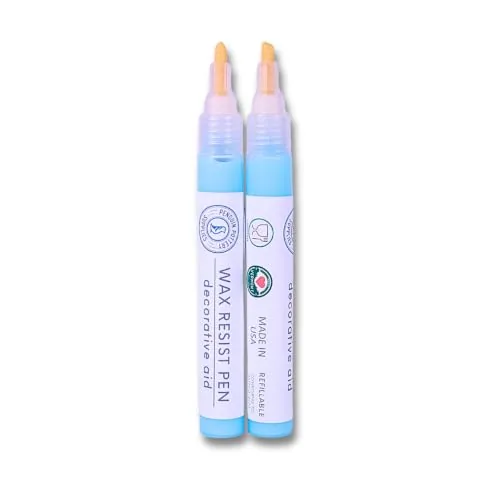
Best for Fine resist lines
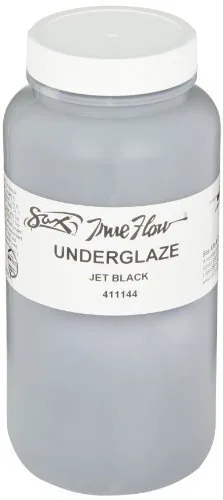
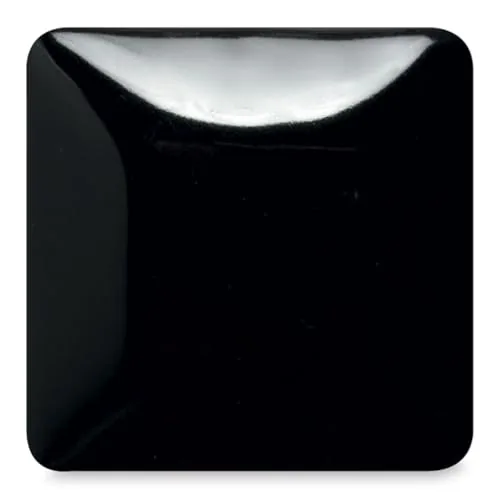
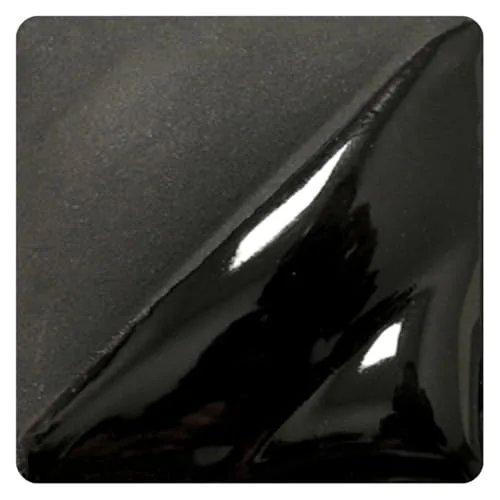
Best for Restocking a black Stroke & Coat
Best for Black line work and coverage
Best for Decorative low-fire pieces
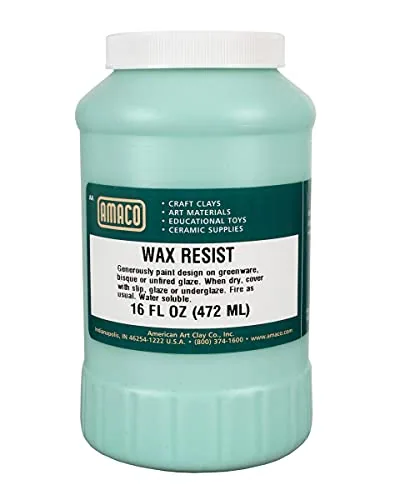
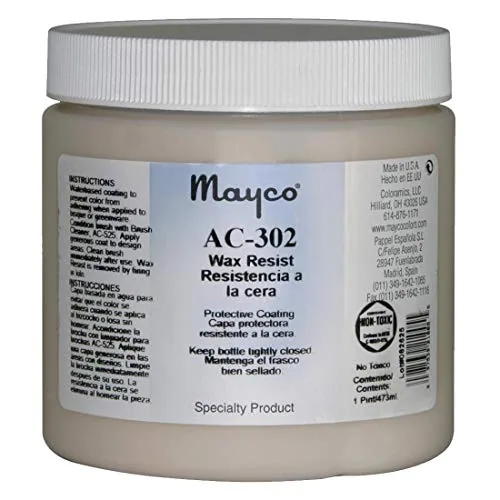
Best for Waxing feet and resist designs
Best for A basic white for many projects
Best for Brushing homemade or thick glazes
No product matches every filter. Clear one to see more.
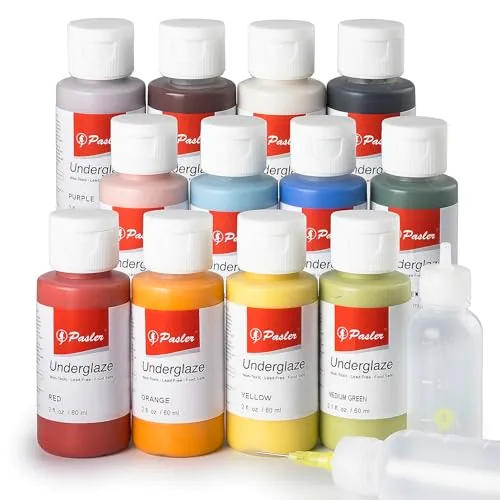
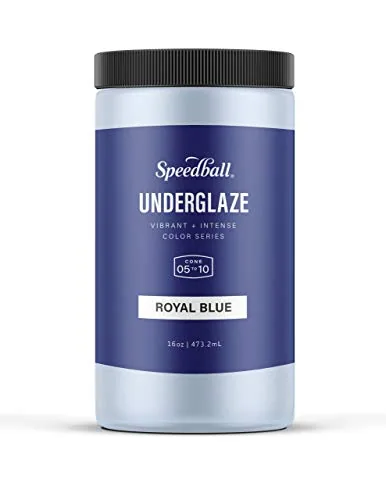
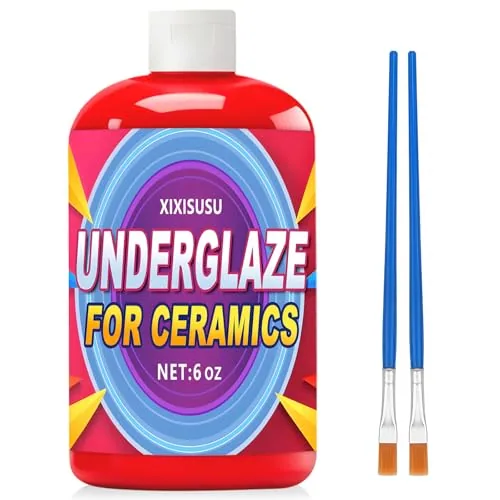
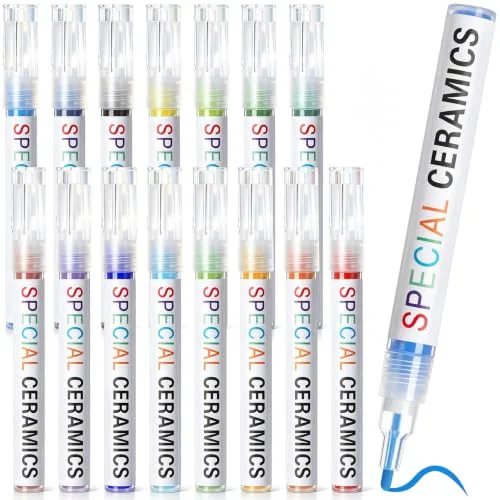
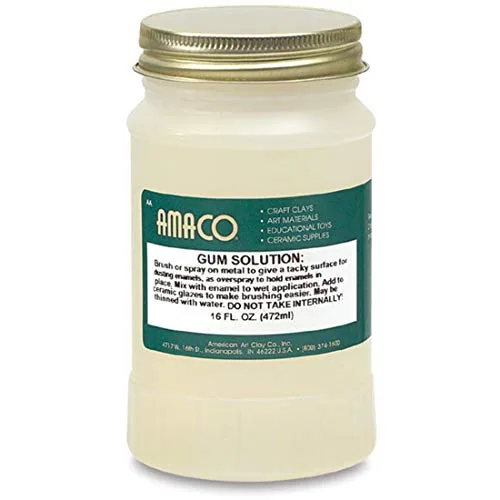
Pottery glazes here range from 2 oz beginner sets to 64 oz jars. Glazes melt into glass on bisqueware; underglazes are colored slips for painting detail that you usually cover with a clear glaze. Around them are the decoration tools: underglaze pencils and pens, printed transfers, gold overglaze, wax resist for keeping feet clean, gum solution and brushes.
Every glaze is made for a firing range, and that range has to match your clay and your kiln.
 Best of
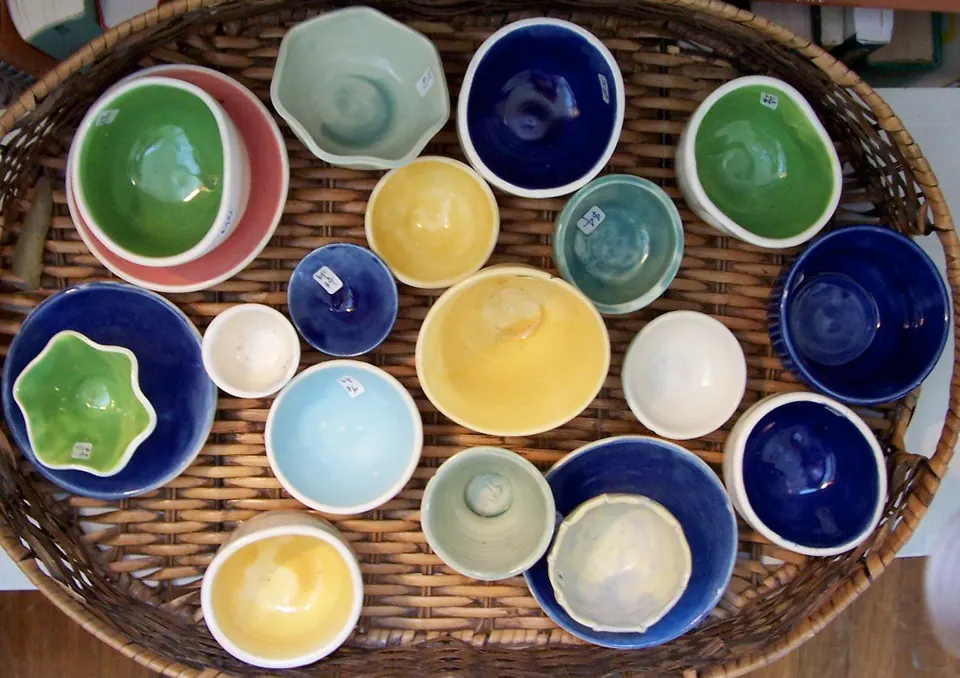
The best glazes for beginners match your kiln's cone: Mayco, Penguin Pottery, Sax, AMACO and Pasler sets compared by…
 Best of
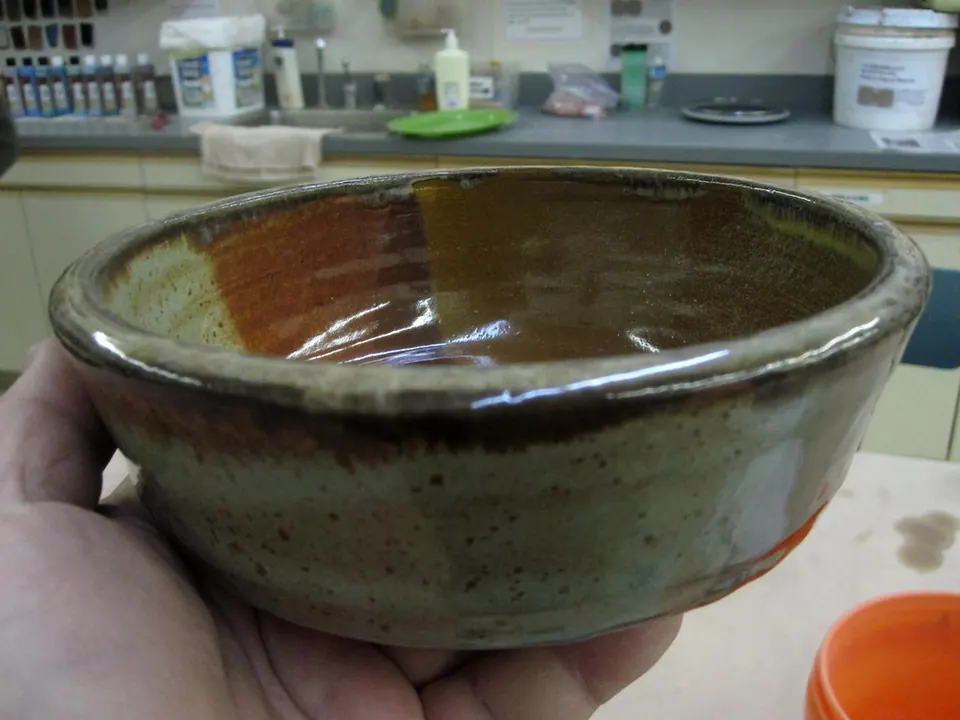
The best food-safe glaze is one the maker says is dinnerware-safe when fired as directed: Penguin Pottery, Mayco, Sax,…
 Best of
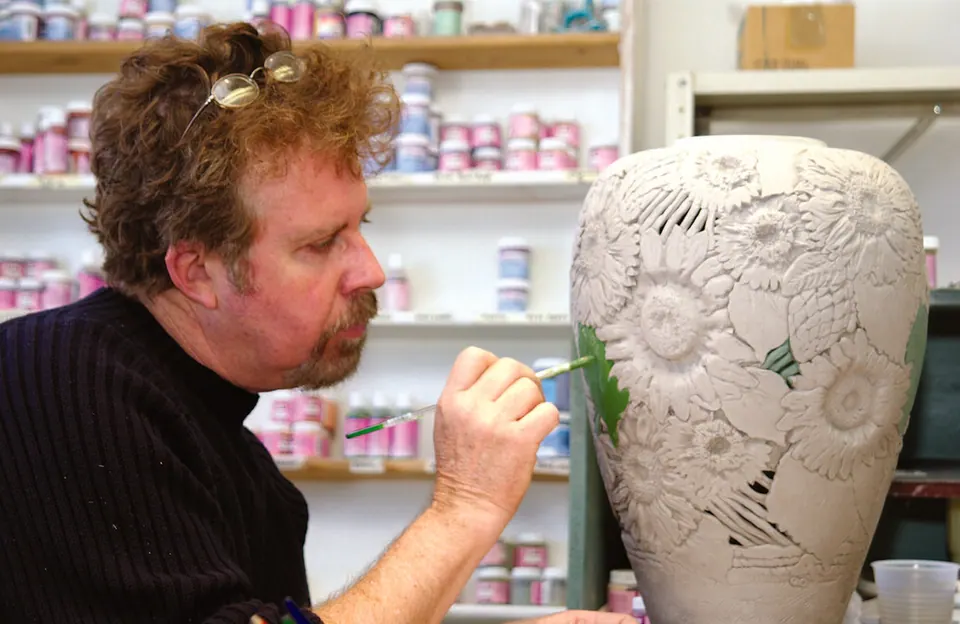
The best underglaze for your work depends on firing range, opacity and format. Compare 8 underglazes from 5 brands by…
 Best of
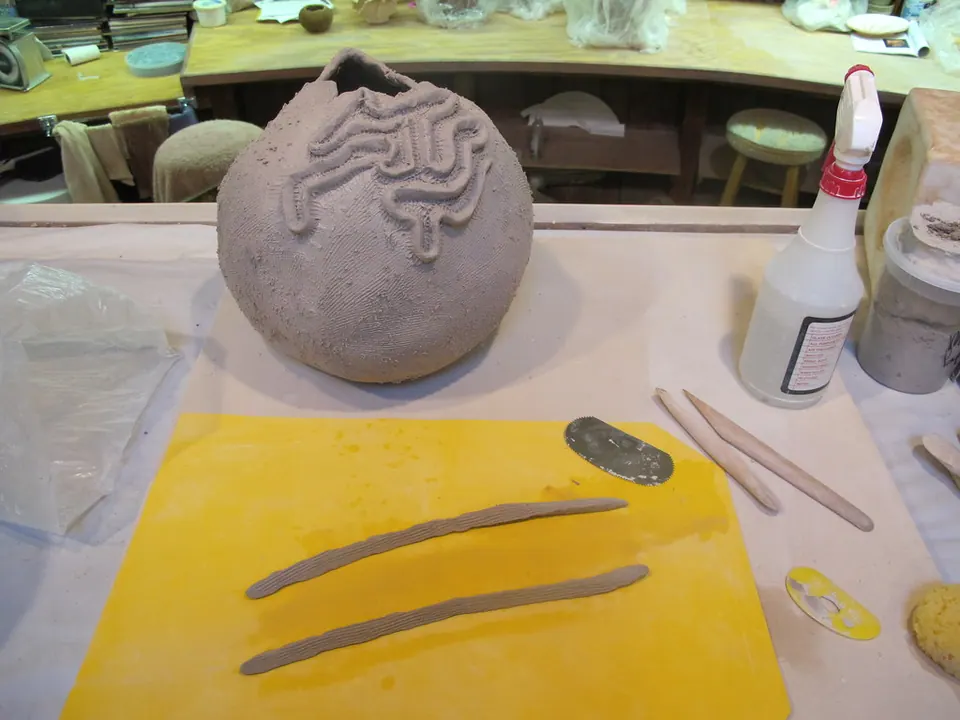
The best banding wheel spins smoothly, holds your heaviest piece and sits at a useful height. Compare 8 banding wheels…
 Versus
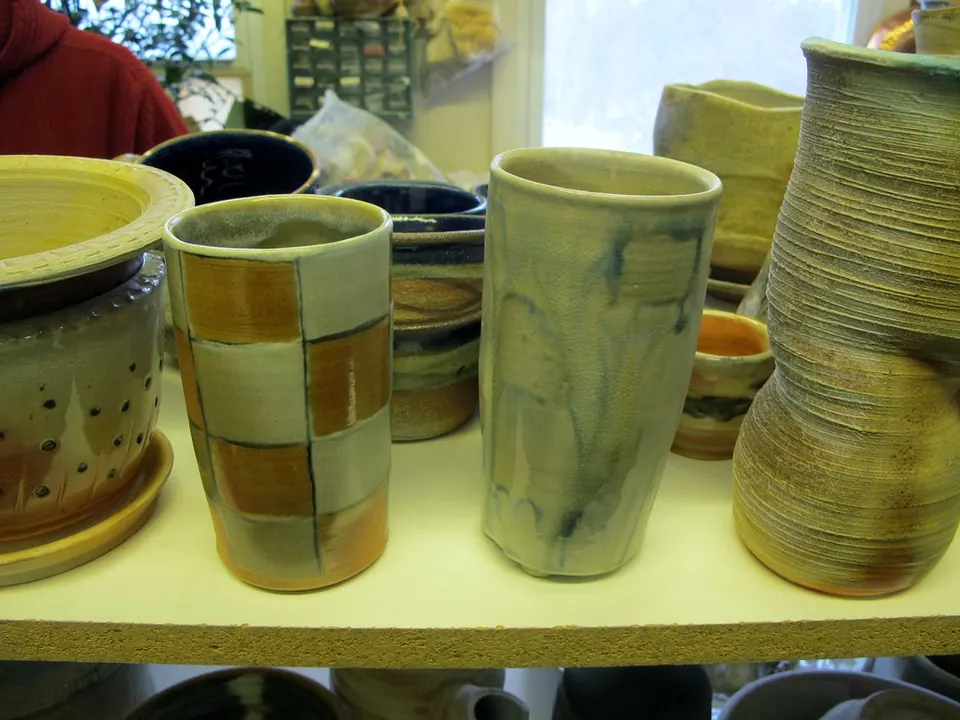
AMACO vs Mayco glazes compared line by line: Potter's Choice, Velvet and Teacher's Palette vs Stroke & Coat, Stoneware…
 Versus
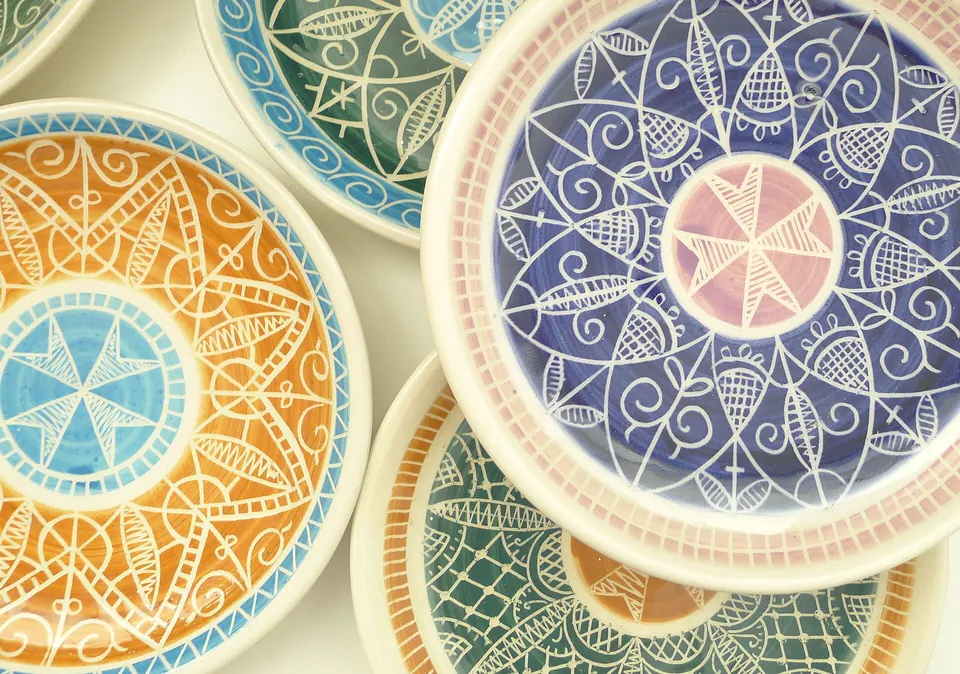
Underglaze vs glaze explained: what each does, when to apply it, cone ranges, food-contact rules and how to layer…