3M
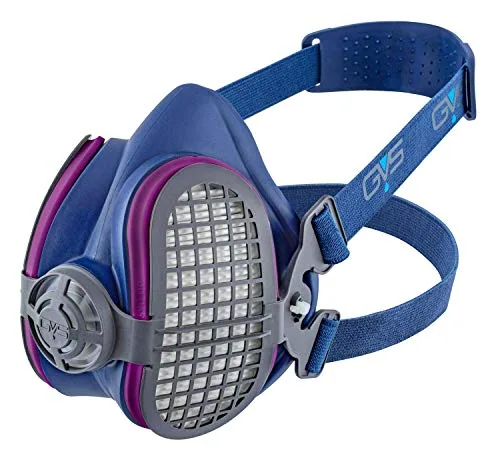
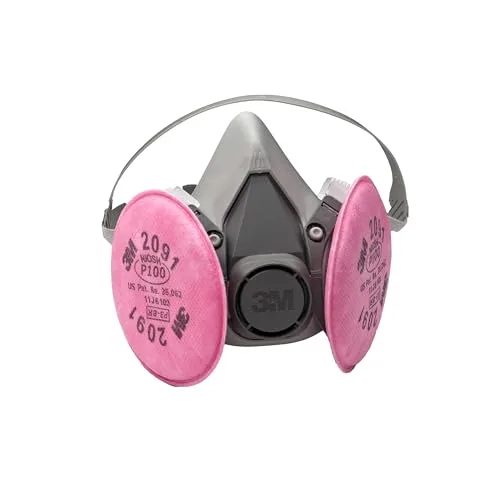
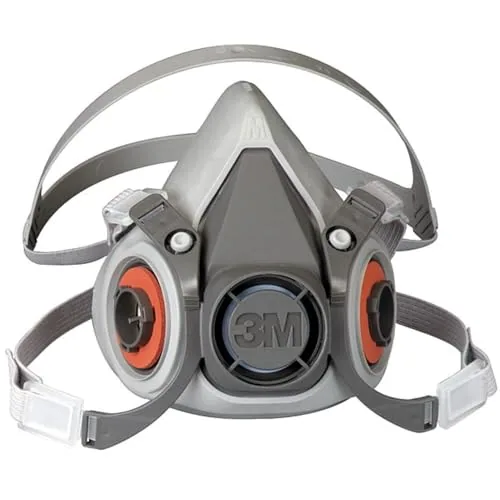
3M 6200 Half Mask Facepiece, Medium
- Filter rating
- Uses 3M 6000 Series cartridges (sold separately)
- Size
- M
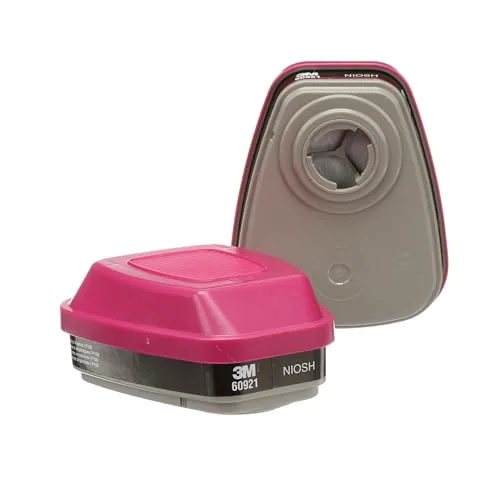
Best for Building a reusable mask setup
Best for Building a reusable mask setup
Best for A compact reusable dust mask
Best for Stocking a shared studio
Best for Smaller faces needing a reusable mask
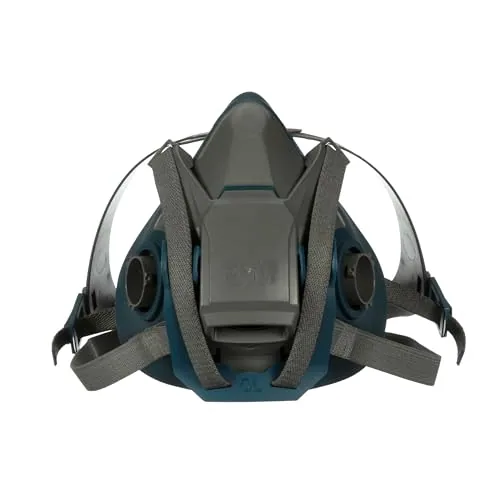
Best for A low-profile reusable mask
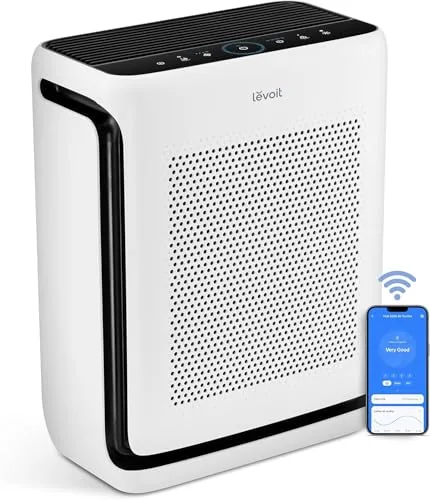
Best for Ongoing airborne dust in a home studio
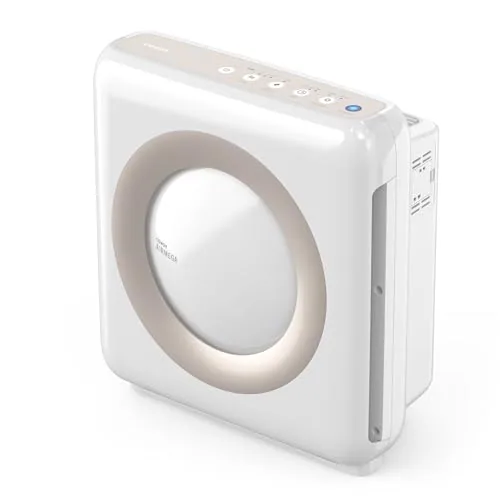
Best for Living spaces shared with a studio
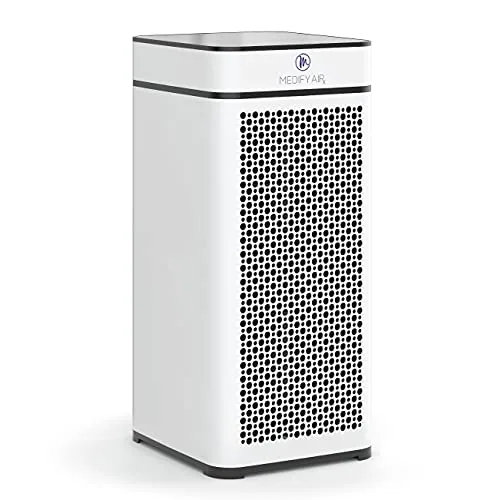
Best for Larger rooms with ongoing dust
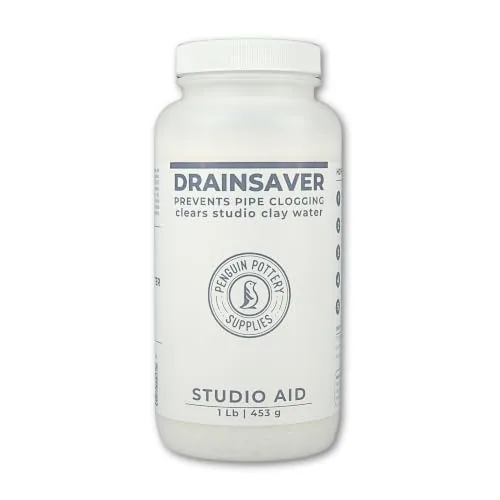
Best for Rinsing clay in a home sink
Best for Bucket rinsing without a sink trap
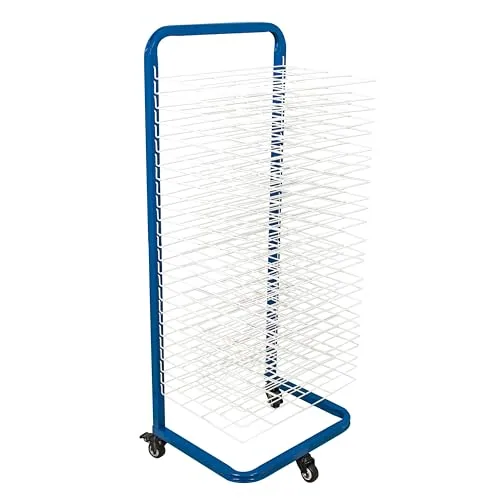
Best for Classrooms drying flat work and tiles
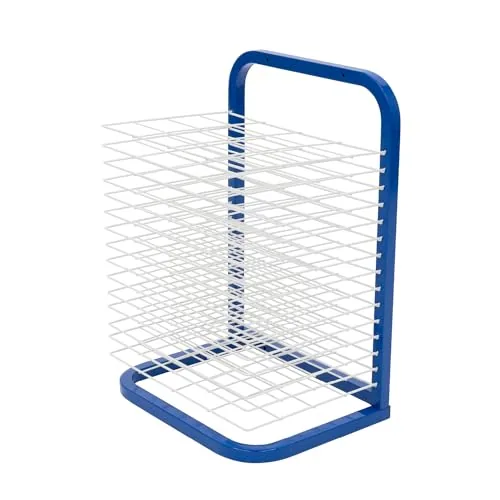
Best for Flat pieces in a classroom
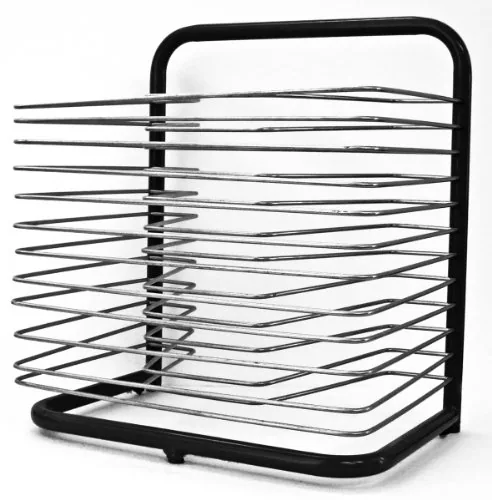
Best for Drying flat work in tight spaces
Best for Wheel throwing
Best for Everyday studio wear
Best for Seated wheel work
Best for Potters who dislike neck straps
Best for Full-coverage wheel work
Best for Messy throwing sessions
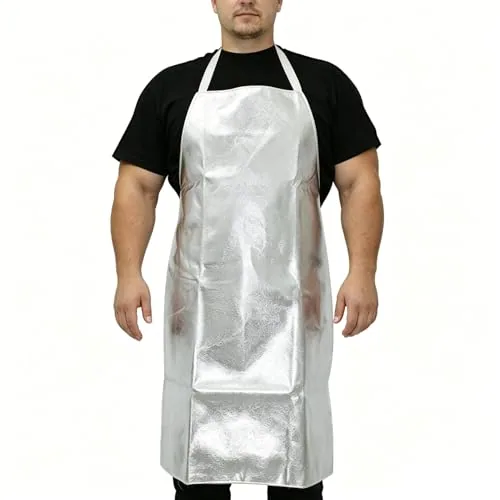
Best for Unloading a warm kiln
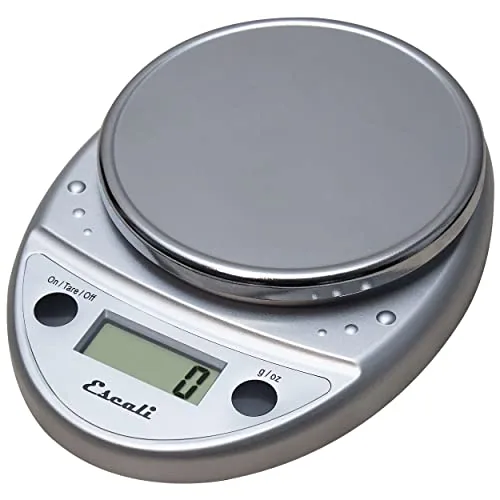
Best for Weighing clay balls and glaze batches
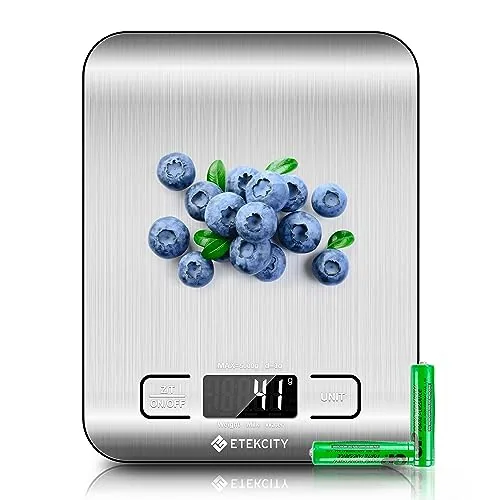
Best for Weighing clay for repeat forms
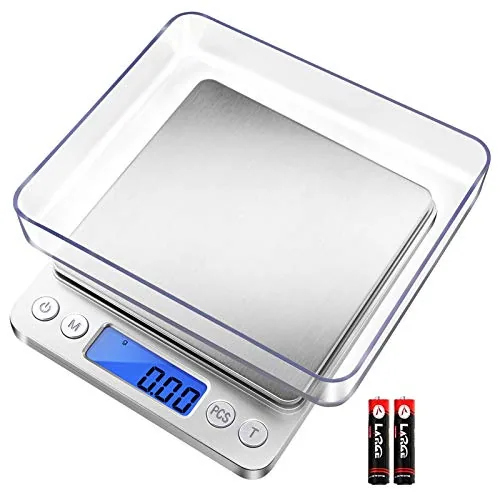
Best for Glaze tests and colorants
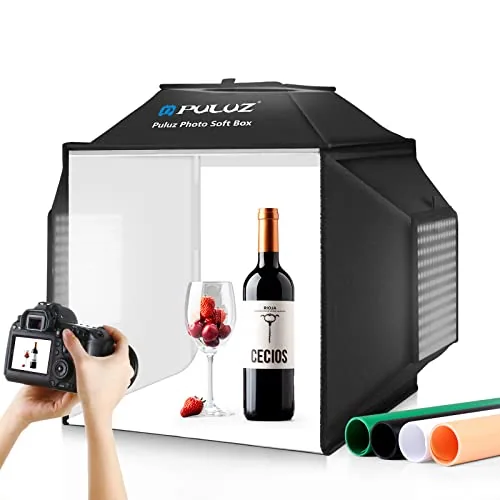
Best for Photographing pieces for online shops
Best for Small pieces and jewelry
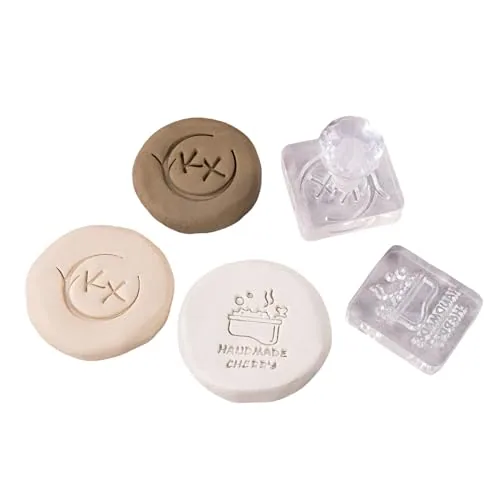
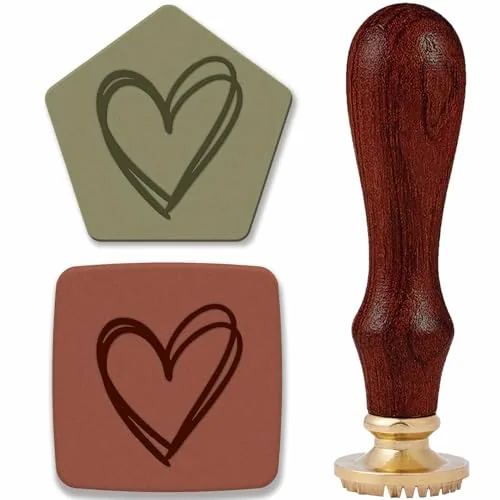
Best for Signing work you sell
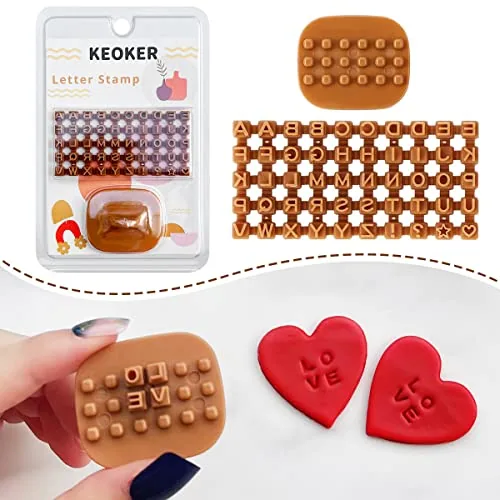
Best for Marking names and dates
Best for A simple maker's mark
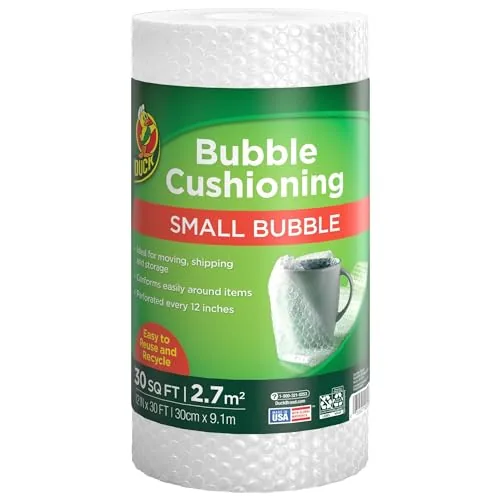
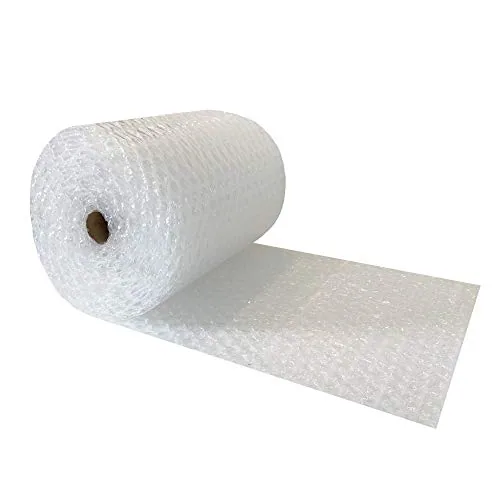
Best for Shipping mugs and small pieces
Best for Packing larger orders
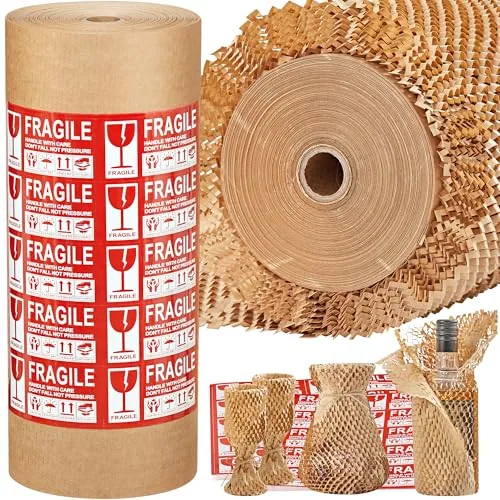
Best for Plastic-free shipping
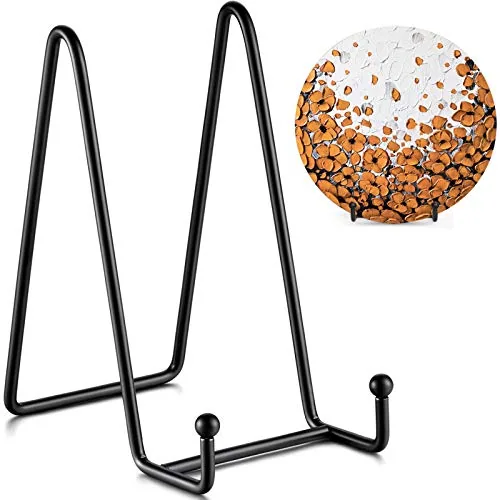
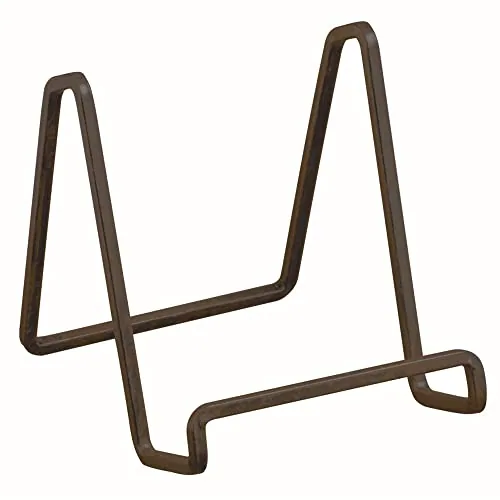
Best for Market table displays
Best for Displaying tiles and small plates
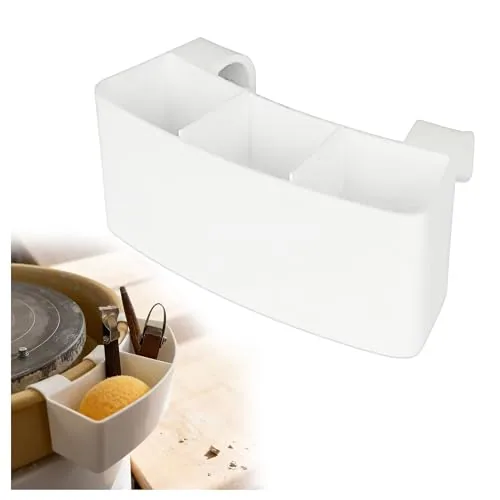
Best for Keeping tools tidy at the wheel
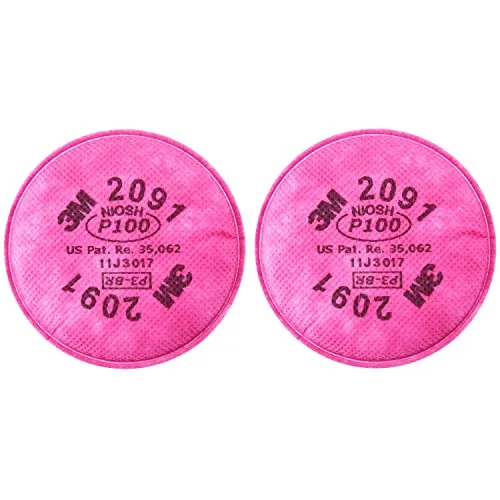
Best for Refilling a 3M half mask
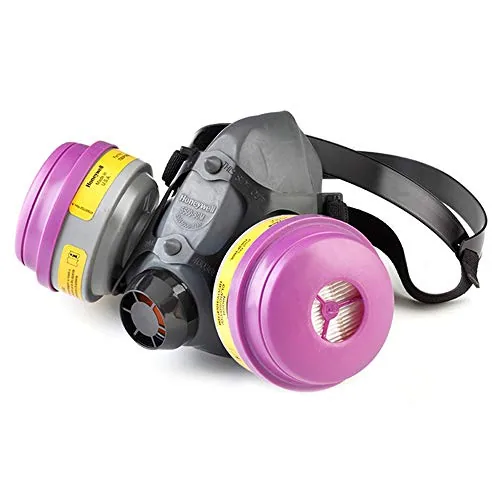
Best for A ready-to-wear reusable mask
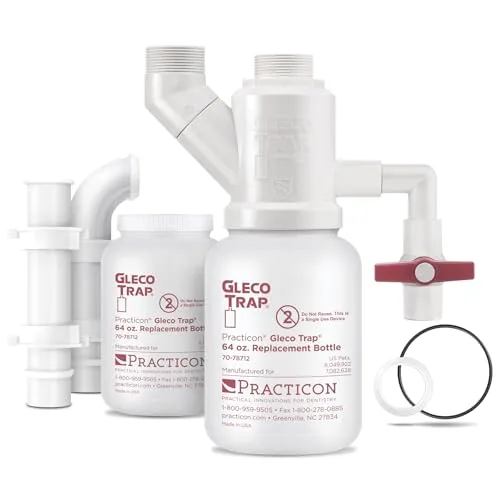
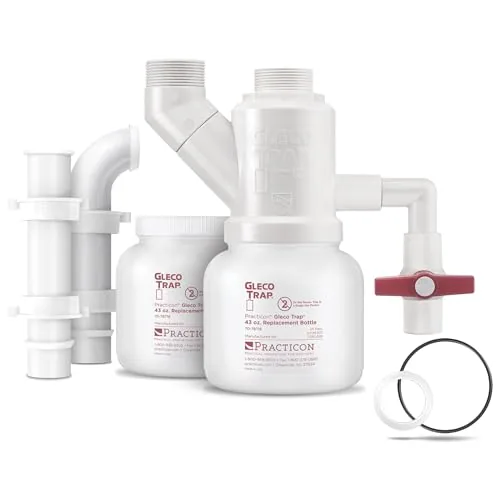
Best for Sink setups needing a sediment trap
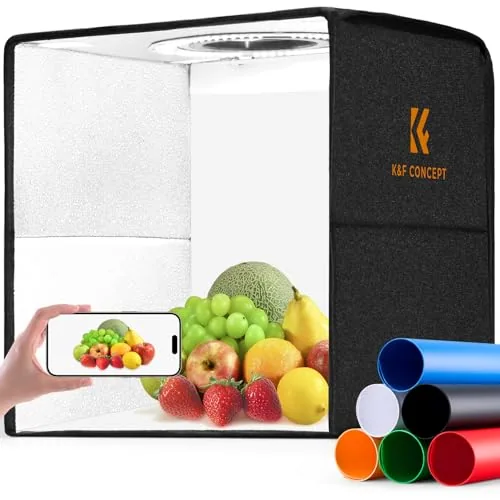
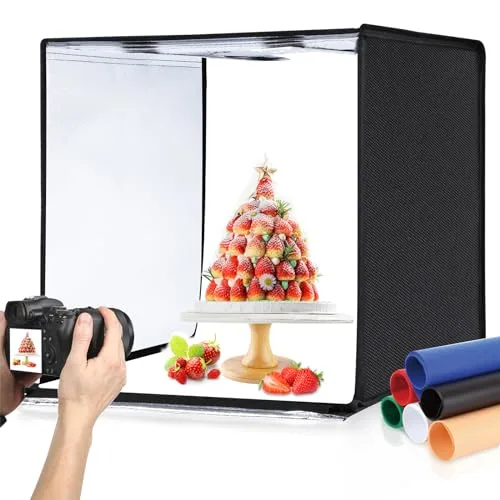
Best for Photographing vases and platters
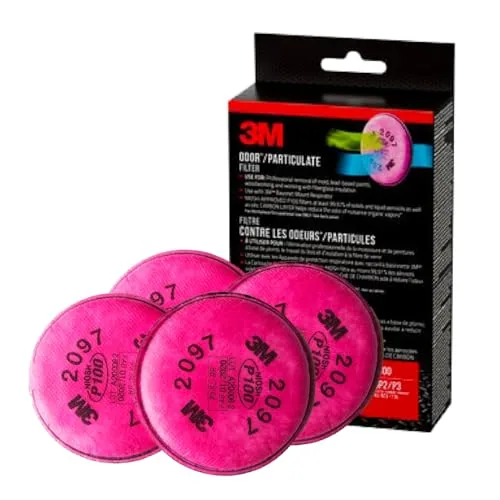
Best for Particulates plus mild odors
Best for Spraying glaze or using solvents
Best for A first respirator for dusty tasks
Best for Long sessions in a mask
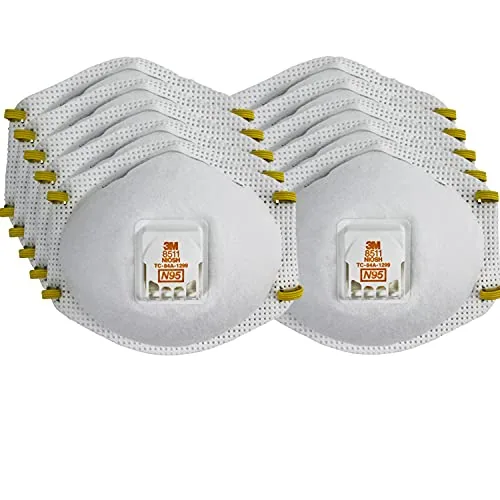
Best for Occasional dusty cleanup
Best for Glasses wearers needing a disposable
No product matches every filter. Clear one to see more.
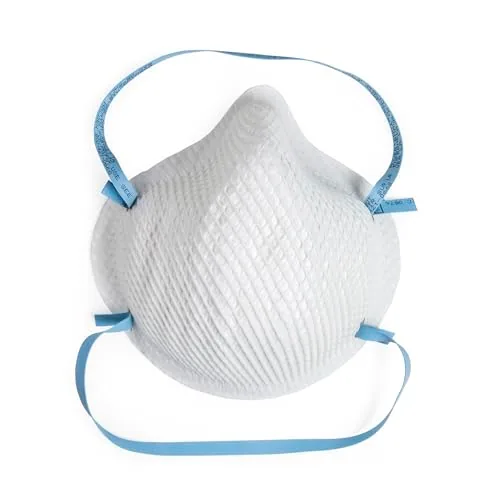
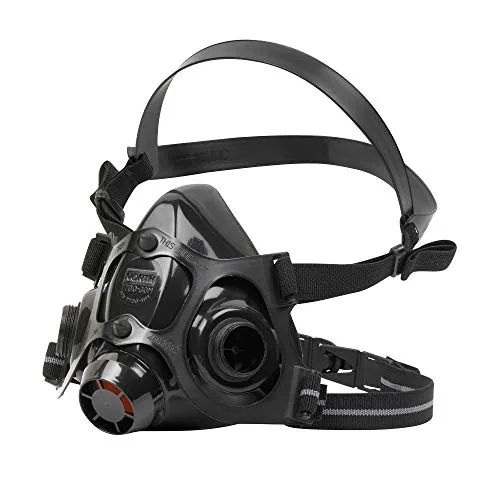
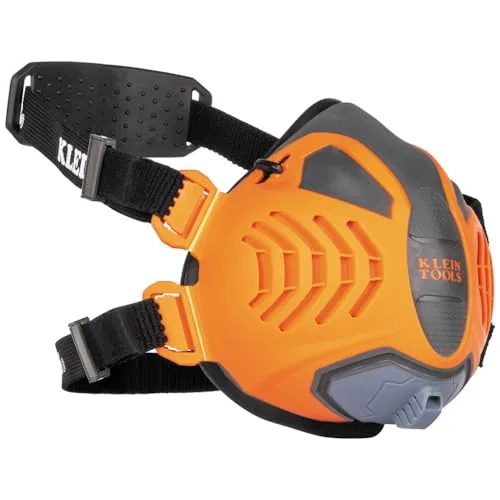
Pottery studio safety starts with dust. Dry clay and glaze materials contain crystalline silica, and OSHA's permissible exposure limit for workplaces is 50 µg/m³ averaged over 8 hours. This category gathers the gear that controls it: 3M, GVS, Honeywell and Klein half masks with P100 filters, N95 respirators, HEPA air purifiers, and clay sink traps.
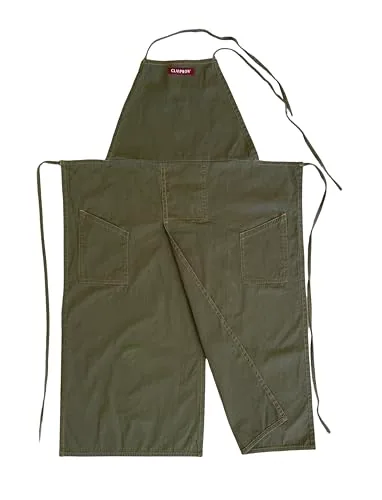
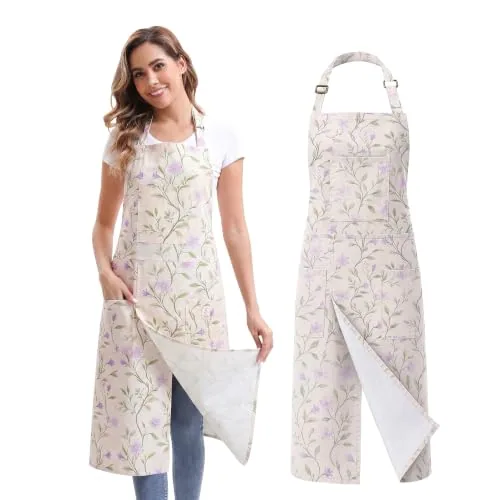
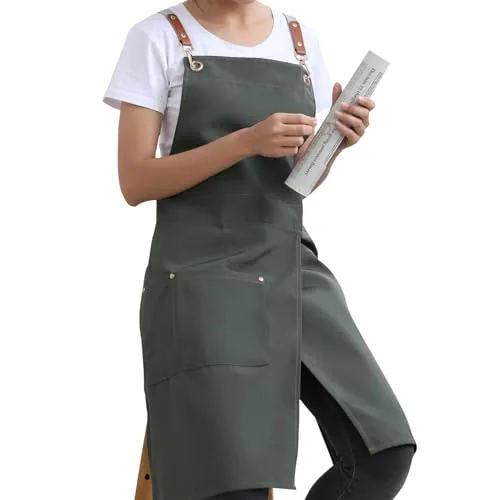
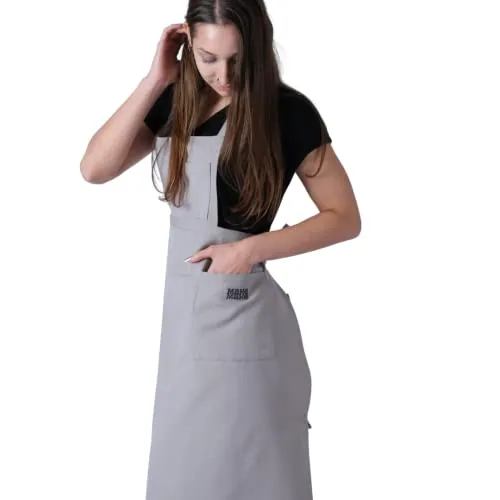
It also covers the practical setup: drying racks, split-leg aprons, a heat-resistant kiln apron, digital scales for glaze mixing, and tool holders.
 Best of
The best respirator for pottery is a NIOSH-approved mask that seals on your face. Compare 8 P100 half masks and N95s…
 Guide
Plan a home pottery studio in the right order: space, water and cleanup, wedging, a wheel, dust control and how you…
 Guide
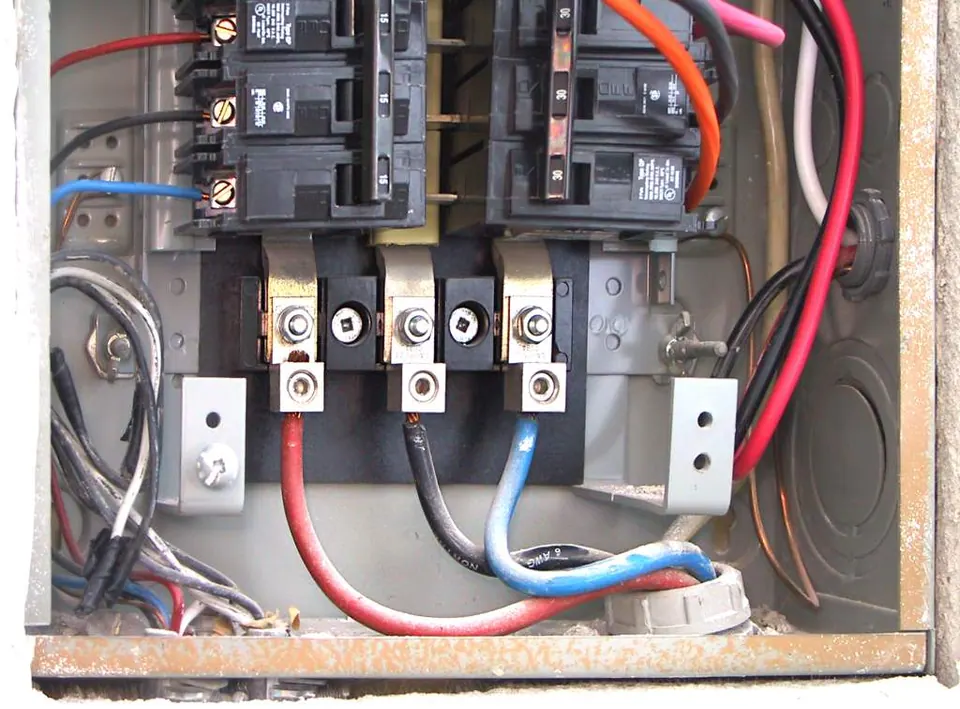
Kiln electrical requirements explained: amps, volts, the NEC 80% continuous-load rule, breaker sizing, 120 V vs 240 V…
 Guide
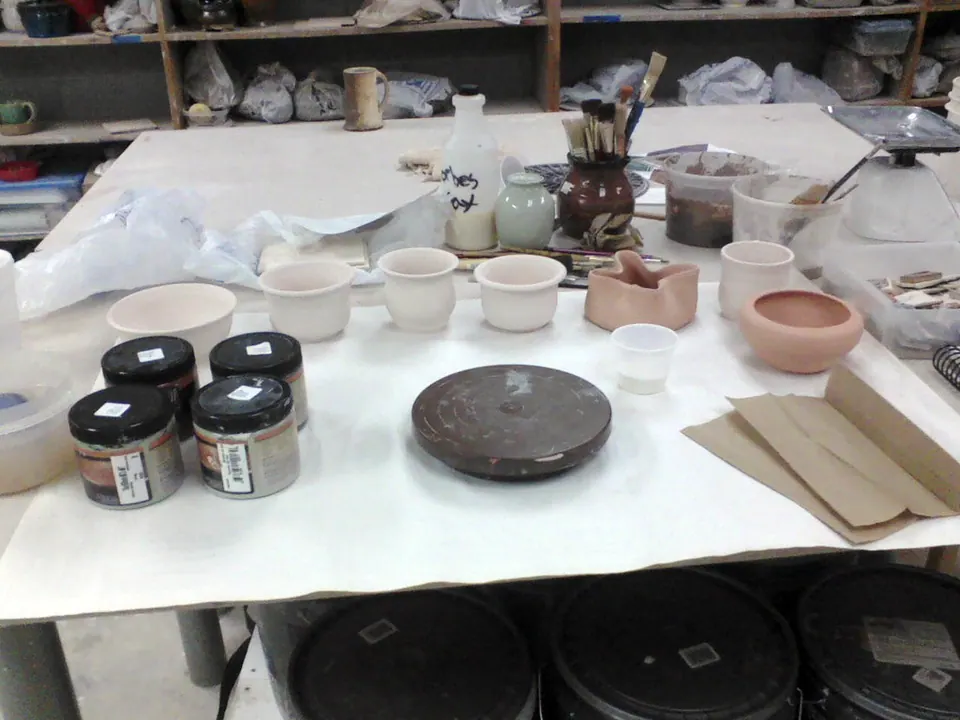
How to glaze pottery step by step: match glaze to cone, prep bisque, wax feet, dip, brush or pour, avoid drips, and…
 Guide
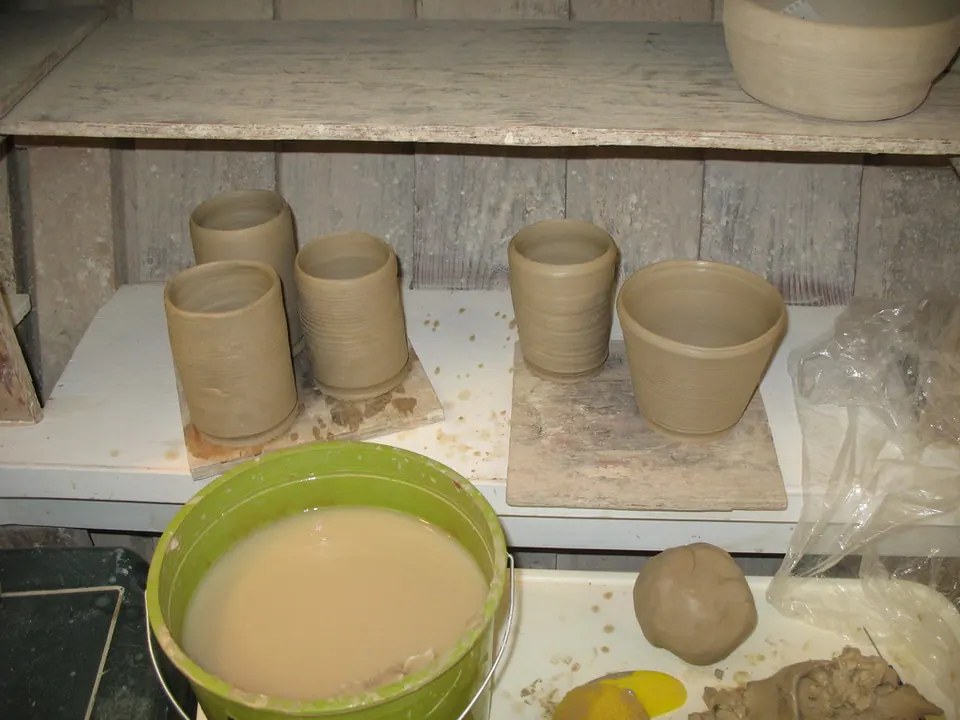
How to reclaim clay at home: slake dry scraps in water, dry the slurry on plaster or canvas, wedge it back to throwing…
 Guide
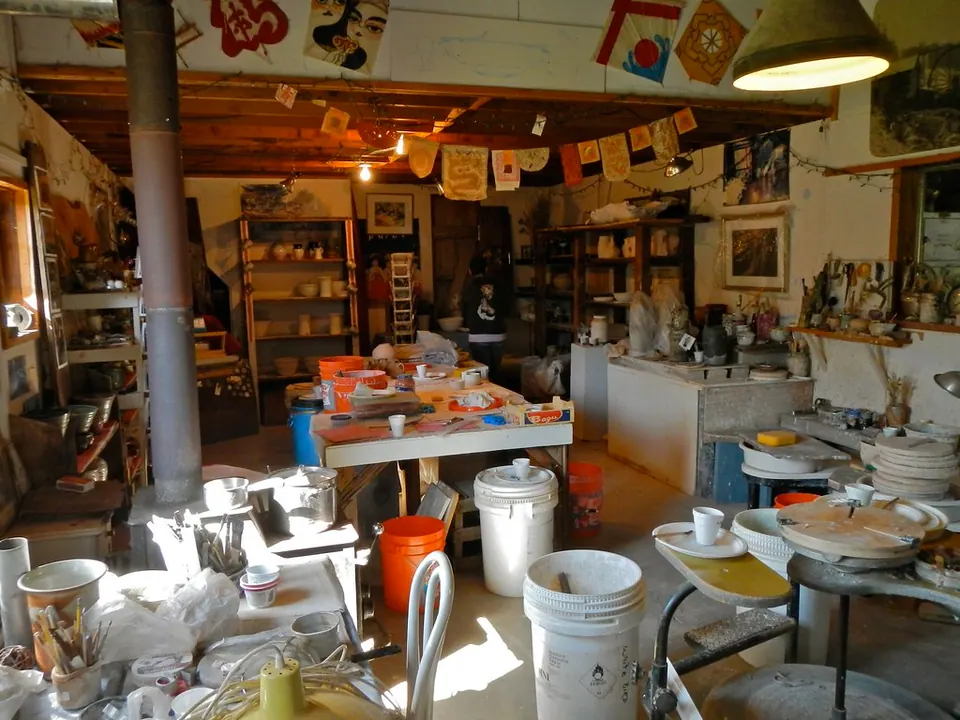
Pottery studio safety at home: control silica dust with wet cleaning, pick a NIOSH-approved respirator, vent your kiln…